Urgent Airbus A380 Inspections Ordered After Dangerous Wing Cracks Found on 16 Jets of Qantas and Emirates

The European Union Aviation Safety Agency (EASA) has ordered urgent inspections of 16 Airbus A380 aircraft after cracks were discovered in wing structural components, placing renewed focus on the long-term maintenance challenges facing the world’s largest passenger aircraft. The emergency airworthiness directive, issued on 22 June and taking effect on 24 June, requires operators to inspect wing mid spars on affected aircraft after regulators concluded that cracks found during earlier inspections could reduce the structural integrity of the wing.

Of the 16 aircraft covered by the directive, 15 belong to Emirates (EK) and one is operated by Qantas (QF), whose A380 fleet remains central to its long-haul operations. The five jets requiring immediate inspection are all part of the Emirates fleet and were expected to undergo checks starting Wednesday, June 24, Aerospace Global News reported.
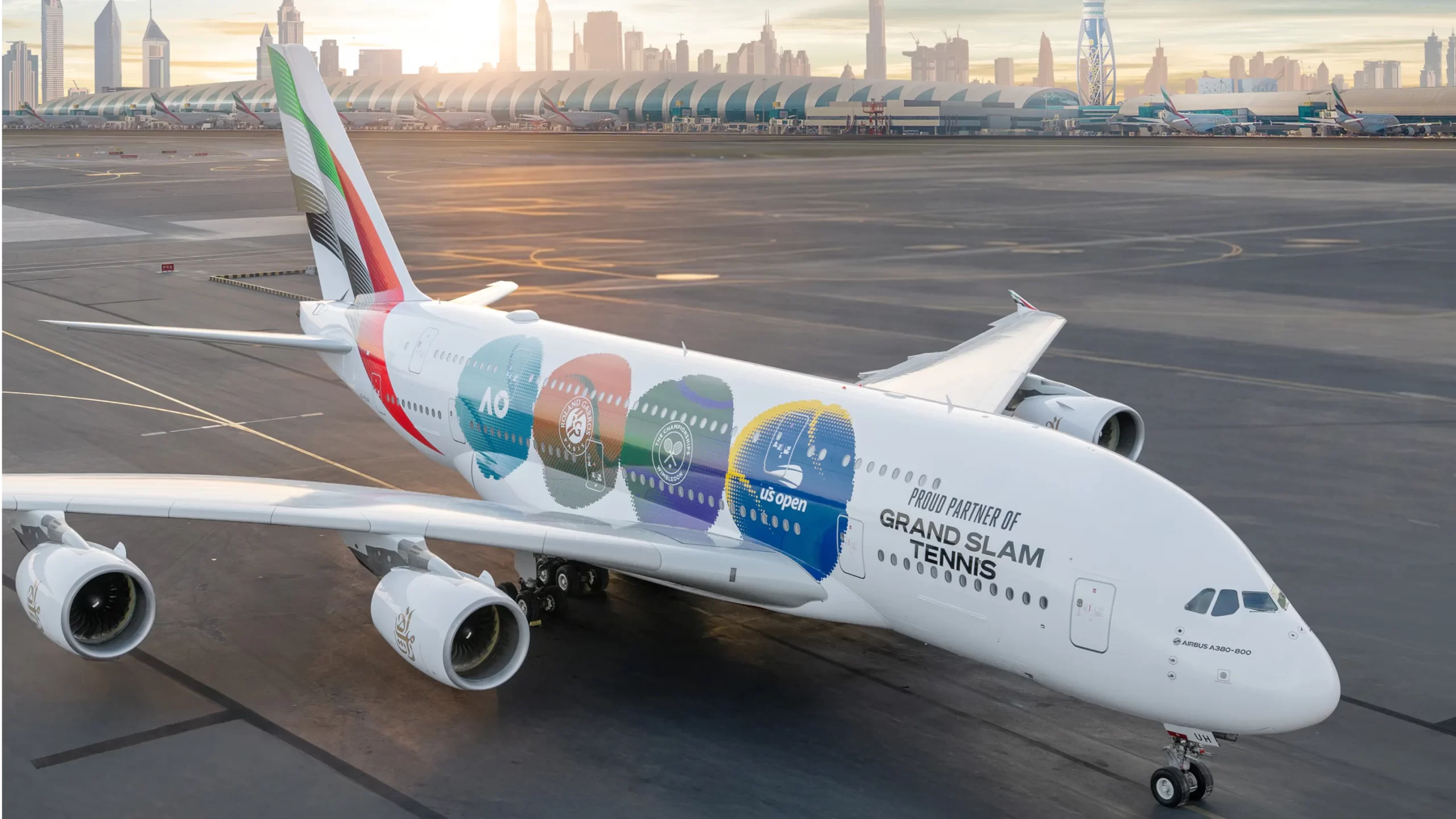
Photo: Emirates

What Is the Wing Mid Spar and Why Does It Matter?

The checks focus on the wing mid-spar, a key structural element inside the wing box that helps distribute the stresses generated during flight. The wing system absorbs continuous flexing during takeoff, cruising at high altitude, and landing cycles. According to aviation safety assessments, any compromise in the mid spar structure can affect overall wing integrity if not addressed through immediate corrective action.

The wing spar is a structural beam that runs along the length of the wing and carries much of the aerodynamic load during flight. This component is one of the most heavily stressed parts of any aircraft, and damage to it can compromise structural integrity if left unchecked.

The A380 has a wingspan approaching 80 metres. Measuring 73 metres in length, with a wingspan approaching 80 metres, the double-deck airliner entered service in 2007 and has since carried more than 300 million passengers across more than 800,000 flights.
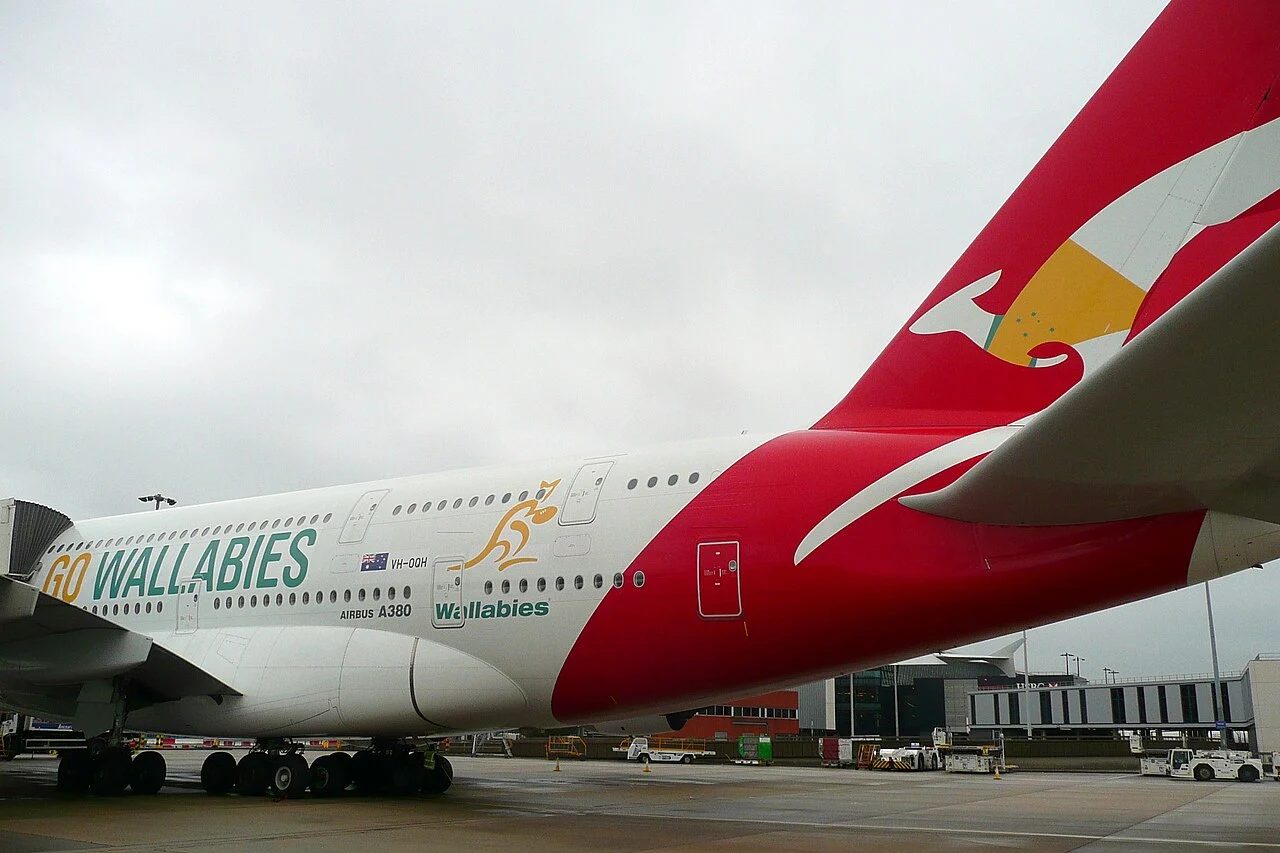
The Airbus A380 is also notable for the following characteristics:

  • Double-deck, full-length configuration, unique among commercial aircraft
  • Wingspan of approximately 79.75 metres, requiring specially modified airport gates and taxiways at most airports
  • Typical passenger capacity of 525, with a certified maximum of 853 seats
  • Four Rolls-Royce Trent 970 or Engine Alliance GP7000 engines
  • Extensive use of carbon-fibre reinforced polymer in its structure, including the wing box
  • Production run from 2003 to 2021, with 251 aircraft delivered to 14 customers before Airbus ended the programme
Photo: John Taggart | Wikimedia Commons

Details Of the EASA Emergency Airworthiness Directive

EASA acted after inspectors found cracks during routine or previous mandated checks. The agency stated clearly: cracks in these areas “could reduce the structural integrity of the wing.” The directive states:

“It has been determined that the cracks found on certain aeroplanes could reduce the structural integrity of the wing. To address this potential unsafe condition, Airbus determined that an additional special detailed inspection has to be accomplished.”

Airbus said the cracks were identified during inspections mandated under an EASA directive issued in December 2025, with regulators warning that the damage could potentially affect the wing’s structural strength.

The manufacturer has identified all aircraft sharing the same production background and will immediately inspect five of them. Airbus will then work with EASA to determine whether any repairs are required, according to a company spokesperson. The remaining 11 aircraft must also be inspected, but operators have until before each aircraft completes another 25 flight cycles — defined as a takeoff, flight, and landing sequence — to carry out the checks.

Operators have been instructed to obtain inspection procedures directly from Airbus and report the results within seven days, regardless of whether cracks are found.

The regulator has not grounded the entire A380 fleet and there is no indication of an immediate safety risk across all aircraft. But emergency directives from EASA are rare and usually reserved for issues that could affect the airworthiness of an aircraft if left unchecked.
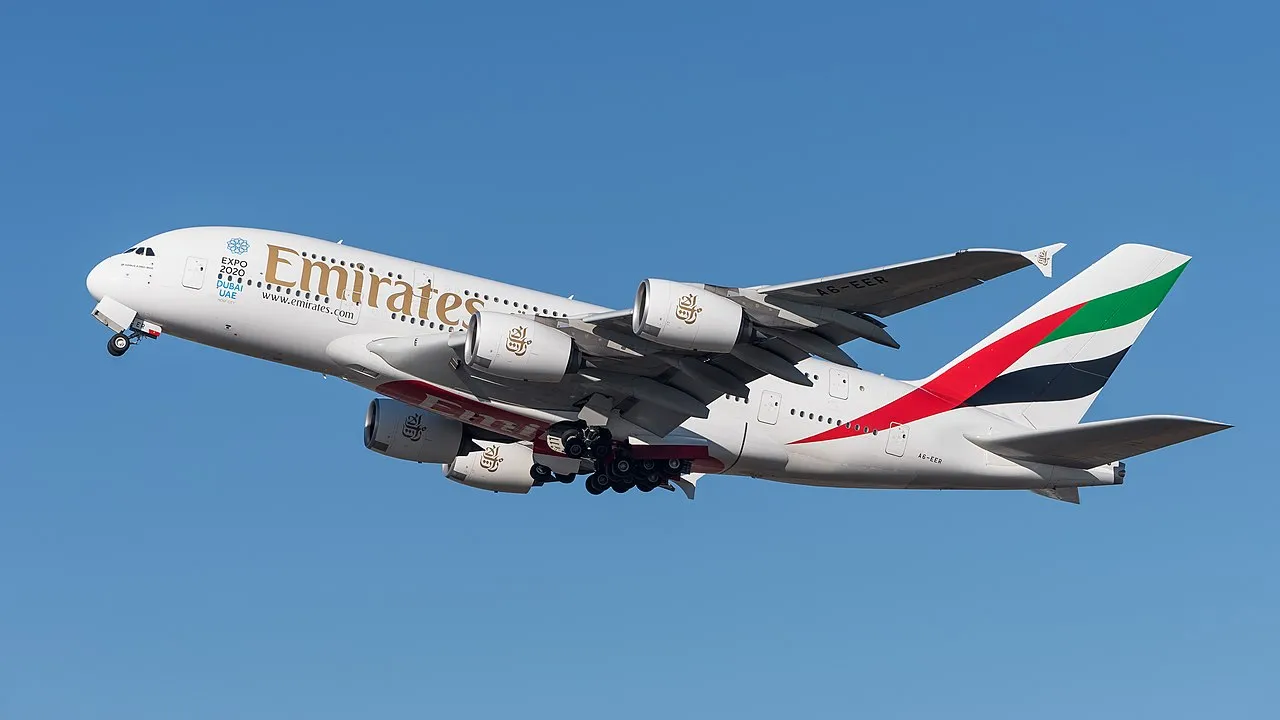
Photo: Julian Herzog ( | Wikimedia Commons

How Inspectors Will Check the Wing Mid Spars

Technicians will use non-destructive testing methods to examine the wing spar without disassembling major structural components. These techniques typically include ultrasonic scanning and eddy-current testing, both of which can detect cracks invisible to the naked eye. The process takes several hours per aircraft and requires specialized equipment along with trained inspectors.

Airbus has developed an additional detailed inspection program for the mid spars and instructed operators to report back findings within seven days. Any aircraft found with structural discrepancies must be repaired before returning to commercial service.

Aircraft found to have cracks will need repairs before they can return to service, while clean inspections will allow continued operation under standard maintenance schedules.
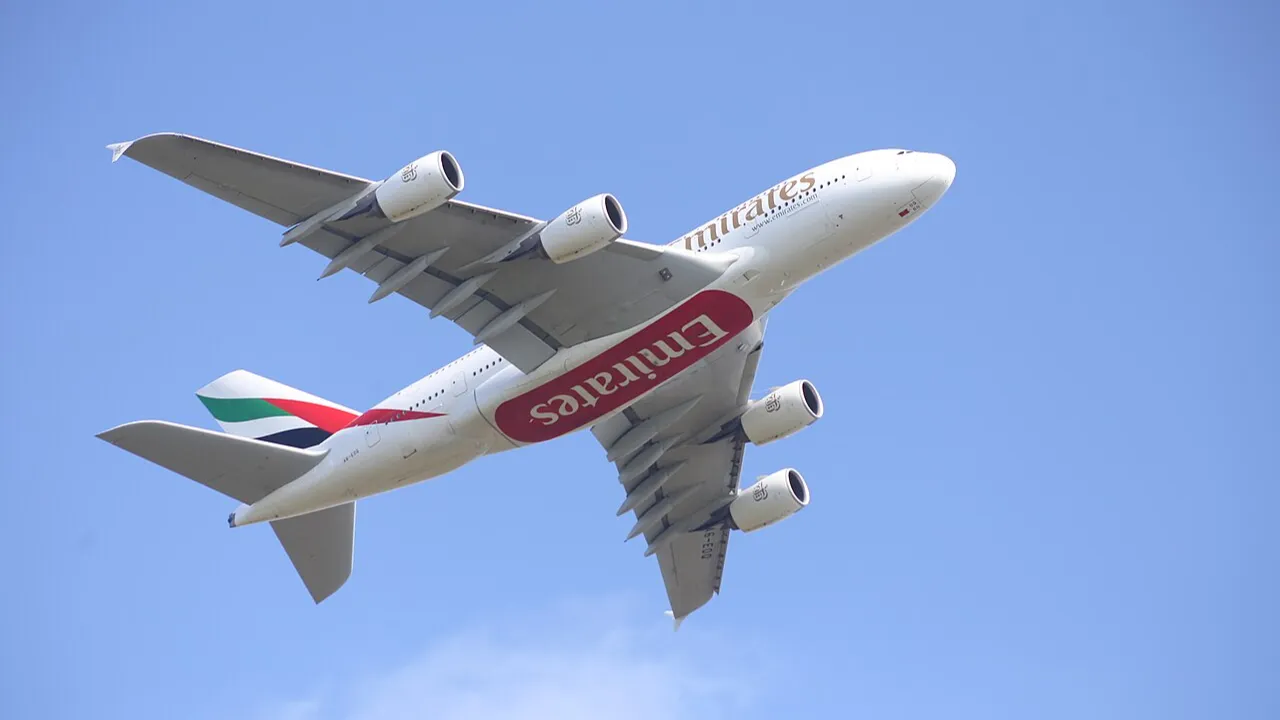
Photo:Flygklubben | Wikimedia Commons

Emirates Faces The Largest Immediate Operational Impact

Emirates runs the world’s largest A380 fleet with 116 aircraft, representing more than half of all active superjumbos.

“Emirates will comply and carry out the inspections required in accordance with the airworthiness directive. We remain in close contact with Airbus and the relevant authorities to minimise any disruption to the operating schedule…”

an Emirates representative said.

Of the 16 affected aircraft, 15 belong to Emirates, reflecting the airline’s dominant position as the largest A380 operator. The Dubai-based carrier operates more than 100 A380s and accounts for nearly half of the 251 aircraft delivered before Airbus ended the programme.

The emirate’s Dubai International Airport (DXB) serves as Emirates’ global hub. Emirates revised its June 2026 network plan by withdrawing the Airbus A380 from six routes across five countries, including Copenhagen, Osaka, Washington Dulles, Munich, Manchester, and London Gatwick, with 286 one-way A380 flights originally planned for June.

The new wing spar directive adds an additional layer of maintenance pressure to a carrier already managing significant schedule adjustments. Emirates removed nearly one in six June 2026 flights due to disruptions stemming from the Iran conflict, and the five immediately grounded A380s could further constrain an already-reduced fleet deployment.

The strict directive divides the affected aircraft into two urgency categories. Five of the affected superjumbos — all belonging to Dubai-based Emirates — have been grounded immediately and must undergo inspections before they are permitted to take to the skies again with passengers. EASA has allowed limited ferry flights without passengers to let airlines move these specific jets to maintenance facilities.
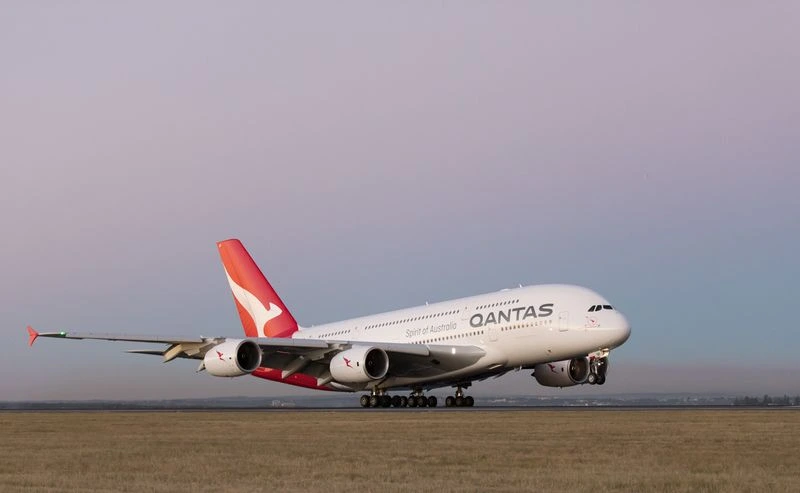
 

Qantas Confirms No Schedule Disruption

The affected Qantas plane, with the registration VH-OQI, flew on March 8 from London Heathrow Airport (LHR) to the German city of Dresden, Germany, where it has remained since, according to global flight tracker FlightAware.

A Qantas spokesman said the plane was in heavy maintenance, and there was “no impact to Qantas flights” from the airworthiness directive. “The aircraft was already in scheduled maintenance and we will comply with any additional requirements as a result of this airworthiness directive,” the spokesman said.

VH-OQI first entered the Qantas fleet in 2011 and is nicknamed after David Warren, an Australian scientist who is best known for inventing and developing the flight data recorder. The aircraft is configured with four classes of service and carries a total of 485 passengers: 14 in first class, 70 in business, 60 in premium economy, and 341 in economy.

Australia’s Civil Aviation Safety Authority backed the European agency’s move and published an urgent airworthiness directive for local airlines. “All European Emergency Airworthiness Directives automatically apply to all Australian registered aircraft and we also distributed the directive to industry today,” CASA said in a statement.

The A380’s History of Wing-Related Safety Directives

The current directive is not the first time the A380’s wing structure has drawn regulatory attention. In 2012, EASA ordered inspections across the fleet after cracks were discovered in wing rib feet, structural brackets that connect the wing ribs to the wing skin. The issue initially affected a limited number of aircraft before inspections were expanded to all A380s in service at the time. Airbus subsequently developed repair and modification programmes to address the problem.

Wing-spar cracking then emerged as a separate concern later in the aircraft’s life. In 2019, Airbus and EASA began addressing cracks in parts of the A380 wing spar structure, initially focused on areas including the outer rear spar on early-production aircraft. That issue became more prominent after the pandemic, when some older A380s returned from extended storage. Emirates reported accelerated wing-spar cracking on some aircraft, prompting Airbus to send engineering support to Dubai and to prepare inspection and repair work at Toulouse.

EASA subsequently widened inspection criteria in 2023, requiring operators to account for “factored time on ground” when assessing aircraft exposure. The regulator’s later directives continued to reference Airbus documentation issued and revised between 2019 and 2023.

What sets this latest directive apart is its focus on the mid spars — the central structural beams running through the internal wing box — rather than the outer components or brackets inspected in years past.

Wing-Related Incidents in Context: A Pattern of A380 Structural Scrutiny

The June 2026 directive arrives against a backdrop of multiple A380 wing-related events across the fleet.

In August 2023, an Emirates A380 operating near Nice, France, suffered abnormal vibrations during approach when its wing slats were deployed. Post-flight inspections revealed extensive slat damage on the right wing. Maintenance teams discovered that the slat’s upper and lower trailing-edge skins were torn across two-thirds of its surface.

Airbus was preparing to issue two service bulletins in January 2026, mandating repetitive inspections of the leading-edge slats during scheduled A and C maintenance checks. These inspections would specifically look for cracks, delamination, and signs of bonding failure to ensure early detection and prevention.

That slat issue resurfaced dramatically in December 2025, when on 7 December 2025, while operating QF11 from Sydney to Los Angeles, passengers reported technical issues and visible wing damage. Upon landing at Los Angeles International Airport (LAX), engineers discovered damage to a leading-edge slat on the left wing, which necessitated the aircraft’s grounding for repairs. Actor and World Poker Tour host Lynn Gilmartin, aboard the plane, captured the issue in an Instagram photo, describing it as a “chunk” peeling away and expressing frustration over perceived safety lapses.

In reporting on the December incident, Stuff noted in its June 2026 coverage that one Australian expert with direct knowledge of the situation described the detected spar cracks as “serious enough if they’ve brought out an emergency airworthiness directive.”

These cumulative wing-related events — spanning slat delamination on multiple carriers and now mid-spar cracking — underscore the increasing maintenance demands that come with an ageing fleet. The A380’s high maintenance and operating costs have already driven several carriers to retire the type entirely.

What This Means for Passengers and Schedules

If you have an upcoming flight on an A380, the most likely impact is a possible aircraft change rather than a cancellation. Airlines routinely substitute aircraft when maintenance requirements pull a jet out of service, and most A380 routes have alternative widebody options available.

Emirates faces the most significant scheduling challenges due to its large fleet size, requiring operational adjustments across its global network. Qantas experiences limited disruption due to the smaller number of aircraft affected and alignment with scheduled maintenance cycles.

Dubai-based Emirates is the most affected by the current mandate, being the world’s largest operator of the superjumbo, operating more than 100 of the type. The plane type first entered service in 2007 and has quickly become synonymous with Emirates and its global network.

For context, Emirates operates some of the world’s longest routes on the A380, including services to Los Angeles International Airport (LAX) and George Bush Intercontinental Airport (IAH) in Houston. Any sustained reduction in A380 availability on these routes would require Emirates to substitute Boeing 777s, which carry fewer passengers per flight.

Could EASA’s Directive for the Airbus A380s Expand?

Regulators have indicated that further actions could follow depending on what the data from this initial 16-aircraft sweep reveals. Whether the newly ordered inspections uncover a wider structural issue remains to be seen. For now, regulators, Airbus and operators are focused on gathering data from the affected aircraft. The results of those inspections will determine whether the latest directive becomes a routine maintenance matter or the beginning of a more extensive structural review of the global A380 fleet.

Additionally, regulatory pressure continues to mount in Europe, with EASA tightening the maintenance requirements relating to the A330, and further concern for the A320 relating to flight control computers and intense solar radiation. Guillaume Faury, Airbus chief executive, has complained about the increased regulation, claiming that “Europe has become too heavy, too slow, too complicated”, and argues that regulation, paired with high energy prices and administrative costs, has undermined the continent’s competitiveness.

The European aviation regulator has confirmed that the issue is limited to a specific production batch of aircraft sharing similar manufacturing characteristics. As a result, enhanced inspection requirements have been introduced to ensure continued airworthiness across affected aircraft.

Operators must report findings to Airbus within seven days. The data gathered from these 16 aircraft will directly inform whether EASA widens the directive’s scope or whether the matter is resolved at the level of a specific early-production batch.

Photo: Julian Herzog ( | Wikimedia Commons

The Broader A380 Fleet Context And Future Outlook

The aircraft entered service in 2007, and Airbus stopped building it in 2021 after delivering 251 planes. It remains hugely popular with passengers and still plays a major role at airlines such as Emirates, British Airways, Singapore Airlines, Lufthansa and Qantas.

Qantas has set a retirement timeline for its iconic Airbus A380 fleet. Flight Global’s reporting confirms the superjumbo is scheduled to leave the fleet from around 2032, replaced progressively by A350-1000s.

Safety regulators emphasize that the directive is precautionary. The inspection requirement exists precisely because authorities want to catch and address any potential issue before it could affect flight safety. The A380 has maintained a strong safety record throughout its operational history.

Leave a Comment

Your email address will not be published. Required fields are marked *

Scroll to Top