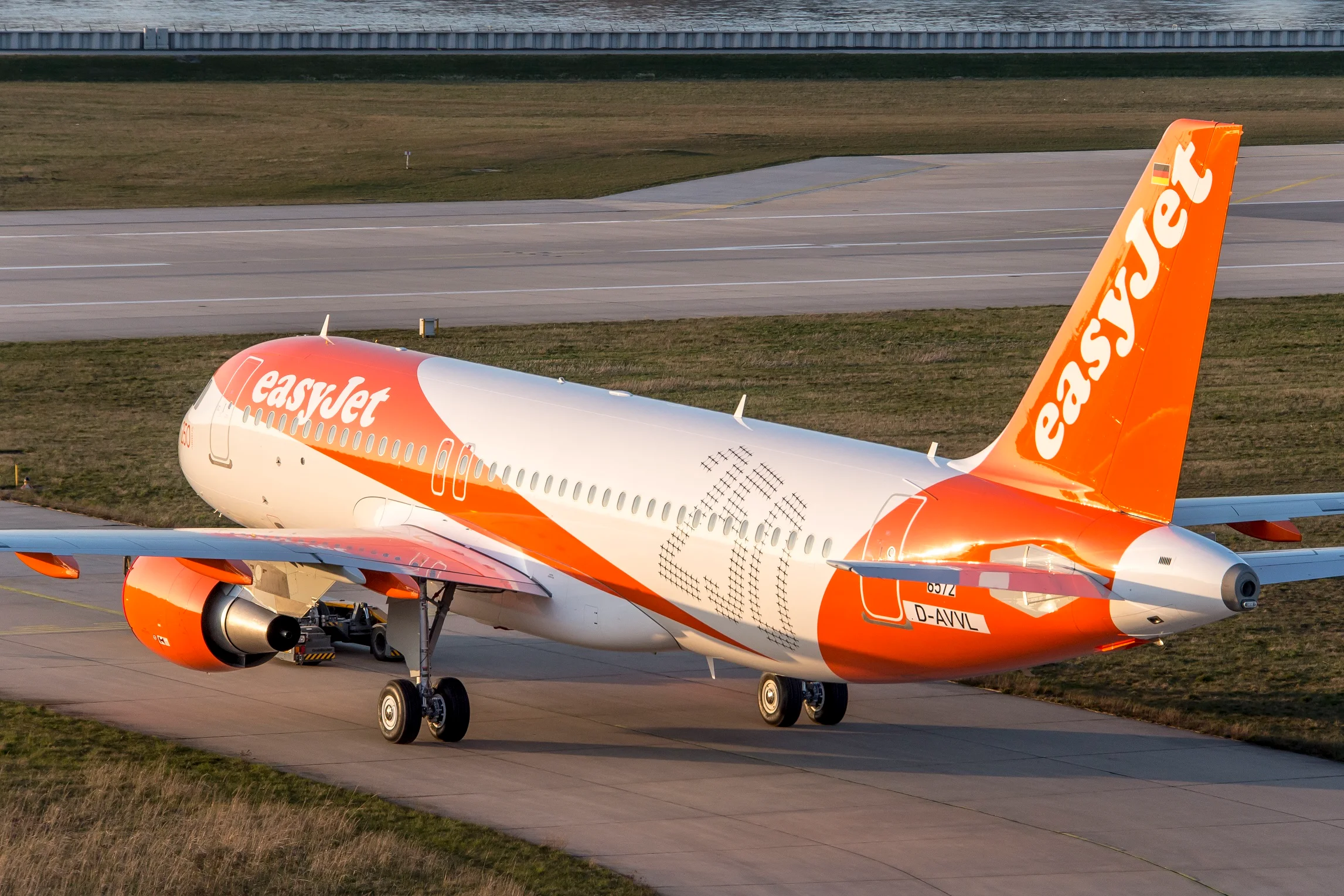
An overbooked easyJet (U2) flight from London Gatwick Airport (LGW) to Tivat Airport (TIV), Montenegro, turned the first day of a newlywed couple’s honeymoon into an unexpected ordeal after they were forced to travel on separate flights. Although the airline has apologized and offered compensation, the incident has renewed attention on airline overbooking practices and the passenger rights that apply when travelers are denied boarding.
Newlyweds Split After Only One Seat Became Available
Andy and Katya Wedlake had planned their honeymoon months in advance and arrived at London Gatwick Airport (LGW) ahead of their scheduled 8:25 a.m. departure to Montenegro on July 26. Their problems began before they even reached the airport. The couple were unable to complete online check-in, and after arriving at Gatwick’s North Terminal they discovered the reason: their easyJetflight had been oversold.
According to Andy Wedlake, airline staff explained that seats would only become available if booked passengers failed to turn up before boarding closed. At the departure gate, easyJet asked for volunteers willing to travel on the following day’s service. One passenger accepted the offer, leaving just a single seat available.
The Wedlakes expected the airline to rebook them together on the next flight. Instead, they were told that one of them had to take the remaining seat. Ground staff reportedly advised the couple that if neither boarded the flight, both passengers would be treated as no-shows, making them ineligible for rebooking assistance and compensation.
To avoid losing their travel arrangements, Katya boarded the aircraft while Andy stayed behind at Gatwick and later returned home to London. He eventually flew to Montenegro the following day, reuniting with his wife around 21 hours later.
The delay effectively cost the couple nearly a full day of their honeymoon.
Airline Explains Why Flight Was Oversold
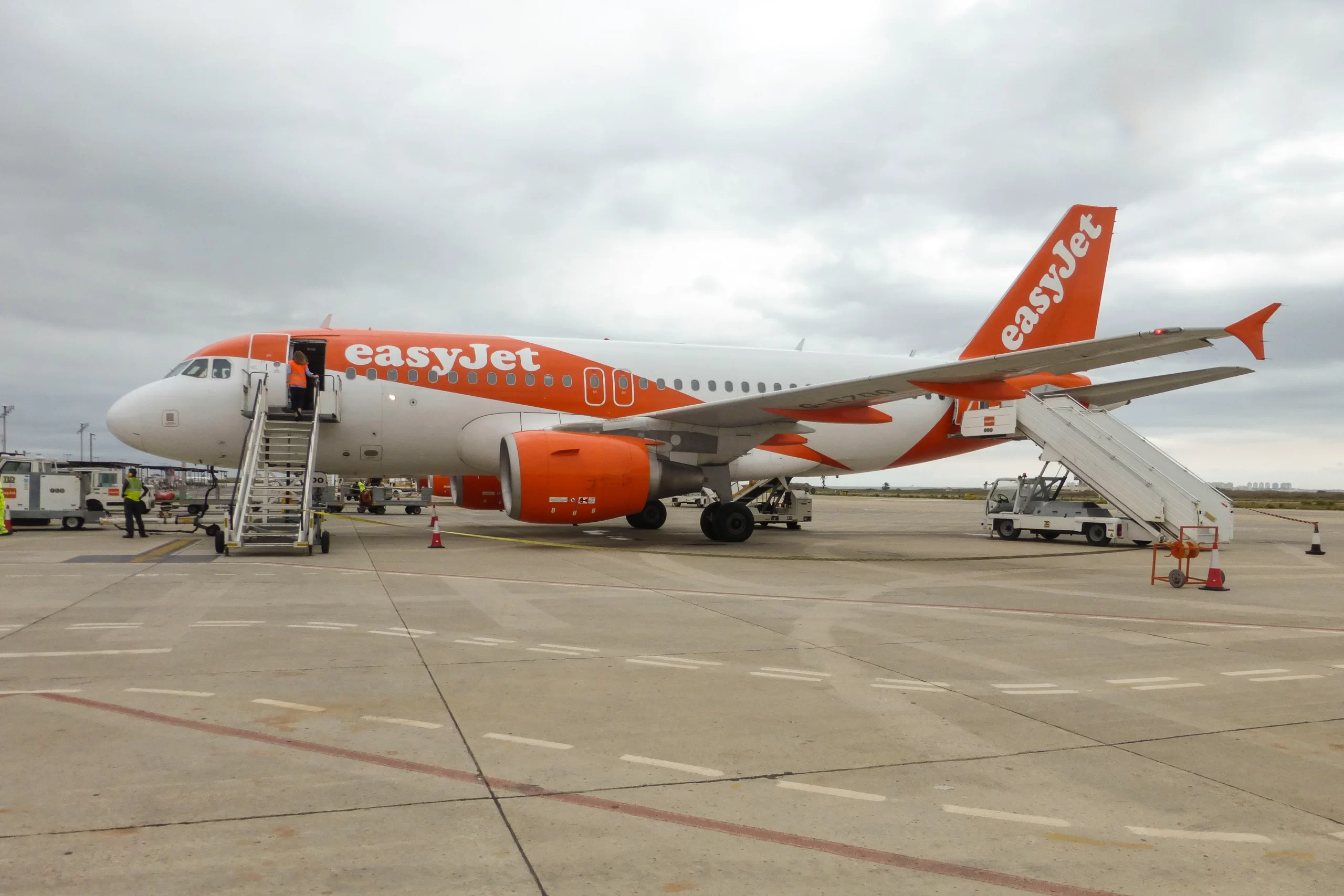
easyJet later contacted the couple to apologize for the experience and confirmed it had provided both the required compensation and an additional goodwill payment. The airline said overbooking affects only a small percentage of its network and is based on historical travel patterns that help estimate how many booked passengers are likely not to travel.
According to the carrier, most overbooked flights ultimately depart without any passengers being denied boarding because expected no-shows usually free enough seats. The airline was quoted in The Telegraph to have said:
“Whilst a seat was available for one passenger, we are sorry that an exception was not made on this occasion to book an alternative flight for them together, especially as it was such a special trip. We have since reached out to Mr and Mrs Wedlake to apologise for their experience, provide the compensation due and offer a gesture of goodwill.”
The airline also noted that it first asks for volunteers to travel later in exchange for compensation before considering involuntary denied boarding. If additional passengers still need to be removed from the flight, priority is generally determined by the order in which customers checked in.
However, easyJet acknowledged that in this particular case greater flexibility should have been exercised, saying the newlyweds should have been allowed to travel together given the circumstances.
Compensation Available Under Passenger Rights Rules
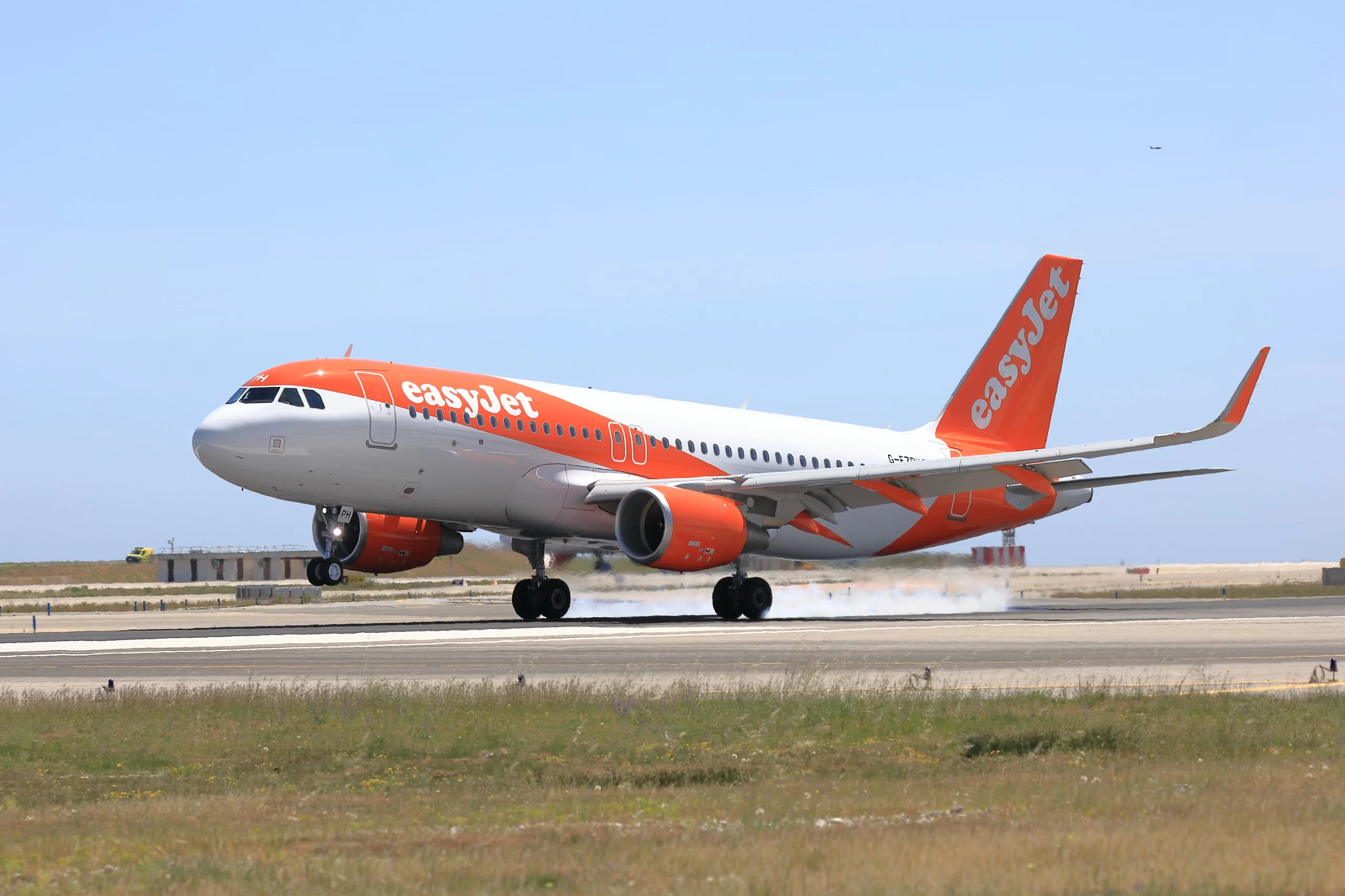
Passengers who are involuntarily denied boarding because of overbooking are protected under UK air passenger rights regulations, provided they meet the eligibility requirements. Andy Wedlake is expected to receive £350 in compensation after being refused boarding.
However, he said the financial payment does little to make up for spending the opening day of the couple’s honeymoon apart, losing valuable holiday time, and dealing with unnecessary stress. He also questioned whether overbooking is appropriate on routes with only one daily flight, especially during the peak summer travel season when passenger no-show rates may be lower:
“For me that doesn’t cover the stress, the sadness of being apart from my new wife, the loss of one full day in Tivat, or the wasted time. I understand easyJet’s terms and conditions allow them to do this kind of thing, but I’m shocked they do it to destinations where they only put on one flight per day – and that they would not be able to predict this flight on a Sunday morning in summer would have a high attendance rate.”
Why Airlines Overbook Flights
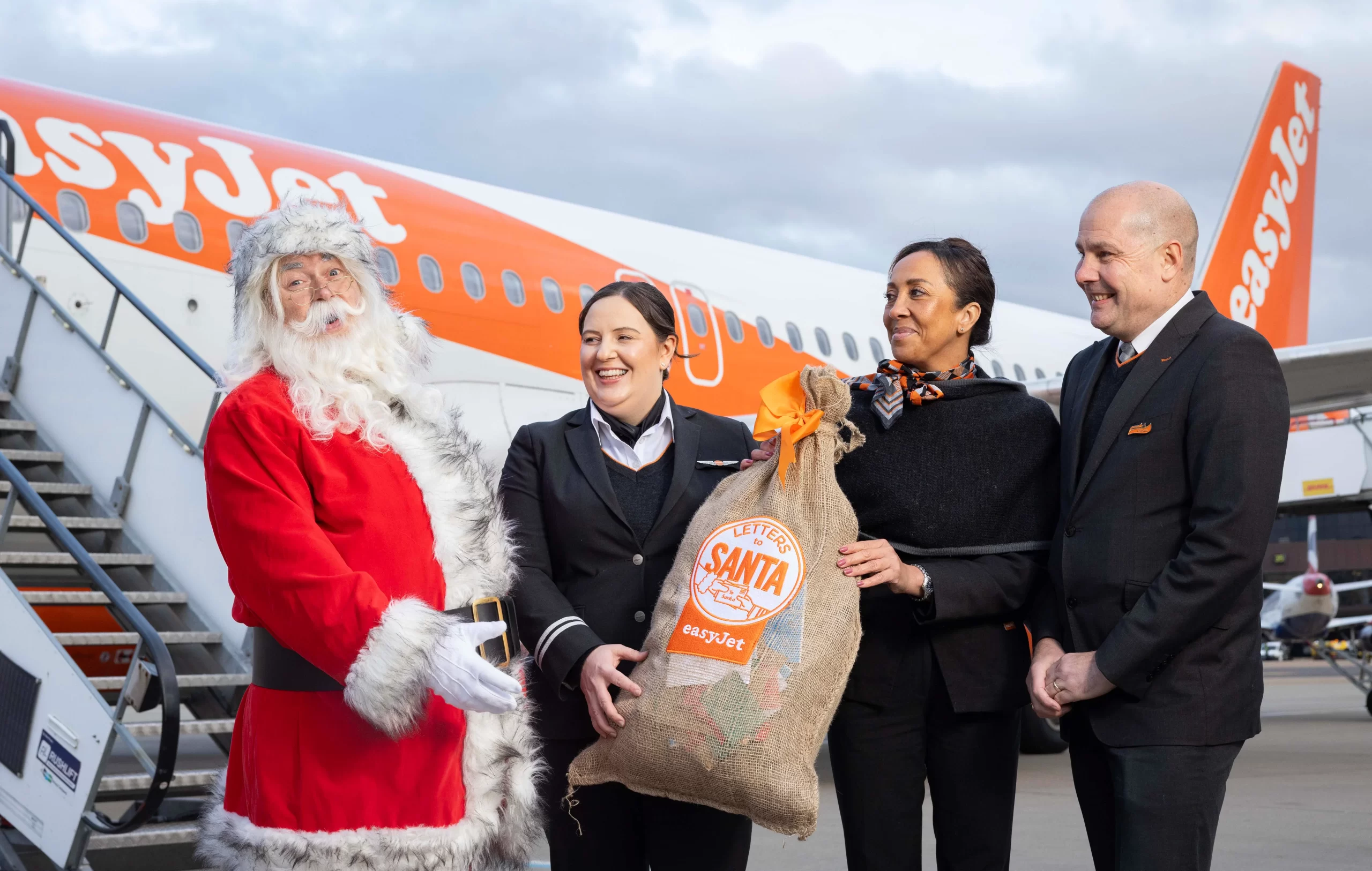
Overbooking remains a widely used revenue management strategy across the airline industry. Airlines rely on historical booking data and passenger no-show trends to determine how many extra tickets they can safely sell without exceeding the aircraft’s seating capacity. In the vast majority of cases, enough passengers fail to show up, allowing every traveler who arrives for departure to board the aircraft.
When all booked passengers do turn up, airlines must either persuade volunteers to take a later flight or deny boarding to some passengers while arranging alternative travel and providing compensation where required.
Not every airline follows this model. UK carriers Jet2 (LS) and Ryanair (FR) have publicly stated that they do not overbook their scheduled passenger flights. The Gatwick incident illustrates how a legally permitted industry practice can still result in difficult situations for travelers, particularly when only one alternative seat is available and later flight options are limited.
