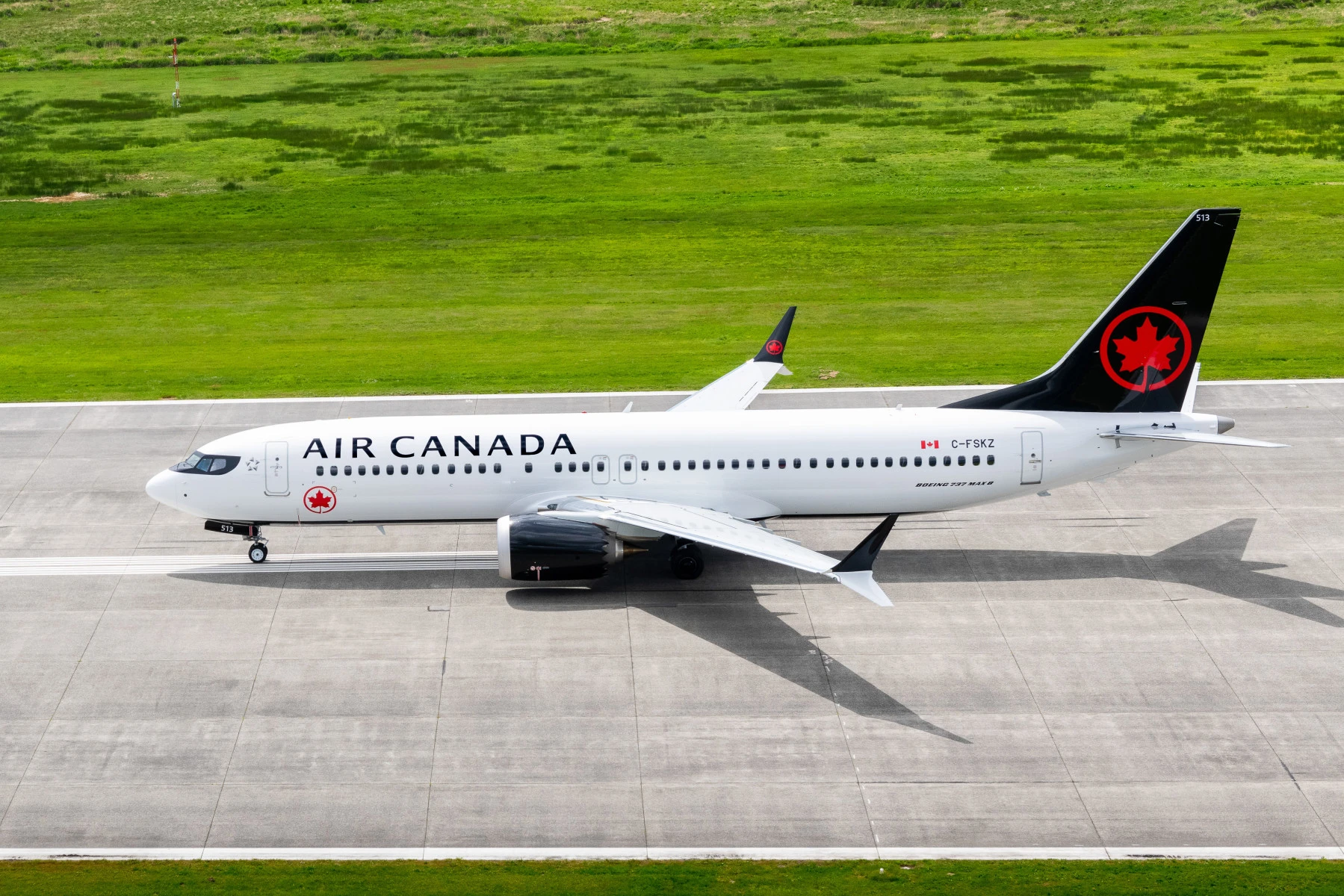
Air Canada (AC) has confirmed it wants to launch scheduled service between Toronto and Lagos, Nigeria, after Canada and Nigeria signed an expanded air transport agreement, according to a report by Simple Flying. The airline said it intends to begin flights in 2027 and has started the process of seeking the government approvals needed to operate commercial service to Nigeria.
The move would open Air Canada’s only African route from Toronto Pearson International Airport (YYZ) and give the carrier a first-mover position in one of North America’s largest underserved point-to-point markets. No airline currently flies nonstop between Canada and Nigeria, forcing passengers onto connecting itineraries through Europe, the Middle East or North Africa.
Canada and Nigeria Sign Expanded Air Pact Clearing the Way for Direct Flights
The Canada-Nigeria Air Transport Agreement was originally negotiated as a code-share-only arrangement in 2014 and formally signed in March 2025. Officials from both governments signed an expanded version of the deal in Abuja on August 6, marking the first major revision in more than a decade. The new agreement authorises up to 14 weekly passenger flights and 10 weekly cargo flights between the two countries, and lets each government designate multiple airlines to operate scheduled service.
Key details of the expanded agreement include:
- Multiple designated airlines permitted from each country, ending the prior single-carrier restriction.
- Up to 14 weekly passenger flights and 10 weekly all-cargo flights.
- Fifth freedom cargo rights, allowing flights that begin or end in the airline’s home country to serve a third destination.
Mary-Jane Lorette, Air Canada’s vice president of revenue management, partnerships and international affairs, said the carrier looks forward to obtaining the necessary approvals to begin Lagos service in the coming year. Nigeria is now Canada’s third-largest bilateral air market in Africa behind Morocco and Algeria, and more than 25,000 Nigerians held Canadian study permits as of March 31, 2026.
A Market too Big to Ignore
Behramjee Ghadially, a senior airline network planner and African aviation specialist, said on LinkedIn that the Toronto–Lagos corridor carried around 115,000 round-trip passengers last year, or roughly 315 people a day.
He described it as the largest Nigeria–North America market by point-to-point local demand, a figure that reportedly exceeds even the New York–Lagos corridor despite Delta Air Lines already flying nonstop between John F. Kennedy International Airport (JFK) and Murtala Muhammed International Airport (LOS) in Lagos.
Every one of those Toronto-area passengers currently has to connect elsewhere. Air France, EgyptAir, Ethiopian Airlines, KLM and Royal Air Maroc together carry nearly seven in ten of them, routing travellers through Paris, Cairo, Addis Ababa, Amsterdam or Casablanca. Ethiopian Airlines (ET) in particular has built a substantial share of this indirect traffic through its Addis Ababa hub, underscoring how much connecting demand a nonstop Air Canada service could recapture.
Delta’s nonstop JFK–Lagos service remains the only direct link between the two countries from North America today, giving the US carrier a head start in the corridor that Air Canada would now be looking to match from the Canadian side. That gap, combined with the size of the underserved Toronto market, strengthens the case for Air Canada to move quickly once its regulatory approvals are in place.
What Air Canada Would Need to Fly the Route
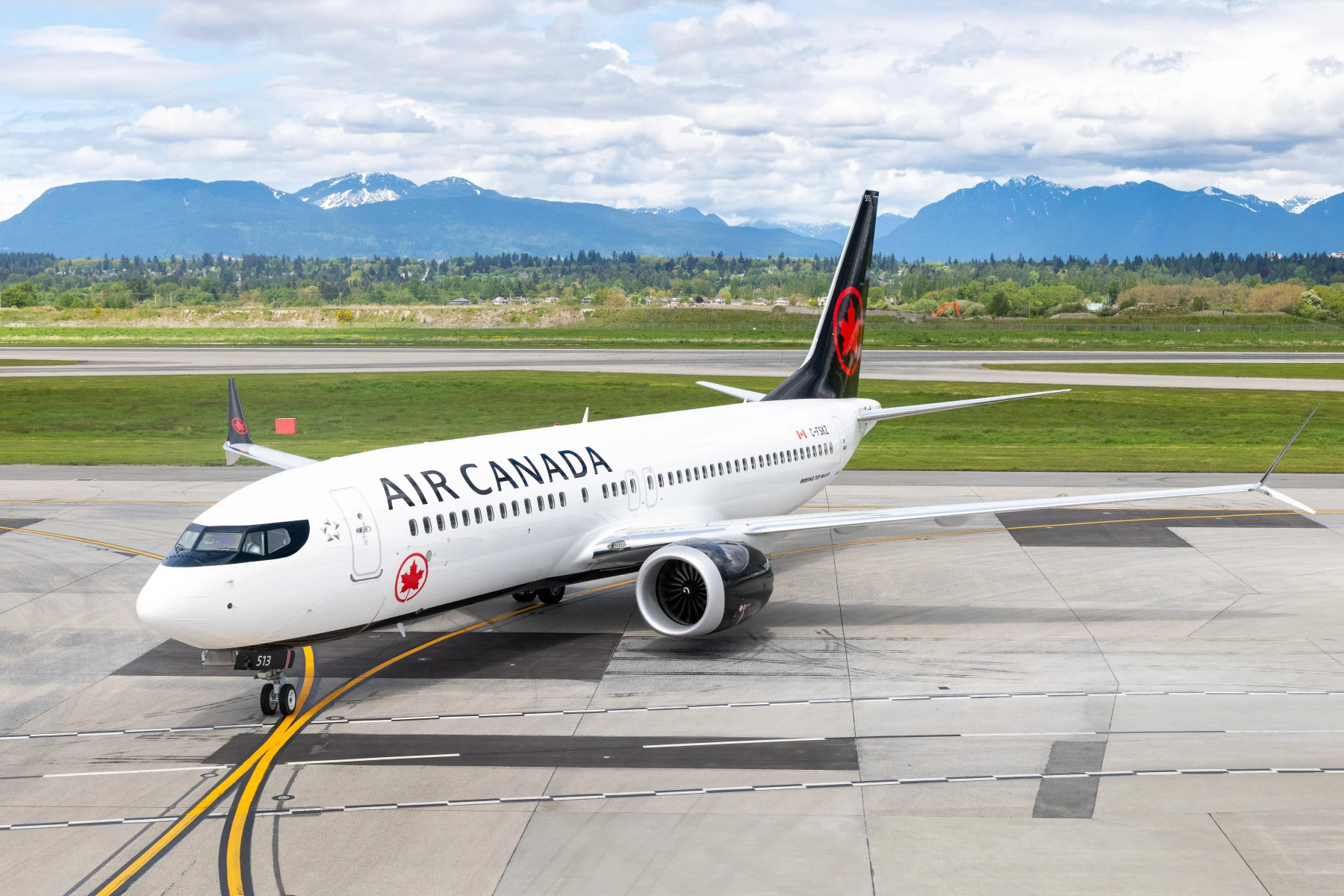
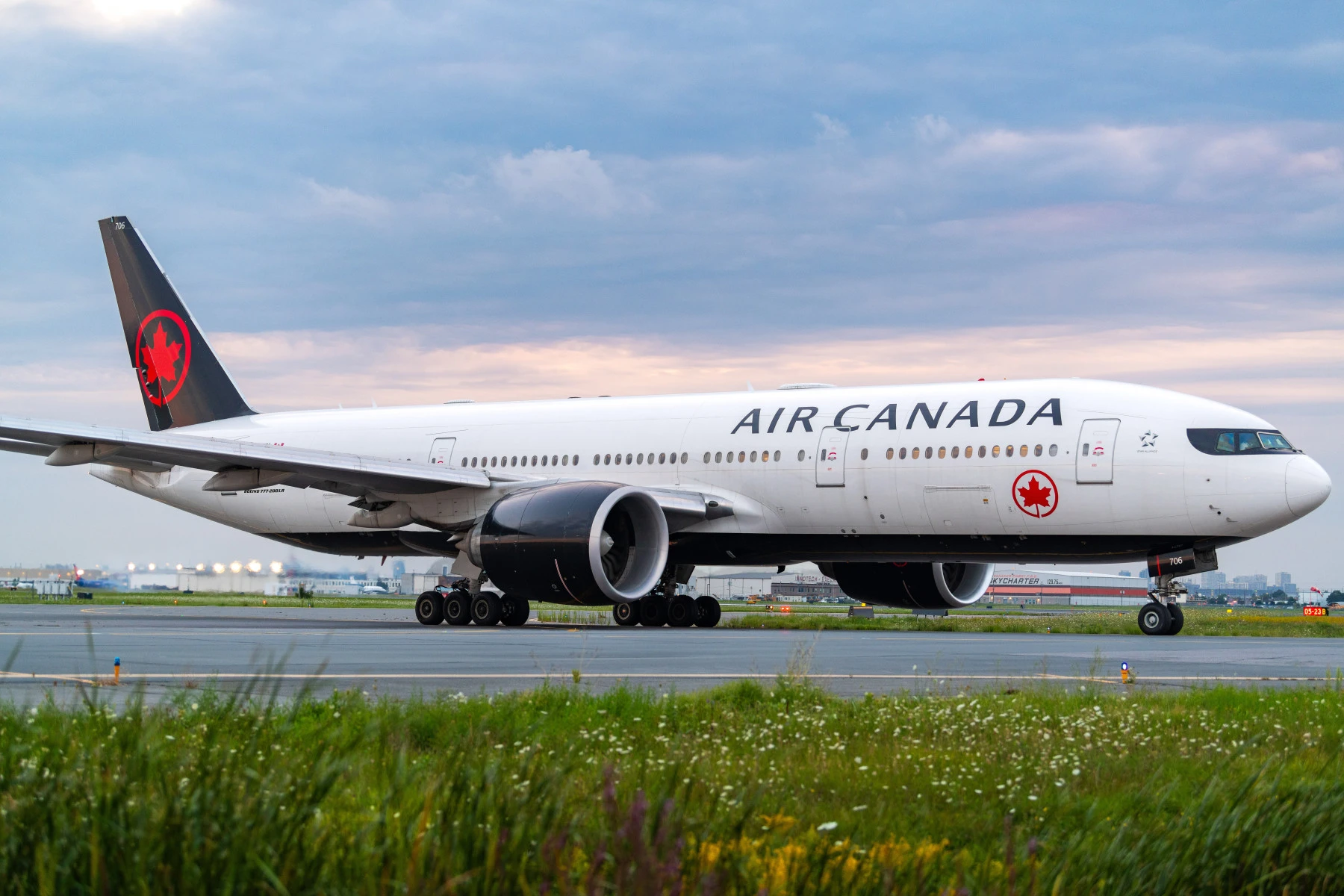
Air Canada has not yet announced an aircraft type or specific launch date for Lagos, and confirmed only that it hopes to begin flights in 2027 once regulatory approvals are secured. The distance between Toronto and Lagos runs to roughly 5,600 nautical miles, a range that points toward the carrier’s widebody fleet of Boeing 787 Dreamliners rather than its growing roster of narrowbody long-haul aircraft.
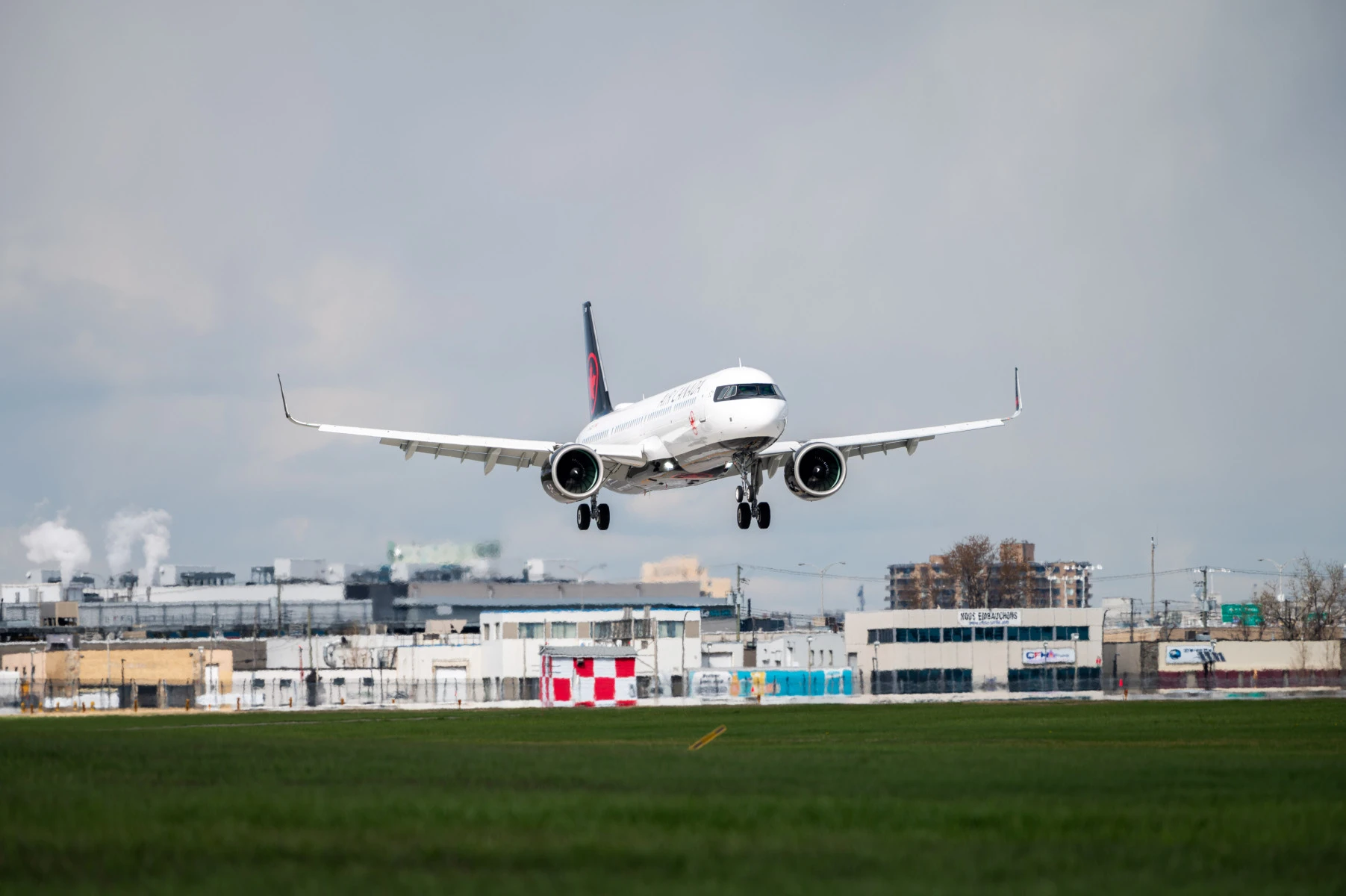
That narrowbody fleet has nonetheless reshaped how Air Canada approaches thinner long-haul markets elsewhere. The carrier has used its Airbus A321XLR to open new transatlantic corridors this year, including Montreal to Dublin, Toulouse and Lisbon, relying on the jet’s lower operating costs to make routes viable that would struggle to fill a widebody.
Whether a similar narrowbody strategy could ever apply to West Africa remains unclear, given the distance involved and Air Canada’s current lack of any A321XLR route beyond the North Atlantic.
A Different Story on the Other Side of Air Canada’s Network
The prospective Lagos launch stands in sharp contrast to developments elsewhere in Air Canada’s long-haul map. The carrier confirmed this month that its suspended nonstop service to Dubai and Tel Aviv will not resume before mid-January 2027, having already pushed the restart date back twice since the routes were first halted on March 2, following the outbreak of the Iran conflict in late February.
The carrier has faced its own share of domestic labour and network disruptions this year, including a possible customer service agents’ strike that loomed over contract talks earlier in 2026, a reminder that expansion plans abroad continue alongside operational pressures at home.

Why the Timing Lines Up Now
The bilateral capacity expansion also arrives as Canada’s Nigerian community continues to grow. Federal officials have pointed to Brampton, Ontario, home to one of the largest Nigerian Canadian populations in the country, as an example of the strength of the two nations’ people-to-people ties.
Nigeria’s population of more than 237 million and its status as one of Africa’s largest economies have made it an increasingly visible gap in Air Canada’s route map, particularly as rival hubs in Europe and the Gulf continue capturing the bulk of connecting traffic.
The Toronto-based conference “Invest Nigeria, Thrive Abroad,” running August 12 to 15 in Toronto, underscores how commercial and diaspora interest in the corridor is building well ahead of any formal route announcement. That backdrop gives Air Canada a clear commercial rationale for prioritising Lagos even as it works through the regulatory steps needed to launch service.
All in All
Air Canada’s Lagos plan remains an intention rather than a confirmed launch. The carrier still needs approval from Canadian and Nigerian regulators, has not announced an aircraft type, and has not published a specific 2027 start date.
Given the size of the underserved market and the fresh bilateral capacity now available, however, industry watchers expect Air Canada to move relatively quickly to formalise the route once approvals are in place.