Northrop Grumman has opened a new engineering facility at its Melbourne, Florida campus, adding space for more than 1,200 engineers and 17 secure laboratories dedicated to sixth-generation aircraft work. The company unveiled the roughly 28,000-square-metre building in early August 2026, weeks before the US Navy is expected to name the winner of the F/A-XX program, a contract to replace the Boeing F/A-18E/F Super Hornet fleet on American aircraft carriers, according to a report by Australian Aviation.
The expansion is a direct pitch to naval leadership. According to Australian Aviation, Northrop Grumman and Boeing are the last two companies competing for the F/A-XX engineering and manufacturing development contract, after Lockheed Martin was eliminated from the race in 2025. Chief of Naval Operations Adm. Daryl Caudle has said the Navy intends to announce its choice this month, closing out a competition that has already survived a year of funding fights and White House hesitation.
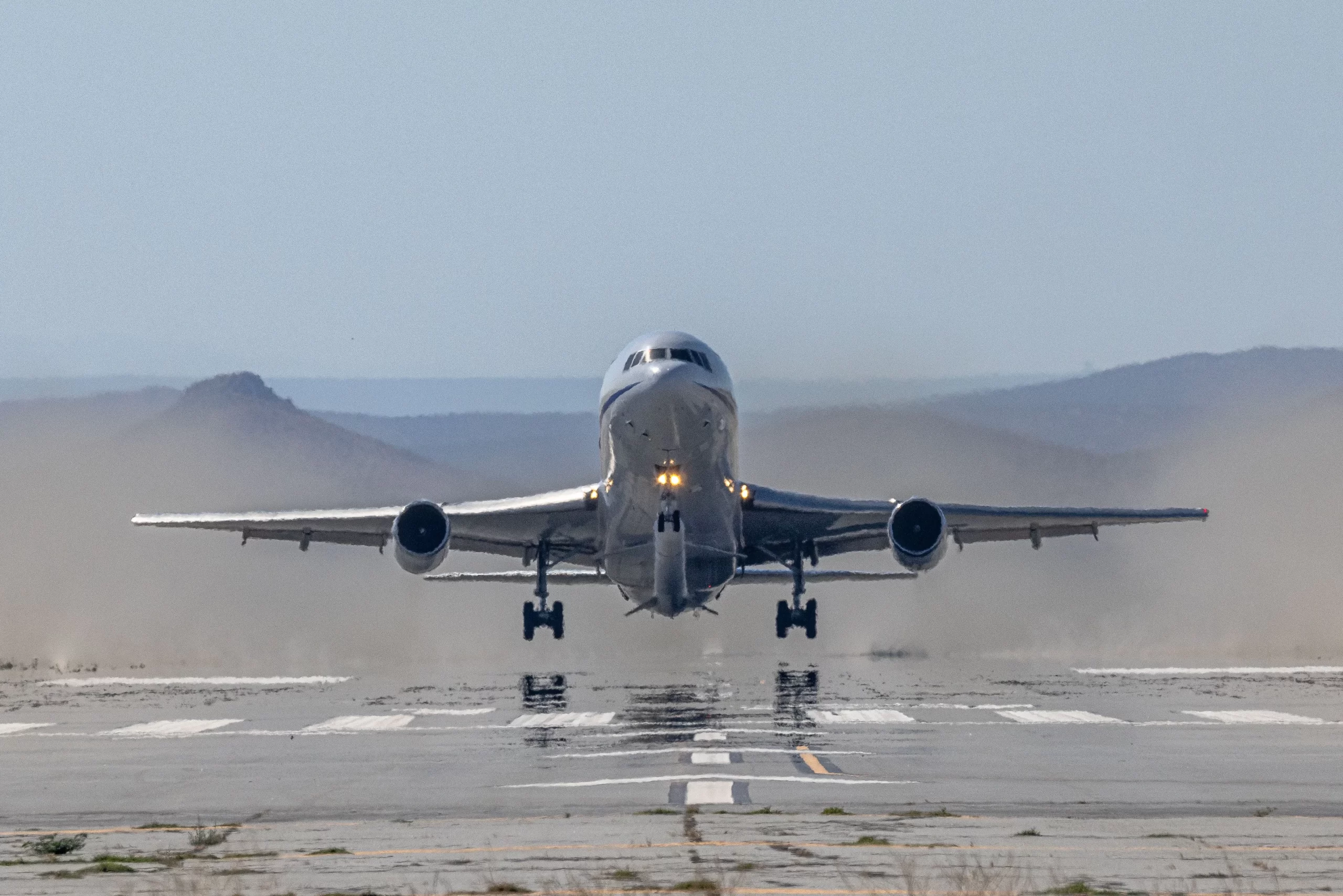
Northrop Grumman Opens 300,000-Square-Foot Melbourne Engineering Site
The new building sits inside Northrop Grumman’s broader 2 million-square-foot Melbourne campus, which already employs about 5,000 people. Company officials marked the opening with an employee event attended by federal, state and local leaders, including a Florida state senator and a member of Congress.
Tom Jones, corporate vice president and president of Northrop Grumman Aeronautics Systems, framed the investment as proof of the company’s staying power in Florida. “This facility reinforces Melbourne as the epicentre of sixth-generation aircraft,” he said. Jones added that the site would soon host engineers working on programs the company cannot yet discuss publicly, a line meant to underline how directly the buildout is tied to the F/A-XX bid.
Facility Adds 1,200 Engineering Seats And 17 Secure Labs
The Melbourne site joins a cluster of Northrop Grumman facilities across the state, including the company’s aircraft assembly plant in St Augustine and its microelectronics site in Apopka. Company figures put its Florida workforce at nearly 8,000 people, supported by more than 500 suppliers statewide.
Key features of the new engineering building include:
- Roughly 300,000 square feet (28,000 square metres) of floor space
- Capacity for more than 1,200 engineers
- Seventeen secure laboratories for classified aircraft design work
- Direct integration with Northrop Grumman’s existing Melbourne campus, which also supports the E-2D Advanced Hawkeye program
Northrop Grumman has not confirmed which specific programs will run out of the new labs. The company said the site reflects a longer pattern of investment rather than a single contract bet, though the timing lines up closely with the F/A-XX decision window.
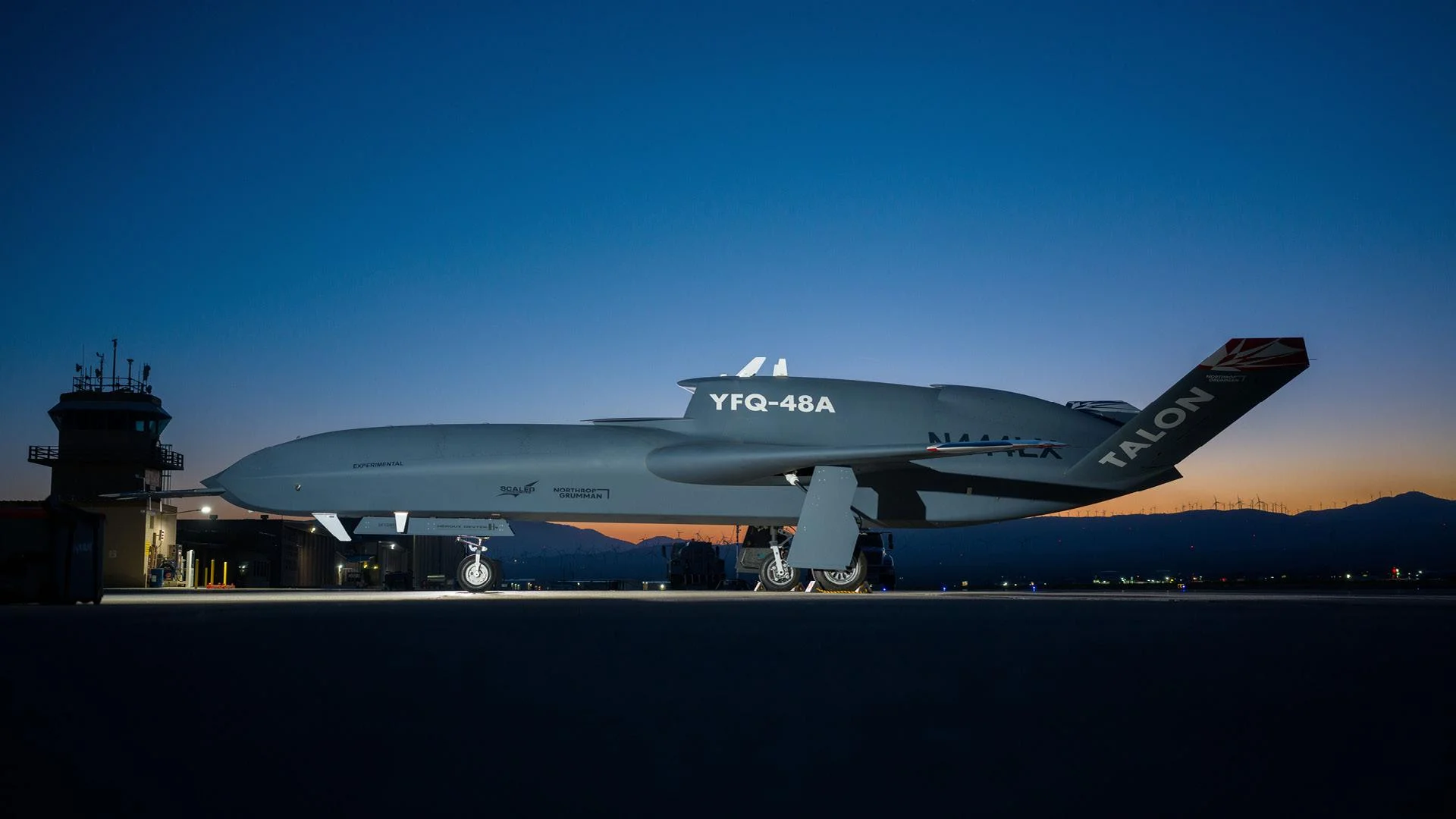
F/A-XX Contest Comes Down to Northrop Grumman and Boeing
The F/A-XX program is meant to replace the Super Hornet and complement the Lockheed Martin F-35C aboard US carriers from the 2030s onward. The Navy wants a stealthier jet with longer range, built to launch strikes from outside the reach of adversary anti-ship missiles while directing swarms of uncrewed collaborative combat aircraft.
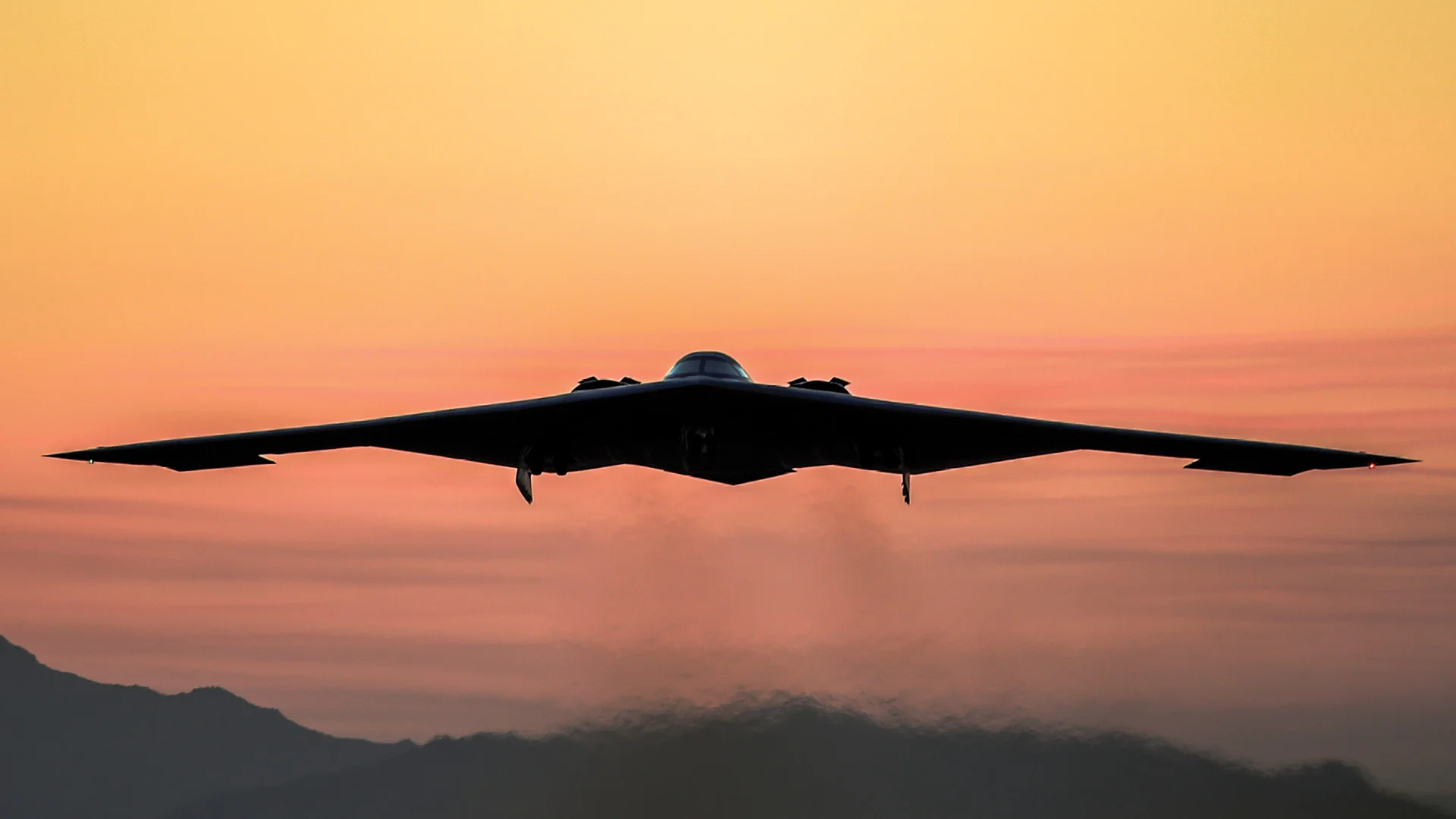
Northrop Grumman’s pitch borrows heavily from its work on the B-21 Raider stealth bomber, another program the company is building for the US Air Force. Its proposed F/A-XX design uses a tailless, broad-spectrum stealth airframe with dorsal engine intakes intended to defeat low-frequency radar. Rather than prioritising close-in dogfighting, the jet is designed to act as a networked command node for autonomous aircraft operating ahead of the carrier group.
Boeing, meanwhile, is offering what is widely described as a navalised version of its F-47 design, the aircraft it is already building for the US Air Force under a contract awarded in March 2025. That overlap is central to the Pentagon’s hesitation: placing both sixth-generation fighter contracts with one company would break with decades of Pentagon practice on spreading fighter production across competing primes.
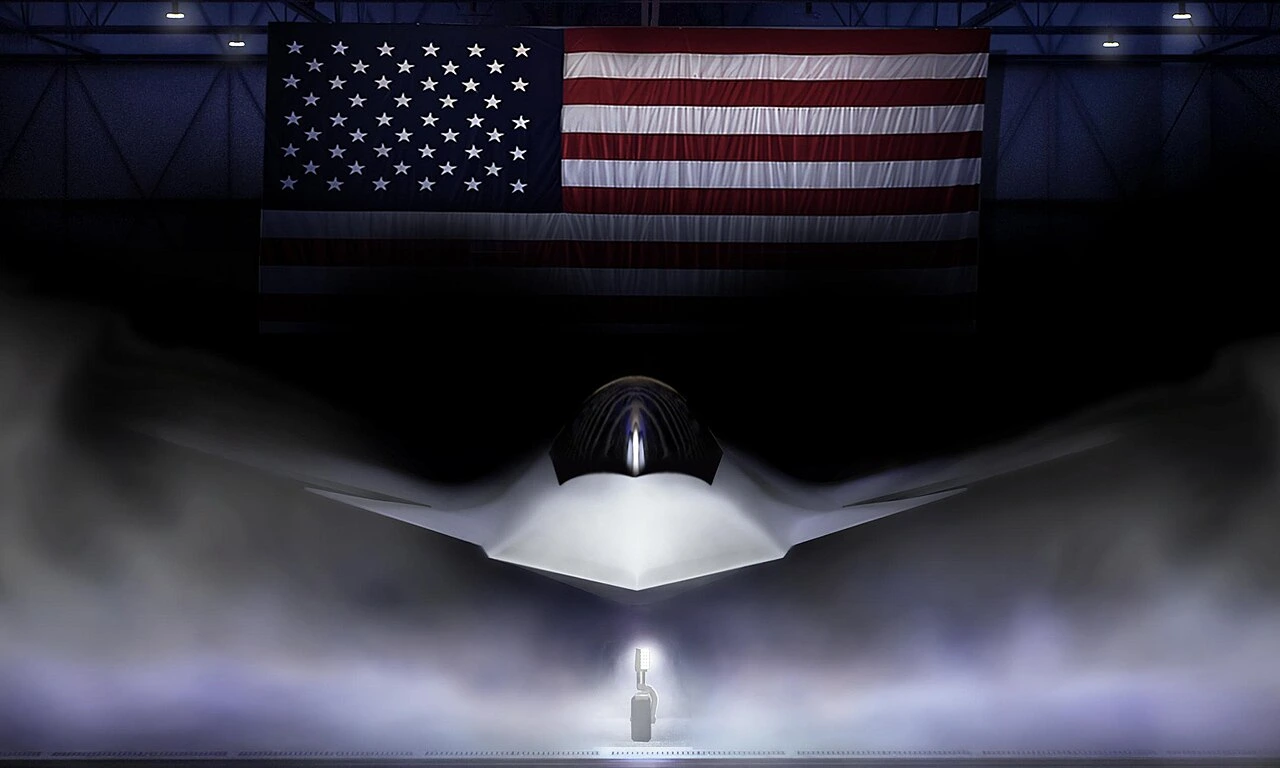
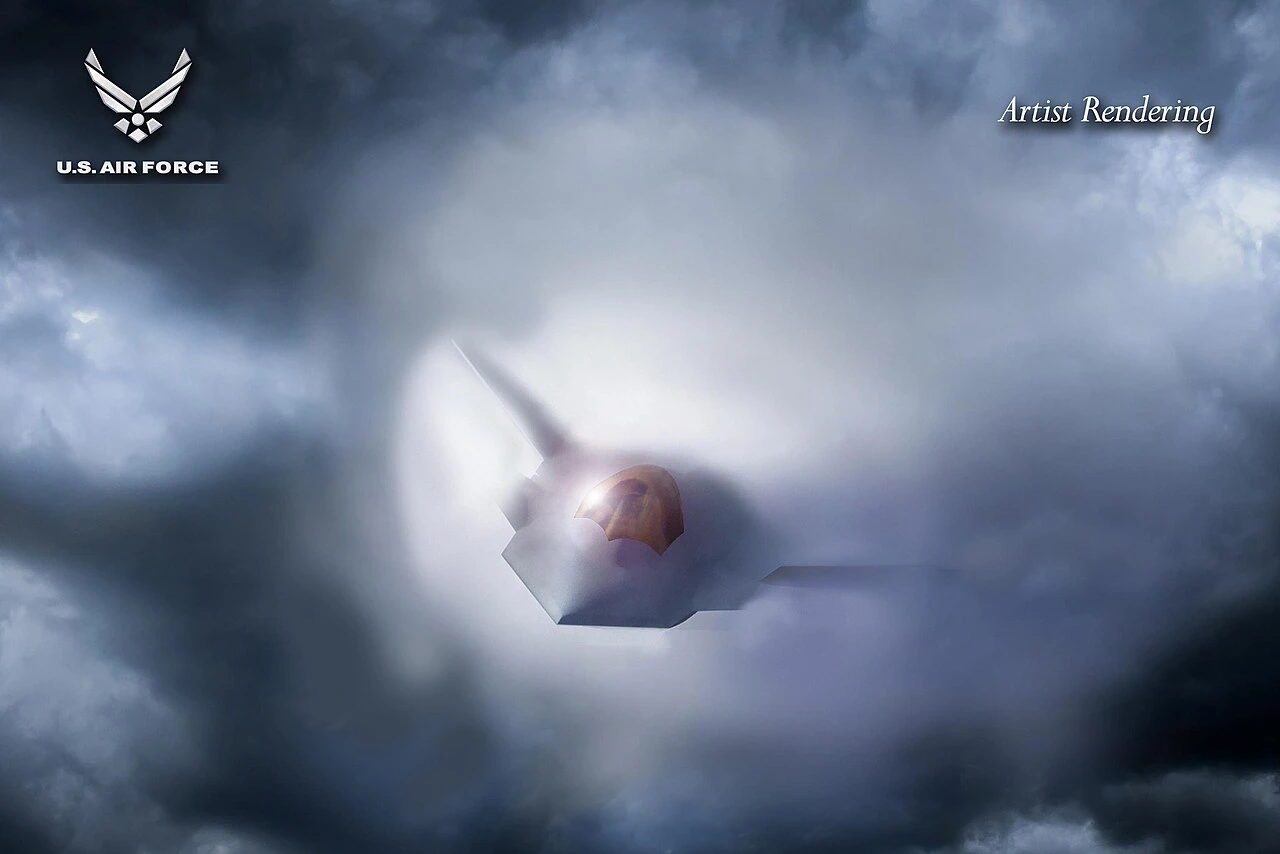
The Navy has kept the actual F/A-XX design under wraps. Officials have not released renderings of either company’s finished proposal, and both firms have shown only limited concept art and short promotional videos so far. What is public is the requirement behind the jet: a carrier-based aircraft with enough range and payload to keep the fleet’s flat-tops out of range of long-range Chinese anti-ship missiles, while still operating from the same decks as the F-35C and future uncrewed wingmen.
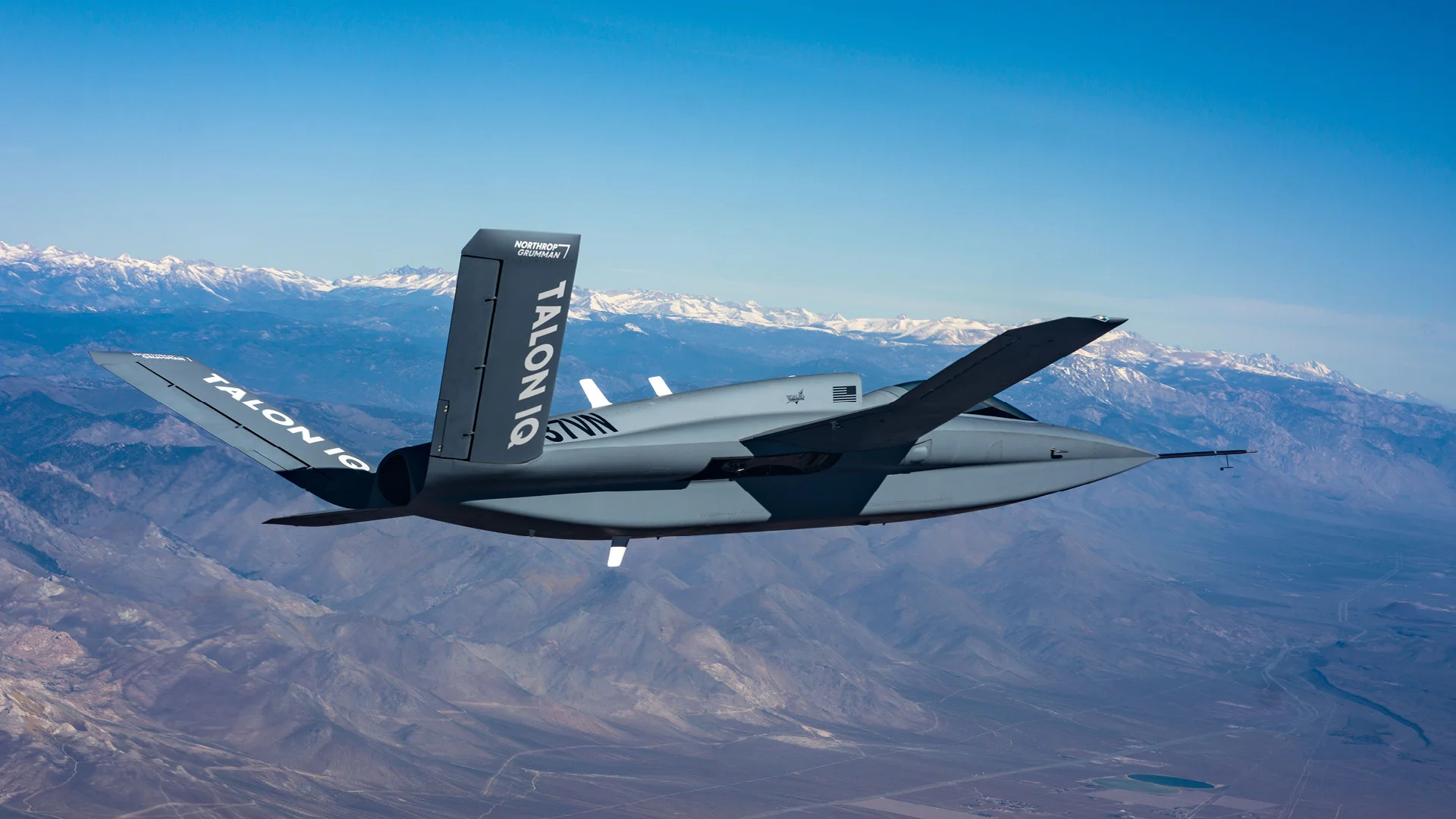
How Northrop’s Bid Compares with Boeing’s F-47-Based Design
The two companies are approaching the contest from different positions of risk. Northrop Grumman has not built a fighter jet for the Pentagon in more than 50 years, but its B-21 program has stayed broadly on schedule, a point CEO Kathy Warden has repeatedly raised in earnings calls. “We are confident in our ability,” Warden told investors when asked about the Navy’s expected August timeline.
Boeing brings a stronger recent fighter pedigree, having built the Super Hornet, the Growler, and now the Air Force’s F-47. But that same track record raises the industrial-base question the Pentagon has wrestled with since 2025, when officials floated shelving F/A-XX altogether over concern the sector could not support two new sixth-generation jets at once. Adm. Caudle has said one of the two bidders currently lacks the capacity to deliver the aircraft on the Navy’s preferred timeline, without naming which company he meant.
Program Survived a Year of Funding Fights Before the August Decision
F/A-XX has moved forward in fits and starts. The Navy’s fiscal 2026 budget request asked for only $74 million for the program, a figure widely read as a sign the Pentagon wanted to slow-walk the effort behind the Air Force’s F-47. Congress pushed back, adding nearly $900 million above that request through the defence appropriations bill and directing the Navy to proceed with a single engineering and manufacturing development award.
That intervention, combined with roughly $750 million allocated separately to support the down-select, effectively forced the Pentagon’s hand. House appropriators said as recently as June 2026 that they remained doubtful the Navy would hit its August target, underscoring how often the program’s stated deadlines have slipped before.
What A Northrop Win Would Mean for Naval Aviation
A Northrop Grumman win would mark the company’s first fighter production contract in over five decades, shifting a meaningful share of naval fighter work away from Boeing for the first time since the Super Hornet entered service. A Boeing win would instead concentrate both of the Pentagon’s next-generation fighter programs inside a single contractor, a scenario defence officials have previously called into question on competition grounds.
Either outcome carries consequences beyond the immediate contract value. Northrop Grumman has said a win would bring upside to its sales and earnings guidance and would become a top company priority, language that signals just how much weight the firm is placing on the Melbourne investment paying off in the coming weeks.
The stakes extend past the two companies as well. Whichever firm wins gets to define what launches off American carrier decks into the 2050s, while the loser is left watching a rival set the pace for naval aviation for a generation. With FY2027 funding for the program currently pegged at just $140 million against the F-47’s multibillion-dollar backing, the Navy’s ability to keep F/A-XX moving at speed once a winner is picked will depend heavily on Congress sustaining the same level of intervention it has shown over the past year.