Air India flight AI2379, flying from Phuket to Delhi, hit turbulence during cruise on 4 August, injuring 12 people on board, according to a report by NDTV. The injured included two crew members among the 134 people on the flight. The aircraft landed safely in Delhi, and all passengers and crew disembarked without further incident.
Air India (AI) confirmed the flight experienced “a brief in-flight turbulence-related event during cruise, resulting in a momentary change in altitude.” The airline said there were no serious injuries and that a small number of passengers and crew with minor injuries were taken to a medical facility at Delhi airport for precautionary assessment.
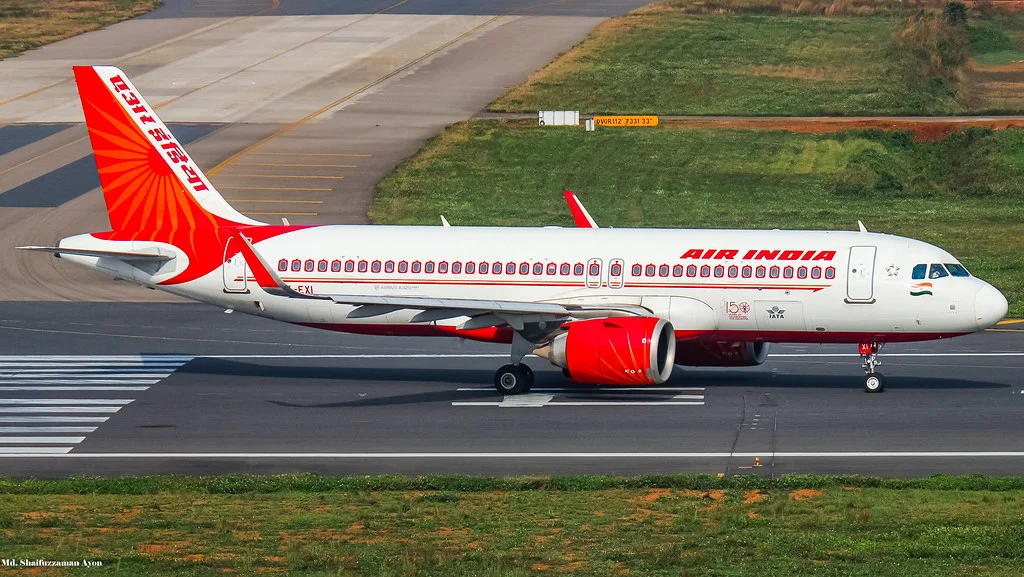
A Near 8-year-Old Aircraft Might Have Suffered Turbulence
Air India’s statement described the event as brief and limited to a cruise-phase altitude change rather than a prolonged encounter. The airline said its airport team and medical personnel handled the affected passengers and crew directly at the terminal. It added that it is cooperating with the relevant authorities as part of the investigation into the incident.
There was also some damage to the aircraft, though Air India has not detailed its extent. The aircraft, which was most likely involved in a bout of turbulence, is registered VT-EXO. According to data from planespotters.net, Air India’s VT-EXO is an Airbus A320neo built at Airbus’ Toulouse (TLS), France, production facility with manufacturer serial number (MSN) 8470. The 7.8-year-old aircraft was first test-registered as F-WWIR before being delivered to Air India in November 2018.
The jet entered commercial service on November 27, 2018, after its delivery flight from Toulouse to Delhi on November 21–22, 2018. The aircraft was originally configured with 12 Business Class and 150 Economy Class seats (C12Y150). However, it was was reconfigured in October 2025 to Air India’s current three-class layout of 8 Business, 24 Premium Economy, and 132 Economy seats (C8W24Y132). VT-EXO also carries a distinctive Star Alliance special livery.
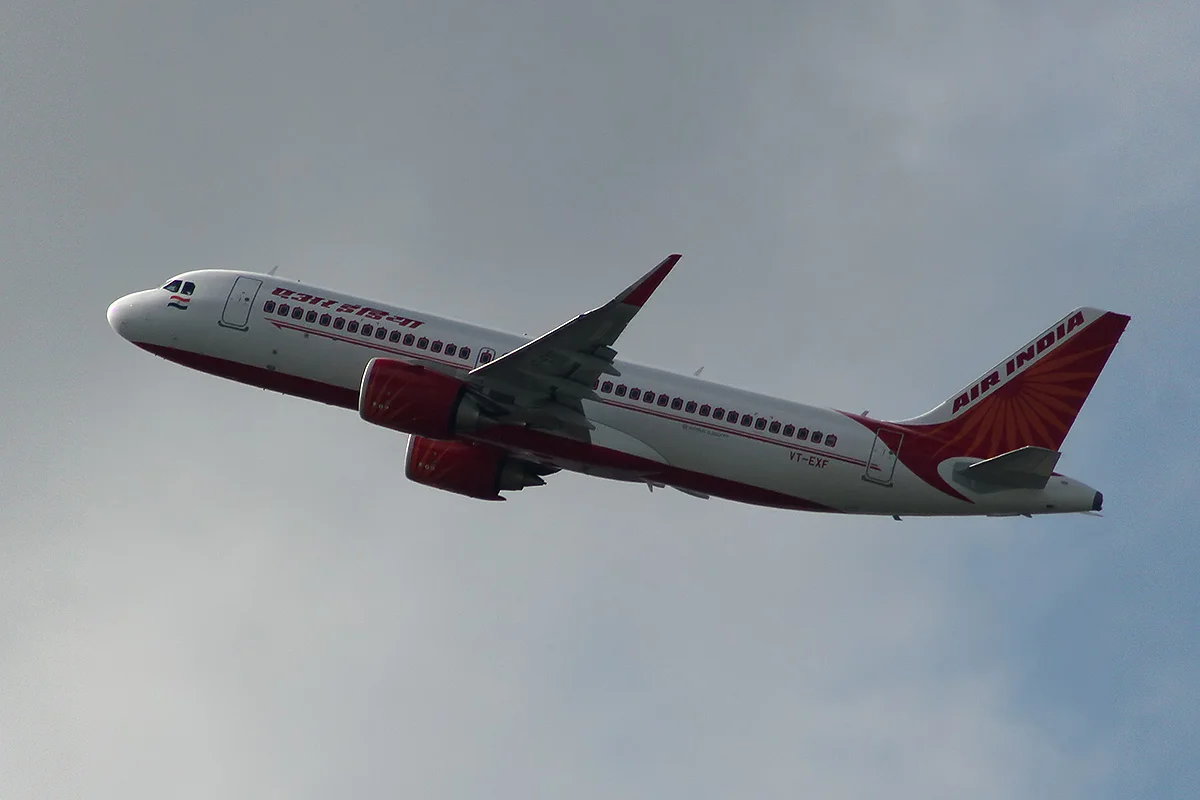
Passengers Describe a Sudden Drop
Accounts from those on-board point to a sharper jolt than the airline’s own wording suggests. One passenger said the aircraft suddenly dropped in altitude, causing them to hit their head on the cabin roof before falling. Another traveller told ANI the aircraft shook for two to three minutes roughly ninety minutes into the flight, describing a chaotic scene with dozens of passengers hurt in the following way:
It had been an hour and a half since the flight. It was early morning. We were sleeping inside the flight. The flight suddenly stopped while moving and turned around…it kept moving like this for 2-3 minutes…15-20 passengers got injured…there were more than 100 people in the flight…70 to 80 per cent of the people got injured…we will 100 per cent take action.”
Passenger estimates of the injury toll ran well above Air India’s own count, with one traveller telling ANI that 15 to 20 people were hurt. Air India’s official figures have not moved beyond the 12 injuries first reported, a gap common to turbulence incidents where in-cabin chaos makes on-the-spot estimates unreliable compared with the confirmed medical assessments that follow.
The airline’s spokesperson quoted in Republic News added that the aircraft landed safely and all passengers and crew had safely disembarked:
“There have been no serious injuries as of now. A small number of passengers and crew members with minor injuries requiring medical assessment have been taken to a medical facility at the airport for precautionary examination and care by Air India’s airport team and medical personnel”
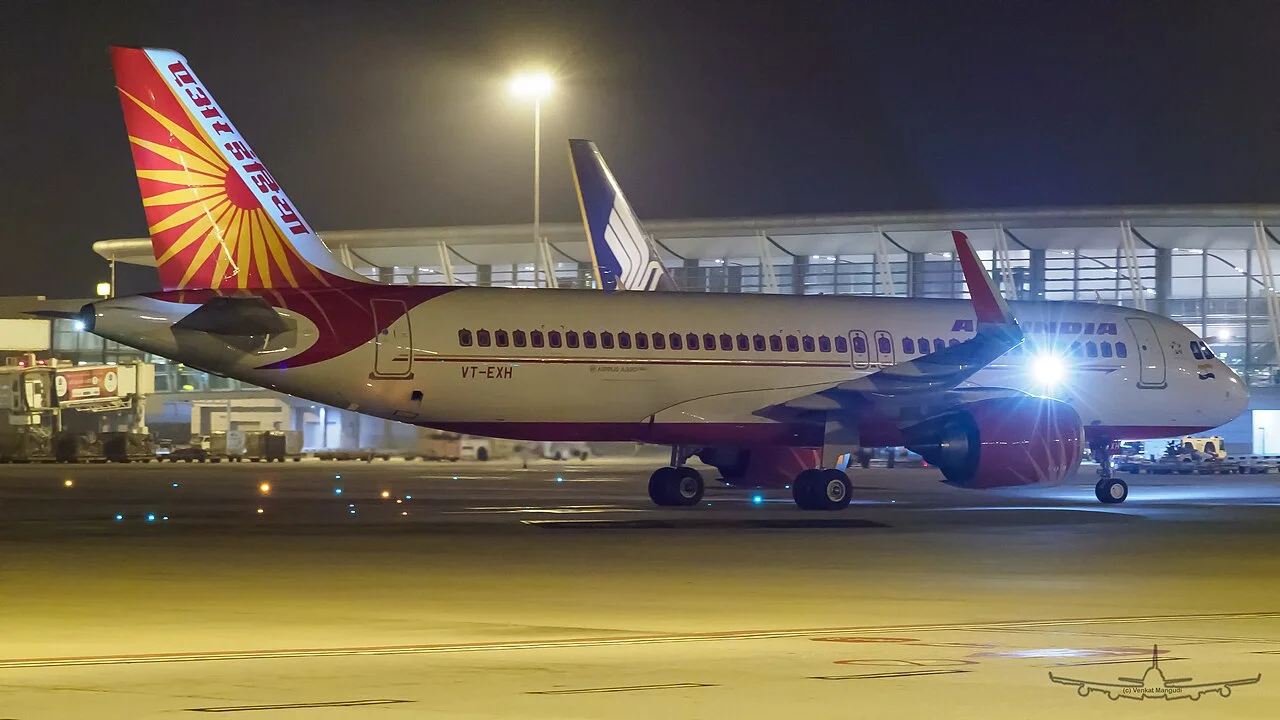
What Turbulence Actually Is
Turbulence is chaotic, irregular air movement that causes sudden, unpredictable changes in an aircraft’s motion. Modern aircraft are engineered to withstand forces well beyond anything they typically encounter in flight, with wings tested to 150% of their expected maximum load before failure. The last commercial jet crash caused by turbulence alone was BOAC Flight 911 in 1966, when a mountain wave rotor near Mount Fuji exceeded the aircraft’s structural limits.
Injuries, rather than structural failure, are the real risk turbulence poses today. Cabin crew are 24 times more likely than passengers to be hurt in a turbulence event, since they spend more time moving through the cabin unrestrained, and most serious passenger injuries involve people who were not wearing a seatbelt.

Why Clear-Air Turbulence Is Increasing
The type of turbulence most likely to catch a cruising aircraft off guard is clear-air turbulence, generated by wind shear at jet stream altitudes and invisible to weather radar. Severe clear-air turbulence over the North Atlantic increased by 55% between 1979 and 2020, a shift researchers at the University of Reading have linked to climate change strengthening jet stream wind shear.
Airlines have responded by adding real-time turbulence-detection tools that combine pilot reports, weather modelling, and aircraft sensor data to flag rough air before crews fly into it. Even so, clear-air turbulence remains difficult to forecast precisely, which is why airlines consistently recommend keeping a seatbelt fastened whenever seated, regardless of whether the sign is illuminated.
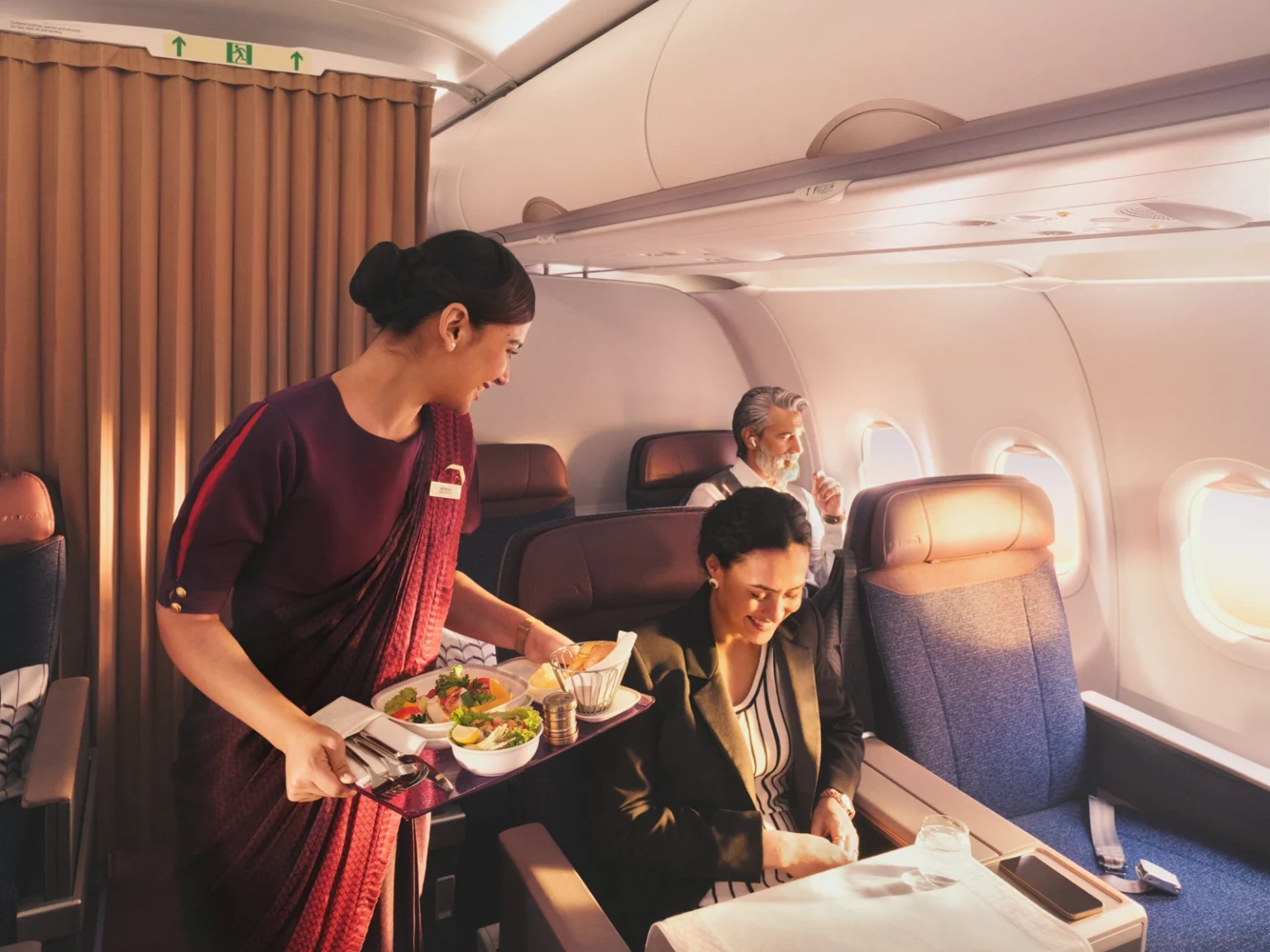
What Happens Next for AI2379
Air India has not said whether flight AI2379’s aircraft will return to service immediately or undergo further inspection first. The airline’s stated cooperation with investigating authorities suggests a formal review of the incident, similar to past Indian turbulence cases involving DGCA and airline safety departments.
The gap between Air India’s 12-injury count and passenger estimates of 15 to 20 will likely narrow once medical assessments at the airport are finalised. For now, the confirmed figure from Air India’s own statement remains the only officially verified count.

.jpg)
.jpg)