Emirates (EK) , the carrier that is offering incentives and safety assurances amid the Iran War, has temporarily withdrawn its Airbus A380 from all three German airports that previously received the type — Frankfurt Airport (FRA), Munich Airport (MUC), and Düsseldorf (DUS) — for significant portions of June 2026, substituting services with Boeing 777 widebodies and, on one Frankfurt frequency, the airline’s newly introduced Airbus A350-900. The schedule changes, first reported by Aero Routes, affect Germany during a period in which Emirates is simultaneously pulling the superjumbo from nine other destinations worldwide, including Copenhagen, Glasgow, London Gatwick, Manchester, Osaka Kansai, Perth, and Washington Dulles.
The temporary downgauging reflects a convergence of pressures: the onset of the Northern Hemisphere summer, when Dubai is at its hottest and outbound leisure traffic to the Gulf falls sharply; the ongoing West Asia conflict, which is making it harder to fill high-capacity widebodies on Dubai-Europe routes; and the parallel demands of Emirates’ multi-billion-dollar cabin retrofit programme, which has taken a significant share of the 116-strong A380 fleet offline for refurbishment. According to CH Aviation data cited by aeroTELEGRAPH, 32 of Emirates’ 117 A380s were parked at the time of the schedule update.
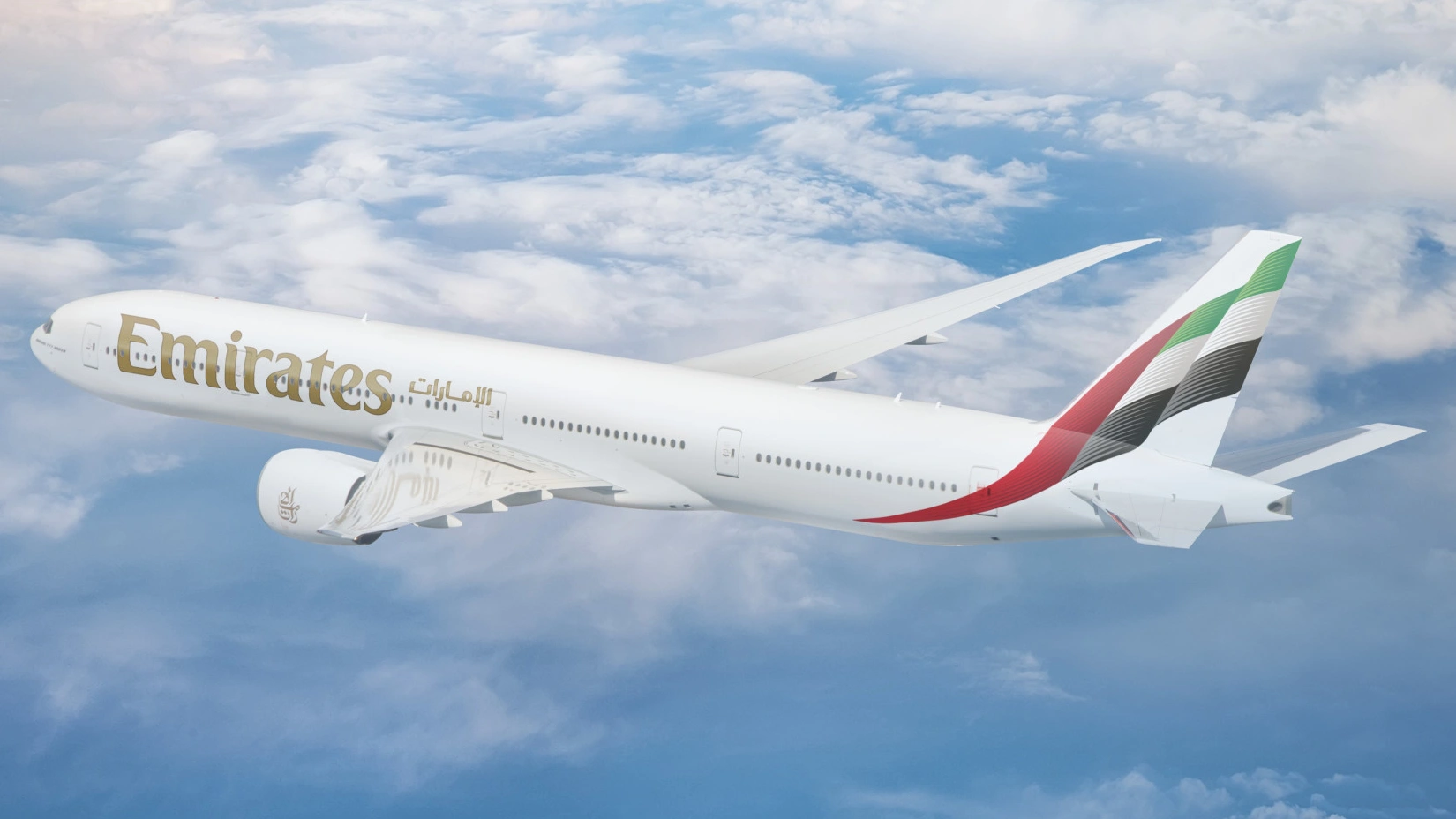
Route-By-Route Changes Across Germany
Hamburg (HAM), the fourth German point Emirates serves, is unaffected — the route has been operated exclusively by Boeing 777 throughout.
On the Munich network, Emirates runs two daily return services. EK51/52 was already operated by Boeing 777, while EK49/50 switched from A380 to Boeing 777 on 1 June 2026. Additionally, EK51/52 has been reduced from seven to four weekly frequencies between 9 and 23 June, a capacity cut that compounds the loss of the superjumbo configuration.
Düsseldorf sees EK55/56 — its single daily return service — operated by Boeing 777 in place of the A380 from 9 to 25 June.
Frankfurt, Emirates’ largest German gateway with three daily return services, is experiencing the most complex set of changes. From 9 June, EK43/44 has been switched from Boeing 777 to the Airbus A350-900, marking a notable introduction of the type on an Emirates Germany routing. EK45/46 has simultaneously moved from A380 to Boeing 777. The third Frankfurt frequency, EK47/48, continues unchanged on the Boeing 777.
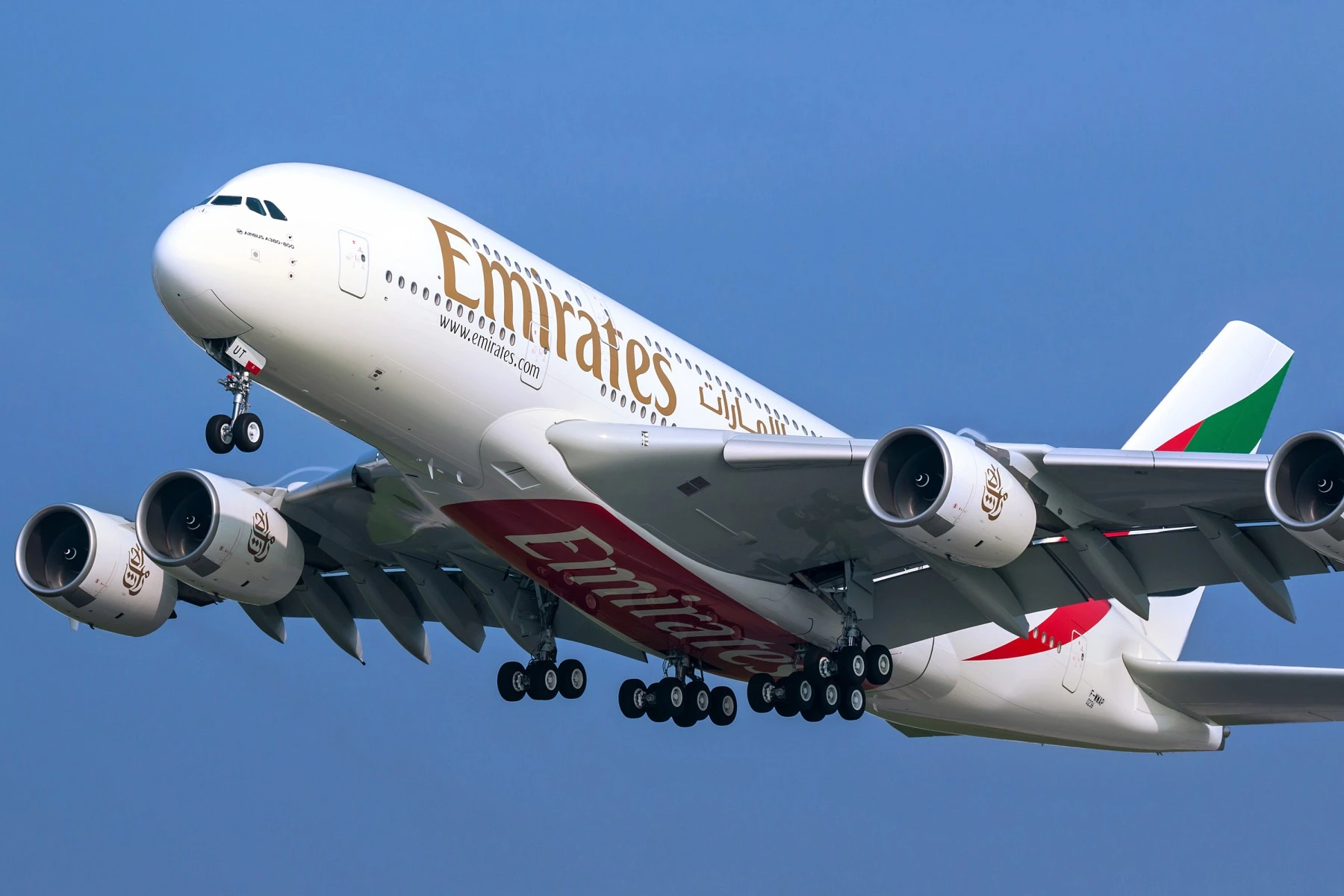
Why Emirates Is Parking A380s This June?
Three structural factors explain the fleet reassignment. First, demand patterns: Germany and wider northern Europe see a dip in Dubai-bound leisure travel during the height of summer, as average temperatures in the UAE routinely exceed 40°C through July and August — conditions that deter beach and city tourism. The shoulder-demand environment makes filling a 400–500-seat superjumbo more challenging.
Second, the West Asia conflict. Emirates has been operating at elevated cost since Iranian airspace restrictions lengthened sector times across multiple routes, raising fuel burn per flight and compressing yields. The airline removed approximately 480,000 seats from its June 2026 schedule overall, equating to roughly 16,000 seats per day, and reassigned 286 one-way A380 flights to smaller widebodies across the network.
Third, and most structurally significant, is the retrofit programme. Emirates is midway through a US$5 billion effort to refurbish 219 aircraft — 110 A380s and 109 Boeing 777s — with new cabins, upgraded in-flight entertainment, and Starlink Wi-Fi. Each A380 requires approximately 22 days of downtime. The airline completed the first retrofit of a two-class A380 — a high-density 615-seat aircraft registered A6-EUX — on 20 May 2026, converting it to a three-class layout with 76 Business Class, 56 Premium Economy, and 437 Economy seats. The next phase of the programme, covering 60 further A380s and 51 Boeing 777s, is scheduled to begin in August 2026.
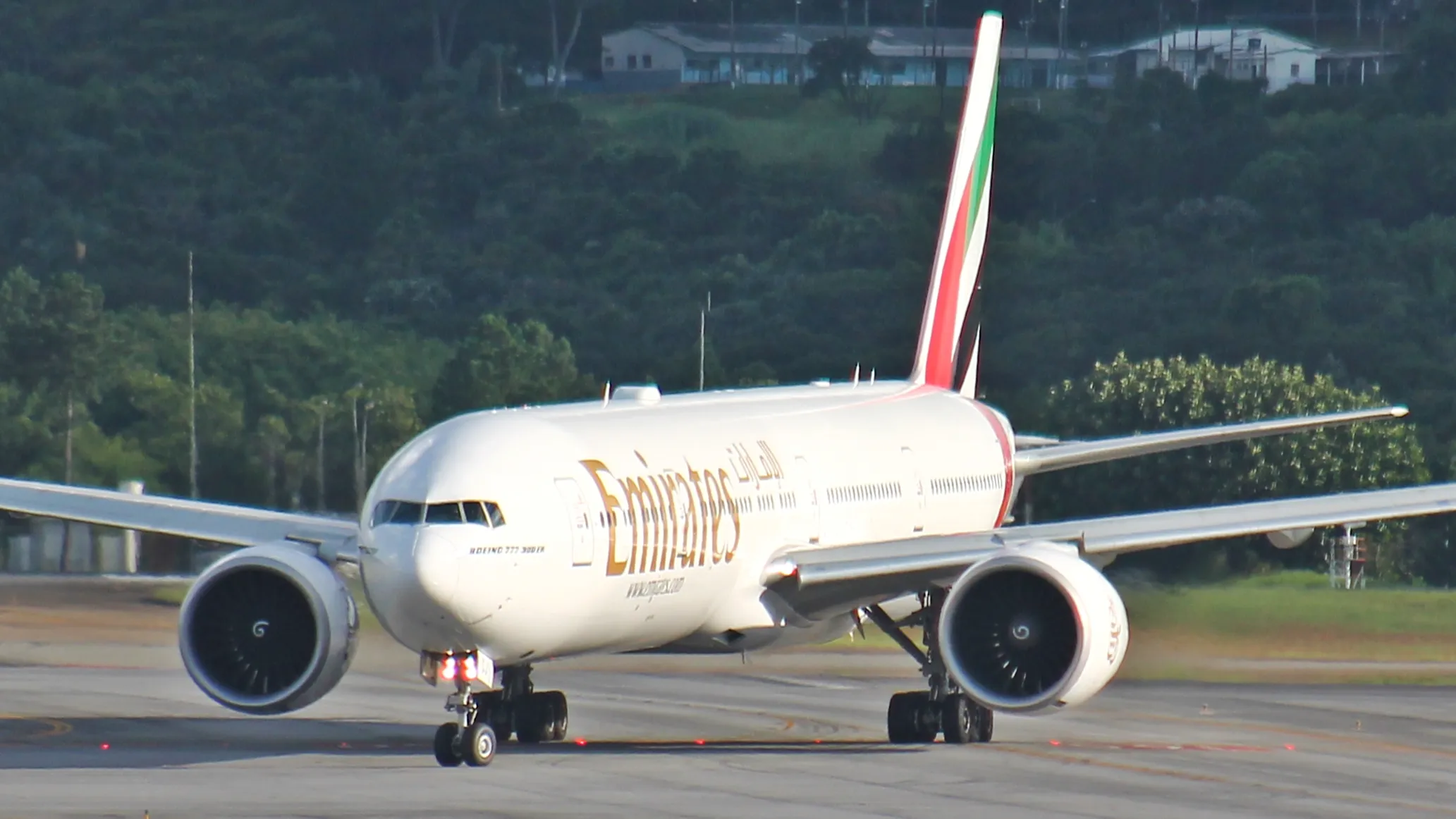
Emirates’ Fleet Context and Longer-Term Trajectory
Emirates is the world’s largest operator of the Airbus A380, holding 116 examples as of early 2026 with a plan to have approximately 110 aircraft active by year-end after accounting for maintenance cycles and retrofit downtime. The airline has committed to flying the type until at least 2041 and is manufacturing cabin interiors in-house to reduce retrofit lead times and improve long-term reliability.
The German market is a core A380 destination for Emirates: Munich has hosted the superjumbo since November 2011, and Frankfurt has been a cornerstone A380 point for over a decade. The June withdrawal is accordingly presented by the carrier and schedule trackers as temporary — a product of the calendar’s softer demand window and the industrial demands of the retrofit cycle — rather than a structural retreat from A380 operations in Germany.
Schedules for July 2026 have not yet been finalised, but both Aero Routes and trade sources expect A380 deployments to resume on German routes as summer demand firms and refurbished aircraft return to active service.
.jpg)