From 1 February, 2026, Emirates (EK) will deploy its Airbus A350-900 aircraft on the daily Dubai–Montréal route, replacing the current Boeing 777 service. This move is set to introduce Emirates’ newest cabin innovations — Business, Premium Economy and Economy classes — to Canada, offering enhanced comfort, technology and travel experience for passengers travelling between Montréal and Dubai.
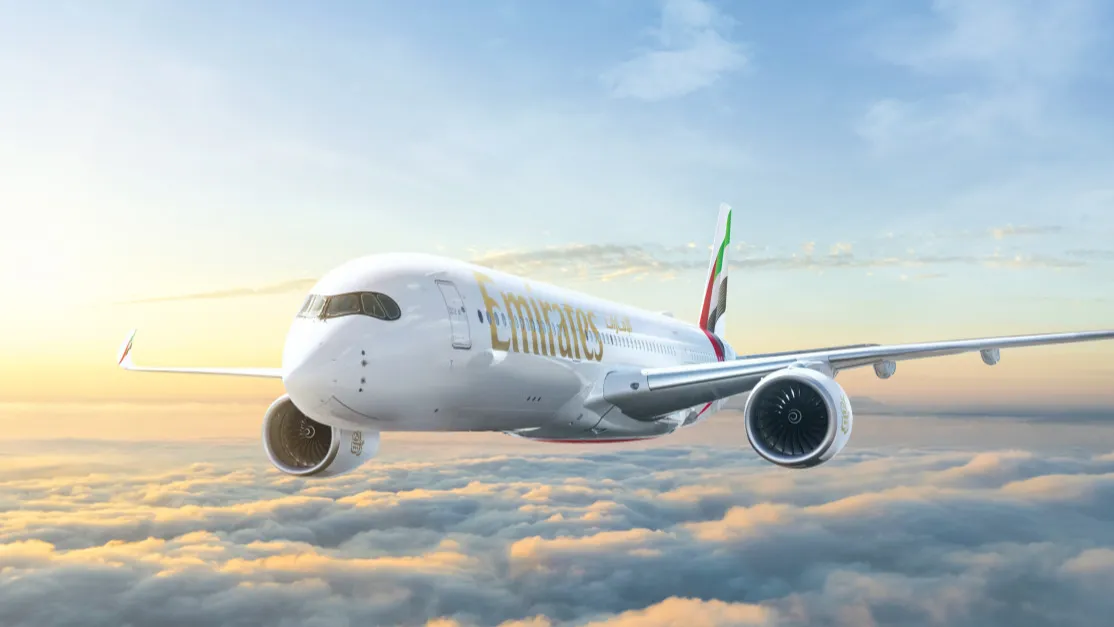
What Emirates’ Introduction of the A350 to Montréal means for Passengers
Emirates’ A350 service to Montréal will operate as flights EK243 / EK244, scheduled daily. Here is the schedule of the flight.
Emirates A350 Montréal Route Schedule
-
Flight EK243 (Dubai → Montréal)
-
Departs Dubai at 02:45
-
Arrives in Montréal at 07:35
-
Operated daily
-
-
Flight EK244 (Montréal → Dubai)
-
Departs Montréal at 10:40
-
Arrives in Dubai at 08:00 (next day)
-
Operated daily
-
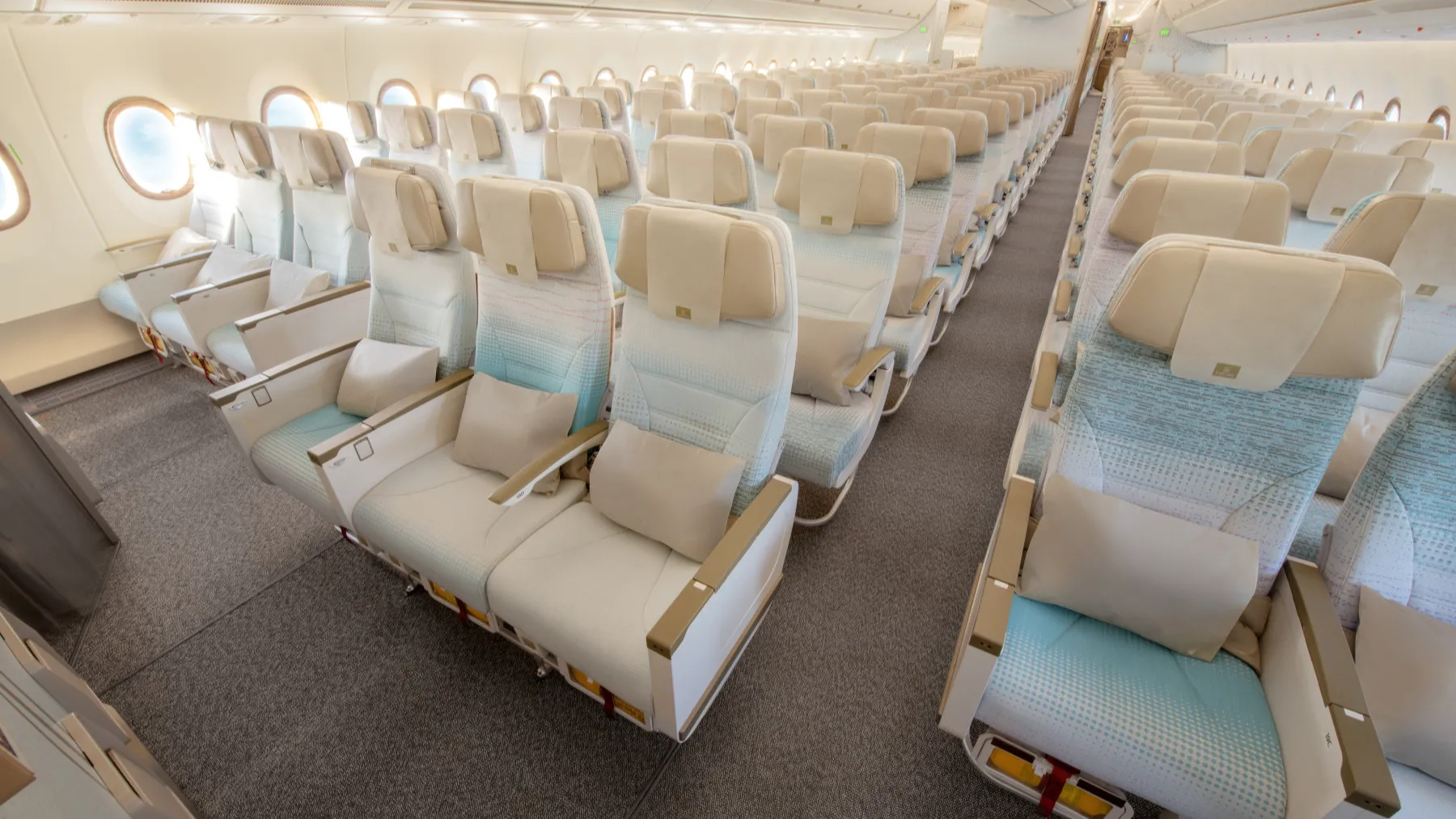
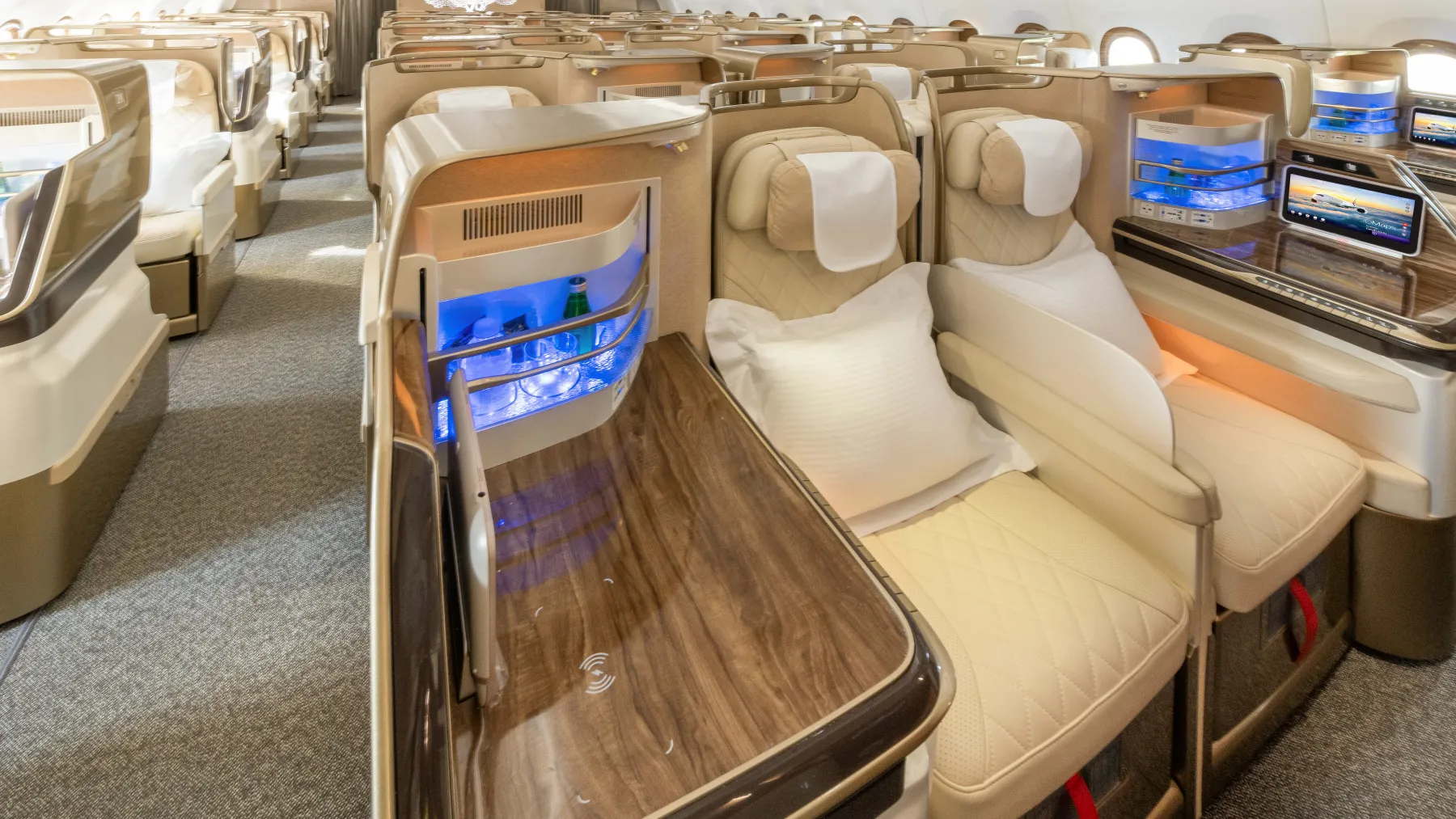
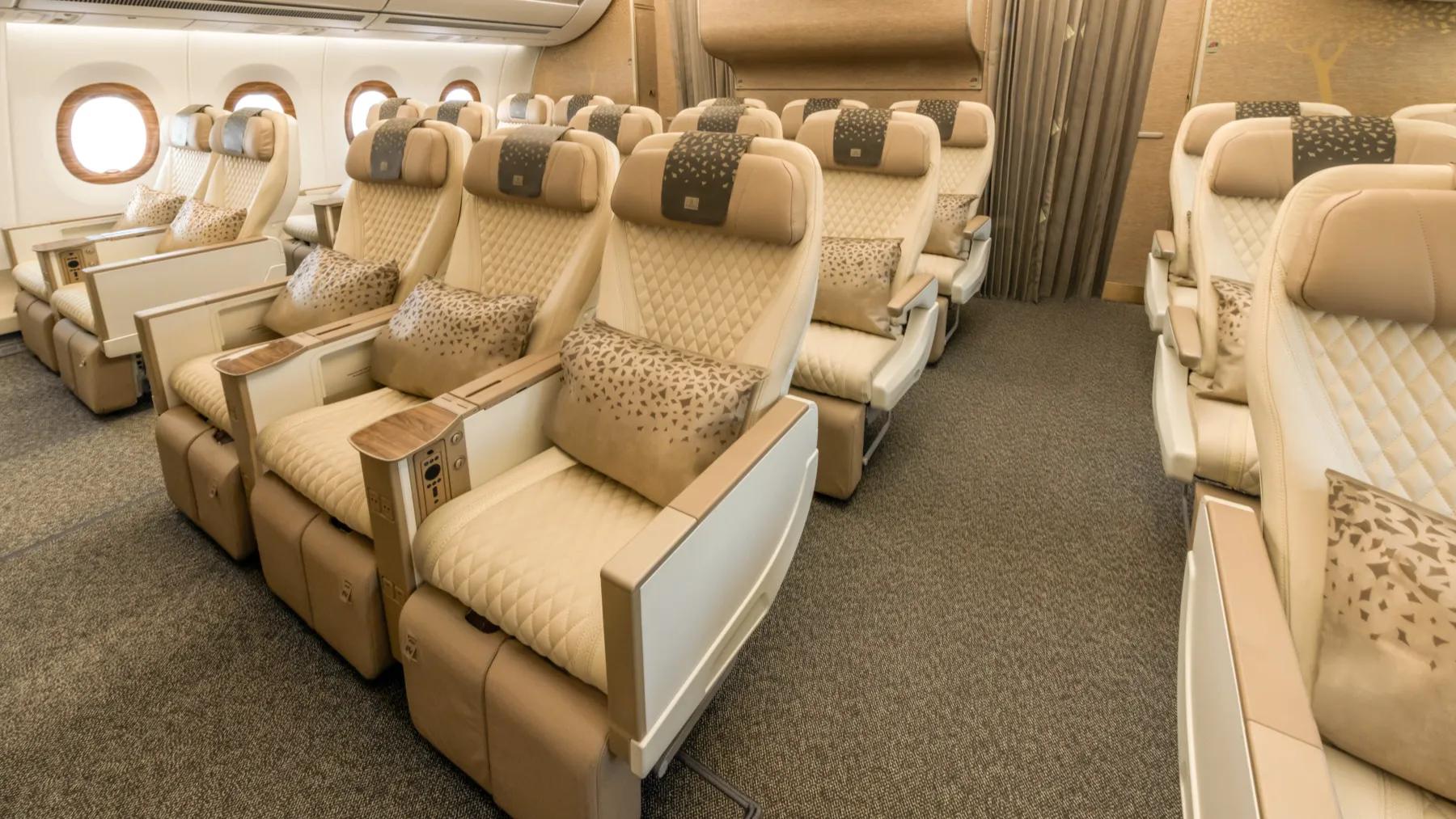
The aircraft configuration of Emirates’ A350 includes 32 Business Class seats (1-2-1 layout), 28 Premium Economy seats, and 238 Economy Class seats on this route.
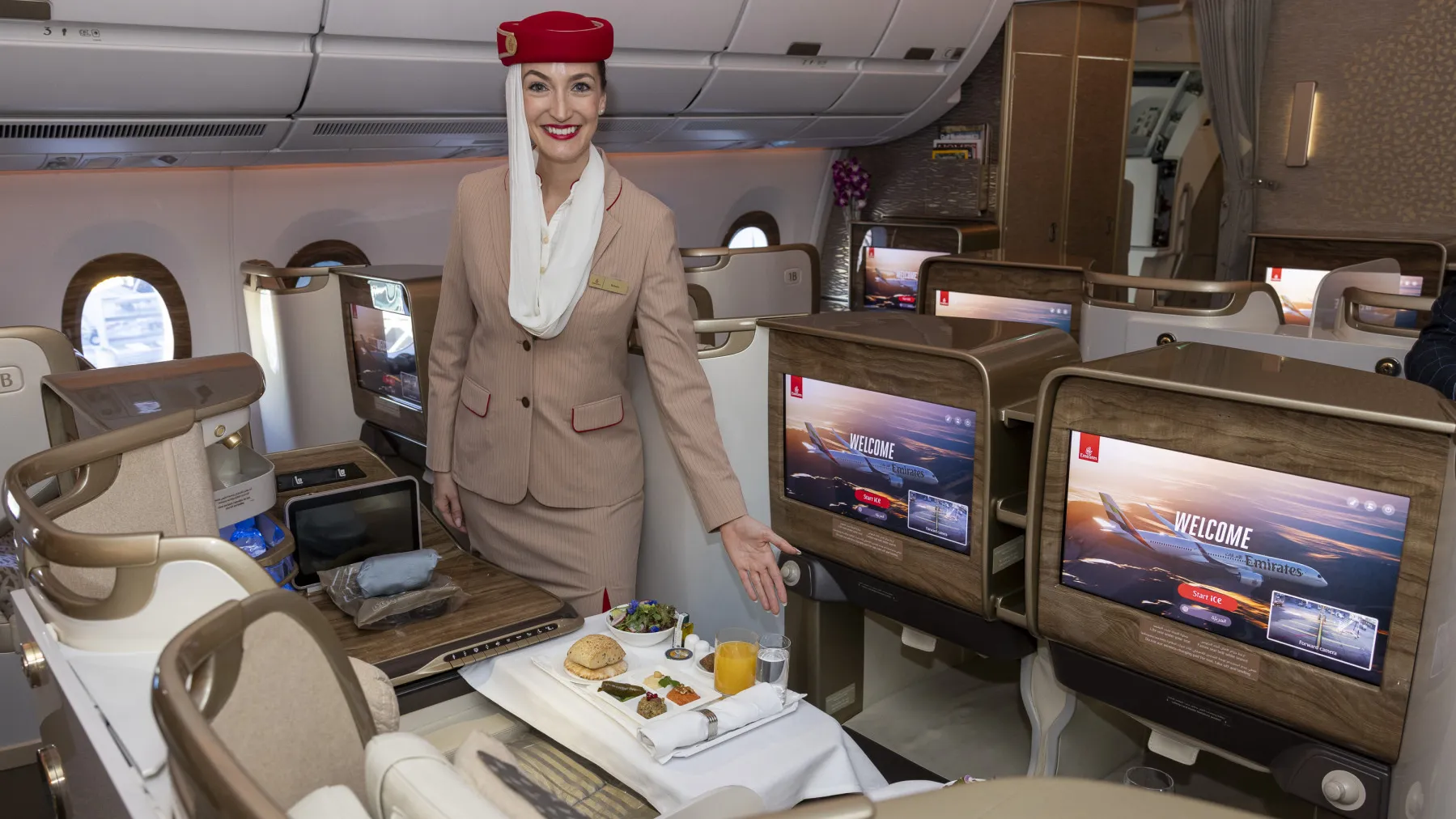
For travelers, this means access to Emirates’ “latest interiors, industry-first technologies and innovations“. According to Airbus itself, the A350 gives passengers “a true feeling of spaciousness, with wide seats, high ceilings and alluring ambient lighting“. On its A350s, Emirates is set to treat its passengers on the Montréal-Dubai route with modern amenities, and the airline’s award-winning inflight entertainment. One thing that the passengers might rue is that Emirates’ first-class suites on the 777-300ER were equipped with a 32-inch full HD LC screen, the third largest in the industry.
Emirates’ A350 Rollout to Montreal and Fleet Strategy
Emirates, which won Forbes’ best international airline award, took delivery of its first A350-900 in November 2024, signaling a new era in its fleet expansion efforts. According to data from planespotters.net, Emirates has a total of 13 aircraft of this type which average 0.6 years.
As Emirates has already specified that it would be deploying the ones configured “C32W28Y238” to its Canada services, the ones registered A6-EXM andA6-EXK will be operated in the Montréal-Dubai route. Data from planespotters.net also suggests that the carrier will be receiving nine aircraft of this type in the future, though it claims that “future records only include new-built aircraft close to delivery and expected second-hand deliveries. They do not include all outstanding orders as reported by aircraft manufacturers“.
However, when Emirates took the first delivery of the A350, Airbus reported that Emirates had ordered a total of 65 A350-900s “as part of the airline’s broader plans to support Dubai’s’ Economic Agenda, which aims to add 400 cities to Dubai’s foreign trade map over the next decade“.
Before Montréal, the A350 has already entered service on routes to cities such as Mumbai and Ahmedabad in India, and other destinations across the Middle East and Europe.
Cabin experience on Emirates A350
The A350 cabin emphasizes comfort, technology and modern design. Business Class offers fully lie-flat seats with generous privacy in a 1-2-1 configuration. Premium Economy — a relatively new cabin class for Emirates — brings additional choice for cost-conscious travelers seeking extra legroom and comfort over standard Economy.
Economy Class also benefits from upgraded interiors: more spacious aisles, enhanced cabin lighting, quieter cabins, better in-flight entertainment (IFE) and improved Wi-Fi connectivity.
Why Montréal and why the A350?
Montréal becomes Emirates’ second Canadian gateway after Toronto, reinforcing its North American network. This supports Emirates’ broader growth plan while offering Canadian travellers expanded connectivity to the Middle East, Asia, Africa and beyond.
The deployment of the A350 — with its efficiency and range — makes the long-haul Dubai–Montréal route more viable and attractive compared to older, heavier wide-bodies. After all, the A350 has the following attributes:
-
Powered by a new engine generation that enables roughly one-quarter lower fuel consumption, emissions, and operating costs compared with older widebody models.
-
70% of A350’s airframe is made up of advanced materials such as composites, titanium, and modern aluminium alloys – all of which contribute to corrosion resistance, maintenance reduction all the while creating a lighter and more cost-efficient aircraft.
-
Its Airspace cabin is engineered to be the quietest environment available on any twin-aisle aircraft, cutting the overall noise footprint by about half relative to earlier designs.
- A350’s Trent XWB turbofan engines is described by Airbus as the “world’s most efficient large aero-engine, using the best technology and materials while benefiting from over 70 million hours of in-service experience with various Trent versions“.
-
Airbus has already certified the A350 to run on fuel blends containing up to 50% Sustainable Aviation Fuel (SAF), giving airlines an immediate pathway to reduce carbon output.
Airbus also aims for its entire fleet to be capable of operating on 100% SAF by 2030.