Emirates (EK), the Dubai-based carrier which recently expanded its Premium Economy operations to Norway on its A350s, has unveiled a series of initiatives aimed at reducing the occurrence of unexpected severe turbulence on flights. In order to work around the problem of turbulence, the carrier is set to leverage advanced data analytics and real-time weather prediction technologies.
Why and how much do aircraft wings flex/bend (during turbulence)?
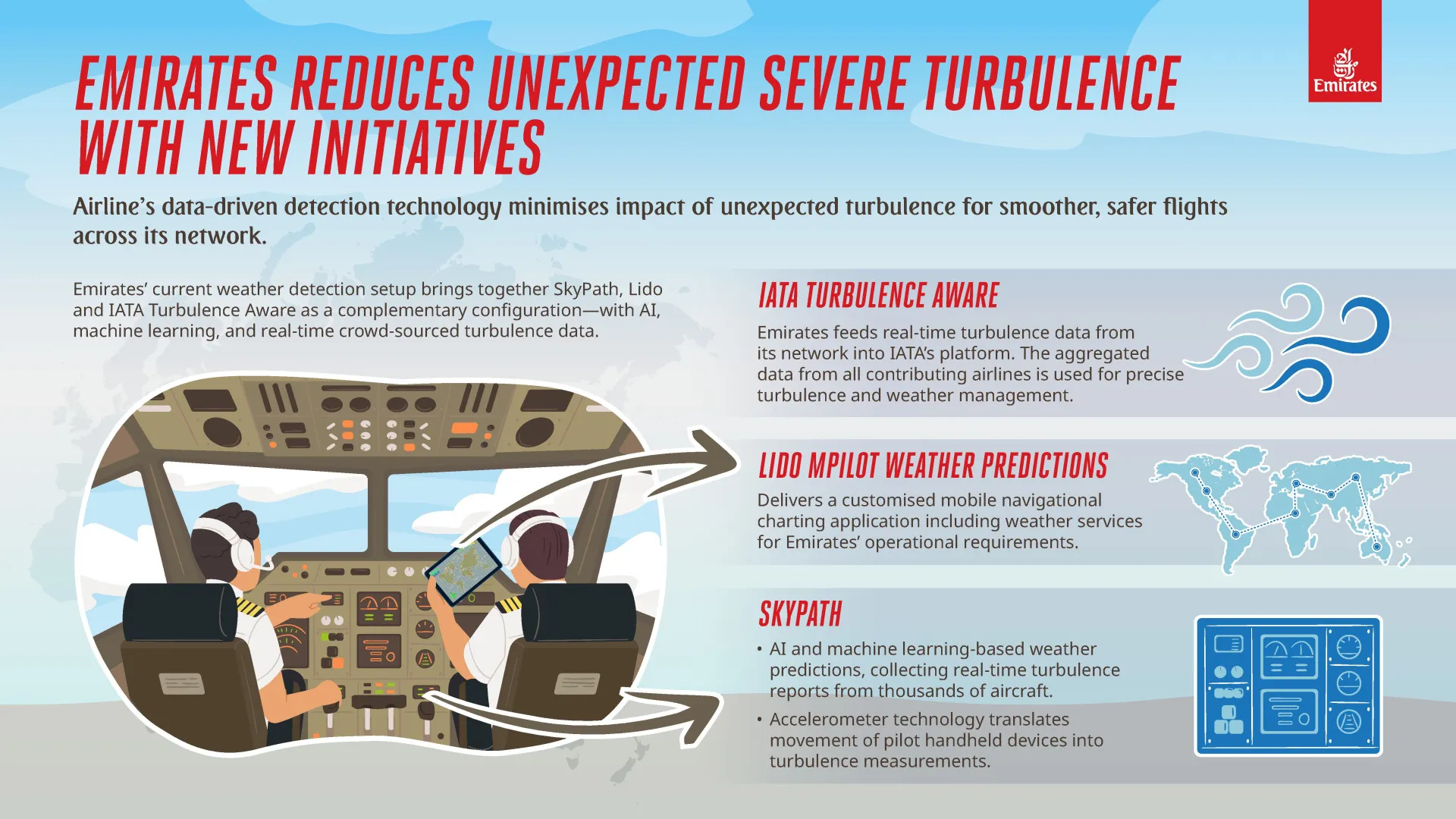
The airline’s new strategy combines proprietary solutions with global industry collaborations such as:
- IATA Turbulence Aware
- SkyPath
- Lido mPilot from Lufthansa Systems
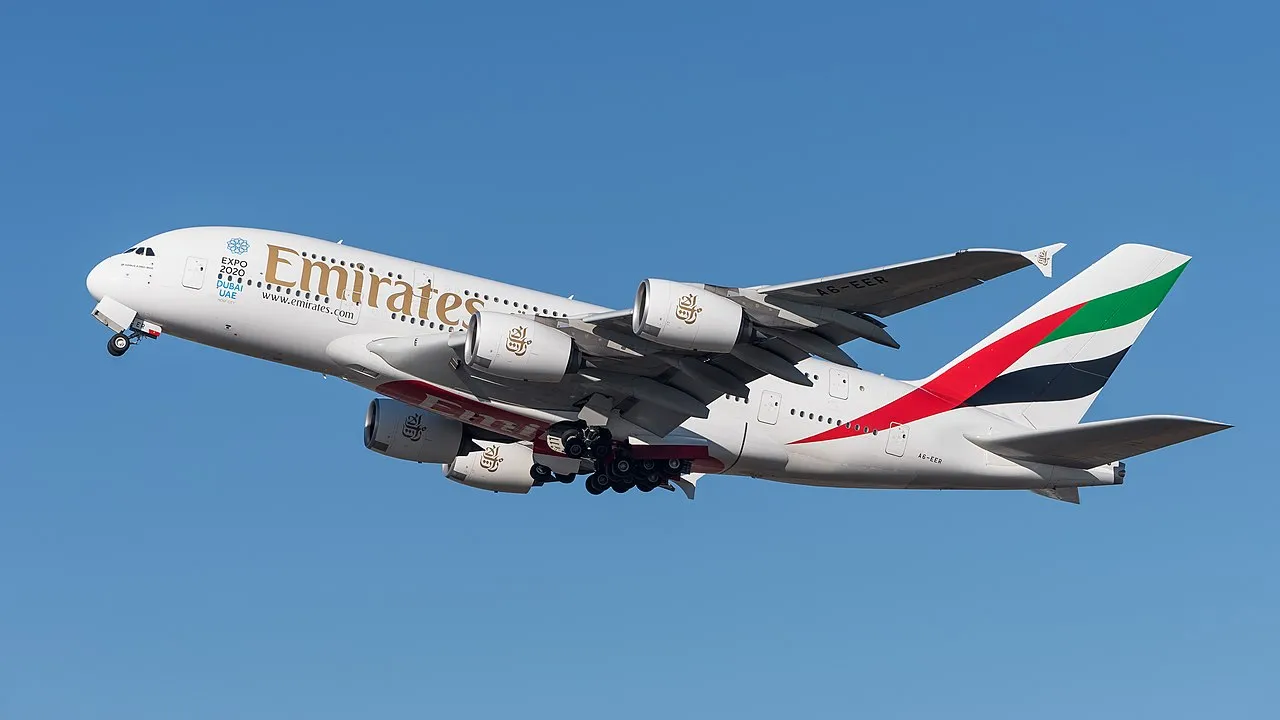
These initiatives allow pilots of Emirates, which “has proactively adopted a diverse, multi-layered strategy leveraging multiple information sources to deliver real-time, accurate turbulence data“, to access real-time turbulence data, anticipate severe conditions, and adjust flight paths accordingly. These measures are expected to improve in-flight comfort while maintaining operational safety across the carrier’s vast network spanning the Middle East, Asia, Africa, and Australia that has helped it become the Middle East carrier with the highest number of flight hours in 2025.
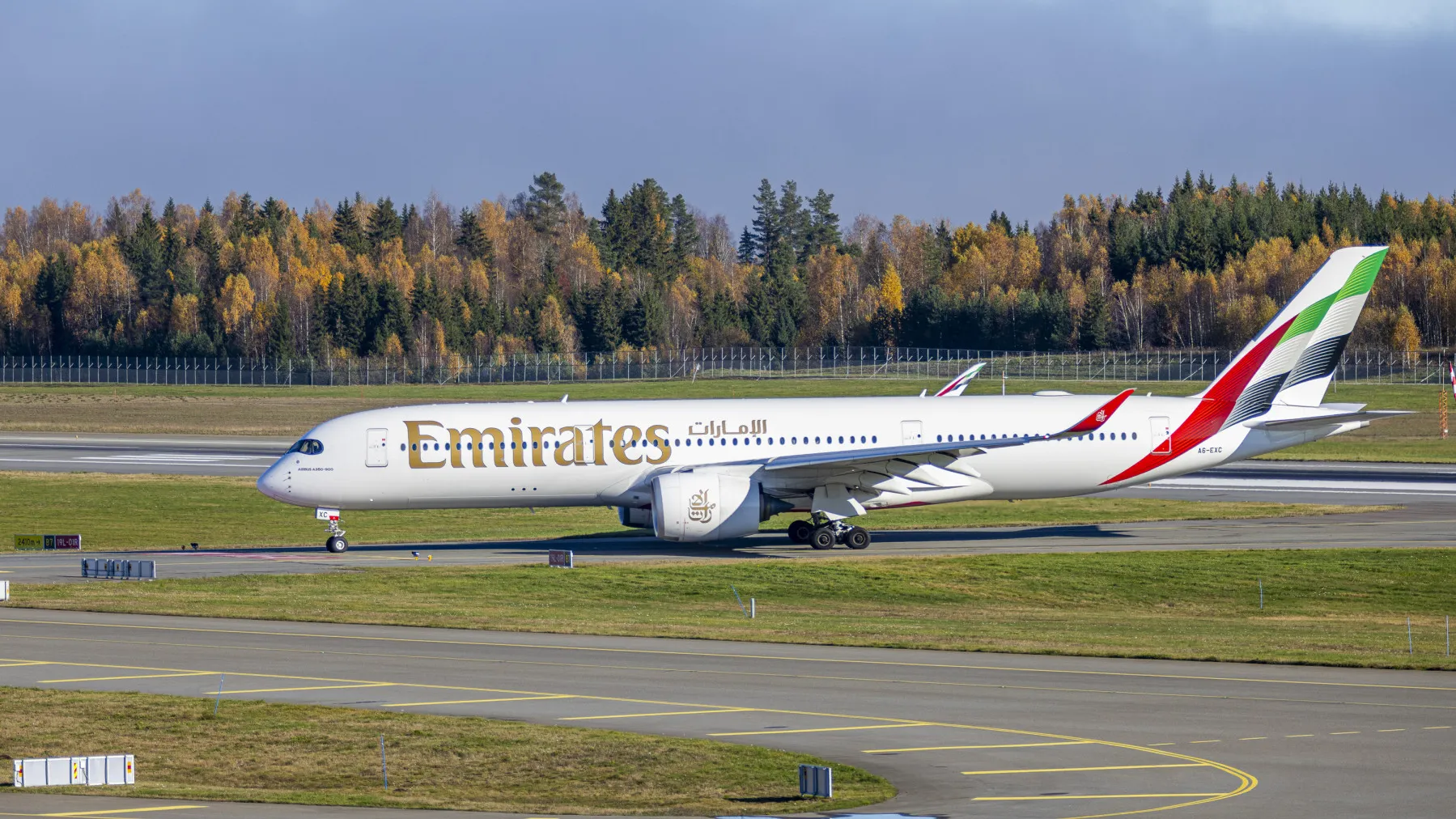
Deeper into Emirates’ Multi-Layered Approach to Turbulence Reduction
To tackle turbulence proactively, Emirates has adopted a diverse, multi-layered approach that integrates real-time reports, machine learning, and AI-powered weather predictions. According to the carrier, this strategy “has helped reduce unexpected severe turbulence encounters on flights across its network with new initiatives launched last year“.
Turbulence is one of the most pertinent safety threats in aviation, particularly the expected rise of clear air turbulence (CAT) – the turbulence type that can’t be seen by the pilots as it occurs in cloud-less regions. It also possesses the following features:
-
Occasionally, specific cloud patterns may indicate the presence of CAT in nearby areas.
-
CAT is typically associated with regions exhibiting strong wind shear, horizontal deformation, and convergence, often with insufficient moisture to form clouds.
-
The most effective way to identify potential CAT is by combining satellite imagery with numerical weather model outputs.
Mingbo Airport: The Forgotten Most Dangerous Airport In The World
Measures Emirates has Taken to Reduce Turbulence
Let’s have a look at the solutions given by Emirates to deal with the problems of turbulence:
SkyPath
Emirates partnered with SkyPath in 2024 to enhance turbulence detection using AI and machine learning. SkyPath aggregates data from multiple sources such as:
-
Eddy Dissipation Rate (EDR) measurements for standardized turbulence quantification.
-
Automatic Dependent Surveillance–Broadcast (ADSB) transponder data.
-
SkyPath’s iPad accelerometer technology, which converts device motion into precise turbulence readings.
This multi-source system enables pilots to identify turbulence in areas with sparse flight activity or clear-air turbulence – both are regions which have been traditionally difficult to forecast. According to Emirates, SkyPath has “AI and machine learning-based weather predictions that identify turbulence areas conventional methods miss“.
Lido mPilot
Through its partnership with Lufthansa Systems, Emirates integrates Lido mPilot, a mobile navigation and weather prediction platform. Lido mPilot provides:
-
Real-time cloud and convection data
-
Turbulence and icing forecasts
-
High-resolution weather modeling for global flight routes
By continuously collaborating with Lido Systems, Emirates ensures that pilots receive updated, reliable weather intelligence, further enhancing flight planning and route optimization.
IATA Turbulence Aware
Emirates has been using IATA Turbulence Aware since 2024, both contributing turbulence observations from its worldwide network and drawing on data supplied by other participating airlines. The platform combines these reports to create a real-time picture of atmospheric conditions across different regions.
The airline feeds this information into its electronic flight bag charting system, giving pilots live visualizations of turbulence along their routes. Emirates says the additional information helps crews identify potentially turbulent areas earlier and make more informed decisions about route adjustments, while also supporting passenger comfort, safety and fuel efficiency. Emirates media centre
Captain Hassan Alhammadi, Divisional Senior Vice President of Flight Operations at Emirates, said the combination of SkyPath, Lido mPilot and IATA Turbulence Aware gives flight crews a broader real-time understanding of conditions along their routes. He noted that turbulence remains an unavoidable feature of aviation, but argued that technology and AI-based tools can help reduce both the frequency and severity of unexpected encounters.
Emirates does not claim that its multi-layered approach can eliminate turbulence or guarantee completely smooth flights. Instead, the airline says its weather forecasting tools, technology partnerships and participation in IATA Turbulence Aware are helping reduce unexpected severe turbulence while allowing Emirates to contribute operational data to the wider aviation industry as it seeks better ways to manage the increasingly important meteorological challenge.
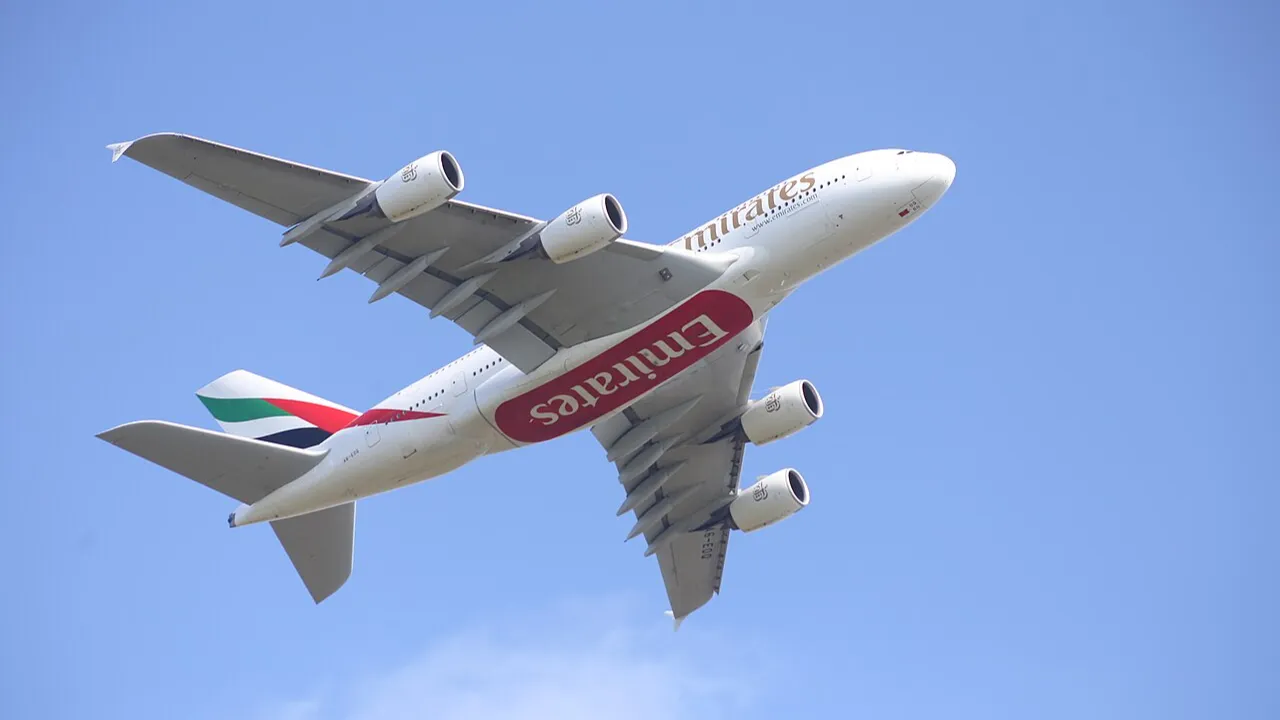
Photo: Flygklubben | Wikimedia Commons
All in all
Emirates’ commitment to reducing turbulence through AI-driven forecasting, real-time data integration, and global collaboration positions the airline is a part of the aviation industry’s struggle against turbulence. After all, a research from the University of Reading suggested that in some routes “the total annual duration of severe turbulence increased by 55% from 17.7 hours in 1979 to 27.4 hours in 2020…Moderate turbulence increased by 37% from 70.0 to 96.1 hours, and light turbulence increased by 17% from 466.5 to 546.8 hours.“