A heavy transport aircraft of type Ilyushin Il‑76 manufactured by Russia (registered RA-78765) landed at Simón Bolívar International Airport (CCS), Caracas, on Sunday after a multi-stop two-day flight from the Moscow region, reported Defense News. The stopover comes amid escalating tensions between United States and Venezuela and raises questions about Moscow’s strategic logistics in Latin America and the reach of Western sanctions enforcement.
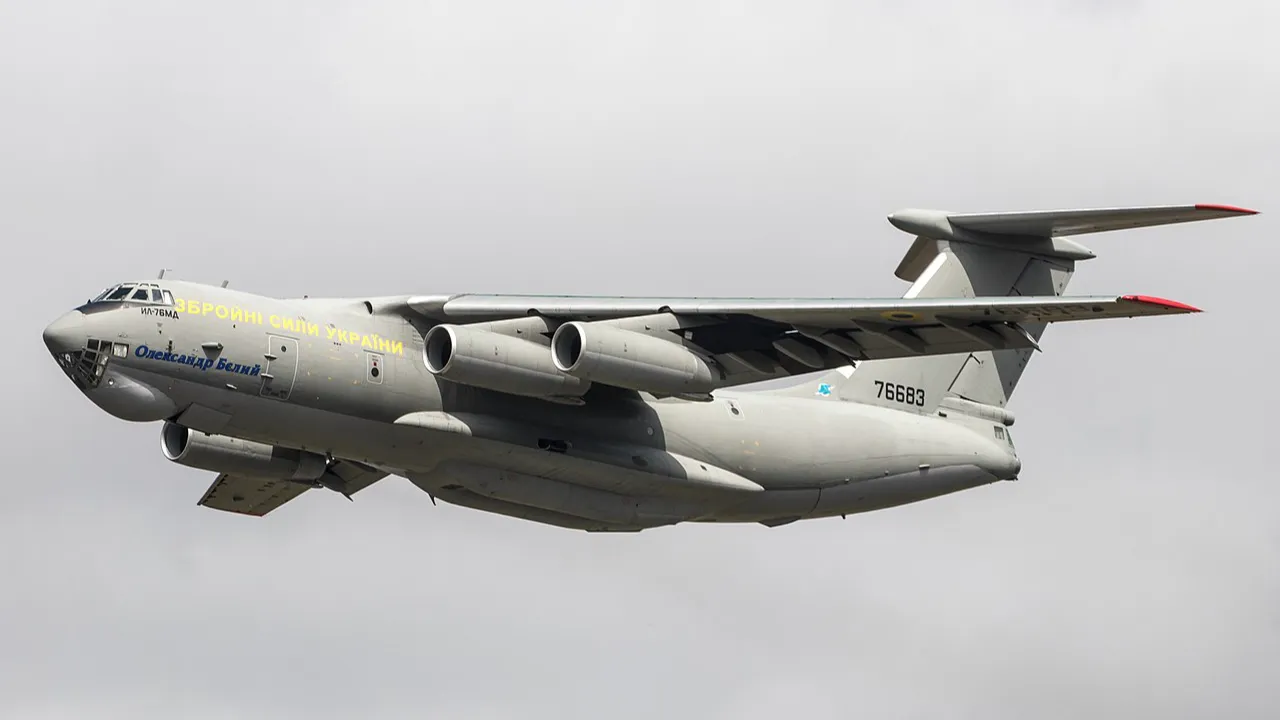
The Russian Ilyushin Il-76’s Flight Path to Venezuela
Flight-tracking records indicate the Il-76 departed the Moscow area and made stopovers in Armenia, Algeria, Morocco, Senegal and Mauritania before crossing the Atlantic to Caracas. Here’s the movement of the flight as shown by Flight Radar:
| Date | From | To | Duration (hrs) | Departure (Local Time) | Arrival (Local Time) |
|---|---|---|---|---|---|
| 26 Oct 2025 | Nouakchott (Nouakchott–Oumtounsy International Airport – NKC) | Caracas (Simón Bolívar International Airport – CCS) | 7:33 hrs | 10:21 AM | 1:54 PM |
| 25 Oct 2025 | Dakar (Blaise Diagne International Airport – DKR) | Nouakchott (NKC) | 0:48 hrs | 6:26 PM | 7:14 PM |
| 25 Oct 2025 | Rabat (Rabat–Salé Airport – RBA) | Dakar (DKR) | 3:39 hrs | 1:50 PM | 4:29 PM |
| 25 Oct 2025 | Algiers (Houari Boumédiène Airport – ALG) | Rabat (RBA) | 1:36 hrs | 9:52 AM | 11:28 AM |
| 24 Oct 2025 | Yerevan (Zvartnots International Airport – EVN) | Algiers (ALG) | 5:51 hrs | 2:54 PM | 5:46 PM |
| 24 Oct 2025 | — | Yerevan (EVN) | 3:41 hrs | 5:09 AM | 12:50 PM |
The choice of routing has drawn attention as well. The Il-76 reportedly traveled through several Russian-friendly countries in West Africa, prompting speculation that the itinerary may have been designed to minimize exposure to Western airspace, sanctions enforcement and regulatory scrutiny.
The aircraft is operated by Aviacon Zitotrans (ZR), a Russian cargo airline headquartered in Yekaterinburg. The carrier operates a relatively small fleet of six Ilyushin Il-76 aircraft and has been sanctioned by the United States, Canada and Ukraine over its alleged connections to Russia’s military logistics network, according to IRIA News.
Aviacon has previously been associated with the transportation of military-related cargo, including rockets, helicopter components and warheads, to locations where Russian-backed or Russian-linked forces have operated. That history has also brought attention to the Wagner Group, the Russian mercenary organization formerly led by Yevgeny Prigozhin that played a significant role in Moscow’s efforts to expand its influence across Africa.
After Wagner’s failed 2023 mutiny, much of the organization was brought under Russia’s formal military structure, with its African operations subsequently reorganized under the Africa Corps.
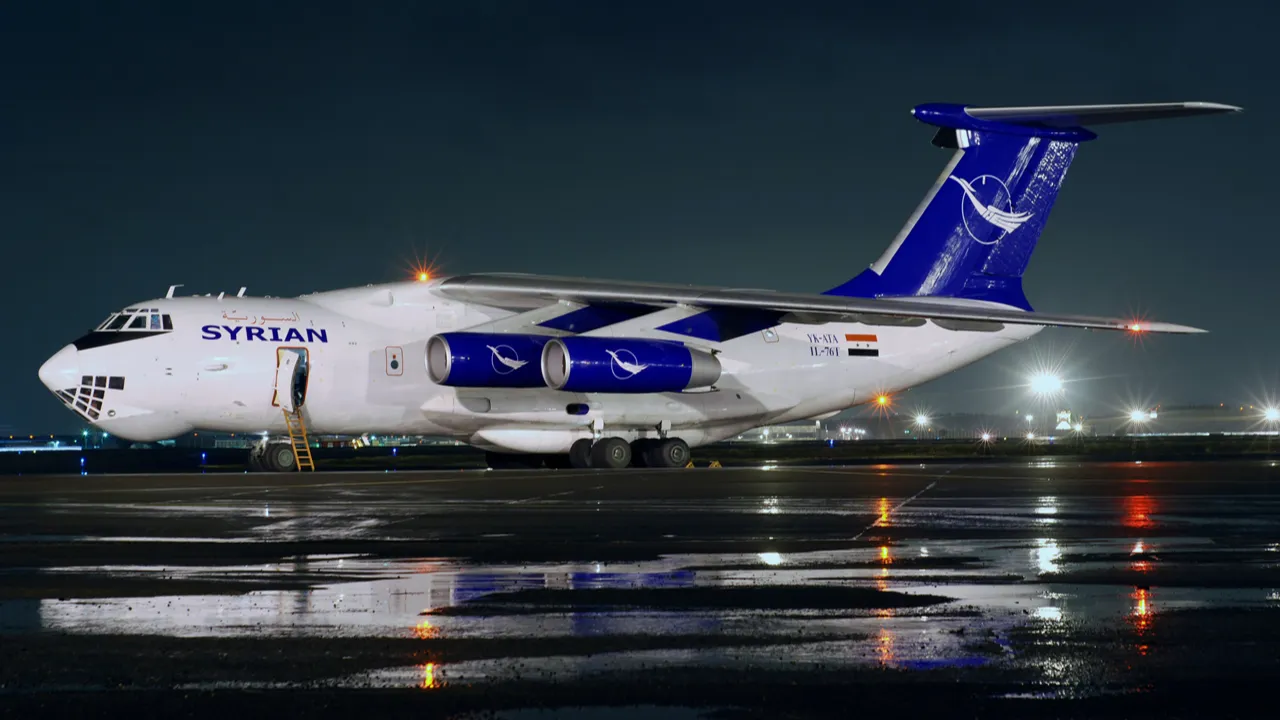
What the arrival of Ilyushin Il-76 in Venezuela means for Geopolitics?
The deployment of a large Russian cargo aircraft such as the versatile IL-76 to Caracas, which seems for now is outside regular commercial channels, signals both increased Russian logistical support capacity in the Western Hemisphere and the potential circumvention of sanctions regimes.

Since early September 2025, the US military has carried out a series of airstrikes on small boats in the Caribbean, under a campaign the Pentagon has framed as a “non-international armed conflict” with drug cartels. The first strike, announced by President Trump on September 2, killed all 11 people aboard a vessel he said was smuggling narcotics on behalf of Venezuela’s Tren de Aragua gang, which the administration has designated a foreign terrorist organization. Trump released video of the strike but, as with subsequent strikes, the administration has not made public evidence establishing the identities of those killed or their specific involvement in trafficking.
Additional strikes followed through September and October, bringing the confirmed death toll to 27 by mid-October, according to a tally reported by Al Jazeera and corroborated by multiple outlets.
The buildup accompanying the strikes has included F-35 fighter jets, at least eight warships, a nuclear-powered submarine, and thousands of US personnel deployed to the region — one of the largest US military presences near Venezuela in years. Congress has not passed any authorization for the use of force covering these operations.
A strike on October 14 near Trinidad and Tobago killed two men whose relatives and local officials disputed the administration’s characterization of them as traffickers, saying they were returning home by boat rather than running drugs — an early example of the identification disputes that have accompanied several of the strikes. Venezuelan President Nicolás Maduro has rejected the US’s stated justification outright, characterizing the campaign as an attempt to manufacture a pretext for pressuring or removing his government rather than a genuine counter-narcotics operation.
Perhaps the biggest concern surrounding the Ilyushin Il-76’s arrival in Venezuela is the background of its operator, Aviacon Zitotrans. The Russian cargo airline has been sanctioned by the U.S. government for its role in transporting military equipment and for its connections to Russia’s defense sector. The U.S. Treasury Department said Aviacon Zitotrans had transported rockets, warheads and helicopter components to destinations including Venezuela and Africa.
The airline’s links to Russian military logistics are particularly significant because of the regions in which it has operated. Aviacon has transported defense-related cargo on behalf of Russian interests, while Russian paramilitary operations associated with the Wagner Group have been active in parts of Africa. Following Wagner’s decline as an independent organization, many of its African operations were incorporated into Russia’s Africa Corps, which operates under the Russian government’s military structure.
This history does not, by itself, establish what cargo the Il-76 carried on its particular flight to Venezuela. However, the operator’s documented involvement in transporting Russian military equipment makes the aircraft’s presence in Caracas particularly significant amid wider tensions between Russia, Venezuela and Western governments.
This isn’t the first time that a Russian strategic bomber has landed in Venezuela, too. In 2019, for example, Russian Tu-160 bombers, which were according to Time Magazine “among the most advanced strategic bombers in the world” made its way to Caracas. Before, Venezuela’s economy plunged in 2014, there were strong military ties between it and Russia. Venezuela has been a major buyer of Russian military hardware and used to secure contracts worth nearly $12 billion for the following:
- small arms
- fighter jets
- tanks other
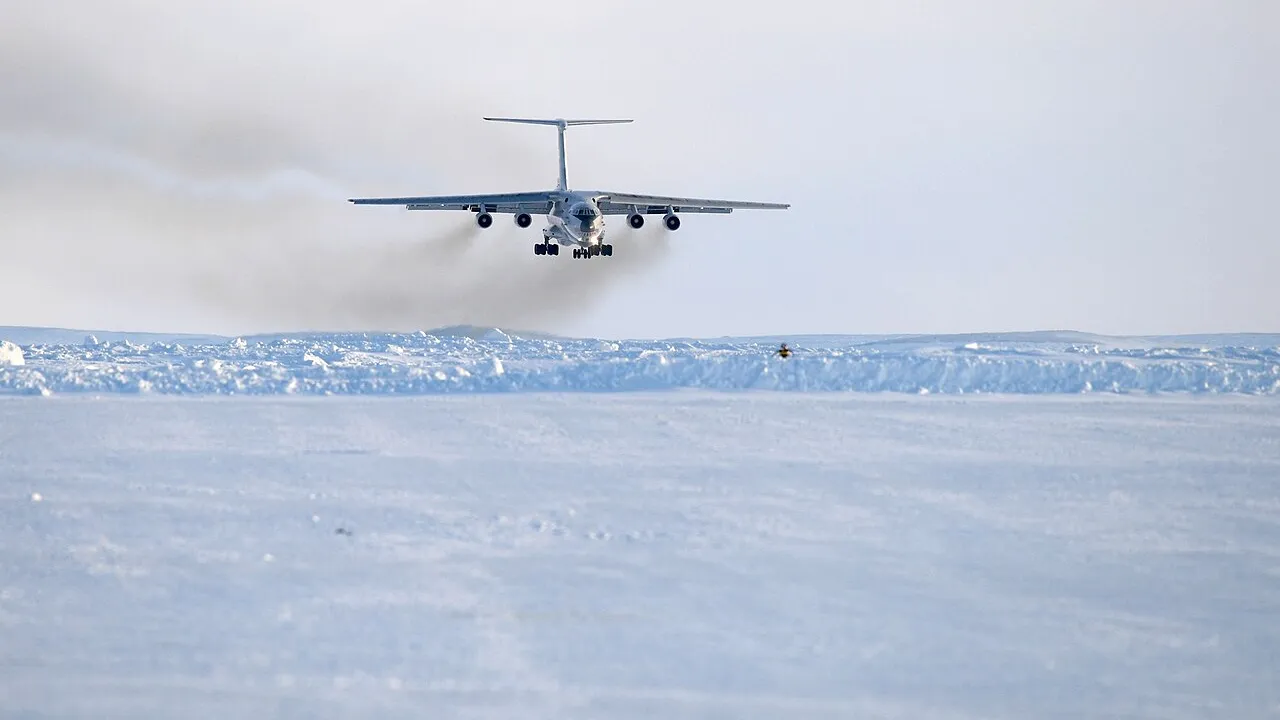
The arrival of Il-76 in Venezuela could have various repercussions – the most likely of which are the heightened vigilance across the Caribbean. This would include any of the following:
- including closer tracking of flight plans
- tighter document inspections
- diplomatic pressure on countries that serve as stopover points
The United States may purse secondary sanctions, or at least present a threat of the sanctions.
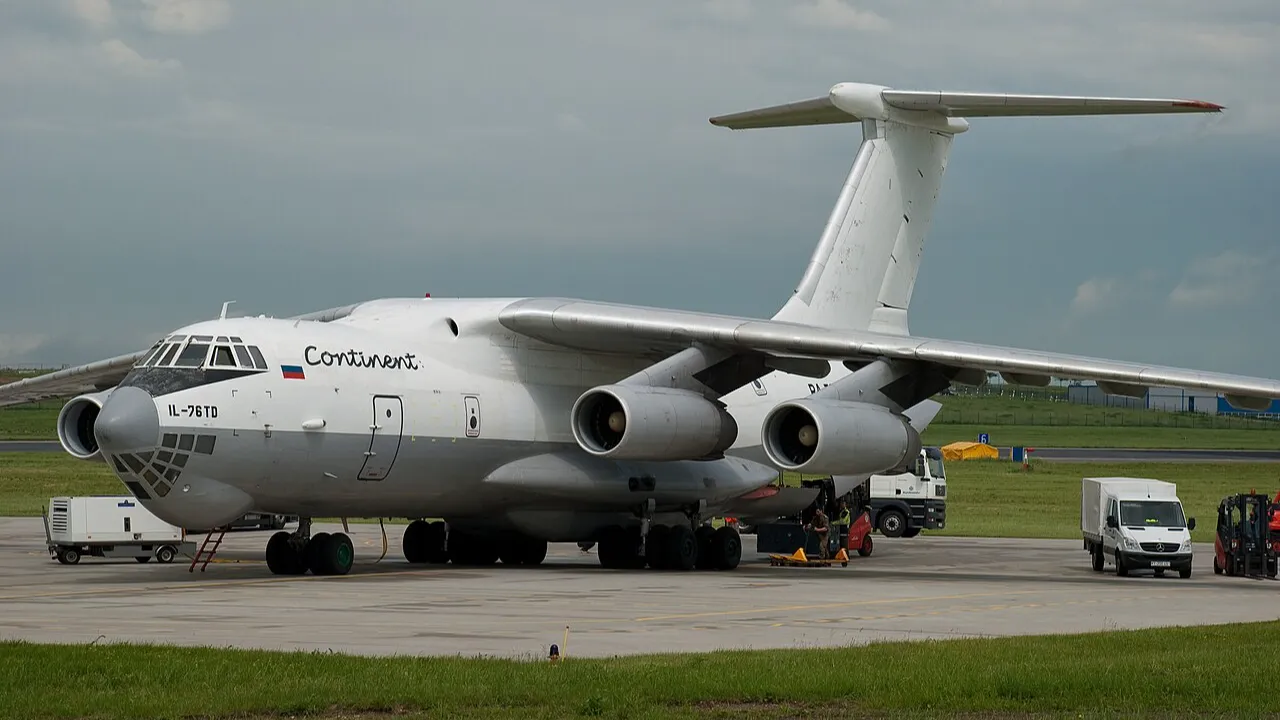
All in All
Various possibilities persist in the current frame. This might just be a one-off event where the Il-76’s presence in Caracas might just be “a single flight with high symbolic value, followed by “radio silence” says WarWingsDaily. There might just be continued rotation of Russian aircraft in Venezuela, normalizing the presence of such fighter jets. But there’s a third possibility: of escalation of US-Venezuela conflict. No one is sure how this will pan out.
.jpg)
.jpg)


.jpg)