How the Hayli Gubbi Volcano Disrupted Flights Across Asia: Causes, Impact, and Historical Parallels

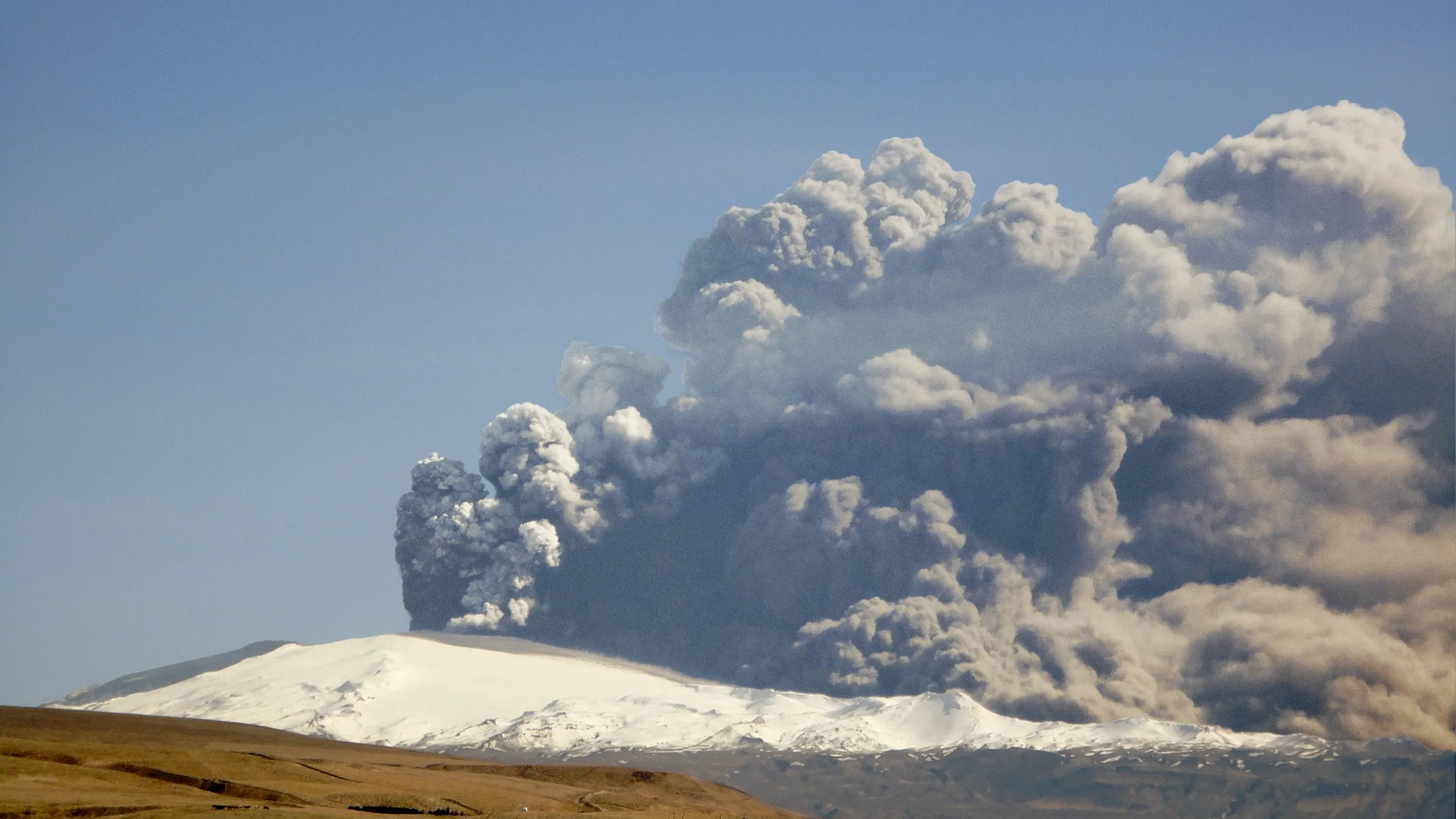
On 23 November 2025, the long-dormant Hayli Gubbi volcano in Ethiopia’s Afar region erupted, sending a towering ash and Sulphur-dioxide plume up to 14–15 km (≈ 45,000–50,000 ft) into the atmosphere. Much like the 2010 eruptions of Eyjafjallajökull in Iceland that sprang up to 16 kilometers, causing 100,000 flight cancelations, closure of 300 airports, that led10 million passengers unable to travel and a reported £1.1 billion loss for the airline industry“, Halyi Gubbi is set to affect aviation as its ash cloud has drifted eastward across the Arabian Sea toward the Middle East and South Asia — prompting the cancellation and rerouting of multiple flights operated by major carriers in India and neighboring countries.

Photo: Árni Friðriksson | Wikimedia Commons
Eyjafjallajokull volcano of Iceland in 2010

The news of disruptions comes only a week after the case of seismic activity observed in Sumeru in Indonesia in November 19, leading to volcanic ash being hurled multiple kilometers above sea level.

The eruption of Halyi Gubbi has forced aviation regulators to issue urgent advisories and airlines to enact precautionary measures, raising serious concerns about flight safety, engine integrity and disruption to passenger travel across a wide segment of international airspace.

Why and how much do aircraft wings flex/bend (during turbulence)?

Halyi Gubbi: A General Introduction

Feature Details
Location Afar Region, Ethiopia
Coordinates 13.6° N, 40.6° E
Volcano Type Stratovolcano / fissure eruption
Last Major Eruption 23 November 2025
Previous Eruption Dormant for several decades prior to 2025
Volcanic Ash Plume Height 14–15 km (≈ 45,000–50,000 ft)
Area Affected Ethiopia, Red Sea, Arabian Peninsula, India, parts of South Asia
Alert Level Aviation Color Code: Red / Emergency Ash Advisory Issued
Impact on Aviation Flight cancellations, rerouting, and temporary airspace closures in India, Middle East, and potentially China
Agencies Monitoring VAAC Toulouse, IMD (India), DGCA (India), Civil Aviation Authorities in affected regions
Hazard Type Ash clouds, sulphur dioxide, reduced visibility, engine damage potential
Precautionary Measures Airlines issued advisories, flight reroutes, grounded aircraft, airport inspections
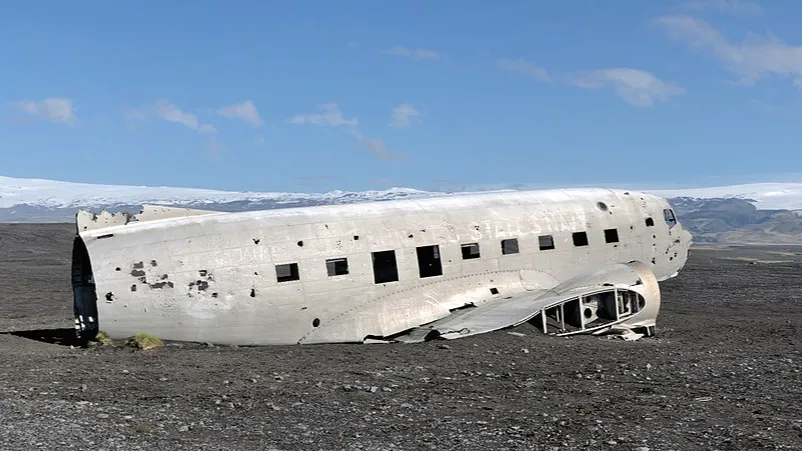
Photo: Michael Angelo Luna | Wikimedia Commons

Path of Halyi Gubbi’s Ash Cloud and Geographical Spread

Halyi Gubbi has disrupted flights in India, Pakistan (a nation that was grappling with Aircraft maintenance issues a few weeks ago) and the Gulf region. According to the India Meteorological Department (IMD), high-level winds carried the ash cloud from Ethiopia across the Red Sea, over Yemen and Oman, across the Arabian Sea, and then into western and northern India.

According to The Indian Express, forecast models show the ash plume influencing airspace over Gujarat, Delhi-NCR, Rajasthan, Punjab and Haryana. Delhi, which has seen massive air pollution scare over the past few months, is expected to get more pollued as Halyi Gubbi’s ash hovers over its skies.

India Meteorological Department IMD expected the ash cloud to exit Indian airspace by Tuesday evening (around 19:30 IST) and drift further eastward toward China, a nation that India recently went past in the WDMMA rankings.

Therefore, flight corridors extending toward South East Asia and potentially China, depending on ash dispersion and wind trajectories.

Photo: airliners.net | WIkimedia Commons

India Inches Past China in Modern Military Aircraft Rankings

Indian Airlines affected by Halyi Gubbi and Scope of Disruption

Airline / Region Action taken Official Statements in Twitter
Air India (AI) Cancelled 11 flights and grounded aircraft for safety checks

Following the volcanic eruption in Ethiopia, ash clouds have been observed over certain geographical regions. We are closely monitoring the situation and remain in constant touch with our operating crew. There is no major impact on Air India flights at this time. We will take all necessary steps under our precautionary plans to ensure the safety of our passengers, crew and aircraft, which remains our top priority. Our ground teams across the network will continue to support passengers and keep them updated on their flights“.

Akasa Air Suspended all scheduled flights to Jeddah, Kuwait, Abu Dhabi

We are closely monitoring the volcanic activity in Ethiopia and its potential impact on flight operations in nearby regions. Our teams will continue to assess the situation in compliance with international aviation advisories and safety protocols and take necessary actions as required. At Akasa Air, passenger safety and well-being is our utmost priority.”

IndiGo (6E) Cochin–Dubai flight (6E1475)

Kannur to Abu Dhabi flight was diverted to Ahmedabad

“We are fully prepared with all necessary precautions to ensure safe and reliable operations. Our 6E teams are available across all touchpoints to support you with any assistance you may need. We will continue to monitor the developments round the clock and keep you informed of any updates to help minimise inconvenience (if any).”

Other foreign carriers (e.g. KLM Royal Dutch Airlines) Cancelled Amsterdam–Delhi (KL 871) and Delhi–Amsterdam (KL 872) flights None
Photo: Adisids | Wikimedia Commons

Why Volcanic Ash Matters for Aviation Safety

The eruption of a volcano such as Halyi Gubbi often releases huge quantities of fragments of pulverized magmatic rock. When these reach great heights and can aggregate in clouds, which in turn drift with the wind. A related term is “ashfall”, which refers to the settling of these particles eventually in the ground. Gravity dictaes larger, heavier particles of such kind to settle near the eruption area while the lighter ones can drift across continents, as is the case with Halyi.

Volcanic ash is notoriously hazardous to aircraft, as microscopic abrasive particles can:

  • damage engines
  • erode critical surfaces
  • degrade visibility
  • Contaminate cabin air
  • foul sensors

Please note that volcanic ash can be categorized differently:

  • Volcanic Dust (Fine Ash): Finer particles measuring less than 0.0625 mm in diameter.
  • Volcanic Ash (Coarse Ash): Solid particles ejected during a volcanic eruption, with sizes ranging from 0.625 mm to 2 mm. (USGS)
  • Volcanic Dust Contamination: Widespread, thin layers of volcanic dust and fumes dispersed through the atmosphere; residual traces may persist for years.
  • Volcanic Ash Clouds: Dense, dark clouds composed of volcanic ash, dust, and gases, typically forming near the volcano (within ~200 nm depending on eruption height) and dissipating within one to two days.

In Pakistan, for example, Halyi’s “ash cloud was seen 60 nautical miles (111km) south of the port city of Gwadar on Monday“, reported Al-Jazeera, while Air Arabia cancelled its operations from Sharjah, UAE. The director-general of meteorology at the IMD, Dr Mrutyunjay Mohapatra, said that on Tuesday evening, the ash cloud associated with Halyi was travelling at a speed of 100-150 kmph over Eastern India.
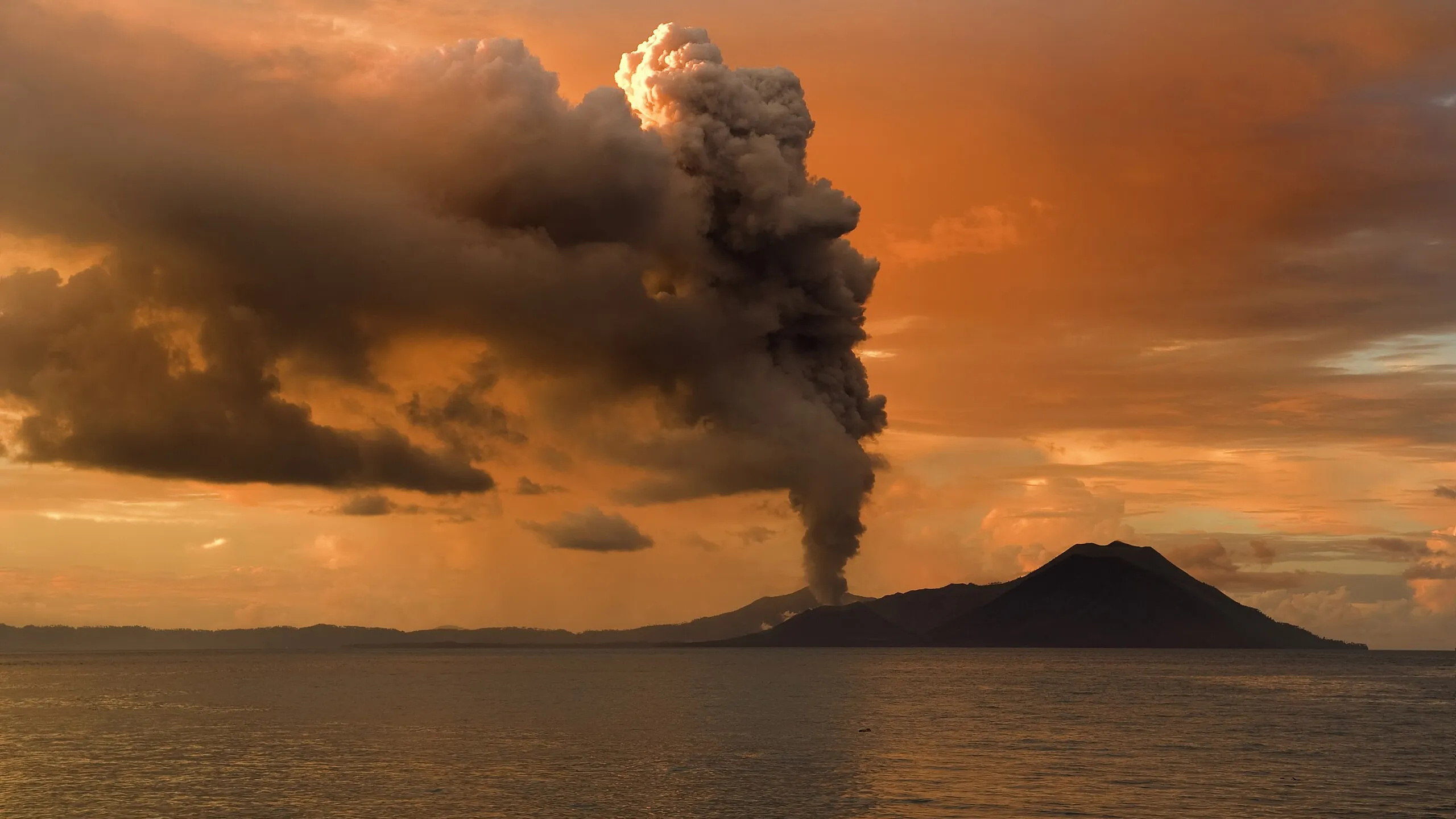
Photo: Taro Taylor | Wikimedia Commons

Previous Volcanic‑Ash Flight Cancellations: Key Incidents

Volcano (Year) / Location Approx. Period of Disruption Scope & Impact on Flights / Air Travel Key Notes / Details
Eyjafjallajökull — Iceland (2010) Apr 15–22, 2010 (major disruption) ~104,000 flights cancelled across Europe (≈ 48% of expected traffic over that 8‑day crisis), as reported by ICAO
  • Airspace closures affected 34 countries
  • some days saw up to 80–84 % of flights cancelled.
Grímsvötn — Iceland (2011) May 22–25, 2011 ~900 flights cancelled across Europe; many domestic, transatlantic and regional services disrupted
  • Included airport closures (e.g., main airport Keflavík)
  • cancellations in Denmark, UK, Scotland, and rerouting of transatlantic flights.
Puyehue-Cordón Caulle — Chile (2011‑2012) June 2011 onward (several days/weeks) Dozens to hundreds of flights cancelled in South America and beyond; airports in Argentina (e.g., Bariloche, Neuquén) closed; international disruptions reaching Australia, New Zealand.
  • Ash cloud drifted across the Southern Hemisphere
  • over 3,500 people evacuated near volcano
Mount Lewotobi Laki-laki — Indonesia (2024 / 2025) Nov 2024 & Mar–Jul 2025 (multiple eruptions) At least 80 flights cancelled (Nov 2024 eruption) between Nov 4–12; in 2025 eruption, at least 24 flights were cancelled on a single day.
  • Affected flights to/from Bali, Lombok
  • airlines such as Jetstar, Qantas, Virgin Australia, Singapore Airlines reportedly cancelled services.
Photo: NASA

How Volcanic Ash can lead to Aircraft Accidents

In 1982, a Boeing 747-200 operated by British Airways (Flight 009) flew into an ash cloud that had formed after an eruption in West Java. All four engines of the aircraft went down and the $83 million aircraft essentially transmuted into a glider weighing nearly 400,434 kg.

According to Stewart John, a fellow of the Royal Academy of Engineering and former president of the Royal Aeronautical Society, volcanic ash can be fatal for an aircraft, and his words were quoted in the BBC:

“This dust really is nasty stuff…It’s extremely fine and if it gets into a jet engine, it blocks up all of the ventilation holes that bleed in cooling air. Jet engines operate at about 2,000C, and the metals can’t take that. The engine will just shut down.”

In the case of BA 009, the crew managed to blow the ash out of the engines by “turning the engines over and having a clean airflow going through“. John was of the opinion that the volcanic ash cloud was akin to a typhoon, as it would be too difficult or downright impossible to fly through it. There were also the added problems that no one could directly monitor it, and satellite images were the only guiding tool, besides erring “on the side of extreme caution.”

It is not only the engines that are affected when an aircraft walks into a volcanic ash. The following forward-facing surfaces of an airplane are also affected:

  • landing-light covers
  • forward cabin windows
  • engine nose cowls
  • thrust reversers
  • pitot tubes
Photo: Hansueli Krapf | Wikimedia Commons

If volcanic ash penetrates electronics aboard the aircraft, the navigation and other onboard systems in the cockpit might also be affected, potentially leading to a lack of communication between the flight crew and passengers/ flight attendants. What’s more, electrical disturbances within the ash cloud might suppress the ability to transmit a distress call.
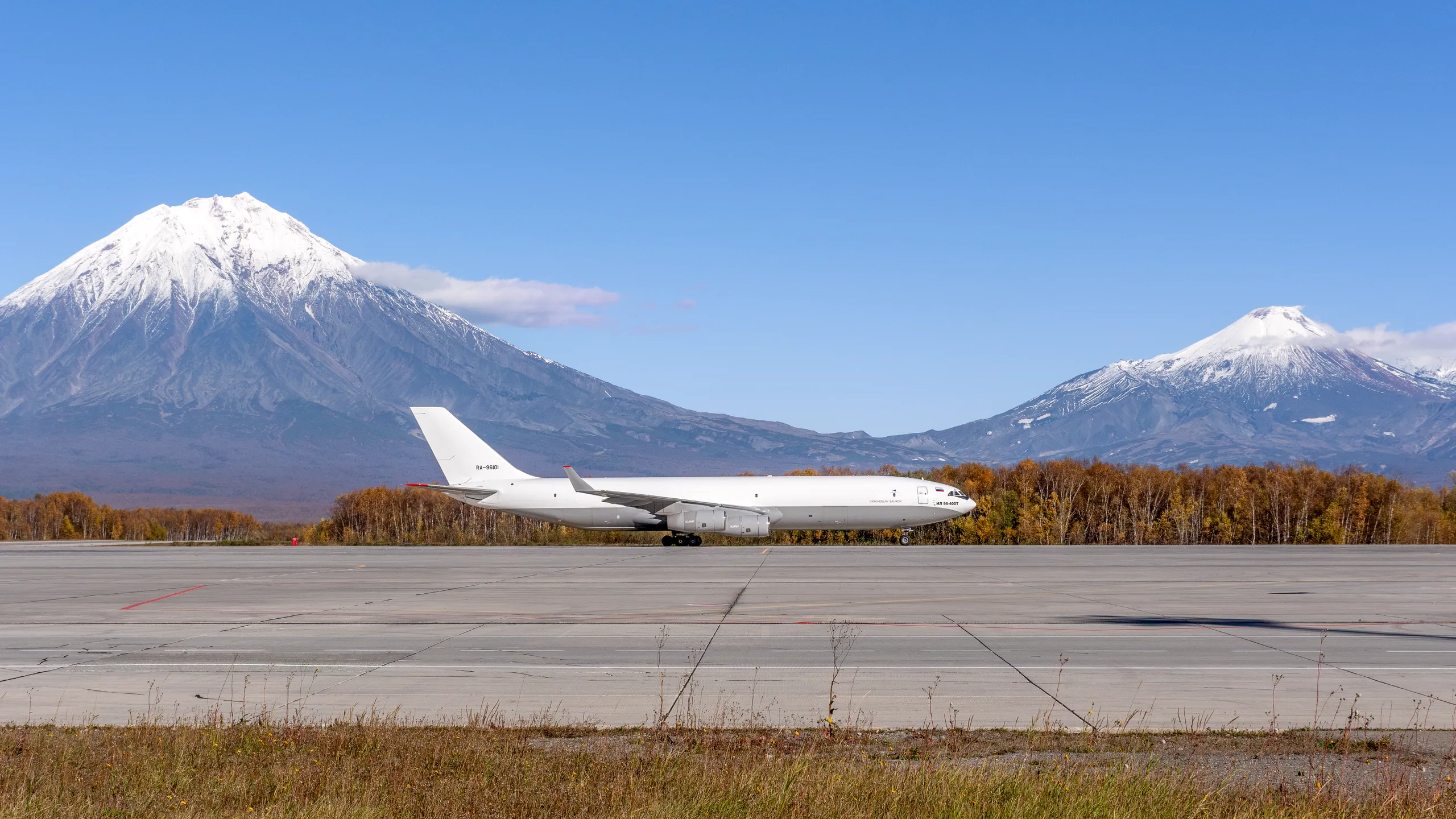
According to Smithsonian Magazine, as an aircraft passes through an ash cloud, “the ash is drawn through the engine fan and into the compressors, eroding the compressor airfoils”:

“The ash continues its path into the combustor, where the high temperatures of the burning air-fuel mixture cause the silica to melt; it then flows into the turbine section of the engine. The molten glass sticks to vital engine components building up as a deposit on combustor surfaces and the high pressure turbine inlet airfoils. The ash doesn’t need to completely gum up an engine to cause flameouts..”

Photo: Nikita Zhuravlev | Wikimedia Commons

Nyoma Airbase: How India Built one of the World’s Highest Operational Fighter Base at 13,700 Feet

All in All

The eruption of Hayli Gubbi has exposed just how fragile global air connectivity can be in the face of natural hazards. What began as a geological occurrence in Ethiopia rapidly morphed into a multi-national aviation disruption — affecting flights across India, the Middle East and potentially into East Asia.

Given that China is expecting the ash cloud of the Hayli to be hovering over its skies, Chinese aviation might be affected even more. After all, almost half a million flights between China and Japan are on the way to cancellation following geopolitical strife.

Leave a Comment

Your email address will not be published. Required fields are marked *

Scroll to Top