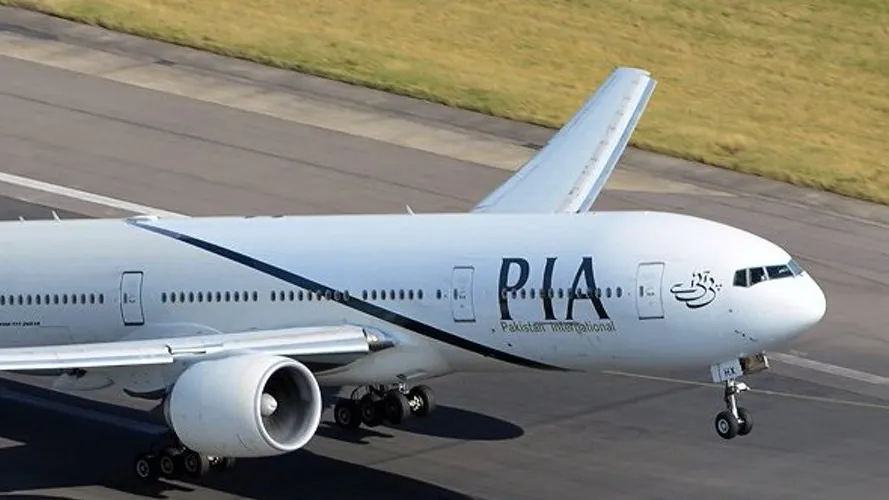

Dozens of flights have been delayed or cancelled as engineers withheld clearances for aircraft they deemed unairworthy. The airline resorted to alternative engineering teams, which managed to clear only two aircraft, highlighting the depth of the operational disruption.
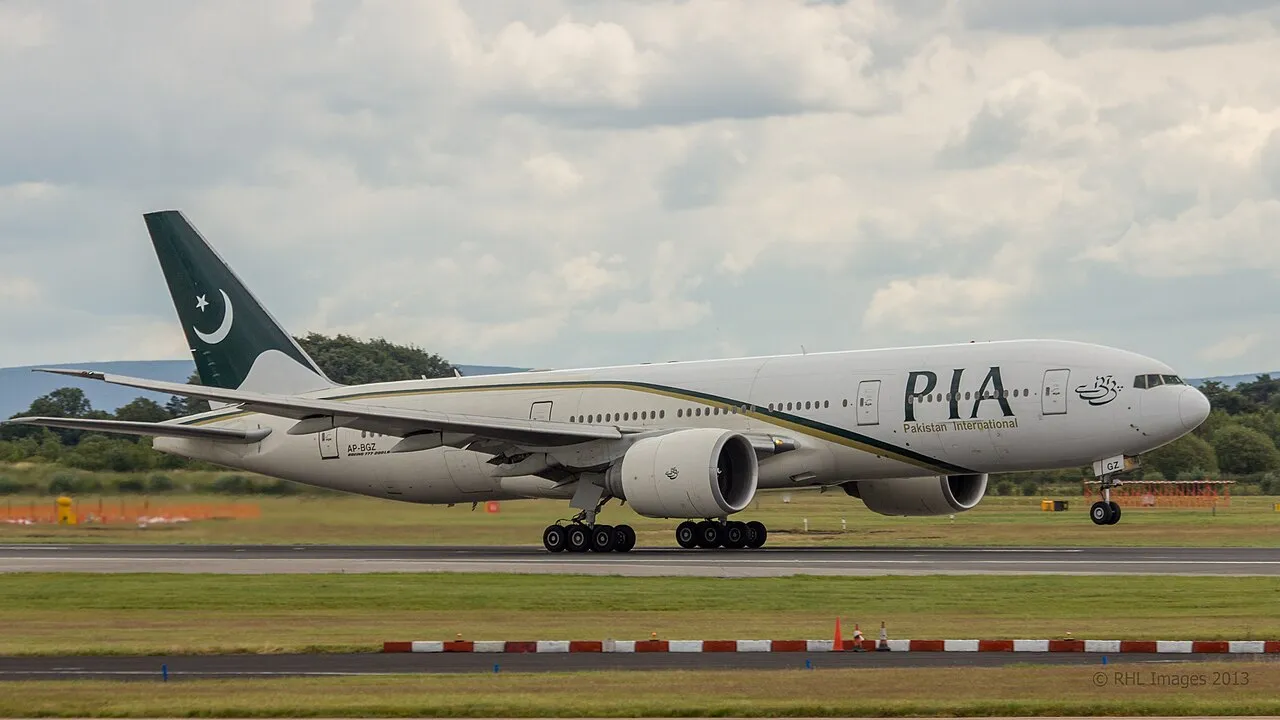
A Standoff Between Pakistan International Airlines and Aircraft Engineers Association of Pakistan
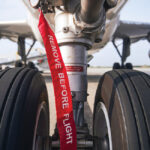
The PIA management claims that the SAEP has no legal standing. It is said that the Pakistani media has referred to the halt of operations as “Chakka Jaam” [a phrase that can be loosely translated as a closing f operations due to protests, though its literal translation is “jammed tyres”].
PIA management accused the Society of Aircraft Engineers of Pakistan (SAEP) of using safety concerns to collectively stop work and deliberately disrupt the airline’s privatization process. The airline said its engineering management and key department officials responded immediately, using alternative measures and working through the night and following day to restore operations and limit the impact on already delayed flights.
However, Dawn reported that PIA engineers had initially protested by wearing black ribbons on their arms. On November 3, the engineers reportedly stopped clearing aircraft that were contributing to delays, escalating the dispute.
SAEP represents around 570 aircraft engineers associated with Pakistan International Airlines. The organization said the action would continue until its demands were addressed.
A senior SAEP member denied that the engineers were conducting a strike, saying they were instead following mandatory safety and aircraft-certification procedures required as part of their professional responsibilities. The member argued that PIA management was portraying lawful compliance with safety requirements as an operational disruption instead of addressing the engineers’ long-standing professional and financial concerns.
PIA’s CEO, meanwhile, maintained that the Pakistan Essential Services (Maintenance) Act, 1952 applies to the airline and makes strikes or walkouts illegal. As reported by Business Recorder, the airline said SAEP had no legal standing and warned that employees responsible for prohibited industrial action could face legal consequences.

What is the way out for Pakistan International Airlines?
PIA has set its sights on getting privatized. This would mark PIA’s first privatization, with ‘divestment of loss-making state firms a central plank of last year’s bailout.
The companies that have participated in the privatisation process of PIA are:
- Arif Habib Limited
- Fauji Fertiliser Company (FFC)
- Air Blue
- Lucky Group
To draw a parallel with the nation we’ve previously touched upon, it has also been suggested to Nepal Airlines Corporation to get privatized to solve its financial problems.
PIA spokesperson have commented that it would be taking legal against all individuals involved in or supporting SAEP’s actions (which it deems to be illegal) would be “dealt with according to the law”.
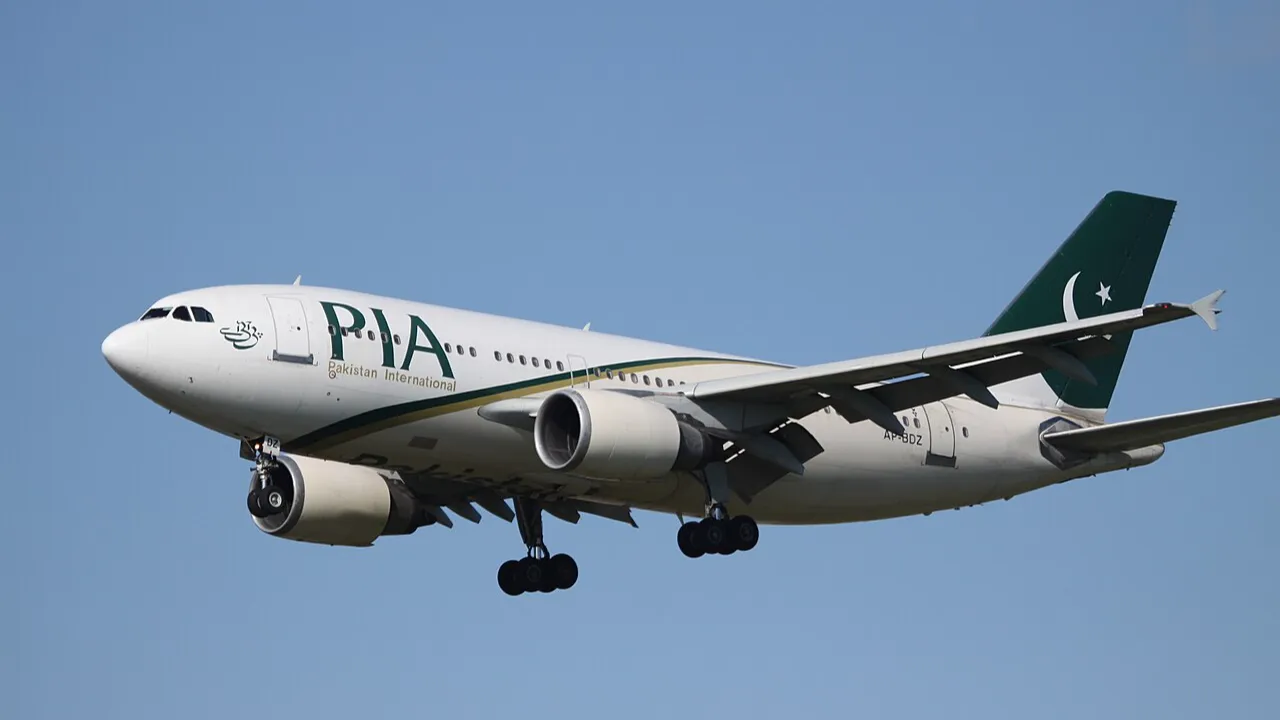
What happened to the underlying safety dispute?
PIA management never directly addressed the specific technical concerns SAEP raised. When asked, a PIA spokesman “did not address the specific safety concerns raised by SAEP,” according to Pakistan Today. PIA’s later public position was that aircraft safety oversight in Pakistan is the responsibility of the Pakistan Civil Aviation Authority, not the engineers’ association, and that SAEP’s claims were unfounded.
SAEP, for its part, said its refusal to certify certain aircraft stemmed partly from the reuse of old parts amid a shortage of new spares — a claim PIA has not publicly confirmed or refuted with specifics. Rather than being resolved, the standoff deepened in the days after flights resumed: PIA transferred several engineers between cities, a move SAEP called retaliatory, and later dismissed the association’s two top officials. PIA said the dismissals followed a separate, unrelated administrative process. As of this writing, no independent third-party finding has been reported confirming or dismissing the specific airworthiness concerns SAEP raised.

_(2).jpg)
.jpg)
.jpg)