

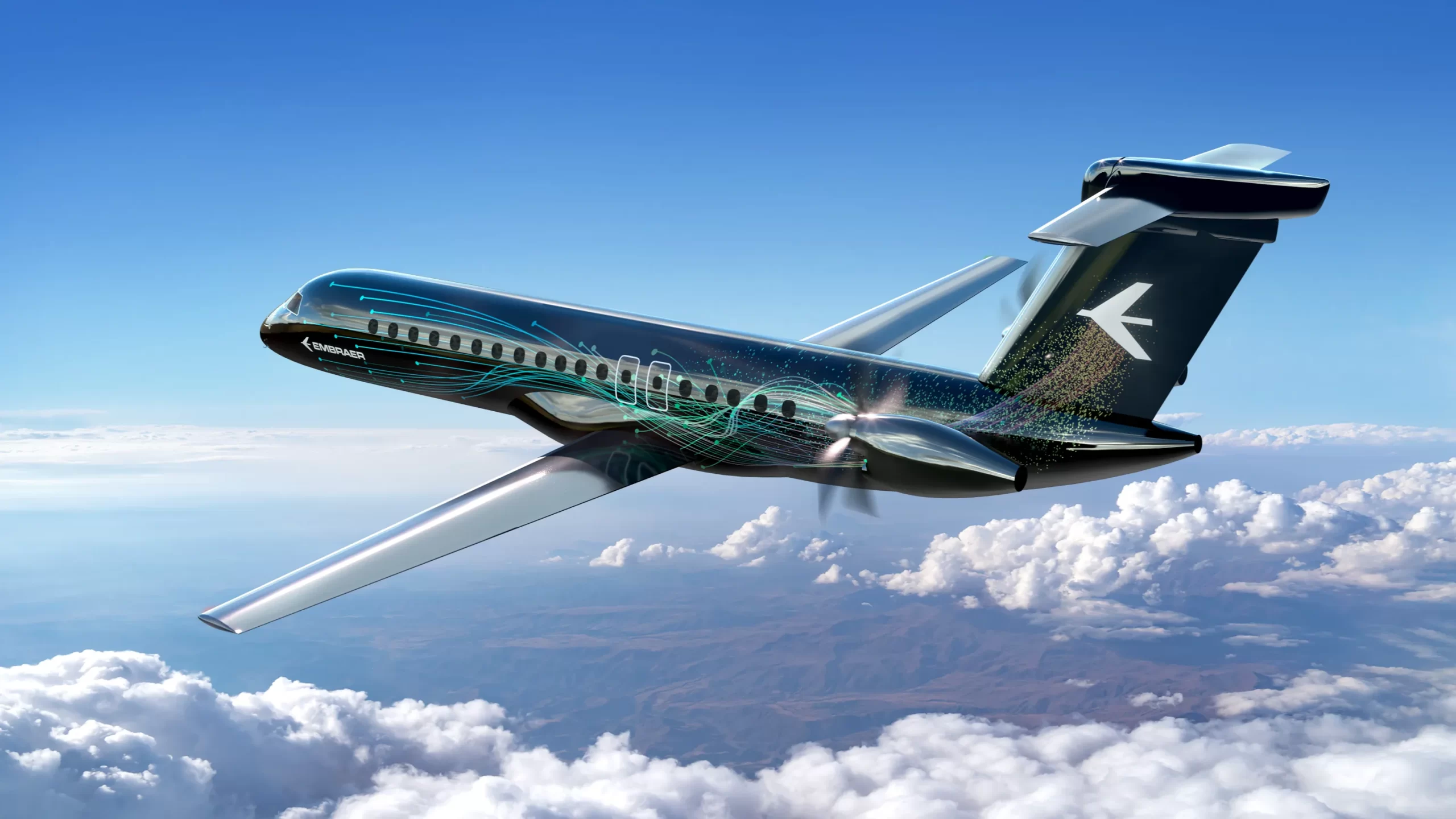
On 4 November 2025, Embraer officially cancelled its long-mooted development of a 70- to 90-seat next-generation turboprop aircraft, confirming that the project is no longer merely deferred but terminated. The decision was announced during the company’s third-quarter earnings call, with CEO Francisco Gomes Neto stating that the firm currently “has no project or initiative in that direction”.
Concurrently, Embraer reported that supply-chain constraints which had previously threatened its production schedule for 2025 are resolved to the extent that it holds all components needed to meet its delivery target. The manufacturer reaffirmed its aim to deliver 222-240 civil aircraft in 2025, including 145-155 business jets and 77-85 E-Jets.
Embraer’s Turboprop Project Cancellation and Background
Embraer’s cancellation marks the end of an initiative that had been in exploration for several years. The company had been evaluating a turboprop model designed to challenge the stronghold of rival manufacturers such as ATR in the regional turboprop segment.
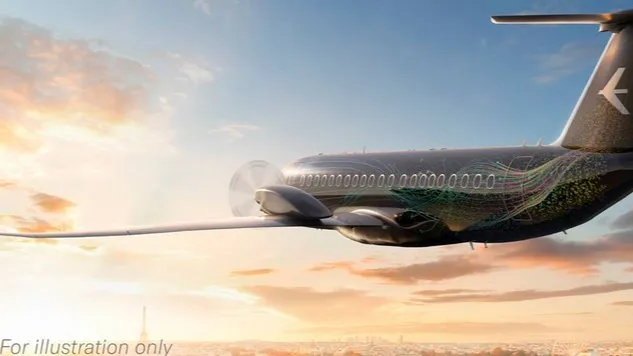
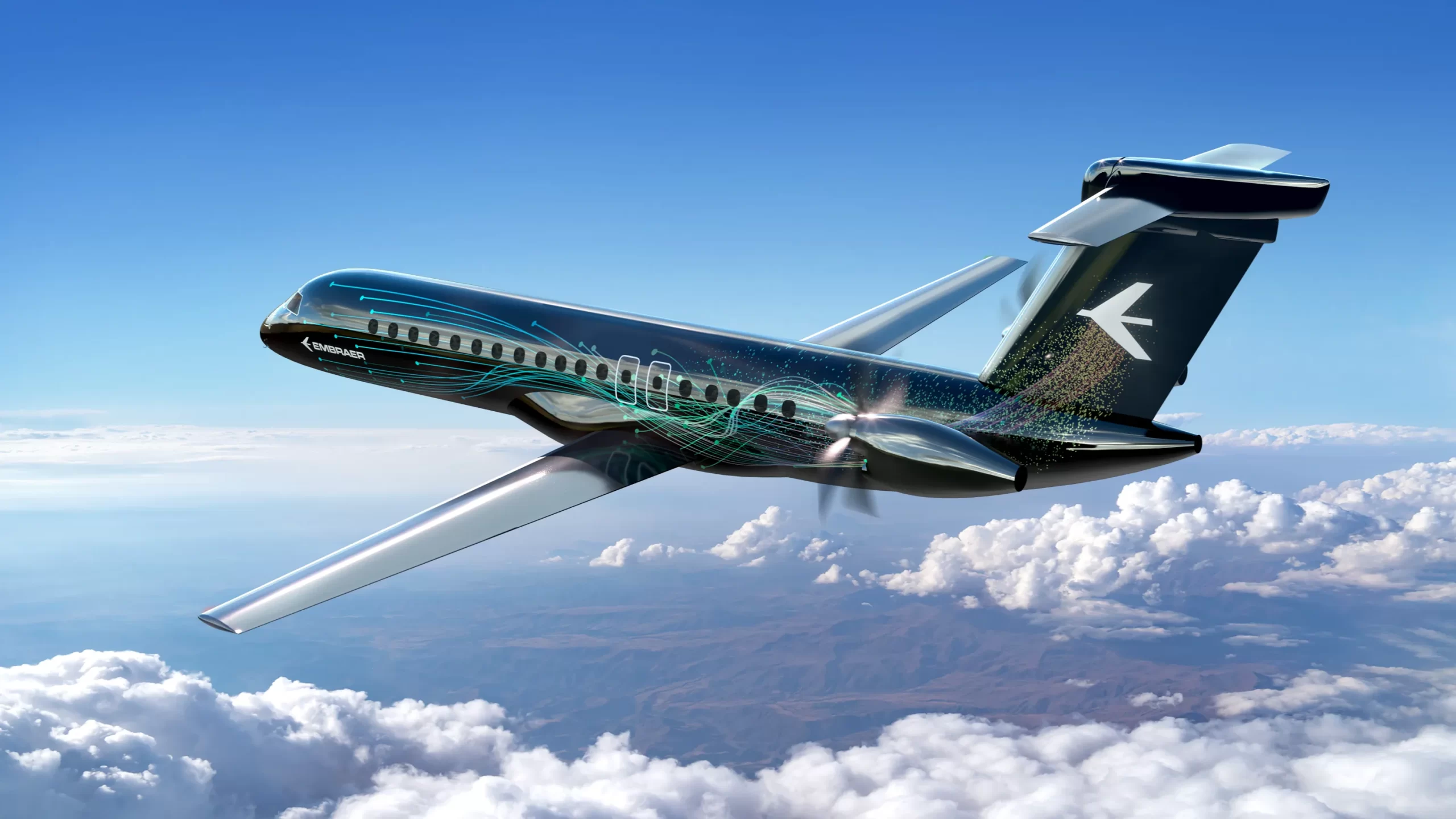
The concept had progressed to digital renders in 2020 showing wing-mounted powerplants, followed in 2021 by a design iteration with rear-mounted engines—yet ultimately no launch decision was taken because engine manufacturers had not produced what Embraer deemed next-generation turbines.
An article published by Simple Flying quoted the words of the manufacturer to put the project on hold:
“Embraer has decided to postpone the decision on whether to go ahead with a next generation turbo prop aircraft, but will work closely with potential suppliers during the course of 2023 to secure the business the program requires”
The carrier had hoped that the turboprop it was working on would have:
- 25% increased capacity
- 15% lower operating costs
- reduced fuel burn
- 20% higher average cruising speed than current turboprops.
The project was envisioned as a contemporary, fuel-efficient successor to aging regional aircraft. Had the now-cancelled project seen the light of the day, it could, quite possibly, have reclaimed a substantial portion of the market previously served by Embraer’s EMB-120 model.
However, the initiative faced challenges in attracting launch partners and government support. This led Embraer to shift:
- focus toward electric and hybrid propulsion technologies via its Eve Air Mobility subsidiary
- ongoing research into future regional aircraft concepts
Gomes Neto, the CEO of Embraer, emphasised that the initiative was not “on hold” but completely cancelled, indicating a strategic pivot rather than a temporary delay, reported Aviacionline.
The statement is quite a change from the company’s stance on the subject during the Paris Air Show where Arjan Meijer, the CEO of Embraer Commercial Aircraft had opined to Aviation Week that the program, though had not been annulled was “quite far down in the freezer at the moment.” Meijer had exposited that the unveiling of a novel aircraft required “a performance leap that current propulsion technology cannot guarantee, making the business case unviable“. Now, the stance is one of outright cancellation.
The Cancellation of Embraer’s Turboprop is Not due to Supply-Chain Problem
During the unveiling of the aerospace manufacturer’s third-quarter financial results, it had stated that “the risk for the supply chain in 2025 … is over. We have all the parts we need to assemble the aircraft”, giving us a sense that supply-chain problems were not directly linked with stopping the turbojet program.
In the first nine months of 2025, the company delivered 148 aircraft. These included:
- 102 business jets
- 46 commercial E-Jets
It must also deliver at least another 74 units (43 business jets + 31 E-Jets) in Q4 to hit its full-year target of 222-240.
Revenue for Q3 reached USD 2.004 billion, up 18 % year-on-year, and the order backlog hit an all-time high of USD 31.3 billion.
Embraer might still work on the E175-E2
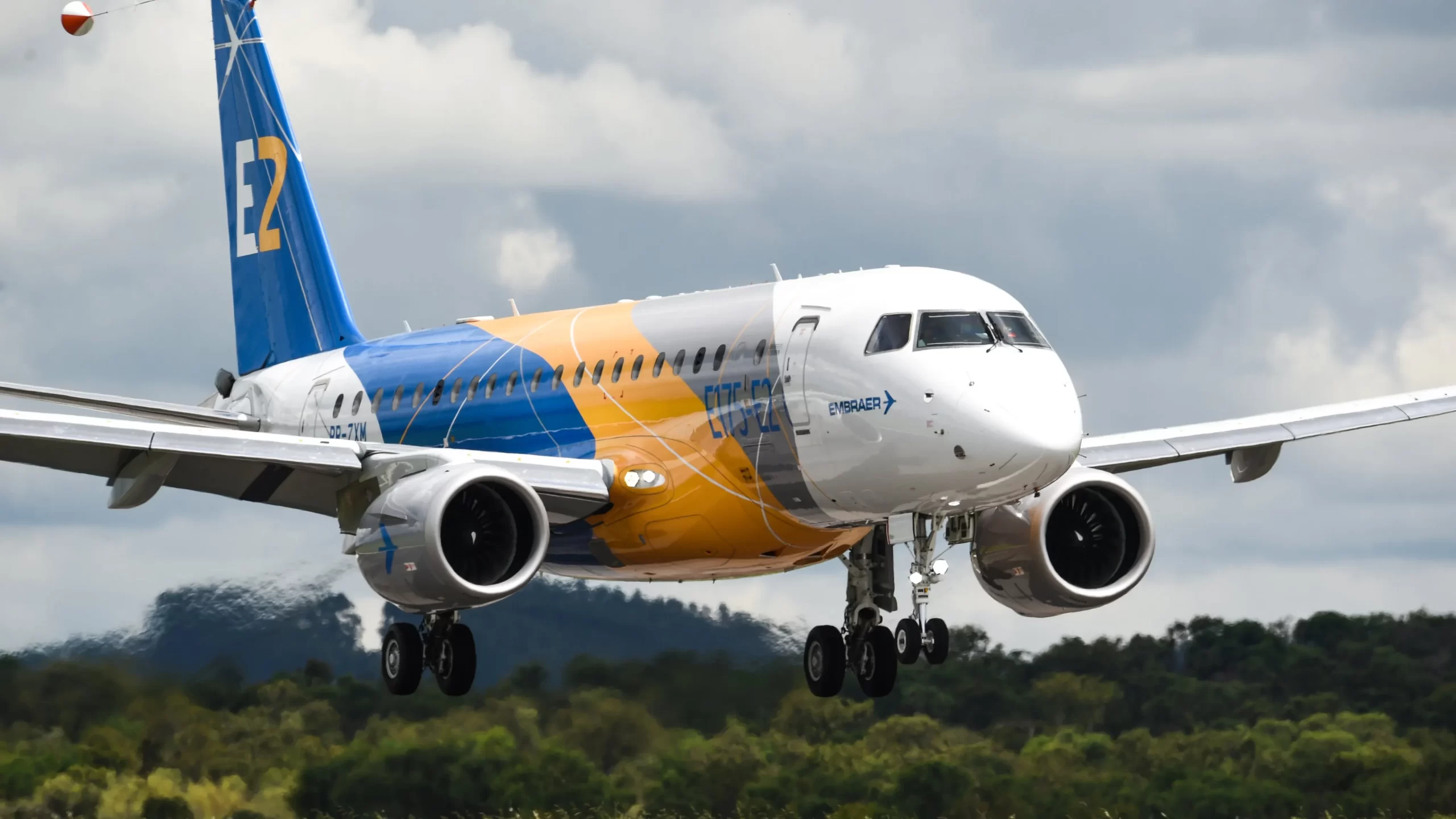
While Embraer has put an end to the turboprop project, the E175-E2 remains on hold. It has been reported that the aircraft is pending regulatory changes in the United States. As quoted in Aerospace Global News, Neto said,
“What is on hold is the E175-E2…That one is on hold because of the scope clause in the US. If any change happens, then we will consider restoring the work on the E175-E2.”
The E175-E2 was first unveiled in 2013 and is the smallest member of Embraer’s E-Jets E2 family. However, its access to the U.S. regional airline market remains limited because current scope clauses restrict the size and weight of aircraft that regional carriers can operate for major airlines.
The E175-E2 has a higher maximum takeoff weight than the limits permitted under existing labor agreements, making it ineligible for most regional jet operations in the United States. As a result, its commercial prospects in the country remain restricted unless scope-clause rules change or demand increases in other markets.
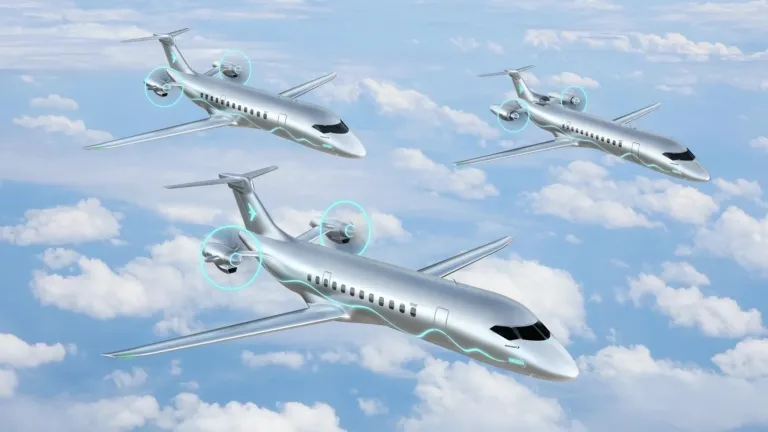
Embraer hints at a novel development, though
By cancelling its turboprop initiative, Embraer relinquishes ambition to re-enter a regional turboprop market segment that has remained largely stable under incumbents. The decision allows the company to reallocate resources toward its jet families and digital or electrified propulsion initiatives.
In its earnings commentary, the firm suggested future product options could be “larger or smaller than the E195-E2”, and could quite possibly develop itself as a competitor to Boeing or Airbus.
The confirmation of supply-chain recovery is set to improve investor confidence and operational predictability for 2025 and beyond. For the regional aircraft market, the exit of Embraer from the turboprop project means potentially fewer new entrants, which may preserve the status quo among current turboprop manufacturers. The manufacturer appears to be reaffirming commitment to its existing jet programmes and business-aviation offerings rather than branching into the turboprop domain.



Leave a Reply