

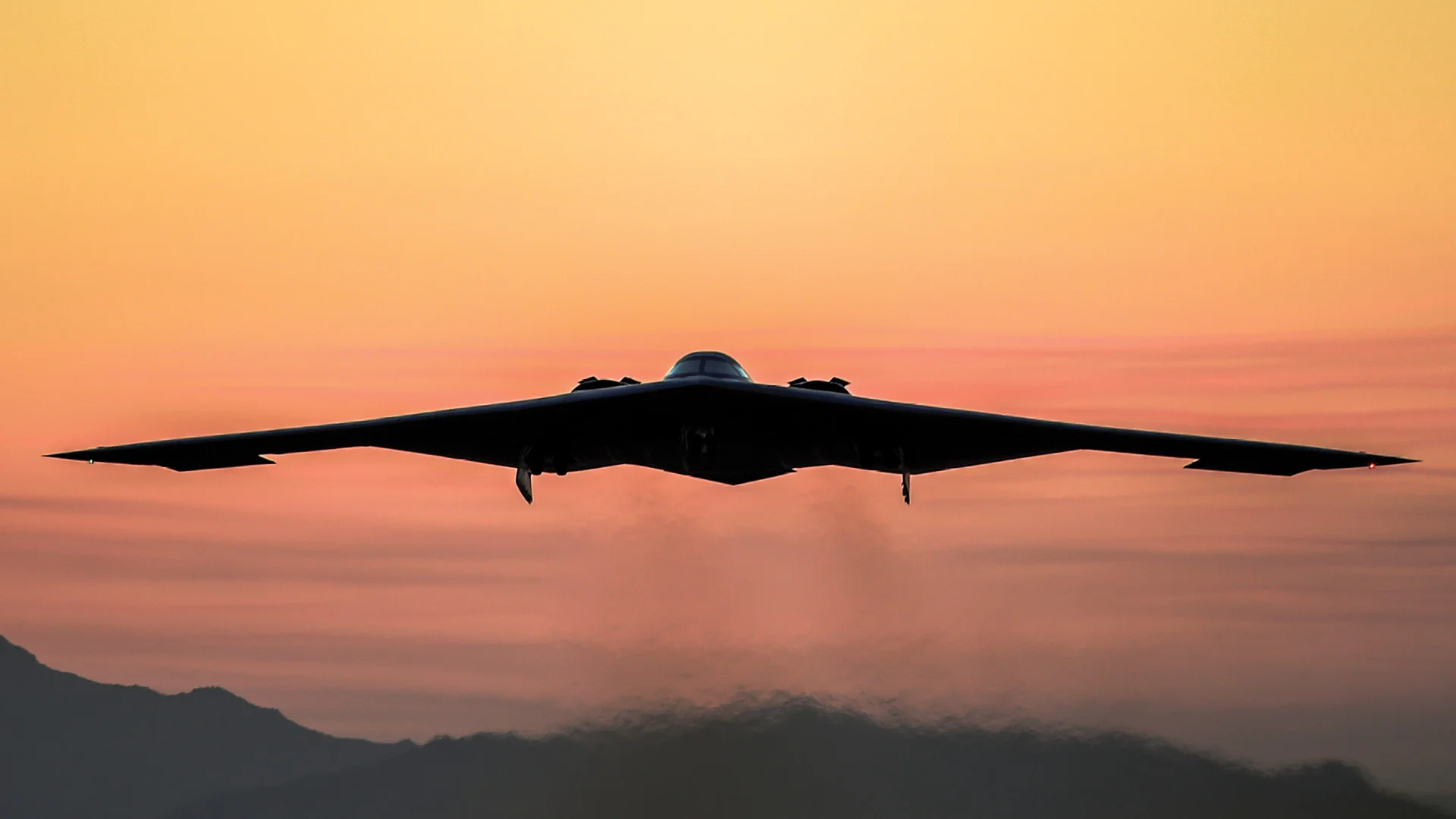
The word “Aviation” is cognate with “Aves”- the word with which we describe the animals that take to the skies. And it is this dream of taking to the skies, possibly beyond the horizon where a word like “sky” is rendered meaningless, is what captures the imagination of billions of people. And these creative, imaginative powers take off at a very young age, when a student might need to be involved with aviation-related literature. And that too in an educational project.
So there are books that one can, should, and, if you’re an aviation lover, must dare to read.
So a book is a window into time, into the reality of different epochs. And since the aviation sector- which rose as the Wright Brothers took to flight, and then rose higher as rockets were launched, and still higher when humans look to space- has had so much transformation, there are plenty of aviation books that will come in handy during your educational project.
Let’s take a look at a few of them:
1. The Wright Brothers by David McCollough
“The Wright Brothers” is an iconic book in the field of aviation. This is about the courage, ingenuity, and sheer audacity of two brothers- Wilvur and Oliver- to make it to the skies. And when they flew, it was for 120 feet, in around 12 seconds.

Photo: Wright Brothers | Wikimedia Commons
And in a time when we have aircraft that are flying almost as high as 7 times the speed of sound, we might think it rather pedestrian to have taken the flight that the Wright brothers did. But their act of flight was what led to a revolutionizing transformation of humans from being pedestrians to automobiles to fliers. And all of the pilots and cabin crew and astronauts and aircraft manufacturers, maintainers-should owe a section of their passion to the Wright Brothers, who, despite setbacks after setbacks, pursued flight relentlessly.
What Aviation lovers say about the book?
The book got a lot of rave reviews. The daughter of the famed aviator Charles Lindburg wrote in the New York Times that the book: “shows as never before how two Ohio boys from a remarkable family taught the world to fly”
A review of the book in San Francisco Chronicle echoed the second quote (from the book) that we have chosen above: “Fighting the persistent myth of invention’s “aha” moment, McCullough shows the importance of experiment, error and inspiration in nature. “
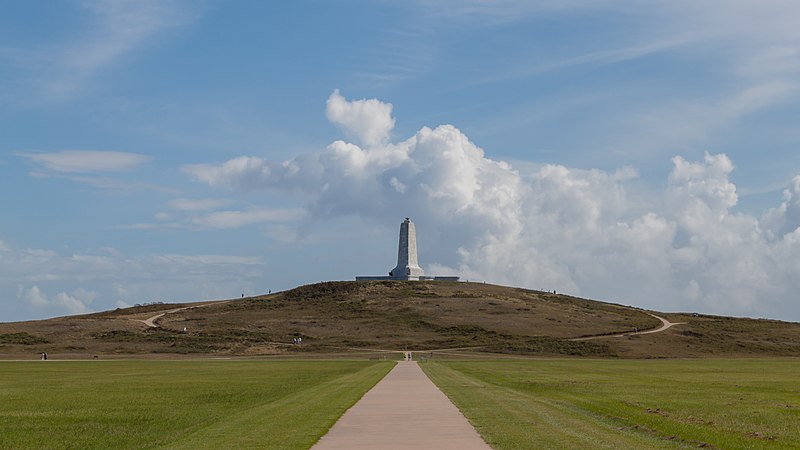
Photo: Kip Robinson | Wikimedia Commons
2. Pale Blue Dot by Carl Sagan
Carl Sagan was a genius- a genius at conveying science to the General Public. A remarkable example of this was when he pondered about the picture that Voyager, the farthest-traveling telescope ever made, turned towards the Earth at his behest and took a picture. One can barely determine where the Earth is, let alone identify it precisely.
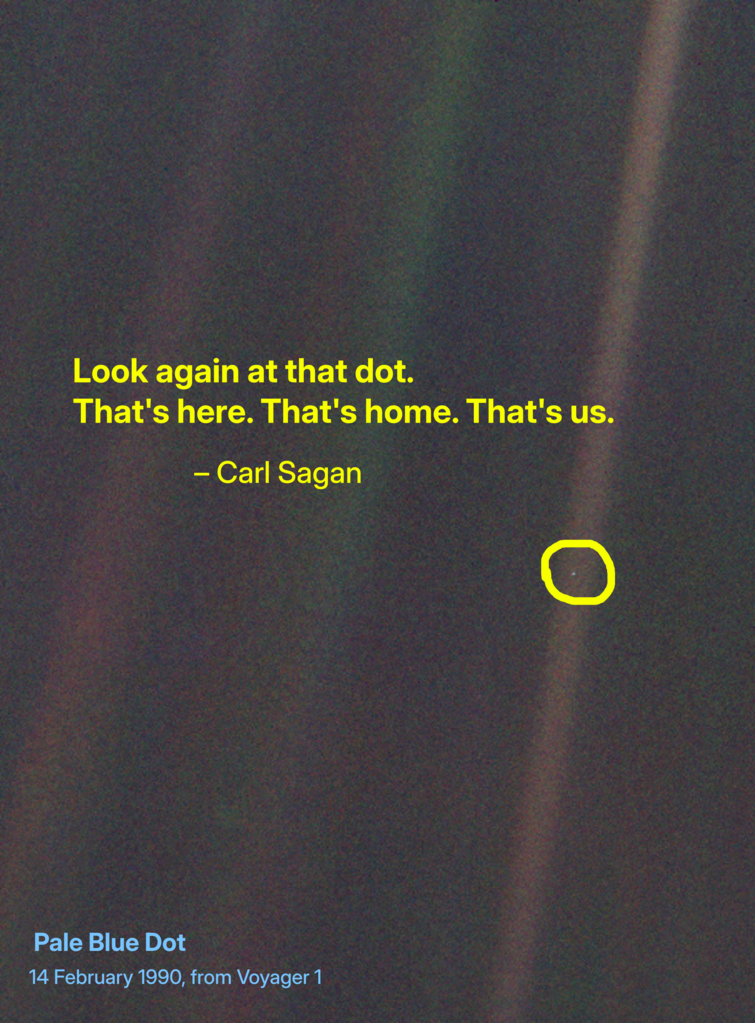
Carl Sagan has written a lot of books- especially about the Cosmos and Space Science- urging humans to fly further than we’ve dared- perhaps even imagined. He thinks that the human species won’t be limited to the limits of skies that aviation laws or boundaries have given us. We’ll wander into other Solar Systems, other Galaxies. But with time. With patience. And like the Wright Brothers- with endurance and the willingness to push our creative boundaries.
What aviation lovers said about the book?
A reviewer rather emotionally wrote in a blog that: “The joy of reading Sagan’s work, and any other work of astronomy for that matter, is realizing egalitarianism is echoed by the stars.”

It is a must-read. If you’re someone who’d like to get more than an aerial perspective on human life, this is the place to go.
3. Aviation Disasters: The World’s Major Civil Airliner Crashes since 1950 by David Gero
Let this title not fool you- the book is not a scaremongerer. It is just a review of what caused major aviation accidents. The number of aircraft accidents has gone down throughout the centuries. When the supposed first crash occurred, the general rule of “taking to the right” occurred in the aviation community. When mid-air collisions still persisted, TCAS systems were installed.

Photo: NTSB | Wikimedia Commons
Every crash is a stepping stone to get better. And this book is a testimony to that. It covers why the accidents (discussed in the book) took place, how the investigation moved forward, and what plans were later implemented to make the skies safer.
Rounding Up About the Book
The book has taken impeccable research to come up with. It was an immediate bestseller at the time it came out. One might as well argue that this is a Bible for Aircraft investigators. Though it doesn’t quite give you the details of each crash, it provides some context, what happened, and how the aviation community inches forward, One crash at a time. If you’re concerned about how, why, and where crashes have taken place throughout history, you should look no further than this. It is a book for ages.
4. Fly Girls: How Five Daring Women Defied All Odds and Made Aviation History
One of the five women about whom the book is written is reported in the book to have said: “If you will tell me why, or how, people fall in love, I will tell you why, or how, I happened to take up aviation. – louise thaden, Pittsburgh Post-Gazette,”. This book is about the triumph of women who cut across the stereotypes in the 1930s about how women wouldn’t be suited to fly.

It is delightful for any female who aspires to take to the skies. Any female in general, who might have felt the bitter pangs of discriminatory attitudes at their workplace, or any person in general, can learn a lot from this book. Especially if your aviation educational project asks you to dig into the lives of pioneering aviators, this is a go-to book.
5. Cosmos By Carl Sagan
“The Cosmos is all that is or was or ever will be.”. With this ravishing quote begins this most magical book that has for generations been transformed into a wonderful TV series. It is a book that gives you reflections on fantastic reflections on books: “Books permit us to voyage through time, to tap the wisdom of our ancestors…..Books break the shackles of time, proof that humans can work magic.”

Photo: Rochus Hess | Wikimedia Commons
What did Aviation/ education lovers say about the book?
An excerpt in a book review sums it all up:
“there is not a book….on science – that comes close to the eloquence and intellectual sweep of Cosmos… If we send just one book to grace the libraries of distant worlds…, let it be Cosmos.”

Photo: oliwok | Wikimedia Commons
All in all
We hope that these books make you feel delighted not simply at reading but at discovering the hidden pearls of wisdom encoded into these books. These will help you gain some perspective into the world of flying. And like flying itself, it helps cut across regional boundaries so that you become international. Best of luck with your educational project.



Leave a Reply