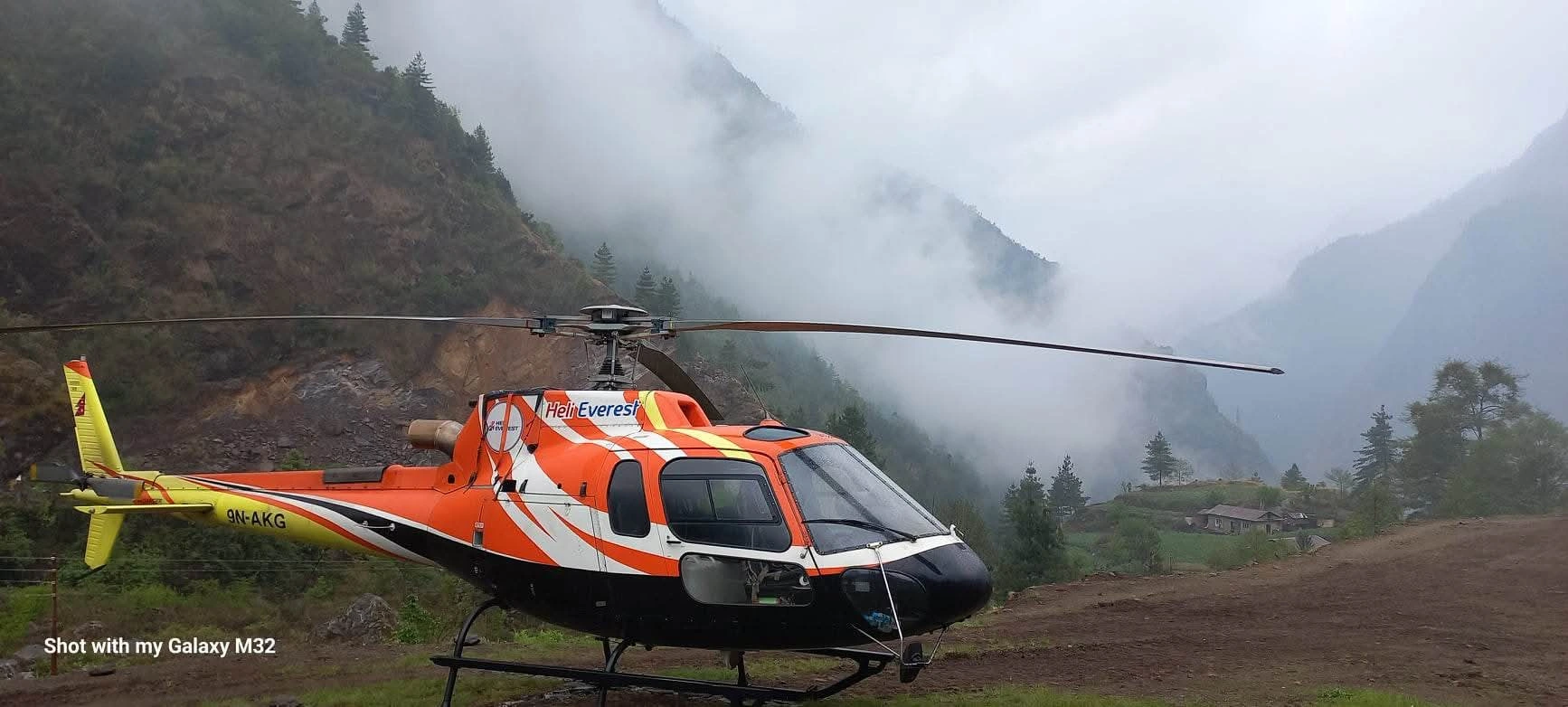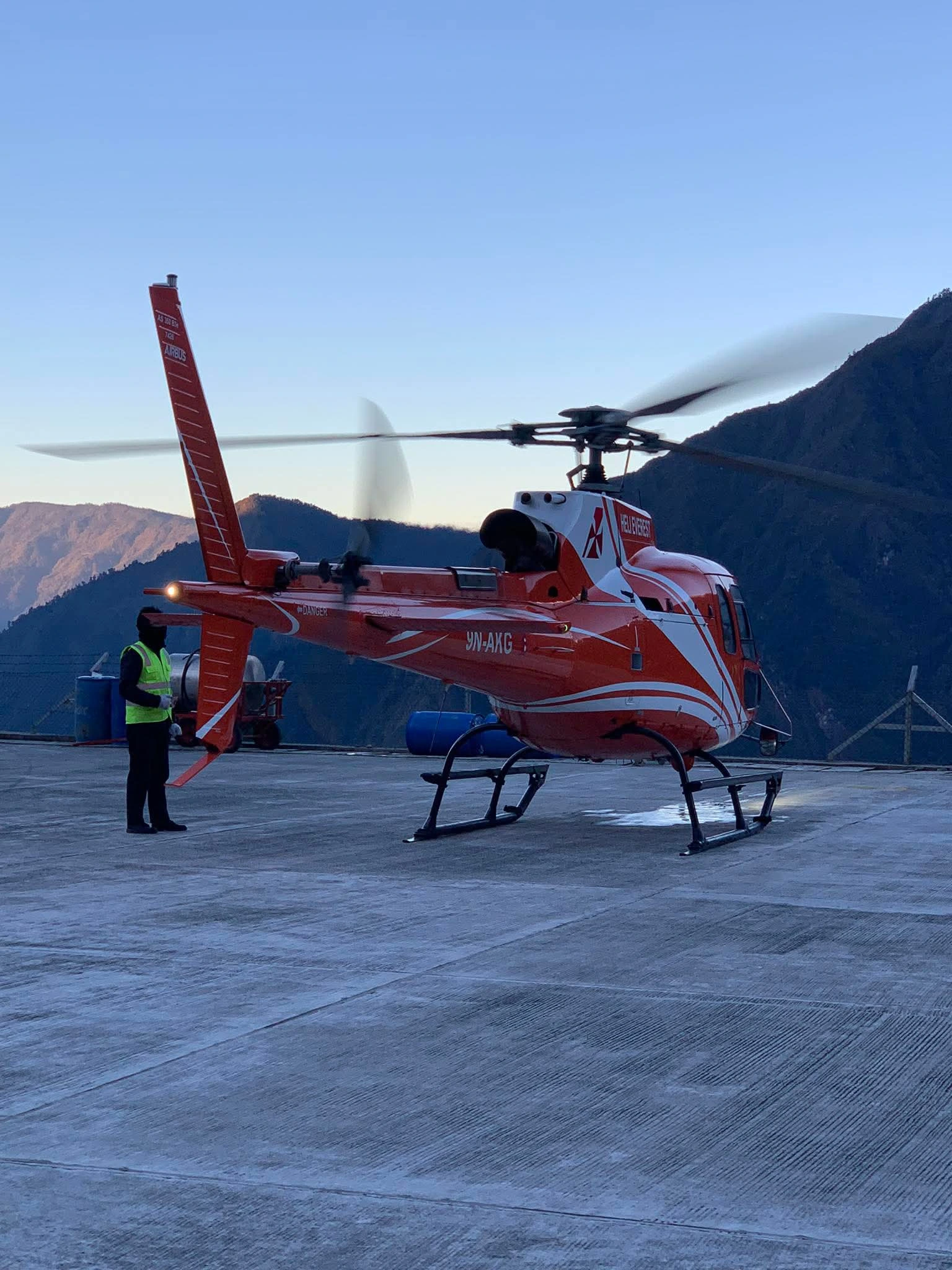

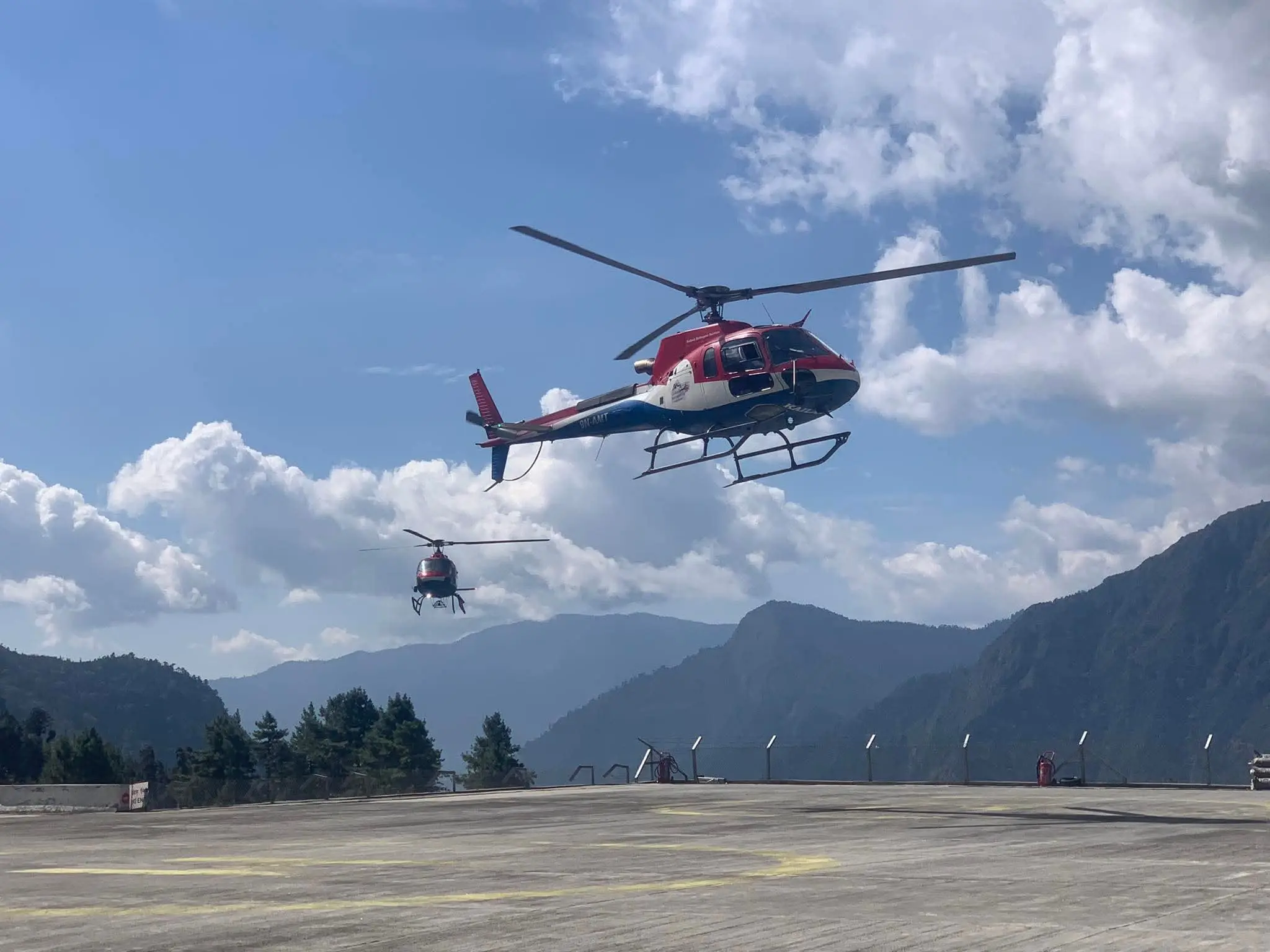
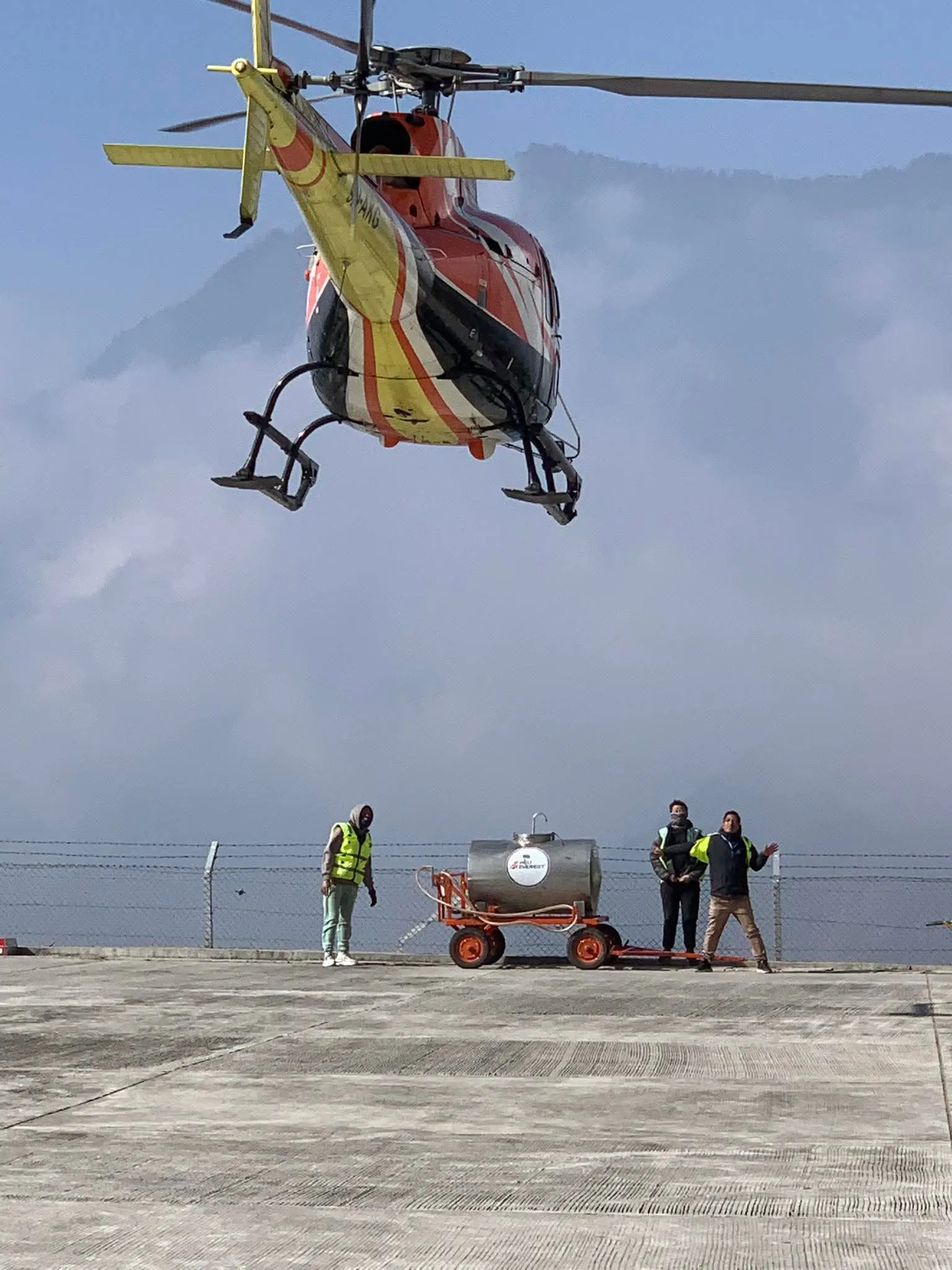
The Civil Aviation Authority of Nepal (CAAN) requires all helicopter flights during the 2026 monsoon to operate with two pilots, except stretcher medical evacuation flights. The only exception made to this rule was when the rescue operations that followed after floods hit the Rasuwa district of the nation. The two-pilot requirement is part of a wider monsoon safety directive designed around Nepal’s rapidly changing mountain weather, difficult terrain, limited diversion options and the risk of deteriorating visual conditions.
Why the Nepalese Monsoon Necesitate Two Pilots
Nepal’s monsoon creates a combination of hazards that can develop quickly, particularly in mountainous areas. CAAN identifies heavy rainfall, embedded thunderstorms, mountain obscuration, reduced visibility, severe turbulence, windshear, lightning, icing at higher altitudes and rapidly developing local weather as major risks, while helicopter operations face additional threats from valley clouding, ridge obscuration and loss of visual references.
That environment increases the workload on a helicopter pilot. A second pilot provides another person to monitor weather, terrain, navigation, communications, aircraft parameters and operational decisions while the other pilot concentrates on flying the helicopter.
CAAN therefore requires helicopter crews to check:
- valley visibility
- ridge-crossing weather
- helipad conditions
- alternative landing areas before departure
The circular also requires operators to conduct their own risk assessments and provide sufficiently experienced crews for adverse-weather operations.
The rule is not based on the idea that a helicopter suddenly becomes unsafe to fly alone when the calendar reaches the monsoon. CAAN’s existing Flight Operations Requirements allow qualified pilots to operate as solo PICs under specified experience, training and assessment requirements, including additional requirements for high-altitude helipads.
Instead, the monsoon circular adds a seasonal layer of risk mitigation when weather can rapidly reduce the margin available to a single pilot. Sumit Timilsina, the Quality and Safety officer at Prabhu Helicopter said that an additional pilot would help warn a single pilot about “visual illusions caused by rain, haze and wet runway surfaces, which can affect a pilot’s perception of distance and altitude during landing“.
Climate Change is One of the Reasons Why a Two-Pilot Rule was Established
Climate change is contributing to greater variability in weather patterns and an increase in the frequency and intensity of extreme weather events. During the monsoon, flight crews may encounter highly concentrated torrential rainfall, severe turbulence in and around cumulonimbus (CB) cells, and rapidly developing or changing weather systems. We have already covered the growing instances of clear air turbulence before. Prolonged breaks in monsoon activity can also create a misleading perception that operating conditions have become more stable.
In view of these evolving risks, CAAN urges all flight crew members and IOCC/dispatch personnel are required to maintain a heightened level of vigilance throughout monsoon operations, urging personnel to remain alert to the possibility of sudden and unanticipated weather developments associated with climate change.
As sound operational judgment is essential to managing these risks, a two-pilot rule in the monsoon might help the cause as CAAN urges crews to continuously reassess the situation and take timely action when required. This may include:
- requesting a weather deviation
- diverting en route
- returning to the departure airport.
This is More Than a Pilot Rule
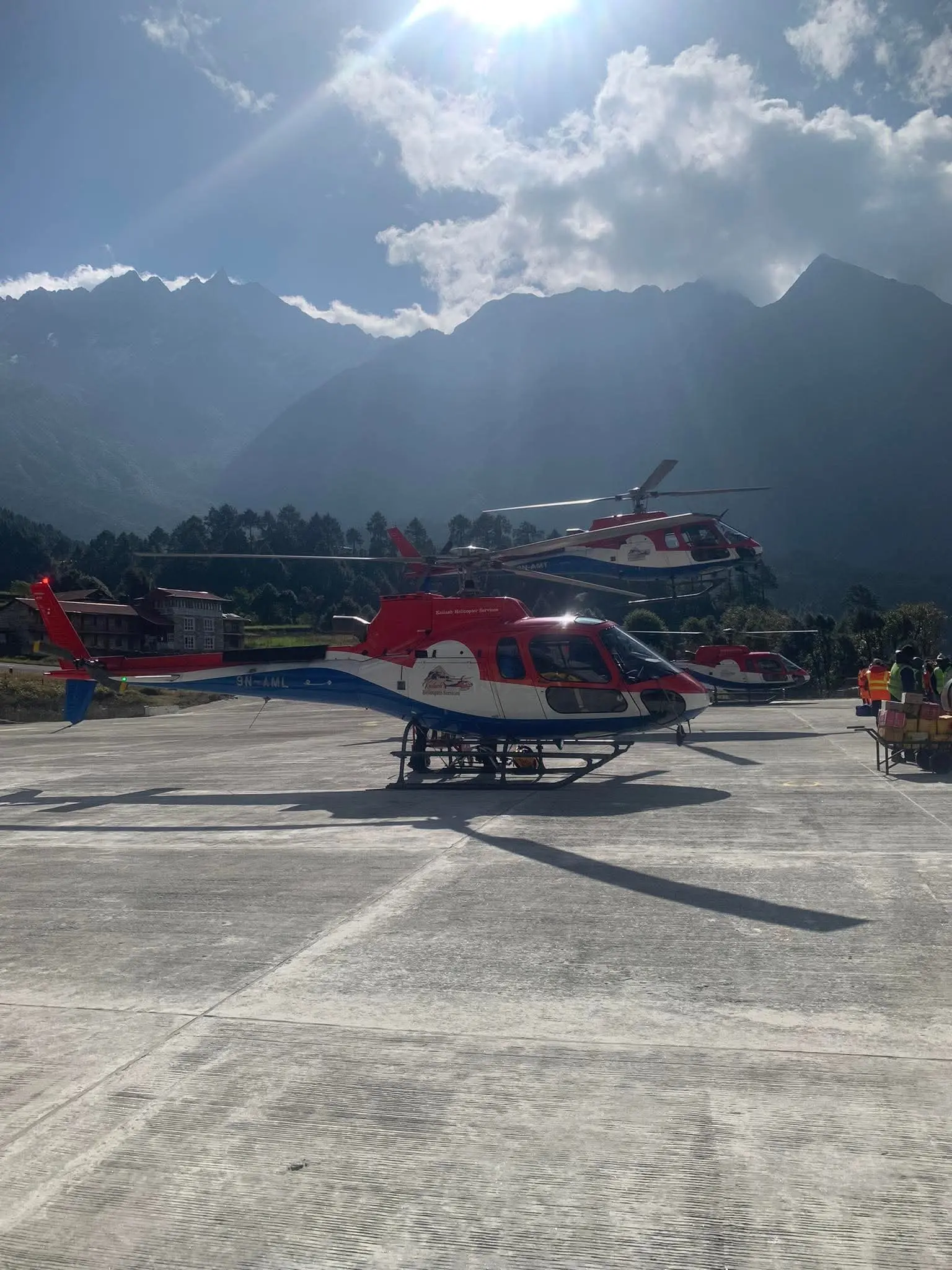
The dual-pilot requirement is only one component of the CAAN’s 2026 directive. Before departure, crews must review aircraft technical status, including the Minimum Equipment List, alongside departure, en-route, destination and alternate weather. Helicopter crews must additionally examine mountain weather, valley visibility, ridge conditions, helipad status and available escape or alternative landing areas.
Weather avoidance is another major part of the directive. CAAN instructs crew to identify deteriorating conditions early and consider an air turn-back, diversion or rerouting when thunderstorms, severe turbulence, windshear, excessive icing, sudden low visibility or other rapidly developing weather threatens the flight.
CAAN also advises crews to avoid the greatest threat area around significant convective weather by at least 20 nautical miles upwind where possible. It also warns against flying beneath convective clouds because of turbulence, windshear, microbursts, hail and lightning.
The directive also addresses fuel planning because weather avoidance can increase flight time and fuel consumption. Crew are expected to continuously monitor available fuel and give careful consideration to destination alternates during adverse conditions.
CAAN’s Extra Emphasis on Landing, Fatigue, and Training
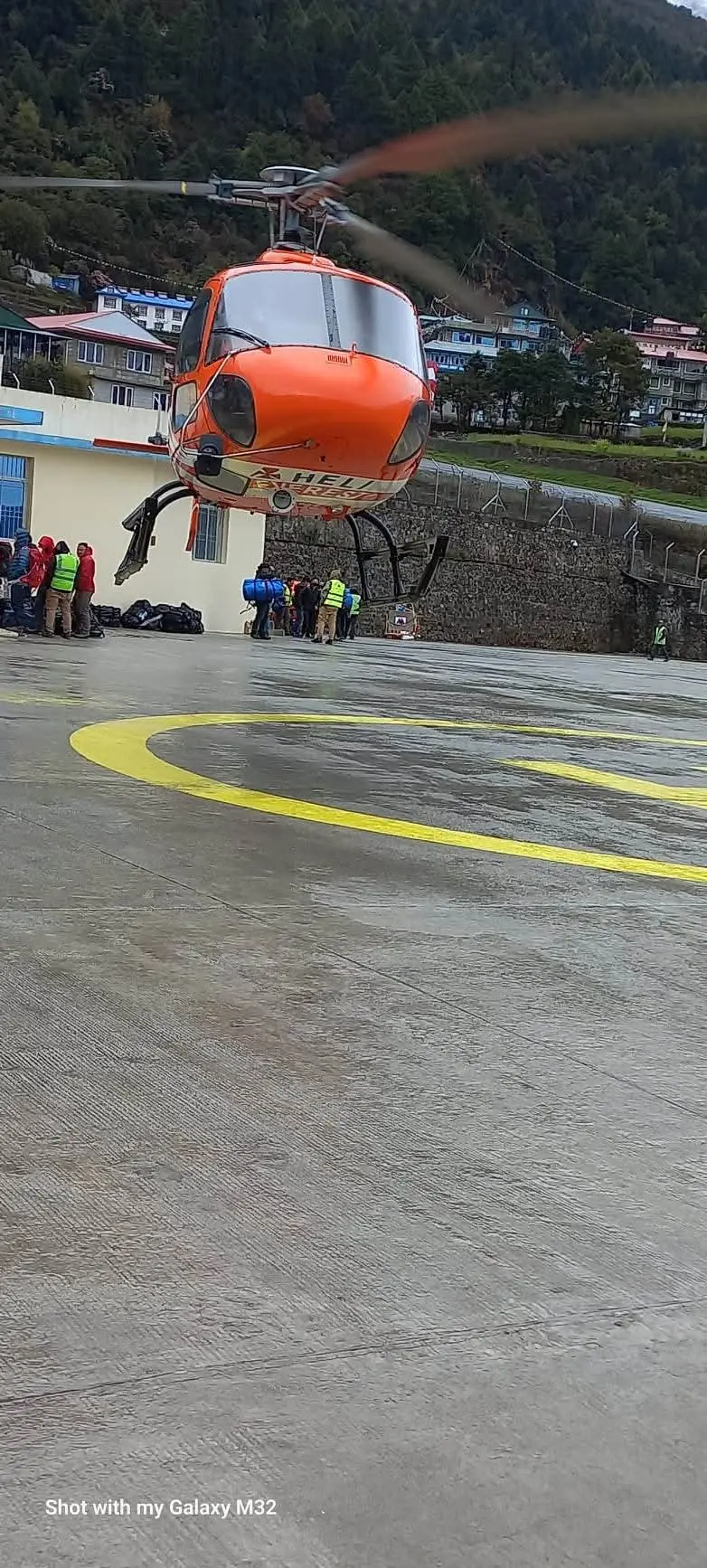
CAAN places particular emphasis on the final stages of flight. The circular says instrument approaches should be used where possible and visual approaches should be avoided as far as practicable in adverse conditions, while weather minima must be strictly followed.
The rules extend beyond weather and aircraft handling. Night-flight crew rostering must account for fatigue, while operators must increase monitoring of flight parameters through their Flight Operations Quality Assurance programmes. Note that all helicopter operations in Nepal only take place in Visual Flight Rule (VFR) conditions.
CAAN also requires scenario-based training covering adverse weather, diversion and return-to-base decisions, along with simulator-based training and Threat and Error Management principles. Pilots are specifically encouraged to treat an air turn-back or diversion as a legitimate risk-control measure rather than continuing toward a deteriorating destination.
CAAN also urges operators to make good use of Pilot Reports. When actual weather differs significantly from forecasts, pilots are expected to provide reports to ATC so that subsequent crews and aviation authorities receive real-time information about visibility, turbulence, icing and thunderstorms.
The approach is consistent with CAAN’s previous monsoon measures. In 2025, the authority required dual-pilot helicopter operations up to 12,000 feet during the monsoon, while exempting medical evacuation, rescue missions and operations to and from Kerung and Hilsa.
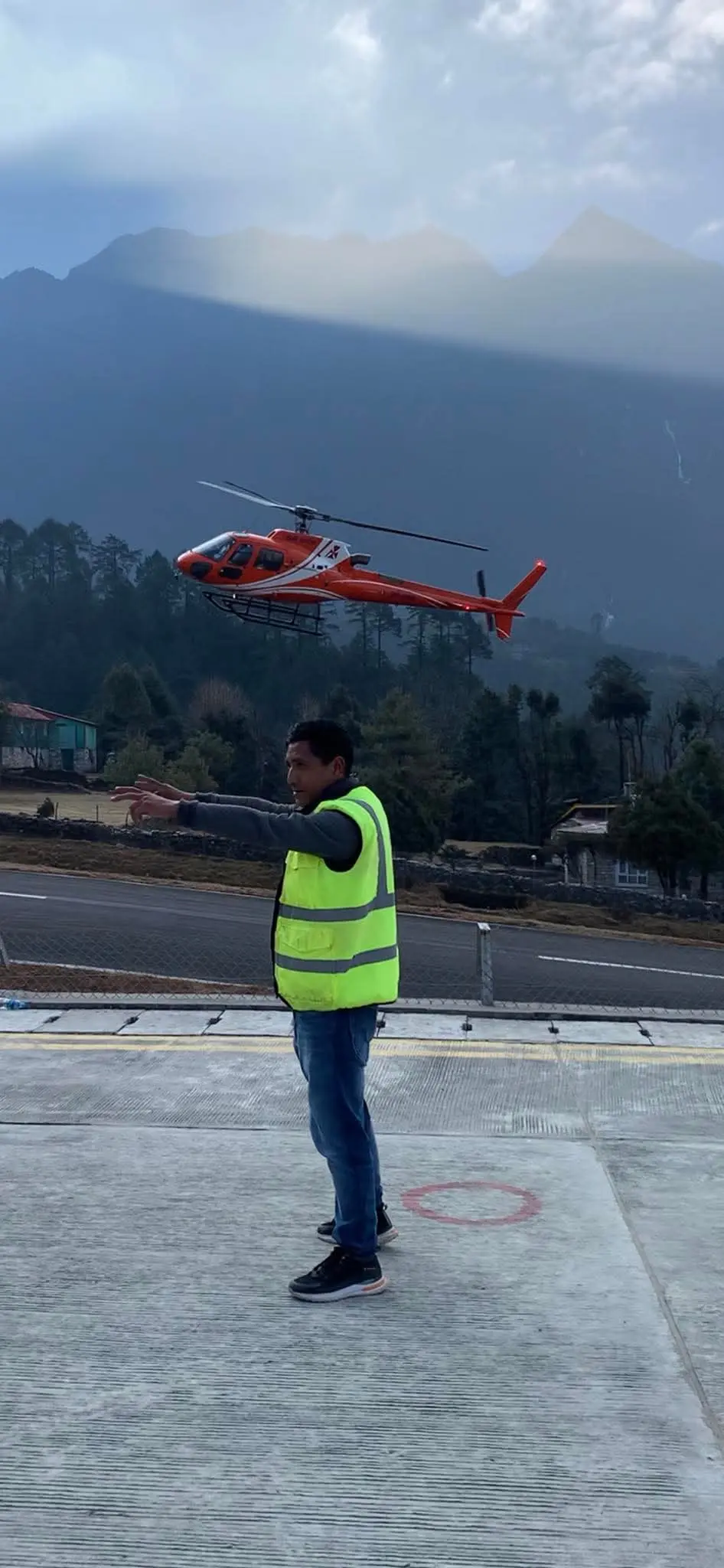
The 2026 circular switch to two-pilot operations has also generated debate among helicopter operators, particularly over sling operations, with industry representatives arguing that additional crew can affect payload and operational practicality on certain missions.
Ultimately, Nepal’s monsoon dual-pilot rule is one element of a larger safety strategy. The objective is not simply to put two people in a helicopter, but to create additional operational capacity when rapidly changing weather, terrain, visibility, fatigue and limited landing or diversion options can leave little room for error.