In a significant development within global military aviation, India has surpassed China to become the third most powerful air force worldwide. The shift as reported in the latest World Directory of Modern Military Aircraft (WDMMA) rankings highlights India’s growing air power and strategic influence in the Asia-Pacific region. The United States and Russia maintain their positions as the top two air forces globally.
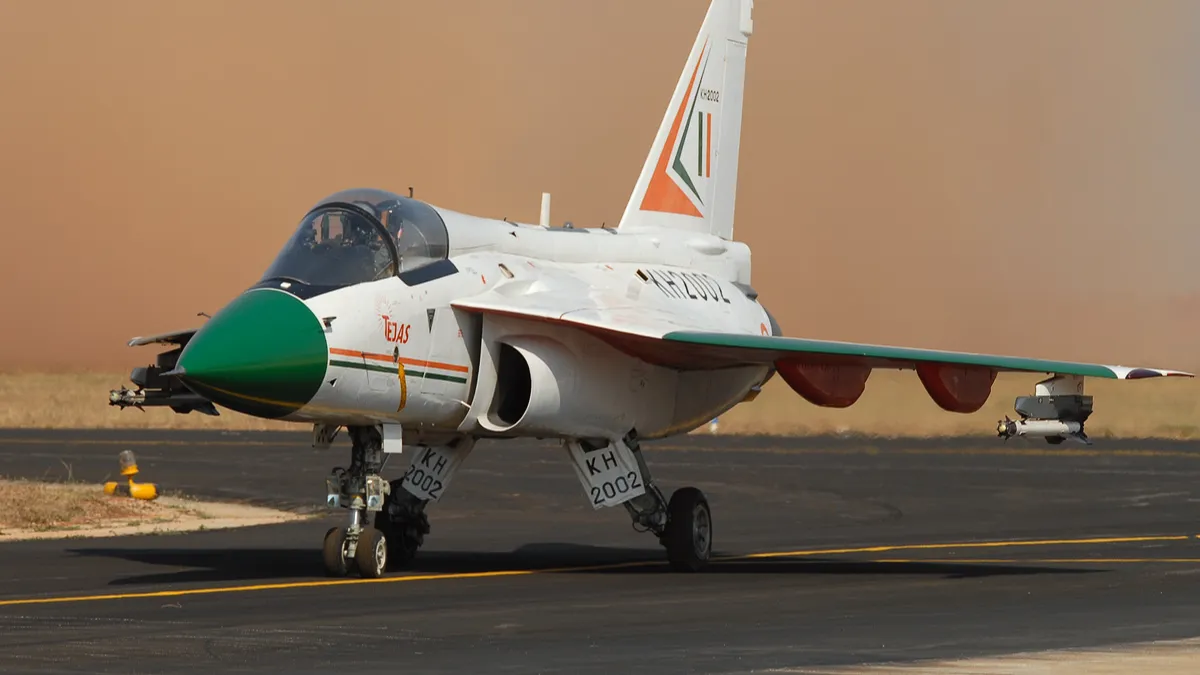
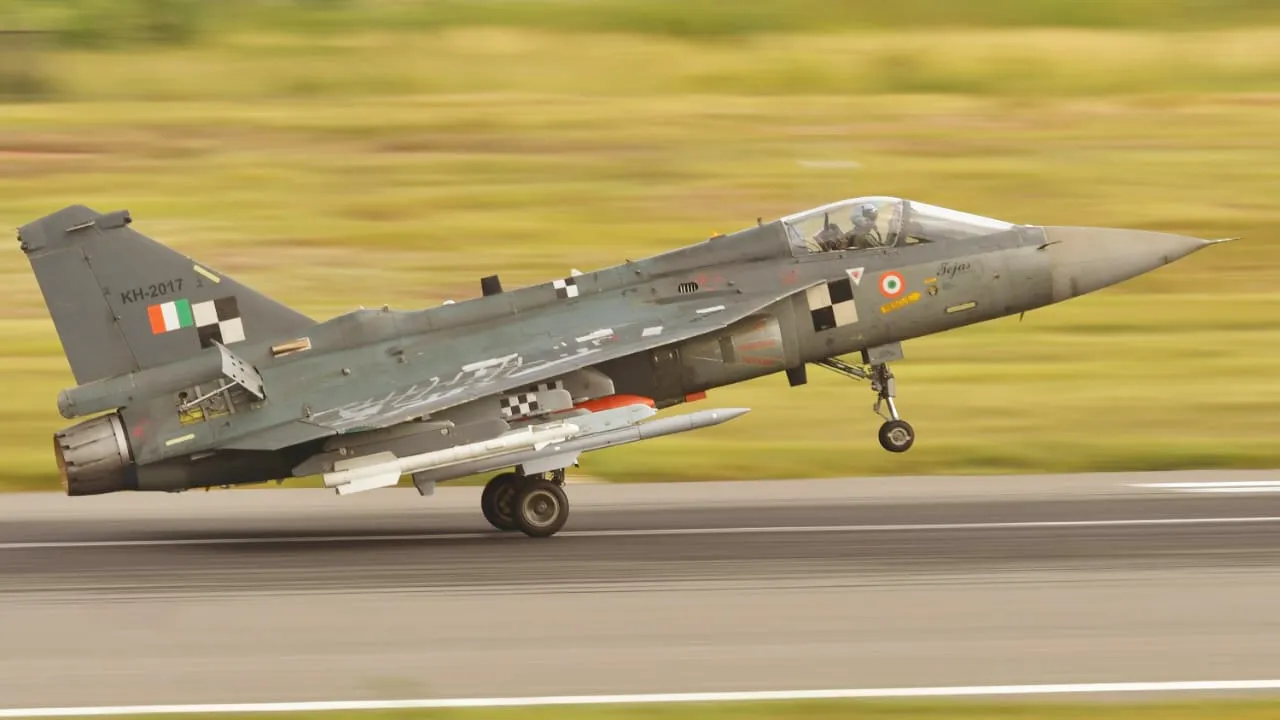
The WDMMA rankings assess 103 countries and 129 air services, encompassing army, navy, and marine aviation branches, and account for a total of 48,082 aircraft worldwide. The rise of India, which recently signed a $7 billion agreement for the procurement of 97 Tejas Mk-1A light combat aircraft, and also is set to manufacture the helicopter that flies at the top of Everest, to the third position reflects its substantial investment in modernizing its air force and enhancing its operational capabilities.
Helicopter that can fly to the top of Everest to be manufactured in India
A Strategic Overview of the Indian Air Force
The WDMMA’s 2025 rankings place the Indian Air Force (IAF) at the third spot globally, with a TruVal Rating (TVR) of 69.4. This rating considers factors such as:
- Aircraft quantity
- Technological advancement
- Operational readiness
- Logistical support.
According to WDMMA, its annual ranking utilizes “a formula which takes into account values related to total fighting strength of the various air services of the world” and produces the TVR:
“In this way, a power is not simply assessed on its total quantity of aircraft but rather its quality and general mix of inventory. Greater weight is given to categories generally overlooked by some powers, namely special-mission, dedicated bomber force, CAS, training, and on-order units. Beyond this is a focus on local aero-industry capabilities, inventory balance (general mix of unit types), and force experience.”
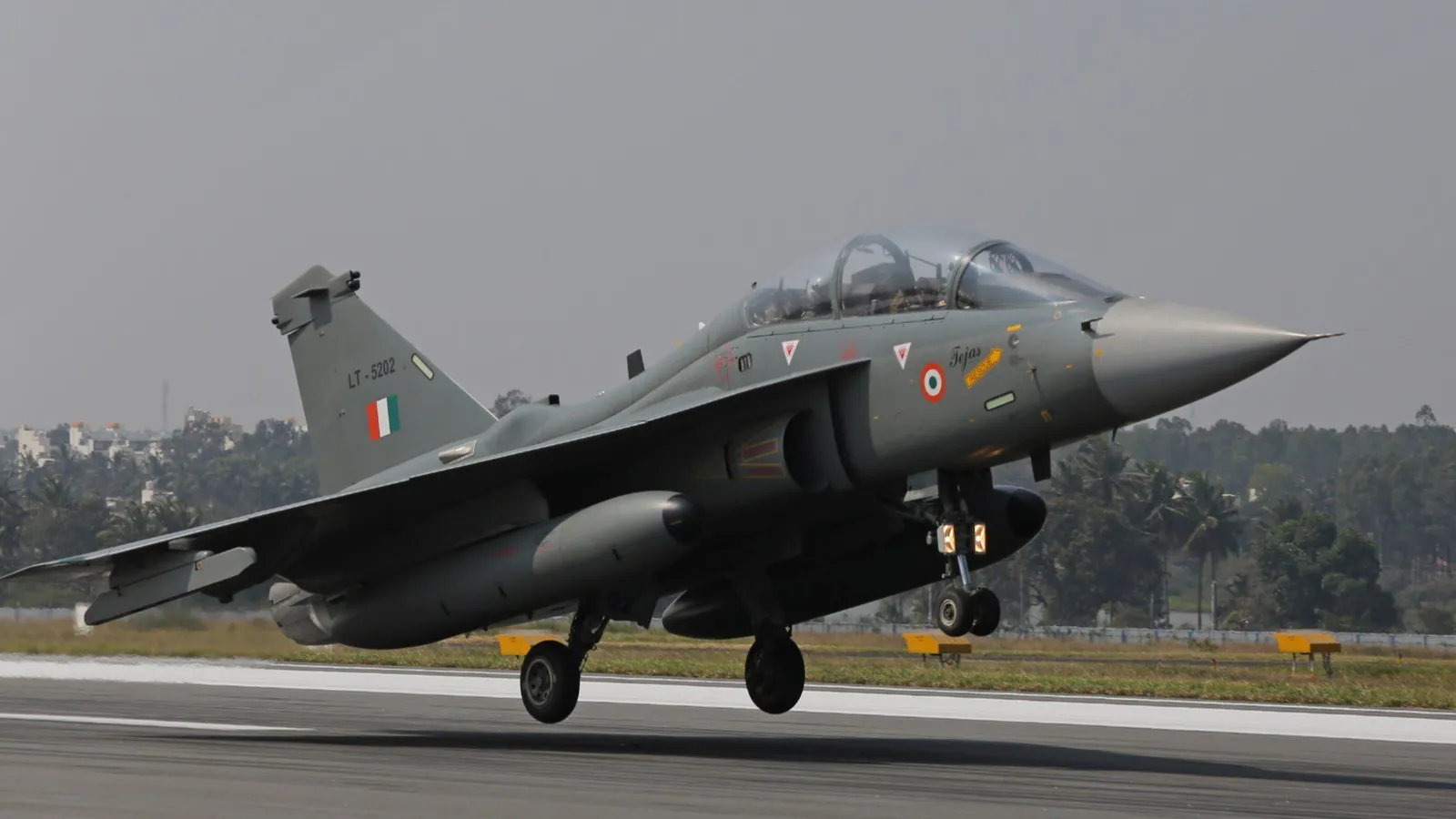
A notable demonstration of India’s air power was Operation Sindoor, conducted in May 2025. In response to a terror attack in Jammu and Kashmir, the IAF executed precision strikes on infrastructure in Pakistan and Pakistan-Occupied Kashmir.
Operation Sindoor and India – Pakistan Airspace Standoff: Who gets hurt more?
A significant portion of India’s air power comprises the Sukhoi Su-30MKI and Dassault Rafale aircraft. These platforms play pivotal roles in enhancing India’s defense capabilities. Let’s have a look at these in some detail:
Su-30MKI
The Sukhoi Su-30MKI, a multirole fighter aircraft developed by Hindustan Aeronautics Limited (HAL) under license from Sukhoi, forms the backbone of the Indian Air Force’s fighter fleet. As of October 2025, India operates approximately 259 Su-30MKIs a, and 12 more on order. The aircraft is stationed across various Air Force Stations (AFS) in India, including:
- Bareilly
- Chabua
- Halwara
- Jodhpur
- Lohegaon
- Maharajpur
- Sirsa
- Tezpur
- Thanjavur
- Uttarlai
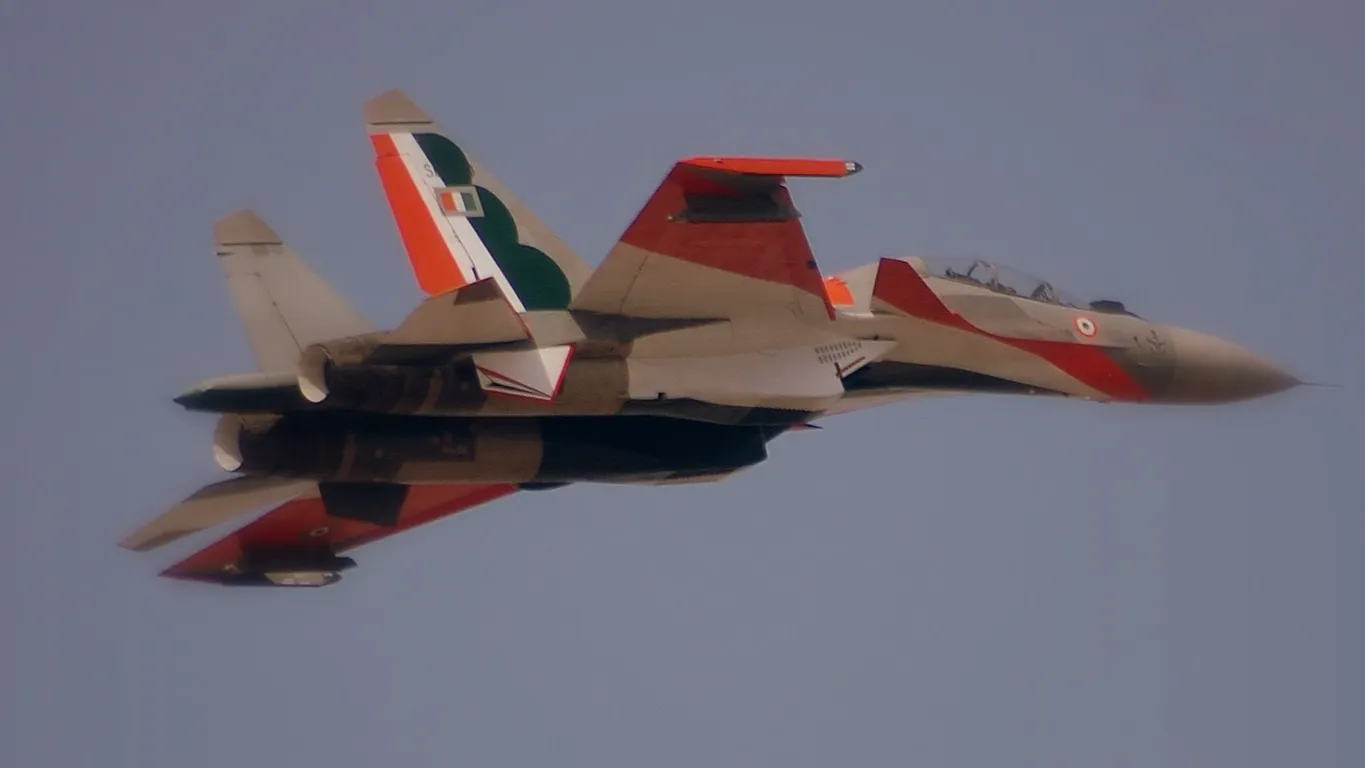
India has initiated a comprehensive upgrade program for the Su-30MKI fleet, known as the ‘Super Sukhoi’ upgrade. Approximately 75% of the fleet, equating to around 200 aircraft, are slated for this enhancement. The upgrade aims to integrate advanced avionics, sensors, and weapons systems, reported Indian Defense News:
“The existing Indian-Russian hybrid avionics will be replaced or upgraded with next-generation indigenous and imported systems, bringing the Su-30MKI closer to the capability level of contemporary 4.5-generation fighters…..One of the cornerstone upgrades is the integration of a new UTTAM AESA (Active Electronically Scanned Array) radar. This will likely replace the current N011M Bars radar, enhancing detection range, target tracking capacity, and resistance to jamming.”
Dassault Rafale
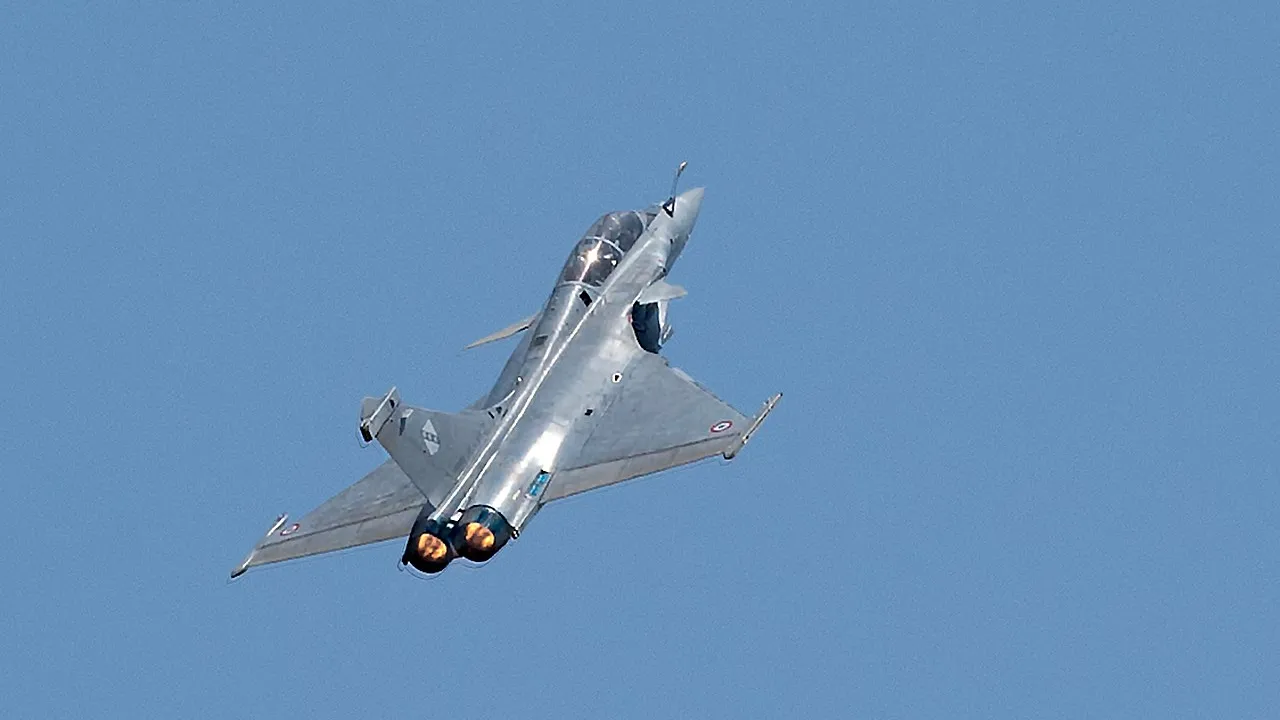
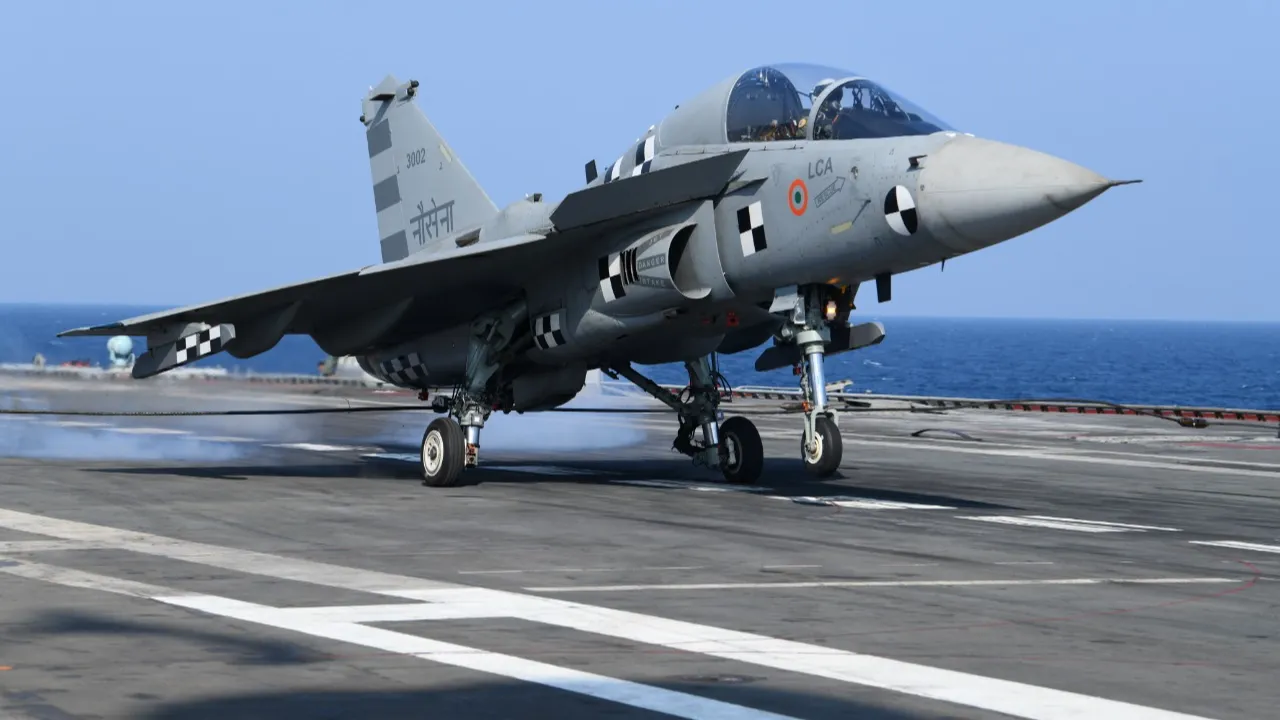
The bolstering of Indian Air Force’s strike capabilities with the 36 Rafale jets it operates is also one of the things that has powered India to inch past China in the WMDDA rankings. India signed a $7.4 billion deal with France to purchase an additional 26 Rafale aircraft (including 22 single-seaters and 4 twin-seaters) for the Indian Navy.
Comparative Analysis: India vs. China vs Other nations
| Category | India (Units) | China (Units) |
|---|---|---|
| Aircraft available at 50% readiness rate | 858 | 1,867 |
| Aircraft available at 70% readiness rate | 1,201 | 2,613 |
| Aircraft available at 75% readiness rate | 1,287 | 2,800 |
| Aircraft available at 80% readiness rate | 1,373 | 2,986 |
| Combat/Attack | 542 | 2,184 |
| General Support | 800 | 489 |
| Pilot/Crew Training | 374 | 1,060 |
| Future Procurement | 349 | 0 |
India’s higher TVR compared to China’s 63.8 indicate a more advanced and capable air force compared to China. Whist India and China are competing on a global scale, they are dwarfed by the Air Force Capabilities of the US in the WMDDA rankings:
“The highest attainable TVR score is 242.9 held by the United States Air Force. The USAF features a broad mix of aircraft types as well as balance strengthened by overall numbers (quantity). Many of its products are locally-sourced thanks to the U.S.’s massive industrial base. It also maintains dedicated strategic-level bombers, CAS aircraft, a sizeable helo and fighter force (of which many are multirole types), and hundreds of transport aircraft to reach anywhere in the world. Beyond this is a large training, tanker, and special-mission force. The service is also set to be reinforced in the near-future with hundreds of units still on-order.”
The following divisions of the United States, individually, have a greater TruVal than either China or India:
- Untied States Air Force
- Untied States Marines
- Untied States Army
- Untied States Navy
Following closely behind the US is Russia:
5 most wonderful aircraft destroyed in the Russia-Ukraine war
Let’s take a look at the full rankings:
All in All
The latest WDMMA rankings come at a time when it feels as if the whole world is being engulfed by major wars. War is one the reasons why the Ben Gurion airport was shut down for so long, and why so beautful aircraft were lost in the Ukraine Russia War. At such perilious times, having a greater air power is something that all nations are striding towards, reports NewsWeek:
Janes, a leading global open-source defense intelligence provider, projects that global defense spending could rise by 3.6 percent by the end of the year, reaching approximately $2.56 trillion. This continued growth reflects intensified conflicts and strategic realignments worldwide, emphasizing the crucial role of air power in both modern warfare and international deterrence.
We have seen a recent improvement in the Indo-China relations, following the tariffs imposed by the US on India and China, with direct flights between India and China to be introduced.



.jpg)

