

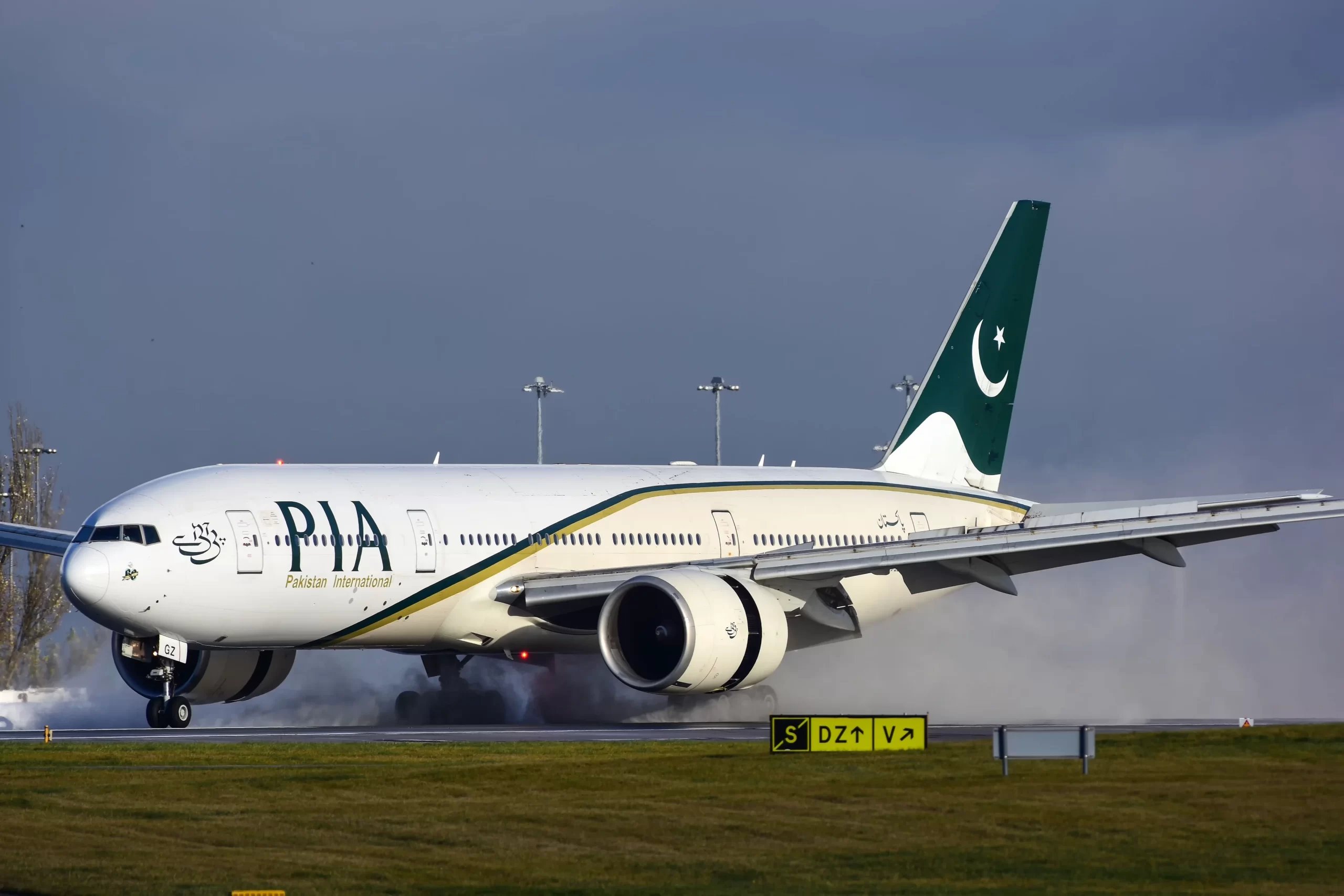
Two weeks after the Pahalgam attack that saw twenty-six people killed in the Pahalgam region, India launched “Operation Sindoor”, which “targeted key strongholds of Jaish-e-Mohammed in Bahawalpur and Lashkar-e-Taiba in Muridke, among others.” Two of these organizations are “terror camps in Pakistan and Pakistan-occupied Kashmir”, claimed the Economic Times.
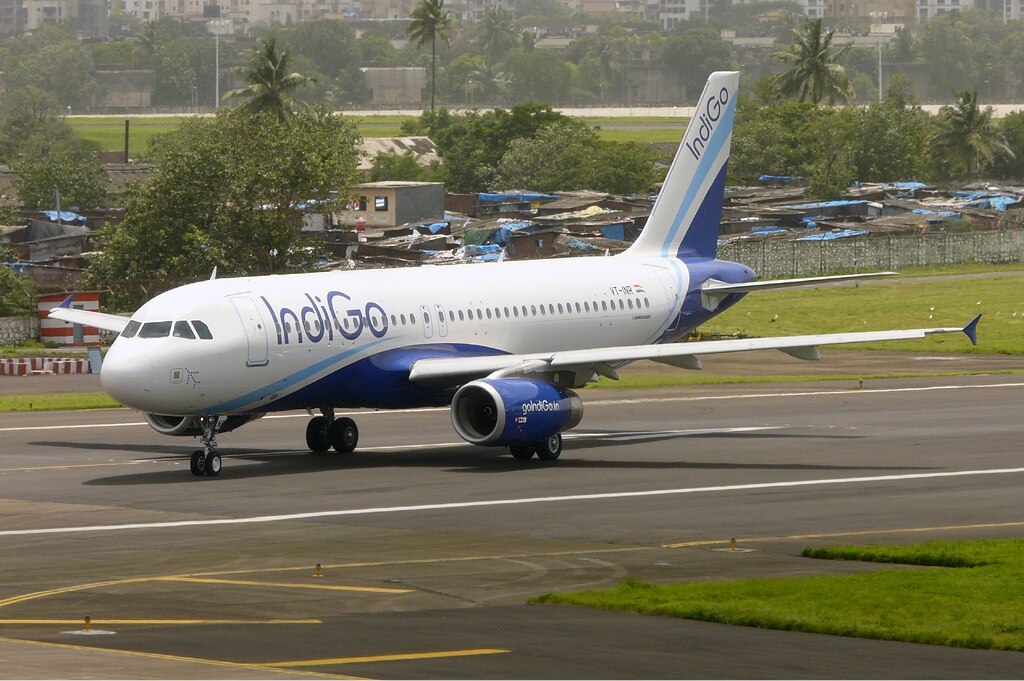
Photo: Sean d’Silva| Wikimedia Commons
While the aviation between the two nations had already come to a standstill after Pakistan and India barred each other from their respective airspaces following the Pahalgam attack, Operation Sindoor has led to hundreds of flight cancellations in India.
The Biggest carriers in India have suffered the most
IndiGo, India’s largest airline, cancelled more than 165 flights across the country following the airspace restrictions introduced after Operation Sindoor. The cancellations affected flights from several airports, including Amritsar, Bikaner, Chandigarh, Dharamshala, Gwalior, Jammu, Jodhpur, Kishangarh, Leh, Rajkot and Srinagar, and remained in effect until 5:29 a.m. IST on May 10, 2025.
The airline said affected passengers could either reschedule their flights or request a refund, depending on their preference.
Air India also cancelled flights to and from several airports, including Jammu, Srinagar, Leh, Jodhpur, Amritsar, Bhuj, Jamnagar, Chandigarh and Rajkot, until the same deadline. The flag carrier offered affected passengers either a full refund or a one-time waiver of rebooking fees.
According to the Indian Express, the airports that have been closed until further notice include:
- Amritsar (ATQ)
- Chandigarh (IXC)
- Dharamshala (DHM)
- Jammu (IXJ)
- Leh (IXL)
- Srinagar (SXR)
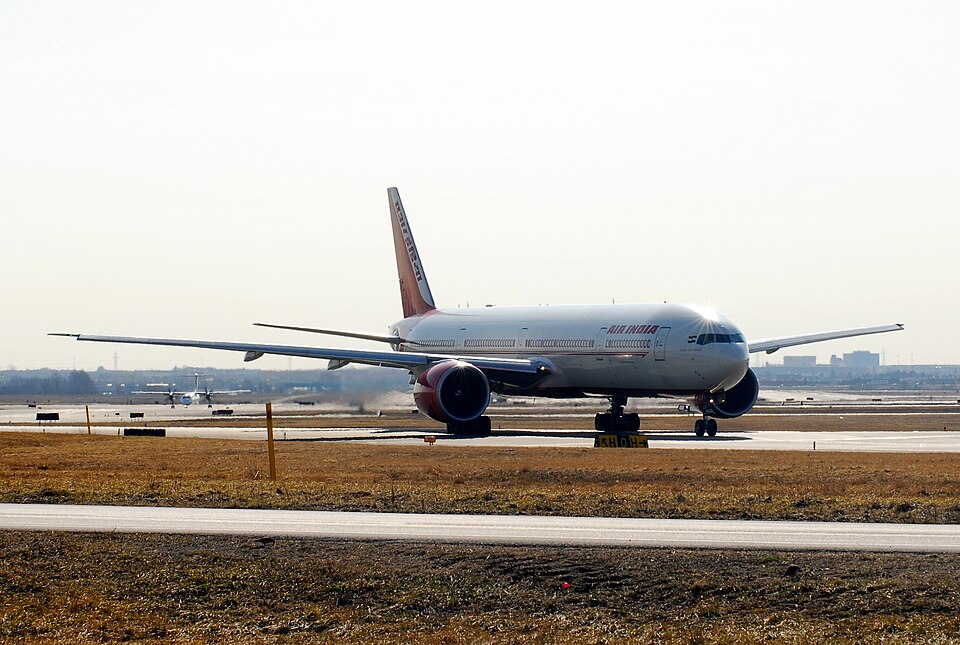
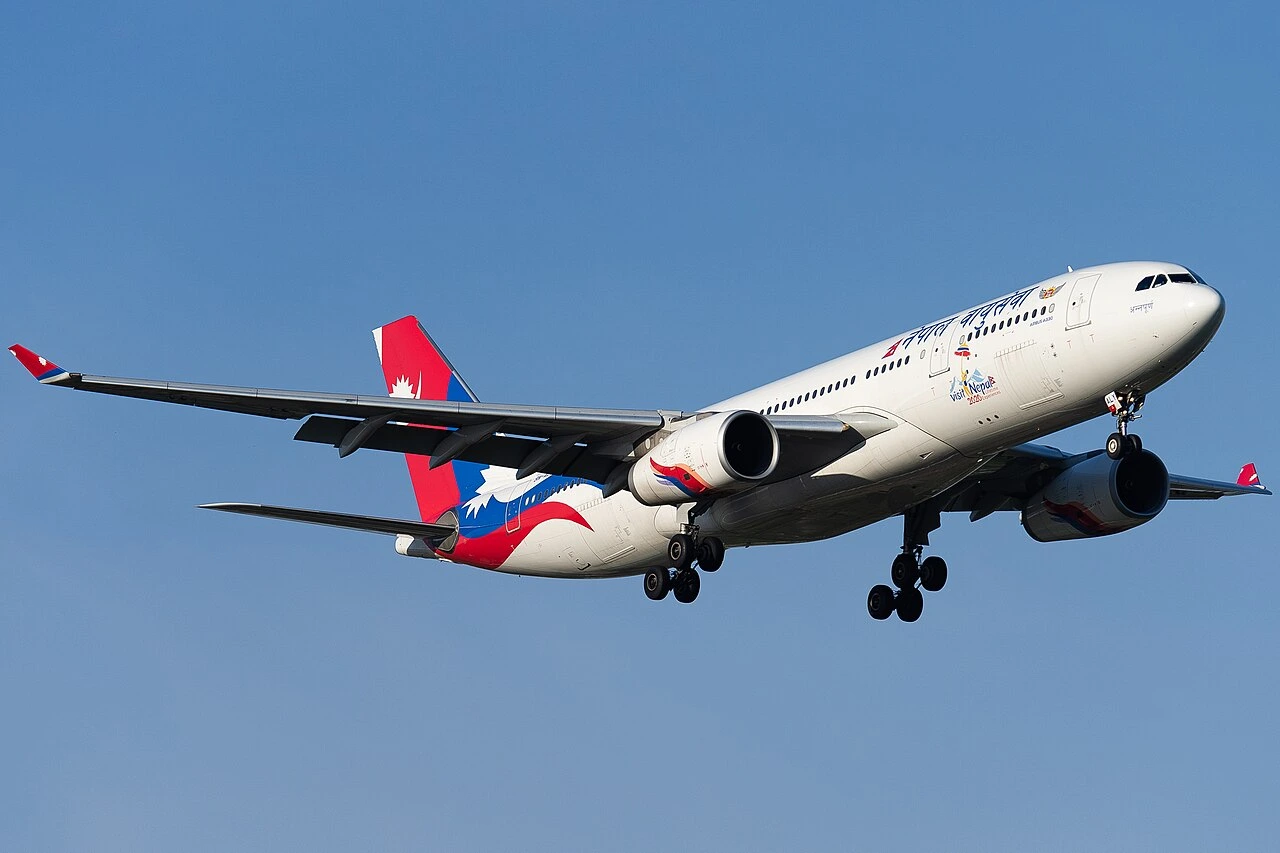
Photo: Lord of the Wings© | Wikimedia Commons
SpiceJet also said that its flights operated in these airports would be affected:
“Due to the ongoing situation, airports in parts of northern India, including Dharamshala (DHM), Leh (IXL), Jammu (IXJ), Srinagar (SXR), and Amritsar (ATQ), are closed until further notice. Departures, arrivals, and consequential flights may be impacted.”
A brief on the official statement of the Ministry of External Affairs
The killing of 26 civilians (one of whom was of Nepali origin) in the Pahalgam attack left Kashmir’s tourism industry reeling as a day after the attack Kashmir’s shops shut down. Kashmir was going through a revival as this hotly contested territory where the absence of a plebiscite (to determine whether it wants to be a part of India, or Pakistan, or wants to be a free state) for decades has resulted in a lot of violence.
Photo: Ninara | Wikimedia Commons
Kashmir had begun recovering from the 2019 Pulwama terror attack, with tourism growing steadily in the following years and contributing to the region’s economic recovery. However, the Pahalgam attack and the military confrontation between India and Pakistan that followed under Operation Sindoor disrupted that progress and pushed the region’s return to normalcy further back.
In its statement on Operation Sindoor, India’s Ministry of External Affairs said the Resistance Front (TRF), which claimed responsibility for the Pahalgam attack, was a front for the UN-designated Pakistani terrorist organisation Lashkar-e-Taiba. India also pointed to information it had previously provided to the UN sanctions monitoring mechanism in 2023 and 2024 regarding the TRF and the use of smaller groups by Pakistan-based terrorist organisations, Ministry of External Affairs flagged.
Pakistan denied involvement in the Pahalgam attack. Following Operation Sindoor, Prime Minister Shehbaz Sharif said Pakistan would respond to what it described as Indian aggression and claimed that Pakistani forces had shot down five Indian aircraft and a drone.
Wreckage from an unidentified aircraft was subsequently reported in Pulwama, while IndiaTVNews reported that Indian forces had shot down a Pakistani JF-17 fighter after it allegedly attempted to enter Indian airspace. These claims emerged amid conflicting accounts from India and Pakistan about losses and military operations during the confrontation
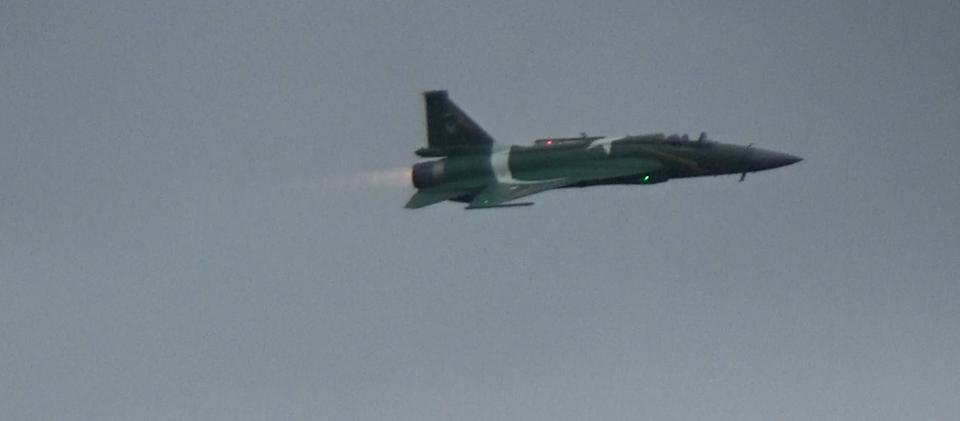
Photo: KrzywoProsto | Wikimedia Commons
Bottom Line
One fears that the diplomatic relations between India and Pakistan might get down at an all-time low following these developments. What is sure is that the aviation industry in both nations is going to suffer, and as we claimed in our previous article, India’s financial losses (related to aviation) will be much greater as it has a much vibrant aviation industry than Pakistan does. Not only major carriers in India but new players such as Akasa Air have also confirmed cancellations to and from Srinagar.


.jpg)
.jpg)

Leave a Reply