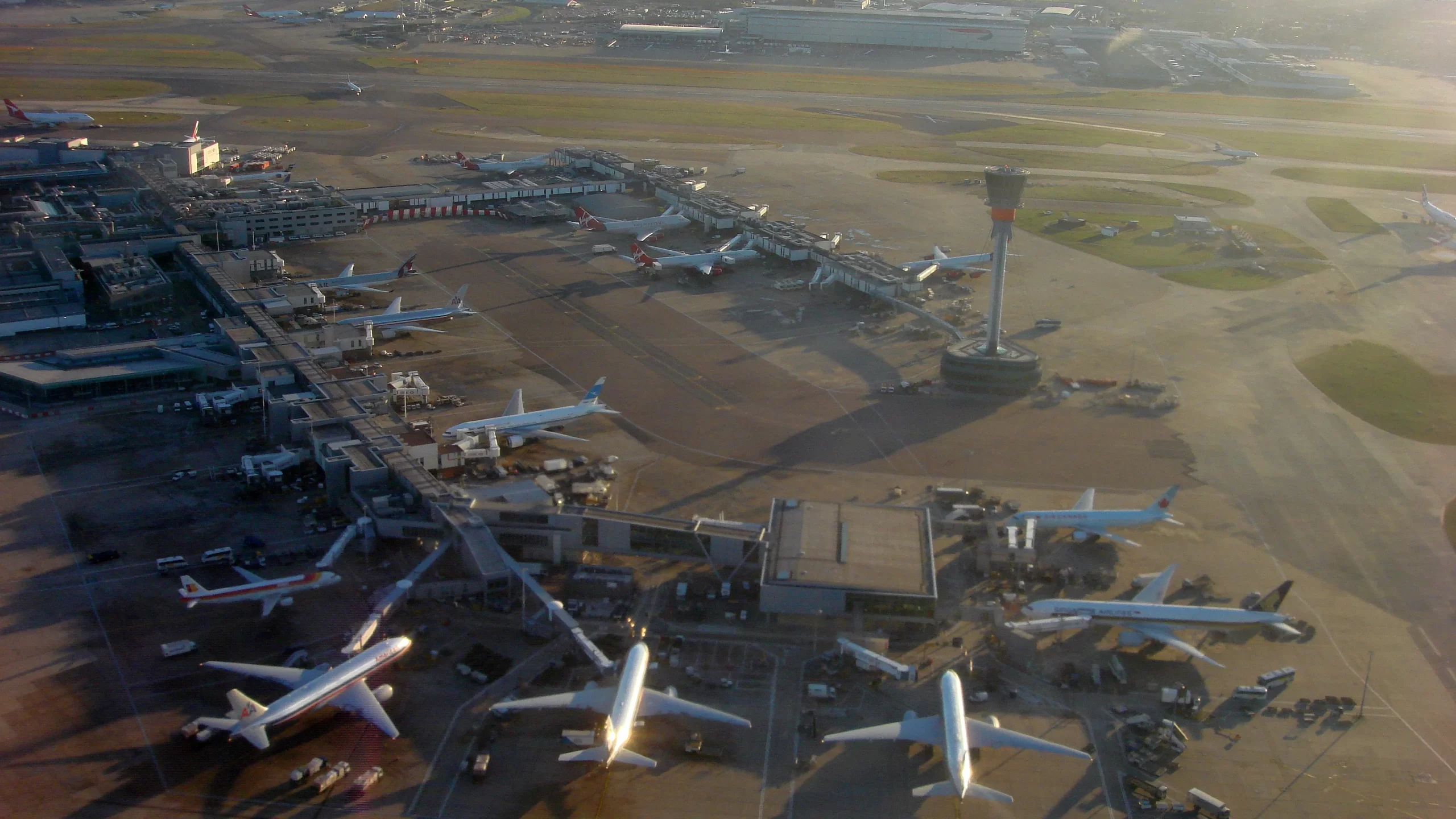
The UK government has officially selected Heathrow Airport Limited’s proposal for a 3,500-metre (3.5 km) northwest third runway at Heathrow Airport (LHR), rejecting a rival bid, which aimed at constructing shorter runway plan. The government of the United Kingdom revealed the decision on 25 November 2025 and called the plan “the most credible and deliverable option”.
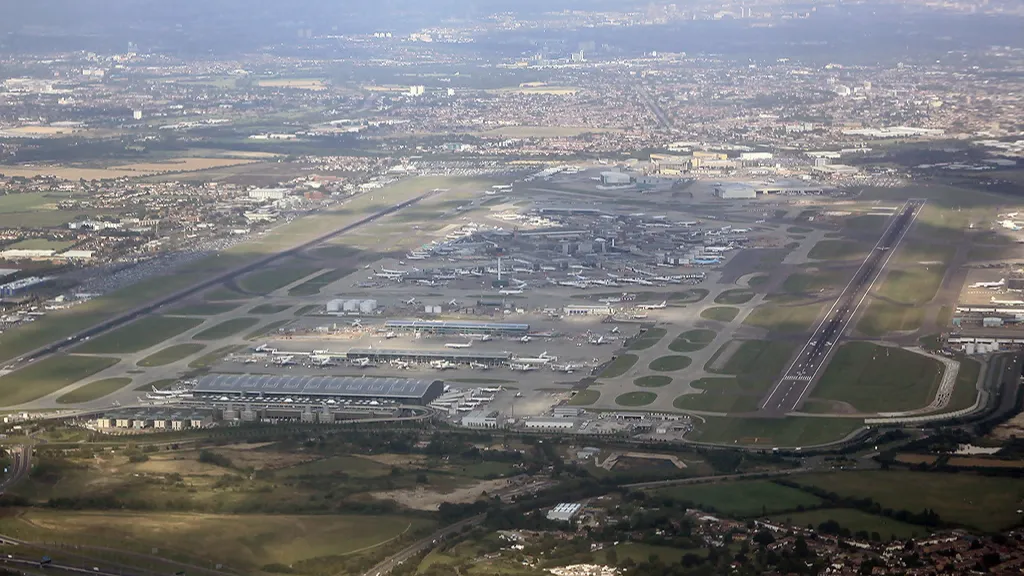
What the chosen Heathrow Expansion (Of Runway) Plan Involves
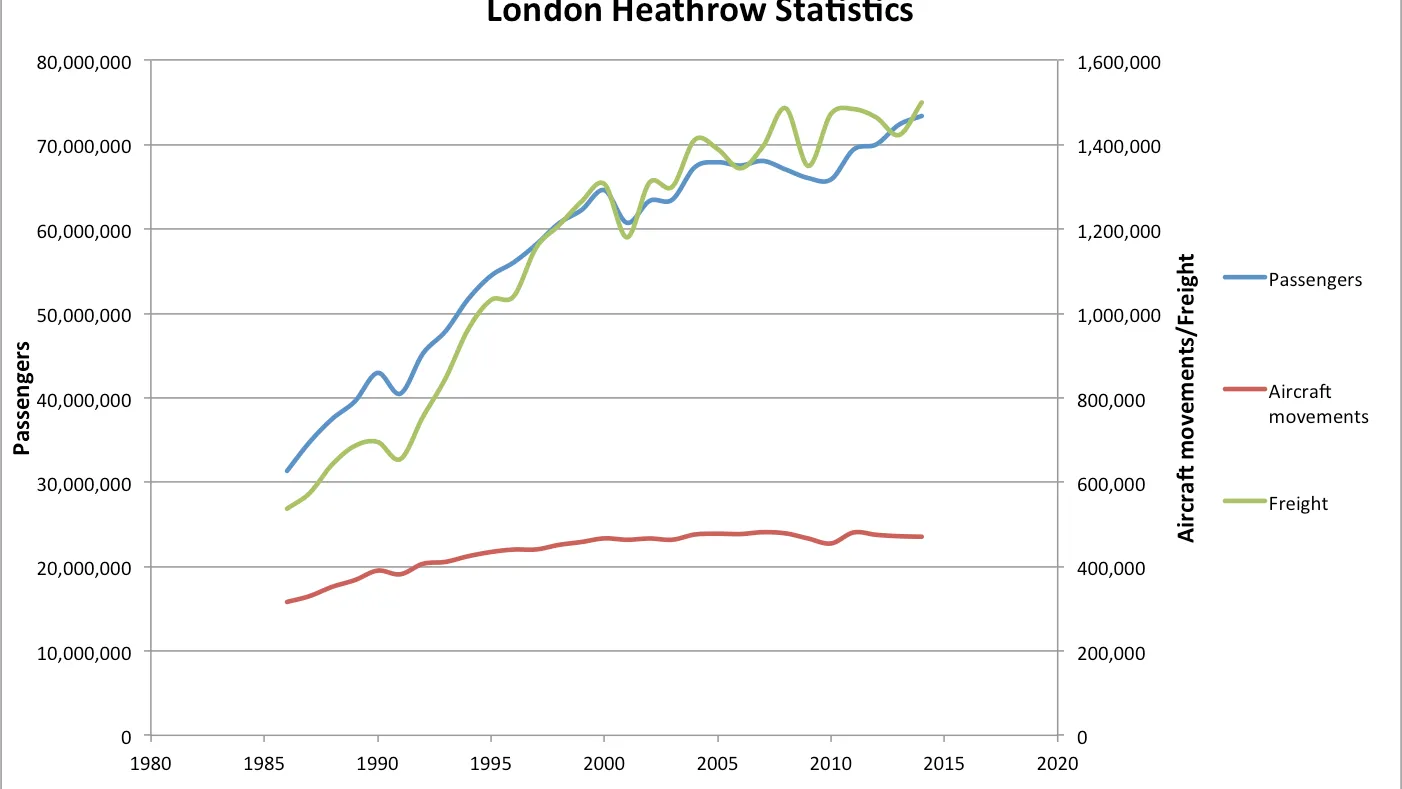
Heathrow was designed to handle 82 million passengers, a number it outran in 2025 as it handled nearly 84 million passengers. In the first six months of 2025 alone, 39.9 million passengers passed Heathrow. Therefore, it has always been the case that Heathrow’s expansion would be anchored in one of the largest private infrastructure commitments in Europe.
The airport proposes a transformative upgrade designed to boost national connectivity, increase capacity, and strengthen the UK’s competitive position as a global aviation hub. The following numbers give us a cue:
-
£49bn total private investment
-
£21bn for the new third runway
-
£27bn for terminals and supporting infrastructure
-
Expected to contribute 0.43% to UK GDP by 2050
-
Only plan aligned with government targets: planning approval by 2029, operational runway in 10 years
-
Tens of thousands of local jobs expected through construction and long-term operations
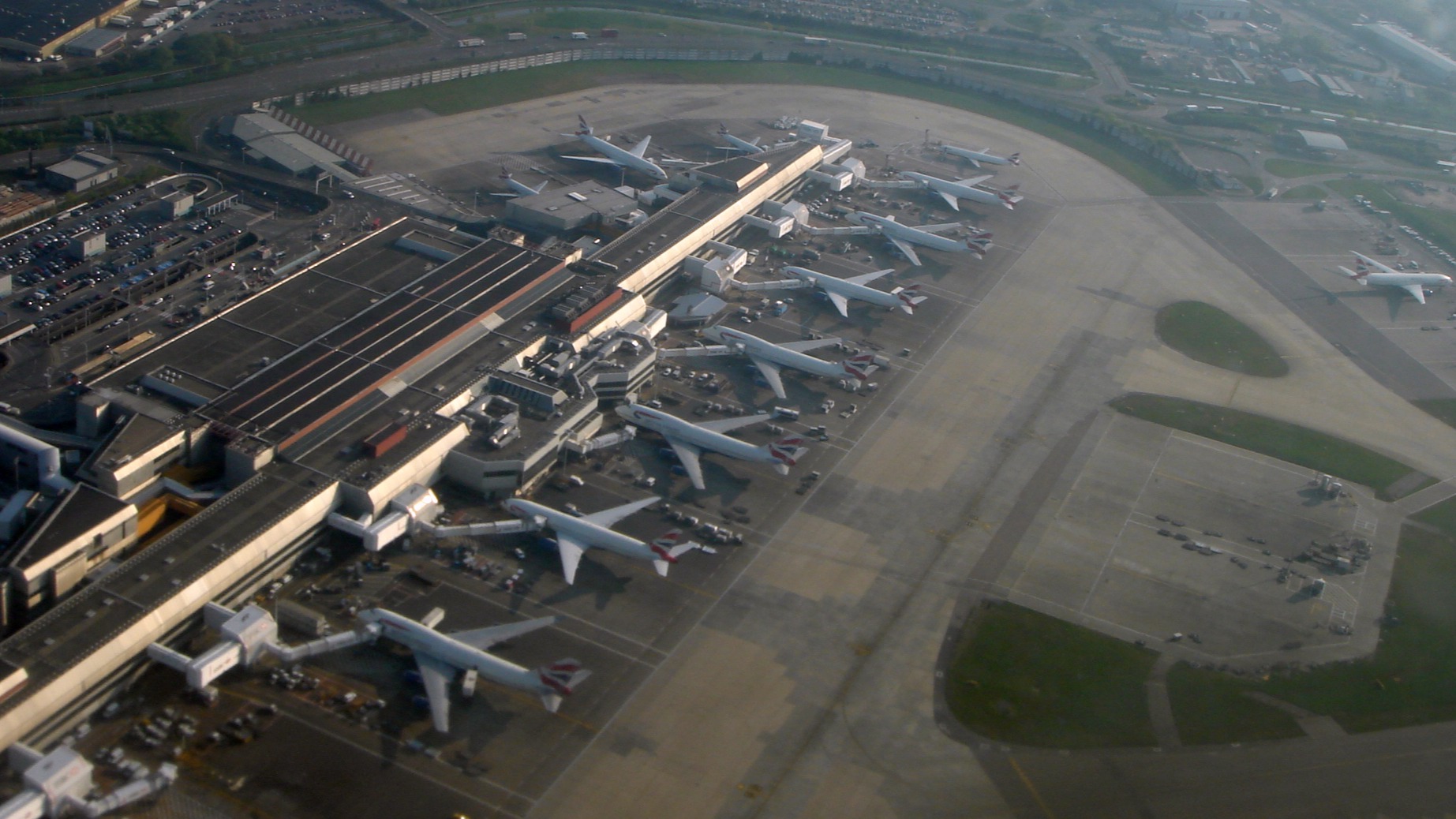
Heathrow’s Third Runway & Airfield Capacity
The centrepiece of the plan for the aerodrome in Heathrow is a new 3,500-metre runway.
Capacity Impact
| Capacity Element | Current | Post-Expansion |
|---|---|---|
| Annual Air Traffic Movements | 480,000 | 756,000 |
| Passenger capacity | 80–90m | Up to 150m |
| Additional daily routes by 2040 | — | 30+ (incl. 10 long-haul) |
Terminals, Modernisation, Cargo & Infrastructure
Heathrow is looking to construct new terminal complex T5X west of Terminal 5 and adding a new satellite terminal T5XN to add gate capacity.
The airport is also set for a full redevelopment of the Central Terminal Area, expanding Terminal 2, and retiring Terminal 3. Alongside airfield and terminal upgrades, Heathrow plans significant investment in ground connectivity and freight operations, supporting wider economic activity:
-
50% increase in cargo capacity
-
Realignment of the M25 under the new runway
-
Upgraded parking and public-transport interchange
-
Enhanced bus and coach networks
-
Exploring new rail schemes for nationwide connectivity
Government Rationale and Economic Impact of Heathrow’s Third Runway
The UK government argues that the chosen Heathrow expansion will boost economic growth, supporting more than 100,000 jobs and improving trade, tourism, and connectivity. Transport Secretary Heidi Alexander emphasized the “transformational potential for passengers, businesses, and our economy.”
Chancellor Rachel Reeves has endorsed the project as a pillar of her “Plan for Change,” linking Heathrow expansion to long-term investment and productivity gains. An economic analysis done by Heathrow suggests the following economic gains:
-
Heathrow supports more than 80,000 on-airport jobs and, in 2024, spent over £1.1bn across a supply chain of 1,100+ companies.
-
The airport handles 35% of Scotland’s salmon export value, moving nearly £300m worth of salmon annually.
-
Heathrow runs 100+ daily flights to the United States across 31 routes, with visiting US travellers contributing almost £1bn a year to the UK economy.
-
86% of the UK’s air freight to India is flown via Heathrow, supported by three exclusive UK–India services.
-
A new direct connection between Heathrow and Japan has the potential to add up to £20m to the UK economy and generate around 320 jobs.
-
Direct routes between Heathrow and China contribute an estimated £530m per year to UK GDP, according to recent research by Frontier Economics.
Environmental, noise, and climate-risk concerns of Heathrow’s Third Runway
Despite economic promises, the plan has drawn sharp criticism from environmental groups. Critics warn that adding a full-length runway could significantly increase carbon emissions, noise pollution, and air quality degradation.
A group of MPs has cautioned that such airport expansion may put the UK’s net-zero targets in “serious jeopardy”, with a committee quoted in the Guardian as having claimed that the government of the United Kingdom had “not demonstrated that the economic growth from airport expansion provides enough benefit to outweigh the negative climate and environmental impacts it will lead to.”
However, Heathrow claims that there are reasons to be positive as the following numbers since 2019 give us a feel that the airport can deliver sustainability, whilst growing:
| Metric | Progress | Paraphrased Summary |
|---|---|---|
| Flight Emissions | 10% reduction | Carbon emissions from aircraft operations have fallen by roughly a tenth since 2019. |
| NO₂ Levels | 31% reduction | Heathrow has cut nitrogen dioxide emissions by nearly one-third compared with 2019. |
| Public Transport Use | 5% increase | A greater share of passengers and staff—up by 5%—are choosing public transport to access the airport. |
| Quiet Aircraft Adoption | Increased to 86% | The share of modern, low-noise aircraft operating at Heathrow rose from 65% in 2019 to 86% in 2024. |
| Sustainable Aviation Fuel (SAF) | Up to 3% in 2025 | Airlines are being encouraged to use SAF at levels reaching around 3% in 2025, outperforming the government’s requirement. |
From 2014-2024, the Airport has seen a near 40 % reduction in NO2, 37% reduction of PM10, and 35% reduction in PM2.5. Also, from 2006-2024, the airport has recorded a 37% decrease in the 55dB Lden and since 2006, the Heathrow records to have taken “195,000 people out of this 55dB Lden noise contour“.
The governent of the United Kingdom has also said that “an additional £63 million is being invested to speed up construction on new SAF production plants, as the government goes further and faster to deliver growth and reach net zero“, something that is likely to help Heathrow’s cause.
The Competing proposal this time around
Several alternative runway proposals were considered. The most prominent challenger came from the Arora Group (which is by hotel tycoon Surinder Arora), which submitted a shorter 2,800 m runway plan to avoid rerouting the M25.
“Arora’s proposal was estimated at approximately £23 billion, compared with Heathrow Ltd.’s more expensive £33 billion scheme — a figure that combines the £21bn runway and airfield cost with £12bn for new terminal and stand capacity. Heathrow’s full proposal, including a further £15bn for upgrading existing facilities, totals £49bn, reported the BBC.

Conclusion
The UK government’s selection of Heathrow Airport Limited’s longer, more ambitious third-runway plan marks a decisive moment in the airport’s long-standing capacity saga. The Chief Executive of the Airport has said tha it has ““never been more important or urgent to expand Heathrow”.
The policy director for Greenpeace UK, Dr Douglas Parr, has said that “the economic case for the whole debacle just will not fly”. The price of the construction of the runway alone is expected to be £21bn, up from £14bn six years ago. According to Sky News, this figure is to be “paid by passengers to fund the investment“.
The possibility of construction of heathrow has always been there, but it will be interesting to note whether this possibility will transmogrify into a “probability”.
It has also been said that M25 will undergo realignment and that might comprise of the following:
| Feature | Specification |
|---|---|
| Realignment distance | ~130 metres west |
| New configuration | Lowered roadway under runway |
| Construction approach | Built away from current M25 to minimise disruption |
| Traffic flow strategy | Switch to new route once complete |
The Financial Times quoted Virgin Atlantic as having said that it would suport Heathrow’s growth, given that “there is fundamental reform to the flawed regulatory model to ensure an affordable scheme for consumers”. Despite the optimism of the “decisive action on third runway to support trade, tourism and hundreds of thousands of jobs“, there’s a lot more to the construction of heathrow’s third runway.

_AN1572653.jpg)


