As the world is witnessing intensifying geopolitical tensions (such as the US-Venezuela one which led to Turkish, Iberia, and other carriers to stop flights to Caracas, and the landing of a Russian strategic transport airplane Ilyushin Il-76 in Venezuela), the flag carrier of Hong Kong, Cathay Pacific (CX), is accelerating its global diversification to counter to travel disruptions, reported the South China Morning Post.

The airline’s senior leadership, which visited the Adelaide Airport (ADL) pilot-training complex, expressed that this carrier which flies to more than a hundred destinations is looking to counter the effects of geopolitical tensions by diversifying its business structure.
Geopolitical Pressures on Cathay Pacific to Expand its Network
Geopolitical volatility has become one of the most significant operational constraints for airlines operating across the world. Many global carriers around the world didn’t operate to/from the Ben Gurion Airport in Israel amid the Israel-Palestine conflict. Many carriers also avoided the Russian airspace over the Ukraine-Russia war, and many airlines didn’t fly across the Pakistani airspace during the standoff between Pakistan and India during the time of Operation Sindoor, too.
Now the conflict has triclked into East Asia, too. A week or so ago, half a million China–Japan trips were reportedly cancelled. According to Japan Times, approximately 7.5 million Chinese tourists visited Japan in the first nine months of 2025, and these tourists “collectively splurged more than a billion dollars a month in the third quarter, accounting for almost 30 percent of all tourist spending“. This means that the recent dearth of China-Japan flights is likely to affect Cathay Pacific, too.
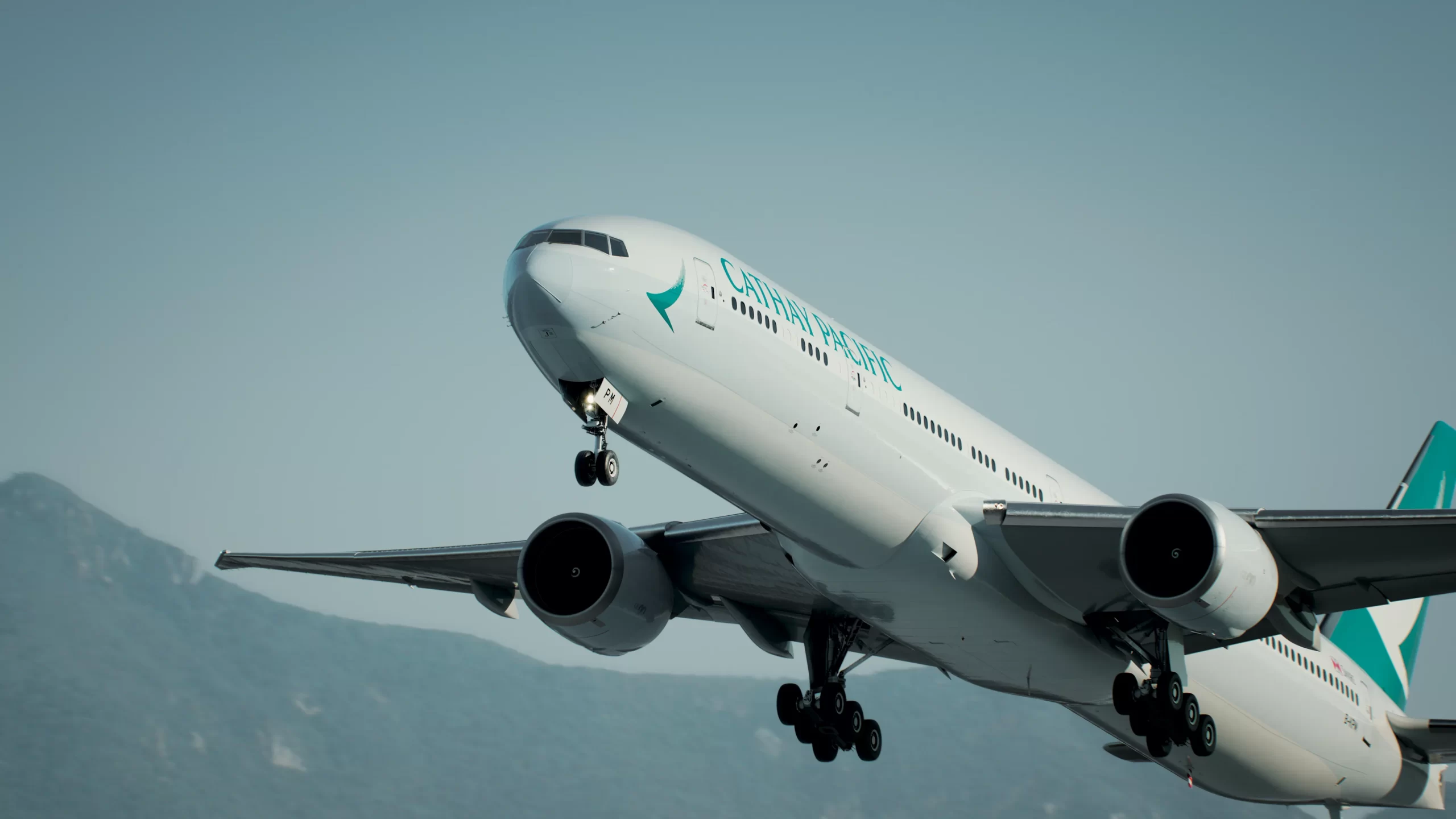
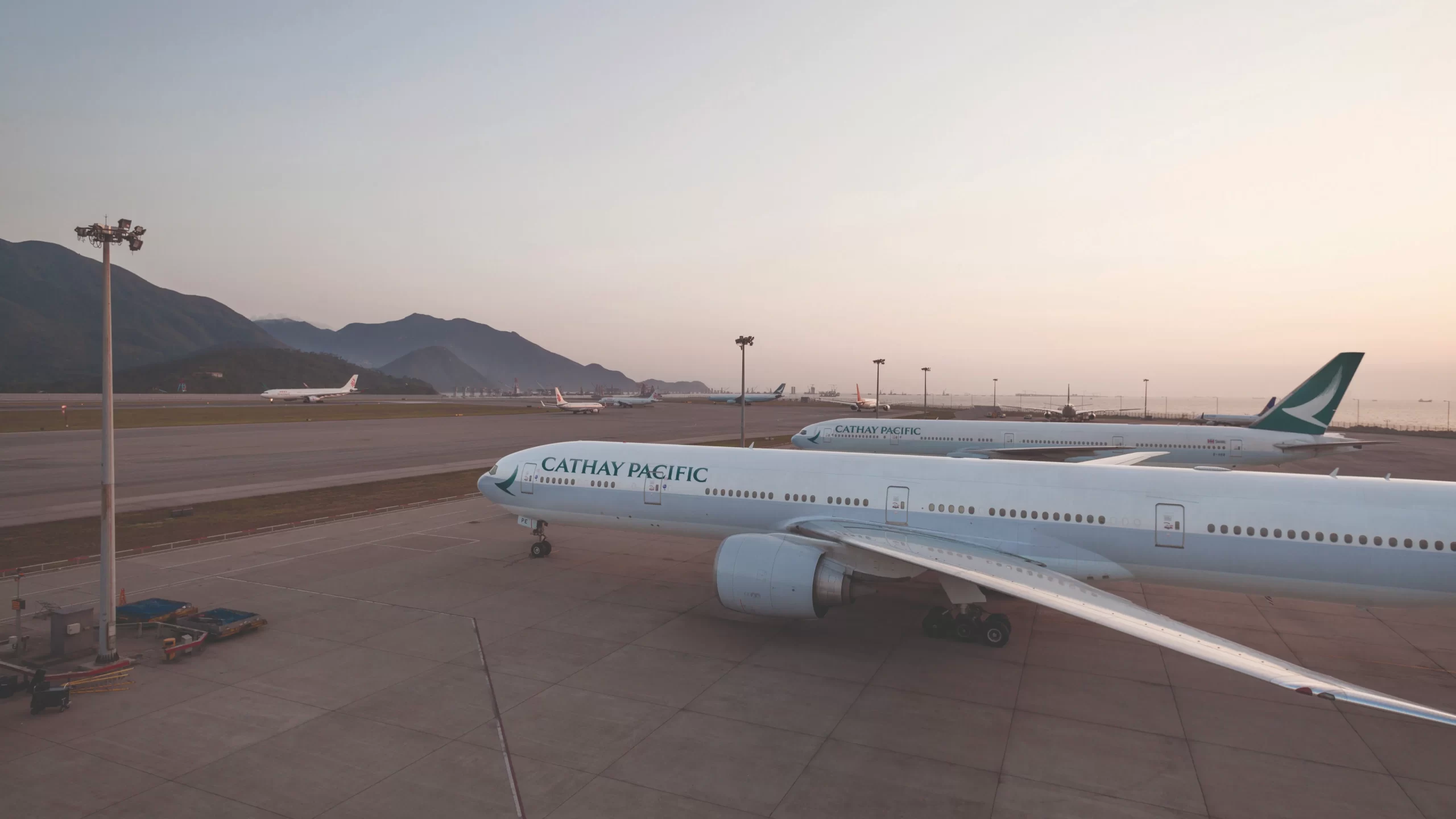
Cathay Group CEO Ronald Lam Siu-por, Ronald Lam Siu-por, said that it was “through diversification” that the carrier would be amenable to passengers trying to wade through the difficult geopolitical waters. Amid the worsening tensions between China and Japan, HK Express and Cathay Pacific stood out as carriers offering flexible arrangements to customers affected by this conflict of the nations in the Far East.
According to the South China Morning Post, “Lam pledged that Cathay would remain flexible when handling requests from affected passengers seeking flight cancellations, refunds or postponements.“
The announcement from Cathay comes at a time when diplomatic friction between Beijing and Tokyo, as well as sustained volatility in China–US relations, has forced airlines with extensive transregional networks to adjust operations swiftly to protect:
- Capacity
- Revenue Stability
- Passenger confidence
As a way to diversify its network to become more robust amid the geopolitical tensions, the carrier would add more routes, totaling the number of destinations served by Cathay and HK Express to 103. The carrier recently added flights to Adelaide, marking the sixth destination in Australia it serves directly.
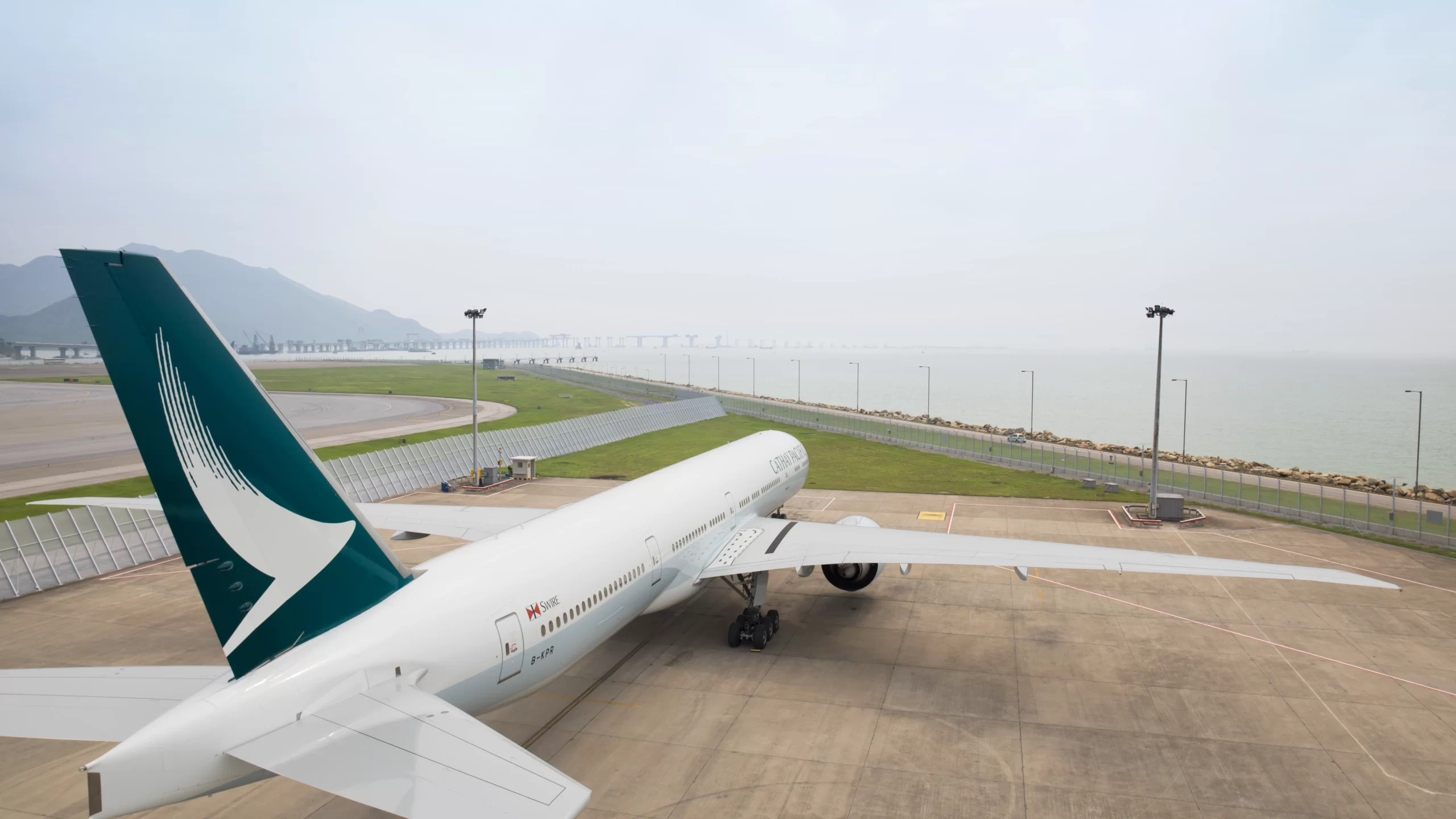
Diving Deeper into Cathay’s Diversification Strategy
Cathay Pacific has adopted a multilayered diversification approach intended to minimize exposure to any single geopolitical flashpoint. It recently expanded its global footprint through newly inaugurated routes—such as the one between Hong Kong International Airport (HKG) and Changsha Huanghua International Airport (CSX), the capital of China’s Hunan Province. The airline is also expected to begin operations to Seattle (SEA) in March next year, strengthening its North American network during a period of constrained China–US bilateral frequencies.
The group’s strategy also includes the expansion of cargo services, the enhancement of HK Express’ low-cost operations, and the growth of Cathay’s lifestyle ecosystem, which collectively create revenue buffers capable of absorbing shocks caused by political or diplomatic shifts.
As at 30th June 2025, the two carriers (Cathay and HK Express) serve:
- More than 100 destinations worldwide, including 22 in the Chinese Mainland
- Cathay serves 155 destinations through codeshare agreements
- Freighter services to 41 destinations from Cathay Cargo
- Air Hong Kong serves 16 destinations (charter and scheduled passenger combined)
The following numbers give us a greater insight into Cathay and HK Express’ growing presence:
-
Air Hong Kong operated 14 dedicated cargo aircraft across Asian routes as of 30 June 2025.
-
HK Express fielded a 41-aircraft low-cost fleet, serving short-haul destinations around Asia.
-
Cathay Pacific and Cathay Cargo together managed 179 passenger and freighter jets, forming the core of the Cathay Group’s 234-aircraft fleet.
-
The Cathay Group also held 93 new passenger and freighter aircraft on order, strengthening future capacity.
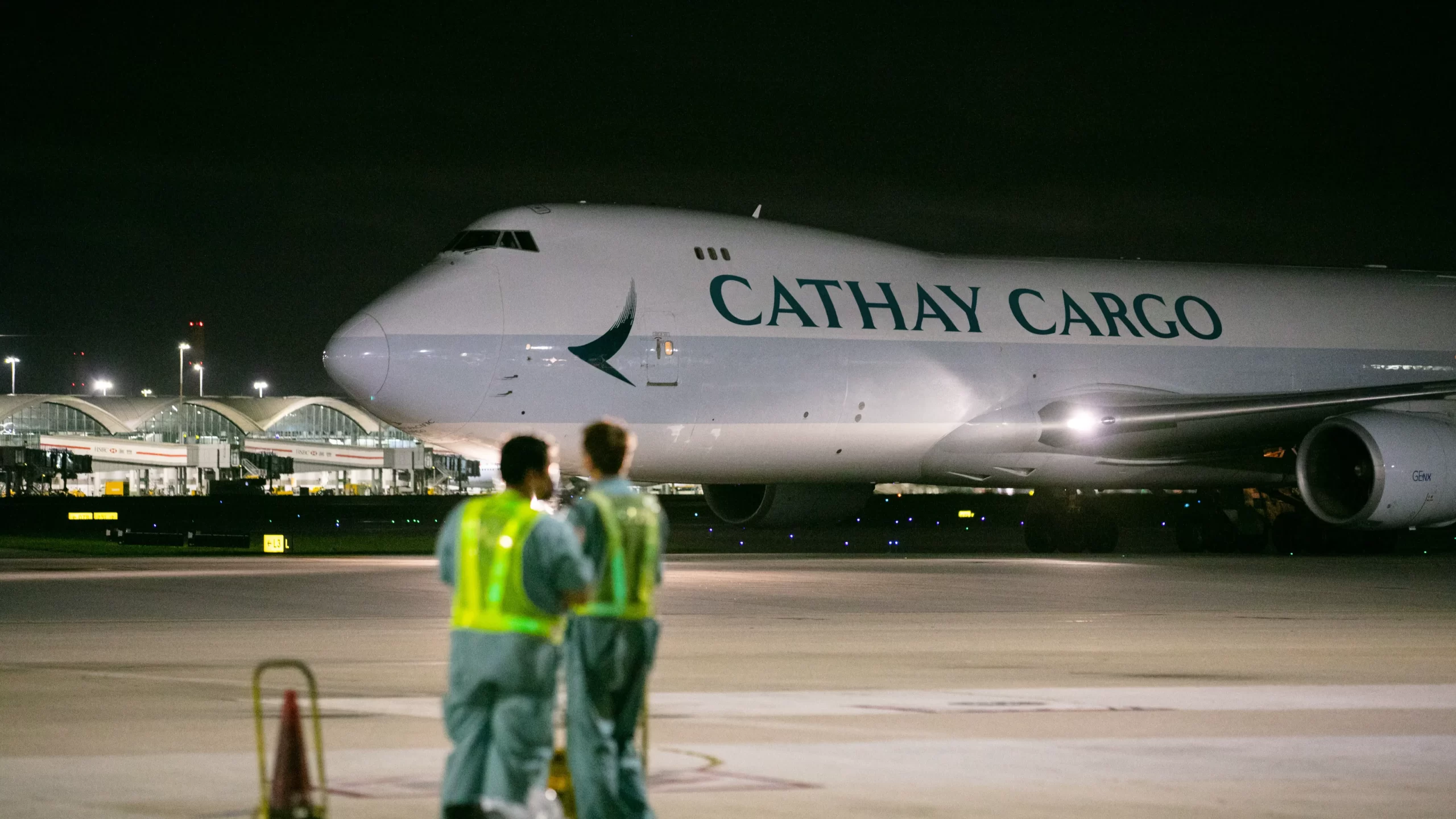
Cathay is Expanding Pilot Training to Counter tensions
Cathay’s Adelaide Training Centre presently hosts around 80 pilot trainees, forming a critical part of the airline’s long-term talent pipeline. Lam noted that the group expects to have approximately 3,400 pilots by year-end, supported by a mix of internally trained cadets and internationally recruited flight crew.
Cathay’s director of flight operations, Captain Chris Kempis, stated that maintaining a geographically diversified training footprint—including facilities in Adelaide (ADL) and Arizona was essential for continuity should regional restrictions or geopolitical shocks impede cross-border mobility for cadets or instructors. Incidentally, this was “marked the 25th anniversary of collaboration among Flight Training Adelaide, the Civil Aviation Department and airlines over the licensing regime of Hong Kong pilots trained and qualified in the country“.
Bottom Line
There have been reports that hint that there’s a rise in violence against Chinese citizens in Japan amid the tensions, with the government urging people to “attend to personal safety, pay attention to local announcements on the latest situation and notices on consular services from the Chinese embassy or consulate general in Japan“.
The topmost/busiest carriers of China, such as Air China, China Southern and China Eastern have already stated that they would “allow ticket holders to refund or change their itineraries for free for flights between Saturday and December 31“. With such political tensions looming, is it any surprise that Cathay pacific is looking to diversity its network?


_taking-off_from_CGO_02.jpg)