Less than a month after a Russian Ilyushin Il-76 landed in Venezuela amid tensions with the US, a major international carrier, Turkish Airlines (TK), has suspended flights to Venezuela. This has come after the Federal Aviation Administration (FAA) cautioned about elevated security risks and military activity over Venezuelan airspace, and its words specifically in context of the US-Venezuelan airspace quoted in the CBS “threats could pose a potential risk to aircraft at all altitudes, including during overflight, arrival and departure phases, and/or aircraft on the ground.”
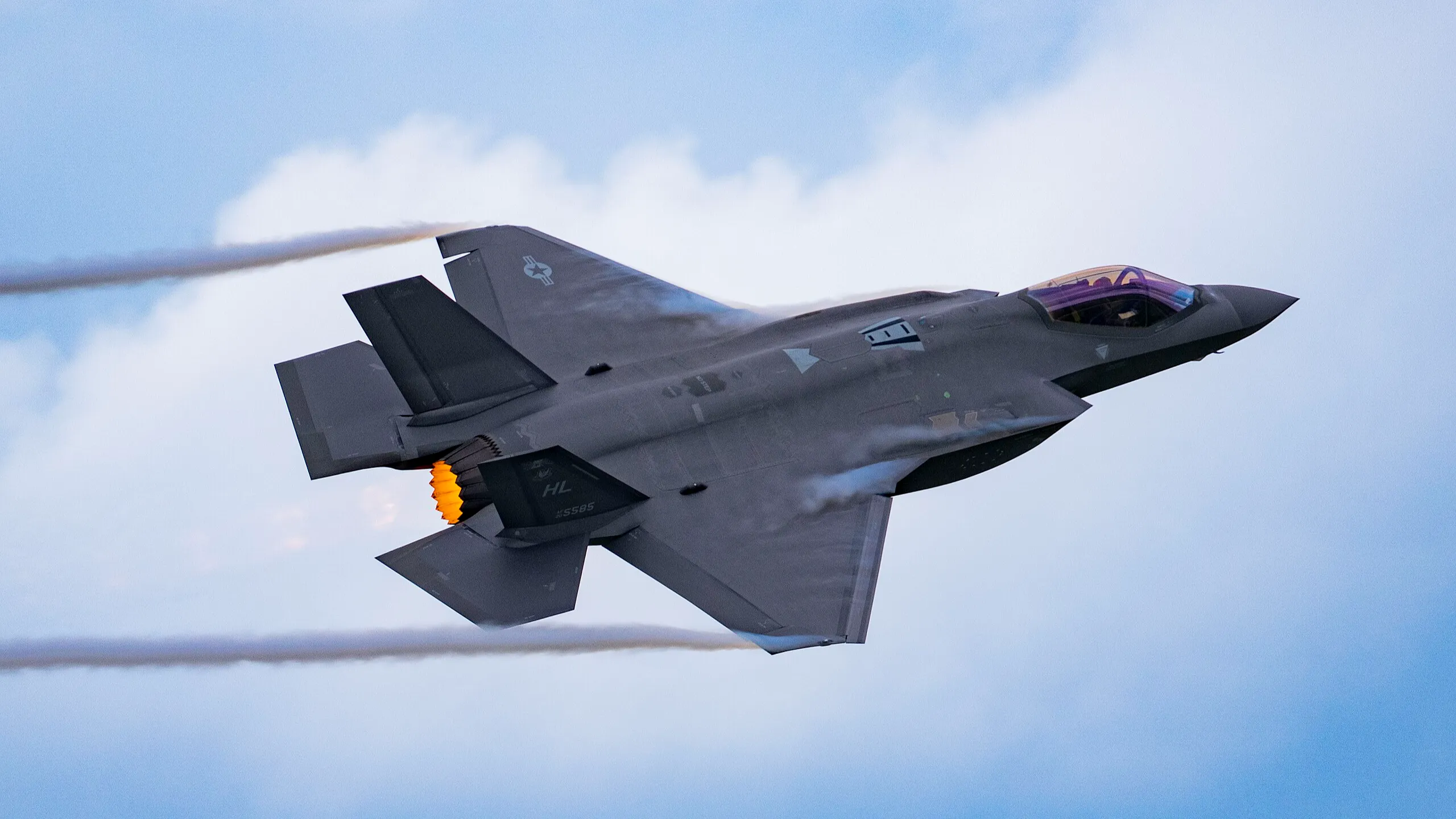
According to Daily Sabah, Turkish Airlines has specifically cancelled its Istanbul–Caracas services from 24 November to 28 November 2025. CBS also quoted the president of the Venezuelan Airlines Association (ALAV) as having said that carriers such as Iberia (from Spain), TAP Air Portugal, LATAM (from Chile), GOL Linhas Aéreas Inteligentes S.A (from Brazil) and Avianca (from Columbia) have suspended their flights to the country.
Airlines Suspending Venezuela Services
| Airline | Route/Service | Status |
|---|---|---|
| Turkish Airlines | Istanbul–Caracas | Suspended Nov. 24–28 |
| Iberia | Madrid–Caracas | Suspended until further notice |
| TAP Air Portugal | Venezuela services | Temporary suspension |
| Avianca | Venezuela services | Flights canceled while situation is assessed |
| GOL | Venezuela services | Suspended |
| Caribbean Airlines | Venezuela services | Suspended |
| LATAM | Venezuela-related operations | Cancellations reported |

What triggered the cancellations?
On November 21, 2025, the FAA issued a Notice to Air Missions (NOTAM) for Venezuela’s Maiquetía Flight Information Region (SVZM FIR), warning of increased military activity, heightened security risks and possible interference with navigation systems. The advisory warned that these conditions could pose risks to aircraft at any altitude, including during overflight, arrival, departure and while operating on the ground, and required affected U.S. operators to provide the FAA with at least 72 hours’ advance notice of planned flights.
The warning came amid growing tensions between Washington and Caracas. President Donald Trump had accused Venezuelan President Nicolás Maduro of leading the Cartel de los Soles, while the U.S. government had increased its reward for information leading to Maduro’s arrest or conviction to $50 million.
Al Jazeera, meanwhile, argued that the broader U.S. campaign against Venezuela raised questions under both international law and U.S. domestic law. The escalating tensions added to concerns surrounding the safety of civil aviation operating within or near Venezuelan airspace.
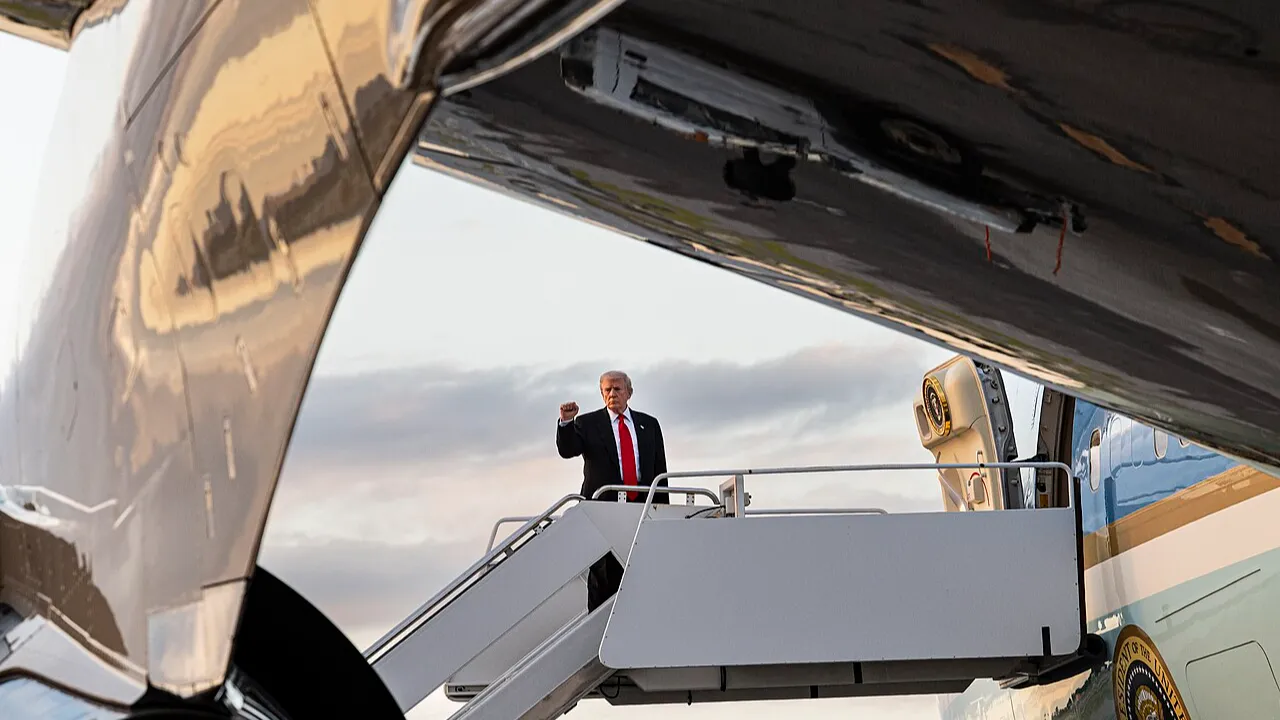
According to Türkiye Today, Turkish confirmed that the affected flights include the following:
- TK223/224 on Nov. 26 and 28
- TK183 on Nov. 24, TK195 on Nov. 25 and 27
According to the Associated Press, the U.S. military has, in addition to simulating bomber flights up to the coast of Venezuela, killed over 80 people since the campaign began more than a couple of months ago. It also has:
- Conducted a series of strikes on small boats in the Caribbean Sea and eastern Pacific Ocean.
- Sent USS Gerald R. Ford, a US aircraft carrier into the region
- Simulated an attack
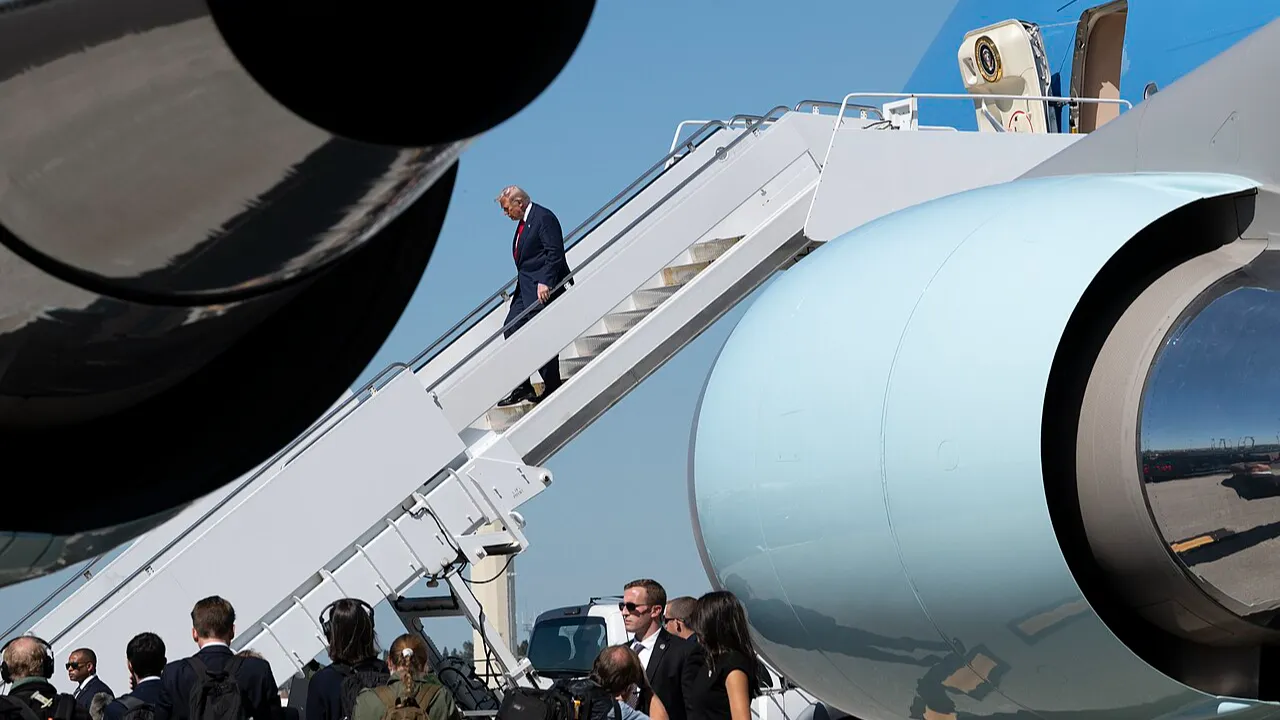
The same publication reported that the USS Gerald R. Ford aircraft carrier and several accompanying destroyers represented the latest additions to what had become the largest U.S. military buildup in the Caribbean near Venezuela in generations. The Trump administration had also refused to recognize Nicolás Maduro as Venezuela’s legitimate leader, while Maduro faced U.S. narcoterrorism charges.
Despite the series of U.S. strikes in the region, CBS News reported that Washington had yet to release concrete evidence showing that the vessels targeted in the attacks were involved in drug smuggling or posed a direct threat to the United States. The lack of publicly presented evidence had raised questions about the justification for the military campaign.
The publication also provided further details about the growing U.S. military presence in the region:
| Category | Details | Quantity / Assets |
|---|---|---|
| U.S. Troop Presence | Troops deployed in the region | ~15,000 |
| U.S. Naval Presence – Western Atlantic | Total ships | 4 |
| Aircraft carriers | 1 – USS Gerald R. Ford | |
| Guided missile destroyers | 3 | |
| U.S. Naval Presence – Caribbean | Total ships | 7 |
| Guided missile destroyers | 2 | |
| Guided missile cruisers | 2 | |
| Amphibious assault ship | 1 | |
| Amphibious transport dock ships | 2 |

There are vocal dissenting voices, though
President Nicolás Maduro denounced the U.S. military buildup in the region, depicting Washington’s actions as aggressive and threatening to Venezuela’s sovereignty.
Colombian President Gustavo Petro sharply criticized the flight suspensions, stating:
“there must be regular flights to all Latin American countries and from Latin America and the world….Countries are not blocked, because blocking countries means blocking people, and that is a crime against humanity.”
The Venezuela flight suspensions demonstrate how quickly geopolitical developments can affect commercial aviation. While some carriers have announced short-term cancellations and others have suspended services indefinitely, the duration of the disruption will depend on how the security situation and FAA guidance develop.

_(cropped).jpg)