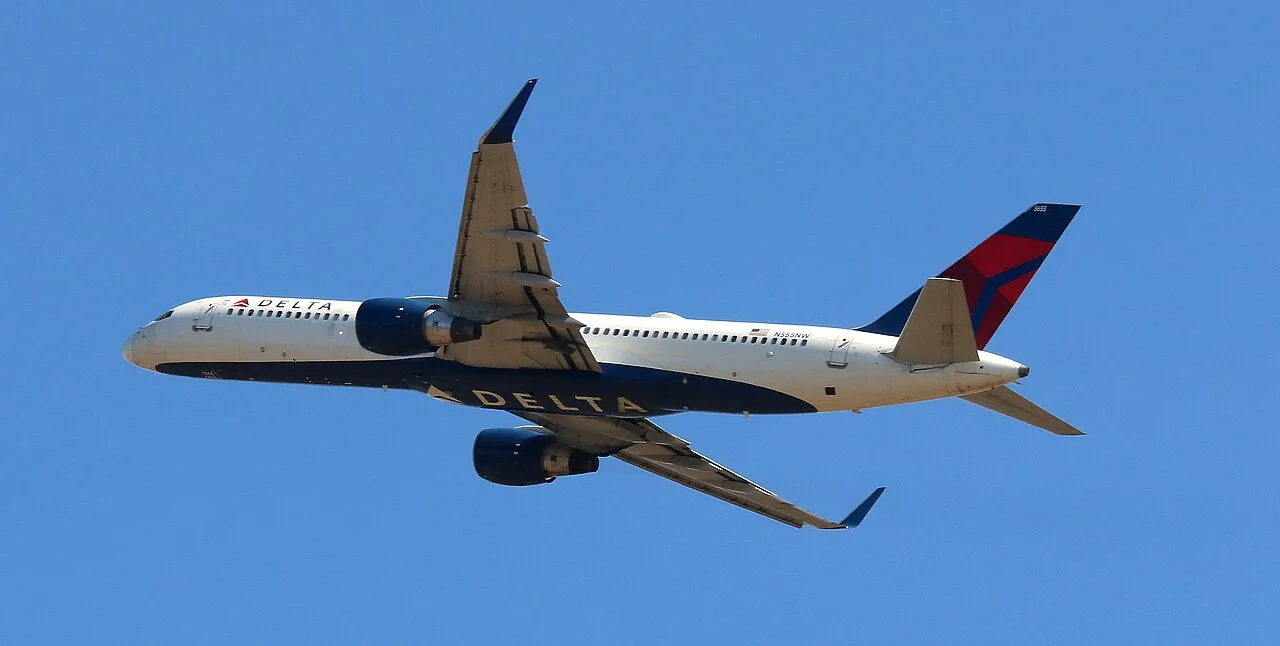
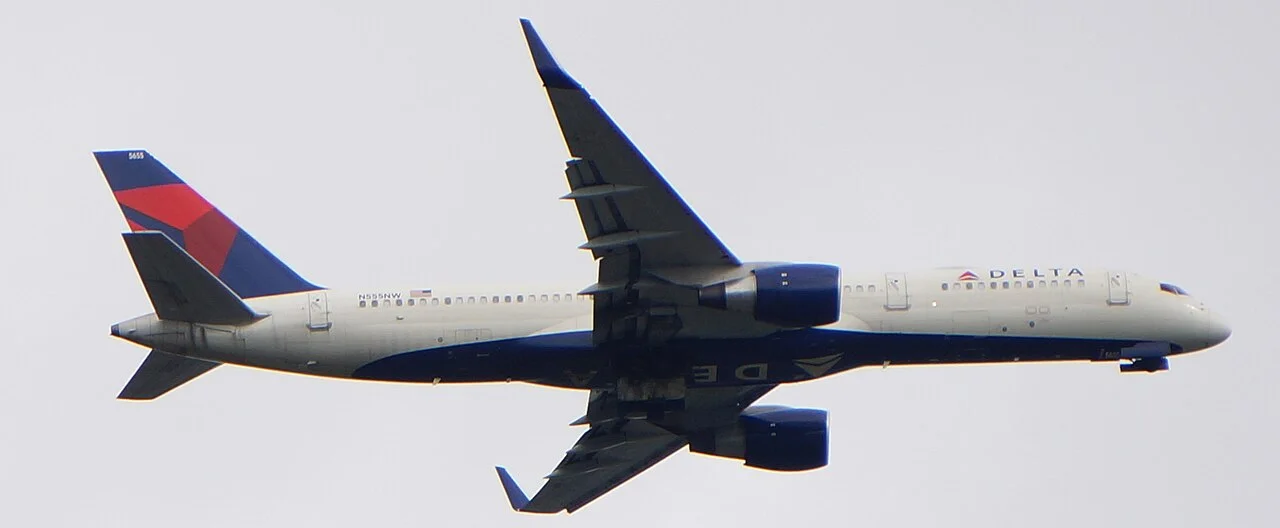
A Delta Air Lines (DL) Boeing 757 carrying 199 passengers and six crew members was evacuated on a taxiway at Hartsfield-Jackson Atlanta International Airport (ATL) on Saturday, August 8, 2026. The pilots turned the aircraft around minutes after departure when smoke and fumes entered the flight deck, and a second smoke report on the ground triggered an emergency slide evacuation. Flight DL2204 had been bound for Orlando International Airport (MCO) when the crew declared an emergency and returned to their home hub.
The aircraft pushed back at 7:23 a.m. and took off around 12 minutes later. It only reached roughly 9,000 feet before the pilots requested an immediate return. The crew intended to taxi to the gate after landing, but a fresh report of smoke in the cabin forced them to stop and order an evacuation on the taxiway instead, according to a report by Paddle Your Own Kanoo.
Pilots Report Fumes and Declare an Emergency
The pilots contacted air traffic control soon after the aircraft leveled off below its cruising altitude. Their voices carried the muffled tone typical of crews speaking through oxygen masks fitted with built-in radios.
“We have smoke and fumes, we’re going to return… We are declaring an emergency,” the pilot said. Controllers cleared the runway and prioritized the aircraft’s return to Atlanta.
Landing And a Sudden Change of Plan
The Boeing 757 landed safely. According to View from the Wing, the plane landed safely “on Runway 9R about 17 minutes after takeoff and pulled off the runway where airport firefighters inspected the plane and found no smoke or fire“. The aircraft taxied off the runway, where the flight crew initially planned a normal arrival at the gate.
That plan changed within moments of the aircraft resuming its taxi.
“Delta 2204, change of plans. We now have smoke in the back, and we need to deplane immediately,” the crew told the tower, based on air traffic control audio captured by ATC.com. The pilots then shut down the engines and began the evacuation checklist.
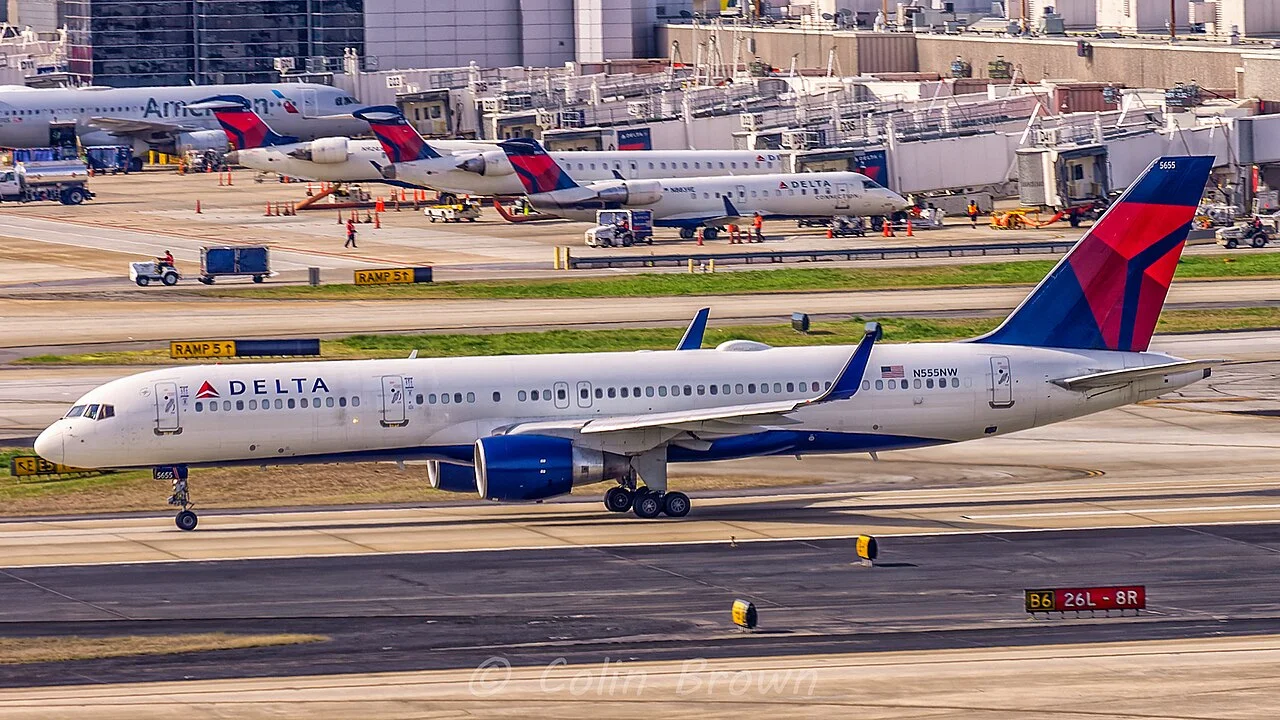
Aircraft Involved in the Incident
Evacuation On the Taxiway
Flight attendants deployed the inflatable slides once the engines were confirmed off, and passengers exited onto the tarmac. Airport firefighters, who had already been tracking the aircraft, met the jet and assisted arriving passengers.
One passenger and one crew member needed medical attention after the evacuation. Everyone else was bused back to the terminal, and Delta rebooked the group on a different aircraft to complete the trip to Orlando.
Delta Air Lines Issues a Statement
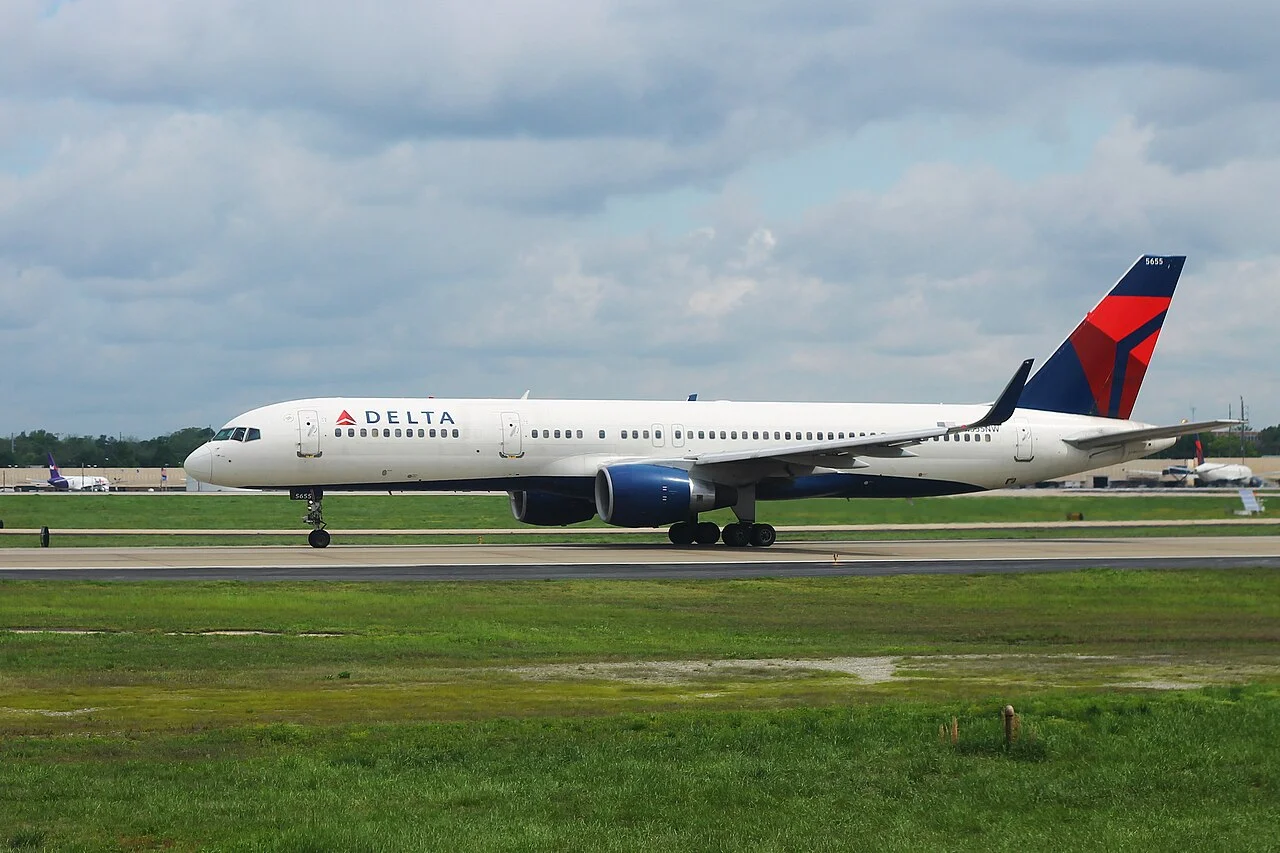
Delta confirmed the sequence of events shortly after the evacuation and apologized for the disruption to travelers. A Delta spokesperson was quoted in The Independent to have said:
“The flight crew followed procedures to return to Hartsfield-Jackson Atlanta International Airport after reports of fumes in the flight deck. A slide evacuation occurred on a taxiway, and customers are being reaccommodated on a new aircraft….Safety is paramount at Delta, and we apologize to our customers for their experience.”
The airline has not yet confirmed what caused the fumes in the cockpit. Maintenance teams are inspecting the Boeing 757 to determine the source of the odor before it returns to service.
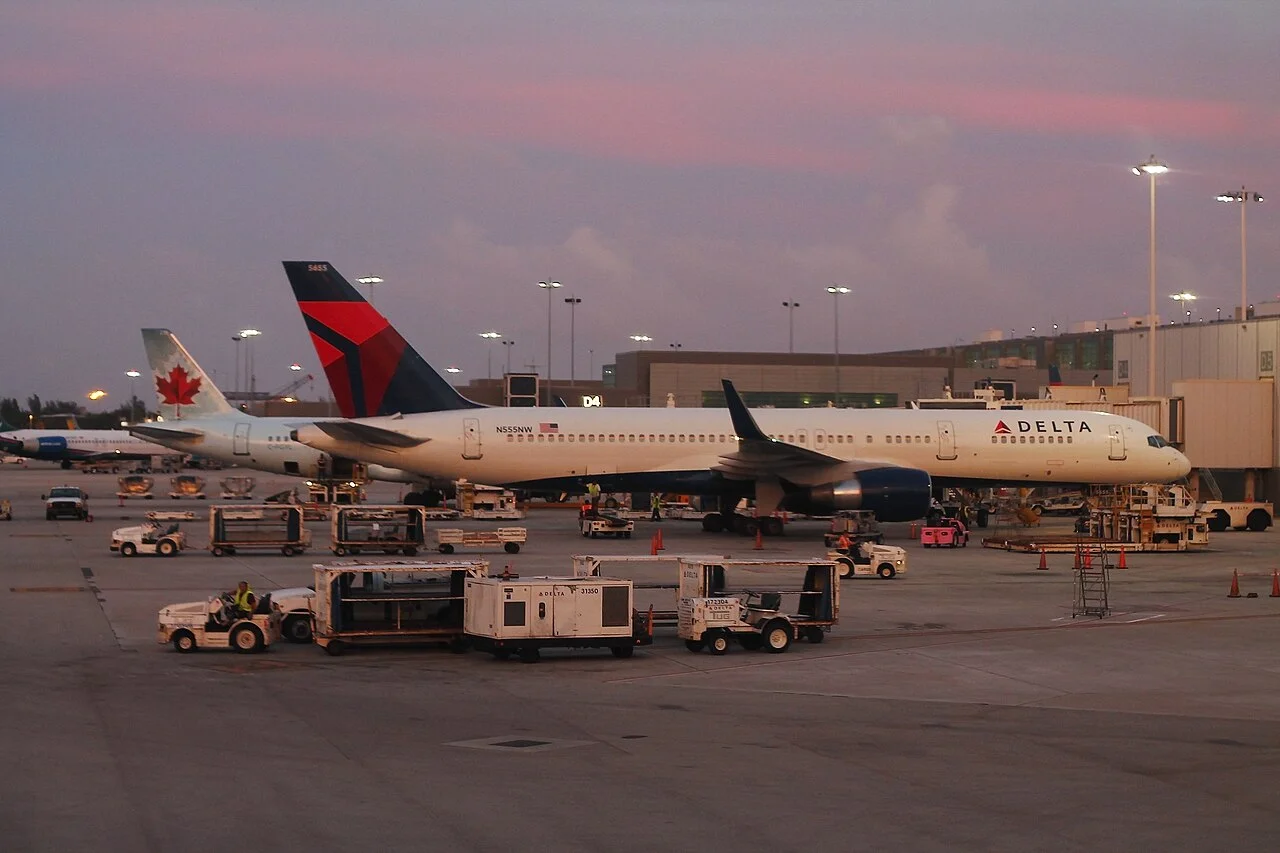
Passengers Describe a Chaotic Return
Jordan Conlin, a passenger traveling with his family, said the first minutes of the flight felt routine until the pilot announced fumes had filled the cockpit. He described both pilots putting on oxygen masks and turning the aircraft back toward Atlanta, and was quoted in Fox5Atlanta to have said:
“Getting off the plane felt amazing because it was just such chaos…You’ve got people screaming and yelling and panicking… You never think it’s going to be you, and all of a sudden what should be a normal flight becomes very, very scary.”
Crew members told passengers to brace as the jet approached Hartsfield-Jackson, and video shared on social media afterward showed the slide evacuation on the taxiway.
How This Compares to Other Recent Delta Incidents at Atlanta
This is not the only safety event Delta has faced at its Atlanta hub this year. Two Delta aircraft, a Boeing 737-900 and an Airbus A321, came within roughly 1,800 feet of each other in a near miss over Hartsfield-Jackson on July 27, after one jet performed a go-around and the other departed on a converging flight path.
A separate Delta flight diverted to Vancouver International Airport (YVR) on July 11 after cabin crew detected a smoke-like odor near a rear lavatory on an Airbus A220 traveling from Seattle to Anchorage. Technicians later traced that smell to a faulty water heater rather than fire, a reminder that smoke and fume reports do not always point to the same cause even when the emergency response looks similar.
All in All
Airline crews cannot immediately tell whether an unusual smell or haze comes from a minor equipment fault or an active fire. Because of that uncertainty, standard procedure calls for landing at the nearest suitable airport and evacuating quickly if any doubt remains once the aircraft is on the ground.


.jpg)
.jpg)
.jpg)
