A Delta Air Lines (DL) flight traveling from Seattle-Tacoma International Airport (SEA) to Anchorage (ANC) made an unscheduled diversion after flight attendants detected what appeared to be cigarette smoke near one of the aircraft’s rear lavatories.
The crew declared an emergency and diverted to Vancouver International Airport (YVR), where technicians later discovered the odor originated from a malfunctioning lavatory water heater rather than an onboard fire or smoking incident.
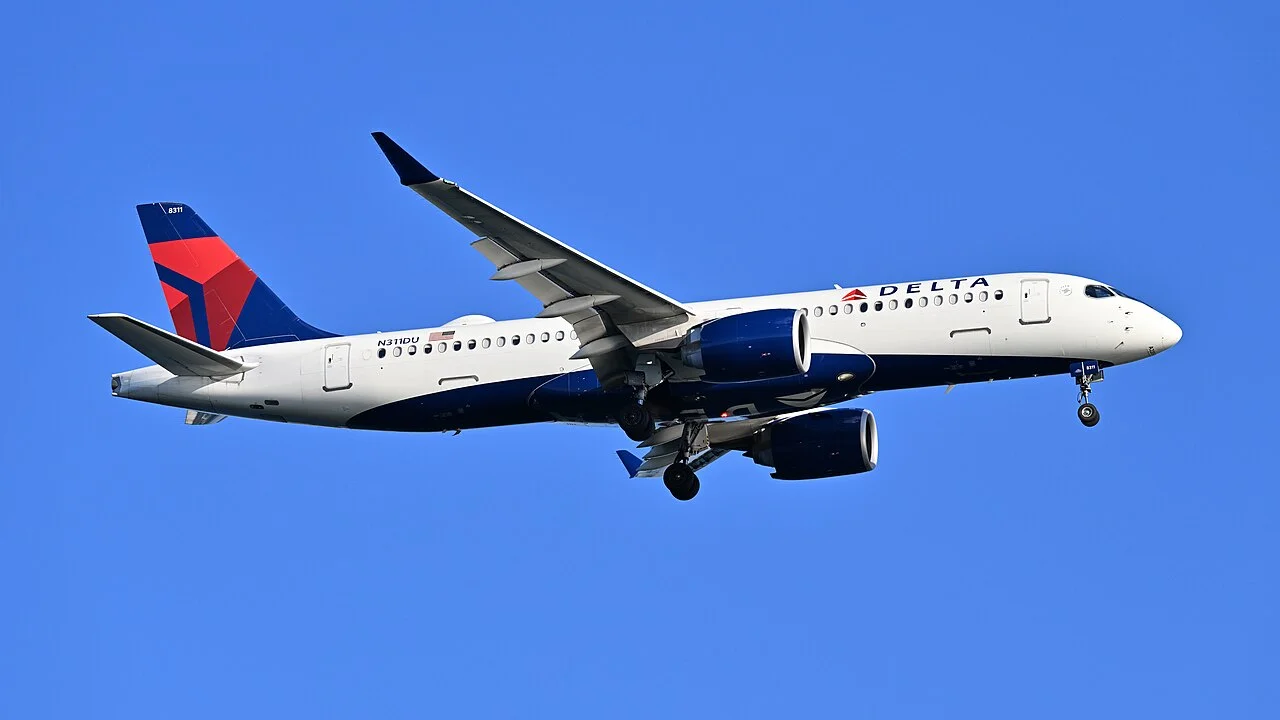
Delta Flight DL928 Diverts to Vancouver
Delta Air Lines flight DL928 departed Seattle at approximately 2:30 p.m. on July 11, scheduled to operate a routine three-hour service to Ted Stevens Anchorage International Airport (ANC).
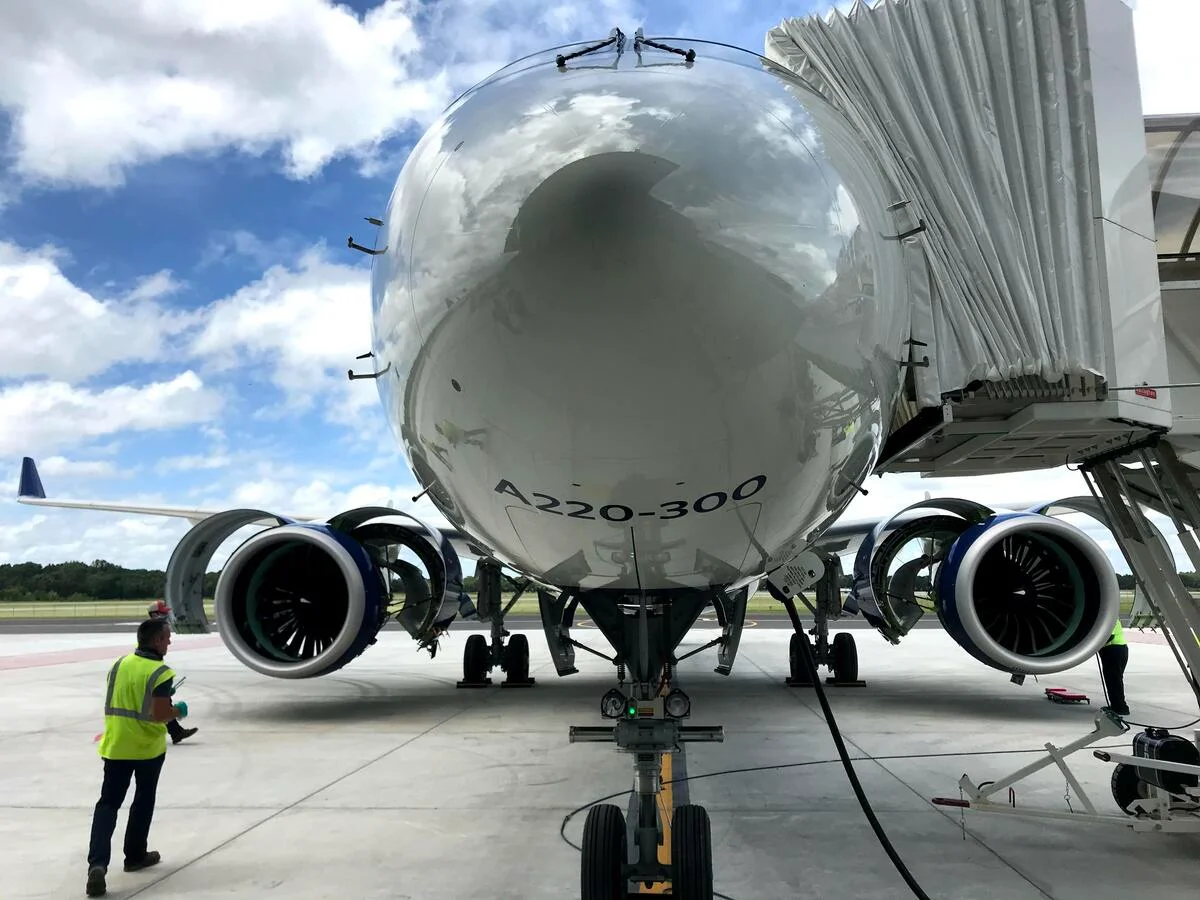
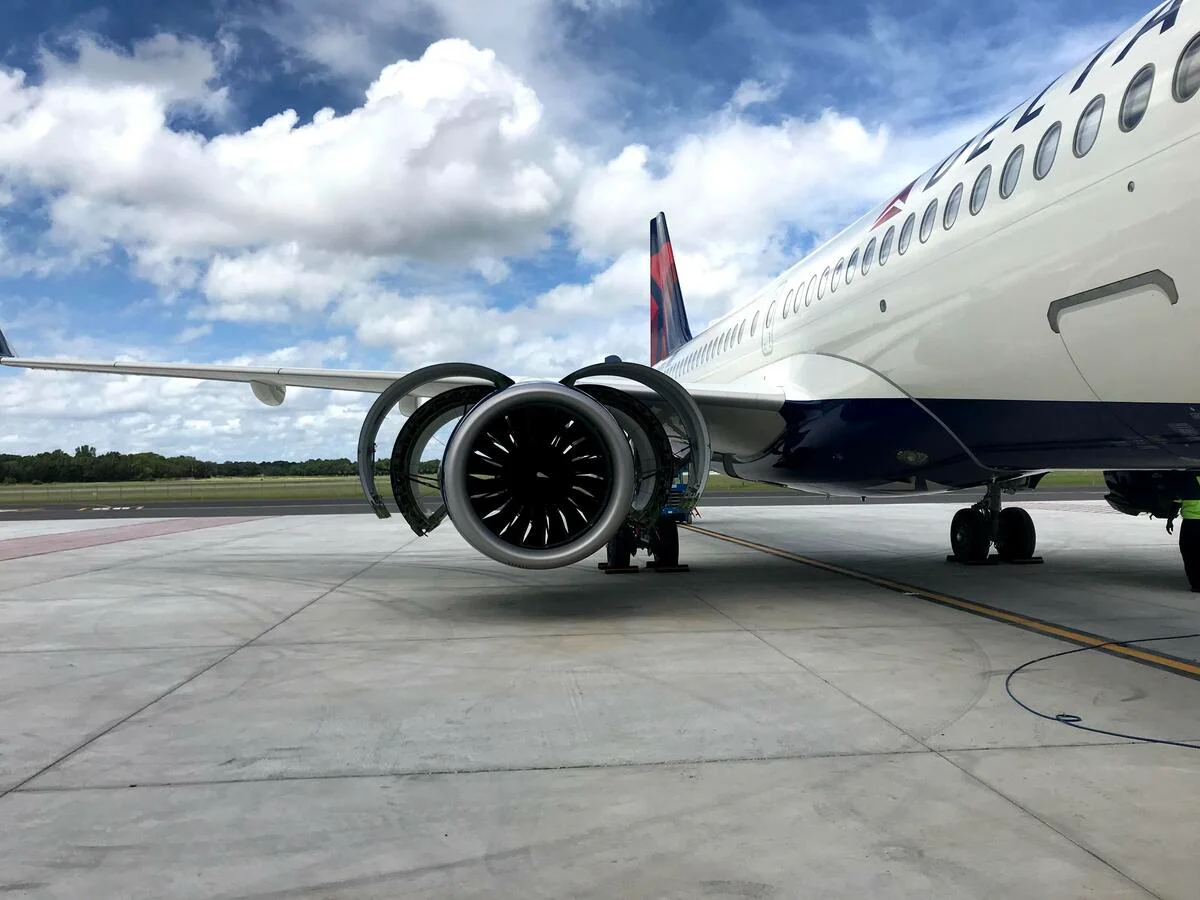
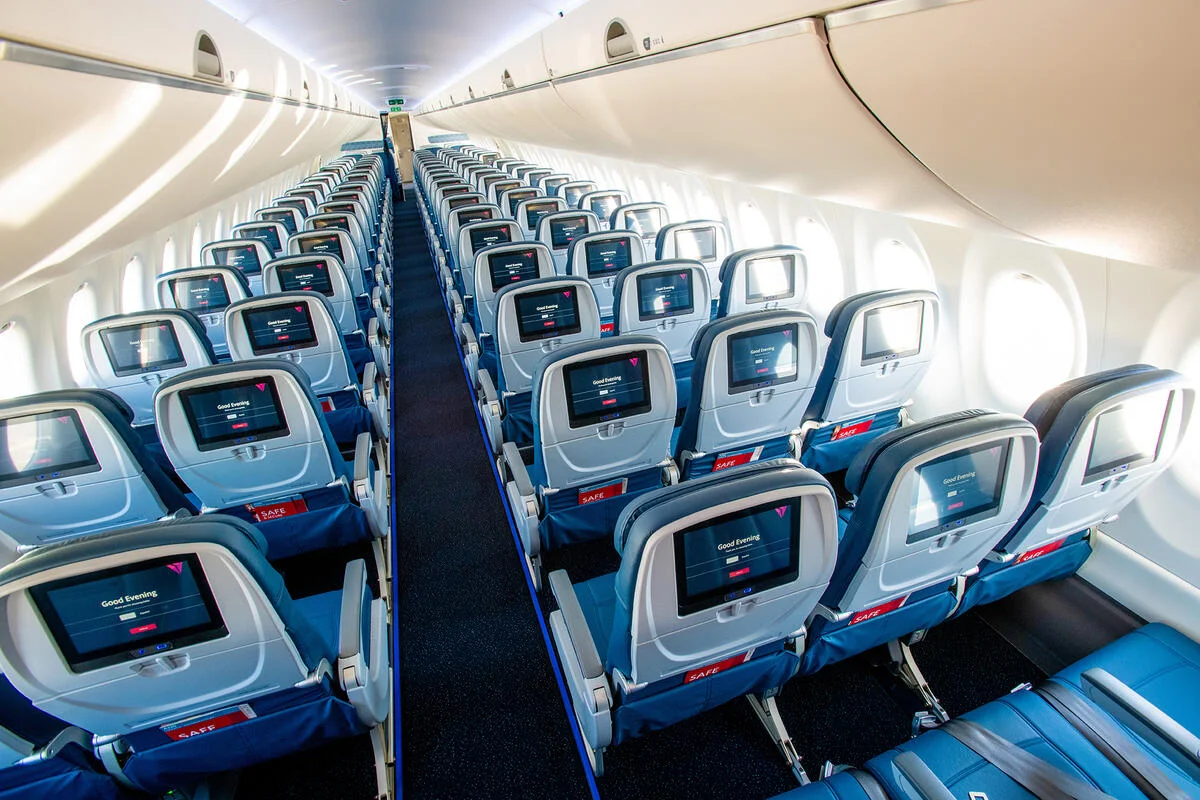
The flight was operated by a four-year-old Airbus A220, registered N311DU, carrying 136 passengers and crew members. Originally introduced as the Bombardier C Series before Airbus assumed control of the program, the aircraft is equipped with three lavatories—one at the front and two at the rear of the cabin.
Although the incident occurred on July 11, it only became public weeks later. Aviation publication The Aviation Herald obtained details of the occurrence from Canadian accident investigators, and quoted The Canadian TSB to have said:
“Maintenance conducted an inspection and found an odour emitting from the water mixer/heater in the left aft lavatory. The repair was deferred as per the minimum equipment list. Maintenance subsequently replaced the affected water mixer/heater.”
While cruising at 32,000 feet, cabin crew reported an odor resembling cigarette smoke coming from one of the rear lavatories. As the smell intensified, it began affecting both crew members and passengers seated in the aft section of the aircraft.
Flight attendants inspected the lavatories but found no occupants and no signs that anyone had been smoking.
Unable to determine the source of the odor and with conditions deteriorating, the flight crew declared an emergency and requested an immediate diversion to Vancouver International Airport (YVR). The aircraft turned around over Canada and landed safely.
Lavatory Water Heater Found Responsible
Following the landing in Vancouver, maintenance personnel conducted an inspection of the aircraft to locate the source of the smell.
Their investigation identified the water heater supplying the hot-water faucet in the left-side lavatory as the cause of the smoke-like odor. The lavatory, known among some Airbus A220 passengers for its window, showed no evidence of fire or smoking.
The inspection confirmed that the odor resulted from aircraft equipment rather than passenger activity.
Why Smoke and Fume Events Trigger Immediate Diversions
In commercial aviation, any indication of smoke, fire, or fumes—commonly referred to as an SFF event—is treated as a potentially serious emergency.
From the cockpit or cabin, crews cannot immediately determine whether an unusual odor is caused by a minor equipment malfunction or an active fire. Because of that uncertainty, standard procedure is to respond quickly rather than wait for additional evidence.
During such events, flight attendants work to identify and isolate the source whenever possible, while pilots prioritize landing the aircraft at the nearest suitable airport.
Aircraft Lavatories Are Closely Monitored
Aircraft lavatories receive particular attention during smoke-related incidents because fires or electrical faults can develop in the confined space before becoming visible, despite the presence of smoke detectors.
Cabin crew are trained to inspect lavatories whenever a smoke alarm activates or suspicious odors are detected. Depending on airline procedures, they may also disconnect electrical systems inside the lavatory, including the water heater.
Incidents like the one involving DL928 remain uncommon. In this case, diverting the flight allowed maintenance crews to identify the faulty water heater and eliminate concerns about an onboard fire.
The Airbus A220 was ferried back to Seattle the following day without passengers and returned to commercial service shortly afterward.

