United Airlines (UA) is intensifying its crackdown on flight attendants accused of profiting from the airline’s trip trading system by securing sought-after flight assignments and selling them to colleagues. The airline maintains that accepting payment for trip swaps violates company policy, while the flight attendants’ union argues employees should not face discipline without clear proof of misconduct.
The latest disagreement pits United against the Association of Flight Attendants-CWA (AFA-CWA), which says it has seen a growing number of cabin crew members dismissed over alleged paid trip trading. According to Paddle Your Own Kanoo, the union is now challenging those disciplinary actions and demanding stronger due process protections.
United Airlines Increases Scrutiny of Trip Trading
United Airlines has stepped up efforts to detect flight attendants who allegedly use their seniority to obtain desirable schedules before transferring those assignments for financial gain.
According to the airline, some senior crew members bid for premium long-haul routes—such as flights to Paris and Rome—not because they intend to operate them, but to later transfer the trips to junior colleagues in exchange for payment. These international routes are typically among the most difficult assignments for less senior flight attendants to obtain through the normal bidding process.
The AFA-CWA says dismissals linked to these allegations have increased significantly in recent months.
Union officials argue that flexible trip trading was a negotiated benefit achieved during previous contract talks, with flight attendants giving up other concessions to preserve those scheduling rights.
What Is ‘Trip Parking’?
At the center of the dispute is a practice commonly referred to as “trip parking.”
The term describes a situation in which a senior flight attendant intentionally bids for a desirable assignment and later transfers it to another employee. While United allows trip exchanges under its scheduling rules, the airline considers the practice a policy violation if money changes hands.
Junior crew members seeking premium international flights or specific days off may allegedly pay another flight attendant to acquire those assignments.
United’s policy permits legitimate trip swaps but prohibits employees from using the system to earn personal income.
Previous Investigations Into Trip Trading
This is not the first time United has investigated alleged abuses of its trip trading process.
In 2019, the airline introduced software designed to monitor trading activity and identify patterns that could indicate improper transactions. The system flags unusual scheduling behavior for further review by investigators.
The following year, United terminated 28 experienced flight attendants over allegations related to trip parking.
One of those former employees, Anna Palova, later filed an age discrimination lawsuit against the airline following her dismissal. That case is still pending.
Union Pushes Back Against Disciplinary Action
The Association of Flight Attendants has pledged to challenge every recent termination tied to the alleged violations.
According to the union, employees should only face disciplinary action after investigations produce sufficient evidence of wrongdoing. It also contends that United should clearly communicate any changes in enforcement practices before taking action against employees.
In addition to seeking the reinstatement of terminated flight attendants, the union says the airline should apply progressive discipline wherever appropriate.
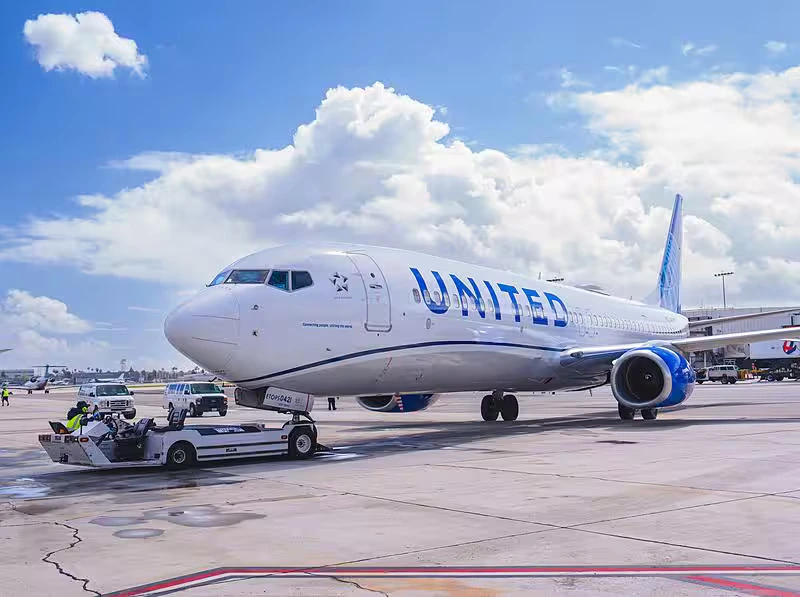
Alleged Code Words Used During Trip Sales
Reports indicate that some flight attendants allegedly used coded terms while offering trips through internal scheduling platforms.
Words such as “cookies,” “hugs,” and “kisses” were reportedly used to signal that a flight assignment or day off was available in exchange for payment.
Interested employees would then reportedly contact the seller privately to negotiate a price before completing the transfer through United’s official trip trading system.
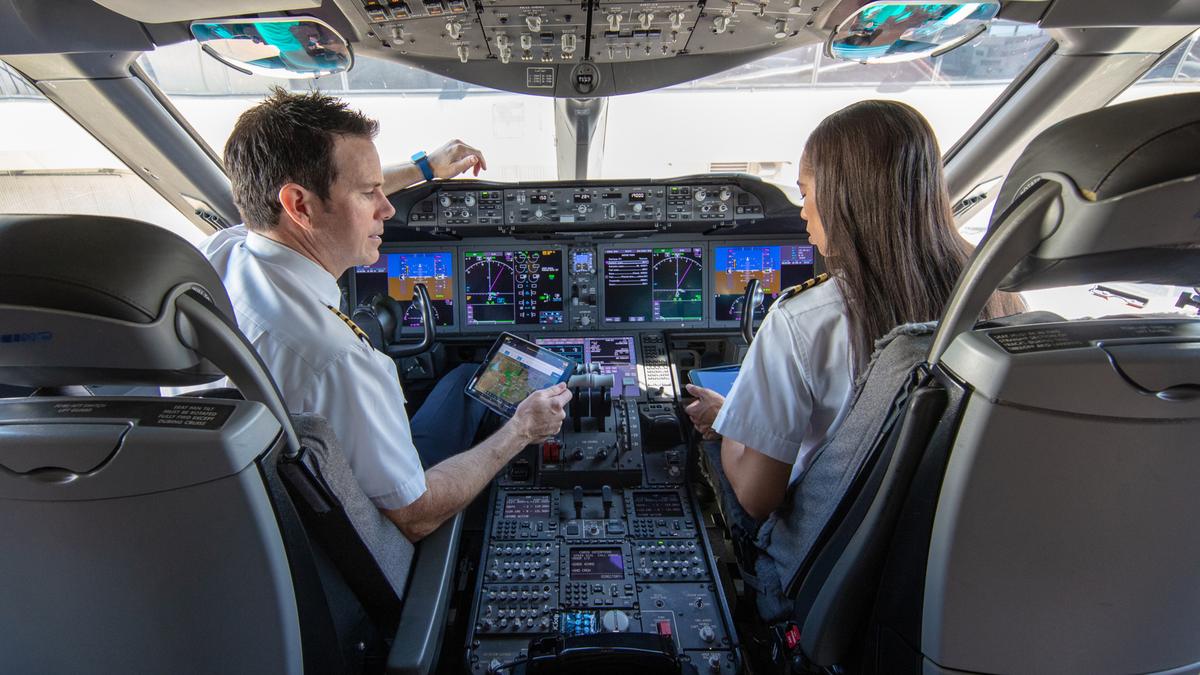
How Other US Airlines Approach Paid Trip Trading
Airline policies on paid trip trading vary across the industry.
United Airlines (UA), American Airlines (AA), and Delta Air Lines (DL) – three of the biggest carriers in the world– prohibit employees from exchanging flight assignments for money.
Southwest Airlines (WN) does not impose the same restriction, while Alaska Airlines (AS), Frontier Airlines (F9), and JetBlue Airways (B6) do not have formal policies that explicitly allow or prohibit paid trip trading.
