

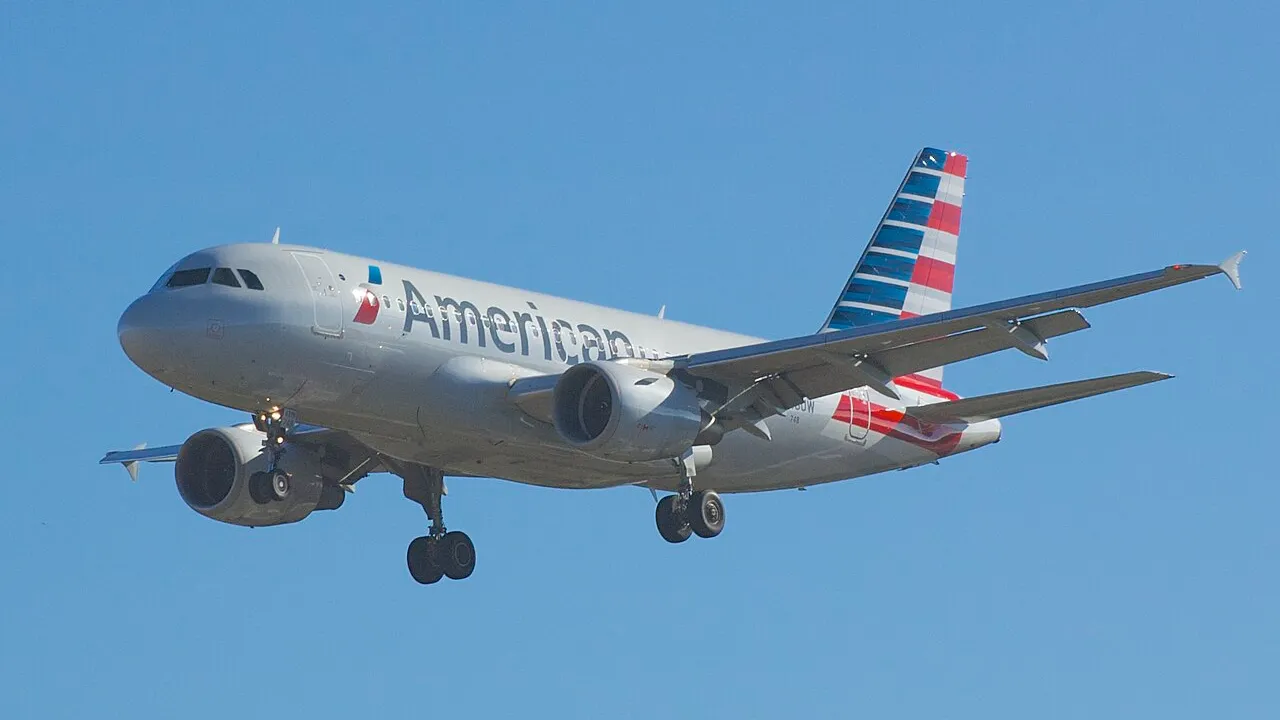
As the aviation industry continues to rebound and expand, fleet size remains a key indicator of an airline’s market strength, route network, and operational capacity. In 2026, the world’s largest airlines continue to invest heavily in modern aircraft, with single-aisle jets dominating short- and medium-haul operations, while widebody aircraft power international routes. Here’s a look at the top 10 airlines with the biggest fleets in 2026.
10. Ryanair – 349 Aircraft
Rounding out the top 10, Ryanair operates a fleet of 346 single-aisle Boeing 737s, focusing exclusively on low-cost European routes. The airline’s latest delivery, a Boeing 737 MAX 8, arrived in November 2025.
| Aircraft Type | In Service | Parked | Total | Avg. Age (Years) |
|---|---|---|---|---|
| Boeing 737 | 331 | 15 | 346 | 10.7 |
| Bombardier Challenger 300 | 3 | – | 3 | 0.8 |
| Total | 334 | 15 | 349 | 10.6 |
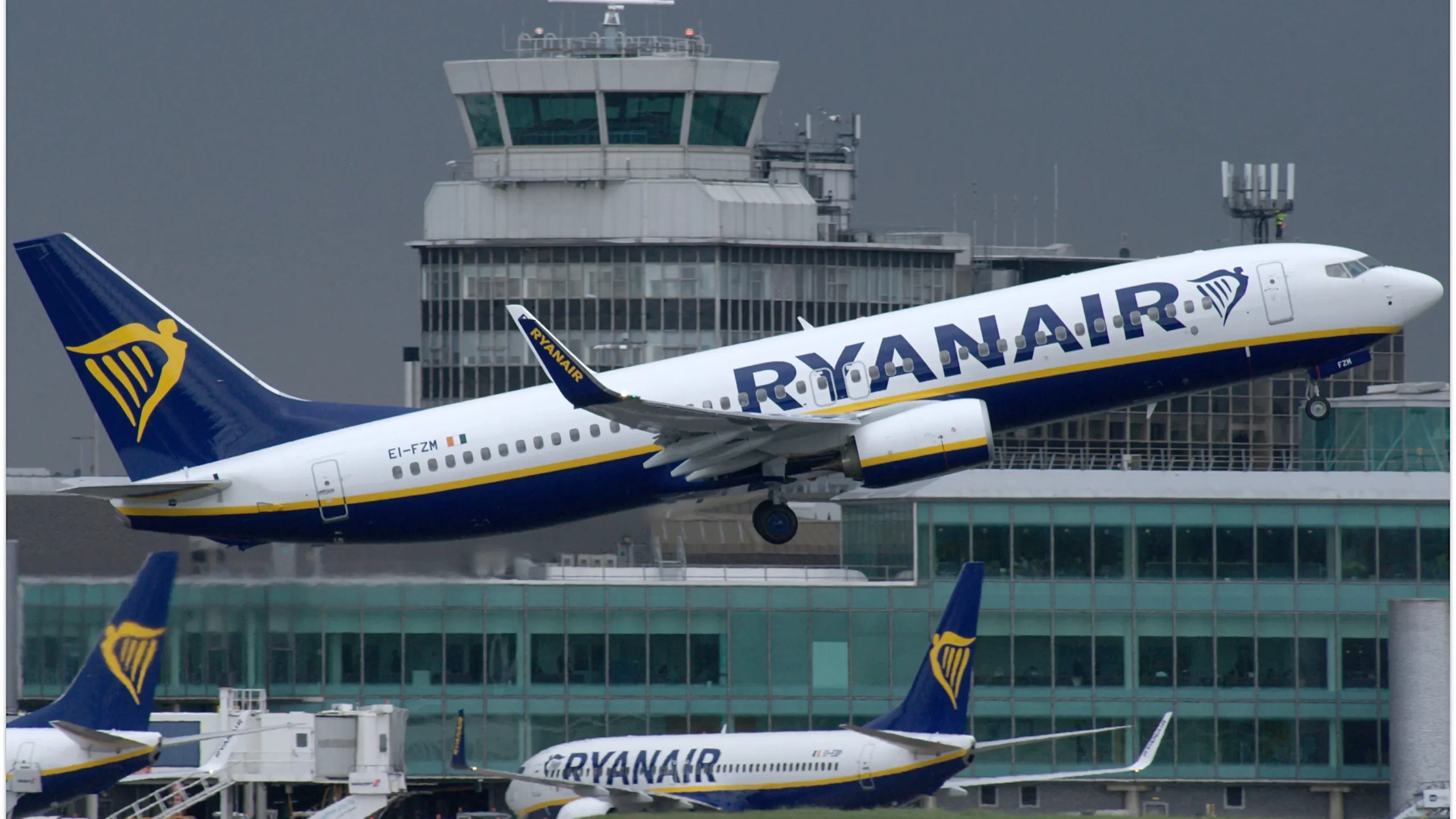
Ryanair continues to lead the way for ultra-low-cost operations, and under this model frequently adding new secondary airports in Europe to avoid congestion and reduce fees. It also operates one of the industry’s most aggressive ancillary revenue programs, generating additional income from baggage, seat selection, and in-flight services. The carrier recently introduced paperless boarding system.
9. Turkish Airlines – 402 Aircraft
With 237 single-aisle jets and 165 widebodies, Turkish Airlines has a total fleet of 402 aircraft. The airline recently received an Airbus A350-900, enhancing its long-haul international services. Note that the Airbus A350-900 is the aircraft type that is operated one the longest non-stop route in the world.
| Aircraft Type | In Service | Parked | Total | Avg. Age (Years) |
|---|---|---|---|---|
| Airbus A319 | 6 | – | 6 | 14.6 |
| Airbus A320 | 18 | 3 | 21 | 15.1 |
| Airbus A321 | 115 | 15 | 130 | 8.7 |
| Airbus A330 | 51 | 8 | 59 | 13.3 |
| Airbus A350 XWB | 29 | 4 | 33 | 2.4 |
| Boeing 737 | 76 | 4 | 80 | 10.0 |
| Boeing 777 | 45 | 2 | 47 | 10.9 |
| Boeing 787 Dreamliner | 26 | – | 26 | 4.5 |
| Total | 366 | 36 | 402 | 9.5 |
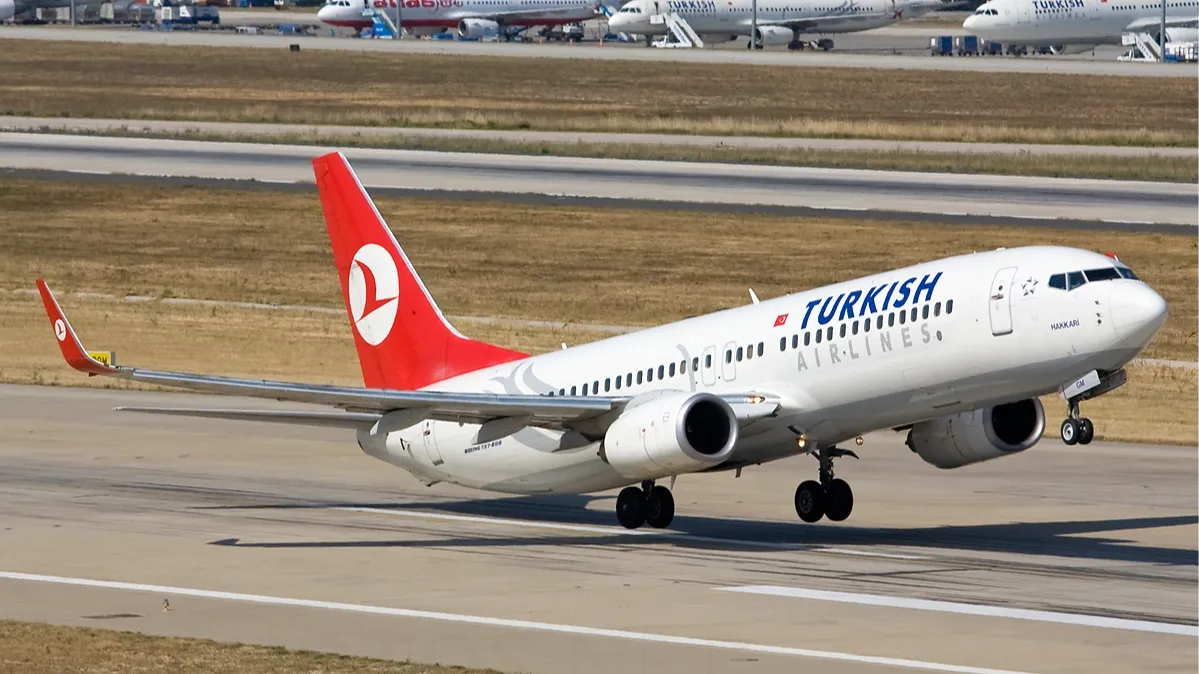
In 2025 it reported robust financial performance, including a third‑quarter profit of about $1.1 billion and significant growth across its diversified revenue streams as it progresses toward its long‑term 2033 expansion strategy, which envisions a fleet exceeding 800 aircraft and a top‑five global airline ranking by its centennial year. The airline carried over 51 million passengers in the first seven months of 2025.
8. Air China – 531 Aircraft
Air China, China’s flag carrier, operates 407 single-aisle jets and 125 widebodies, totaling 531 aircraft. December 2025 marked the delivery of a COMAC C919, signaling China’s push to introduce domestic aircraft on major routes.
| Aircraft Type | In Service | Parked | Total | Avg. Age (Years) |
|---|---|---|---|---|
| Airbus A319 | 28 | – | 28 | 14.6 |
| Airbus A320 | 69 | 22 | 91 | 8.2 |
| Airbus A321 | 89 | 15 | 104 | 9.5 |
| Airbus A330 | 38 | 5 | 43 | 13.1 |
| Airbus A350 XWB | 28 | 2 | 30 | 5.0 |
| Boeing 737 | 137 | 4 | 141 | 11.7 |
| Boeing 747 | 9 | – | 9 | 14.9 |
| Boeing 777 | 26 | 2 | 28 | 11.8 |
| Boeing 787 Dreamliner | 12 | 2 | 14 | 8.9 |
| COMAC ARJ21 | 33 | 2 | 35 | 2.9 |
| COMAC C919 | 9 | – | 9 | 0.6 |
| Total | 478 | 54 | 532 | 9.8 |
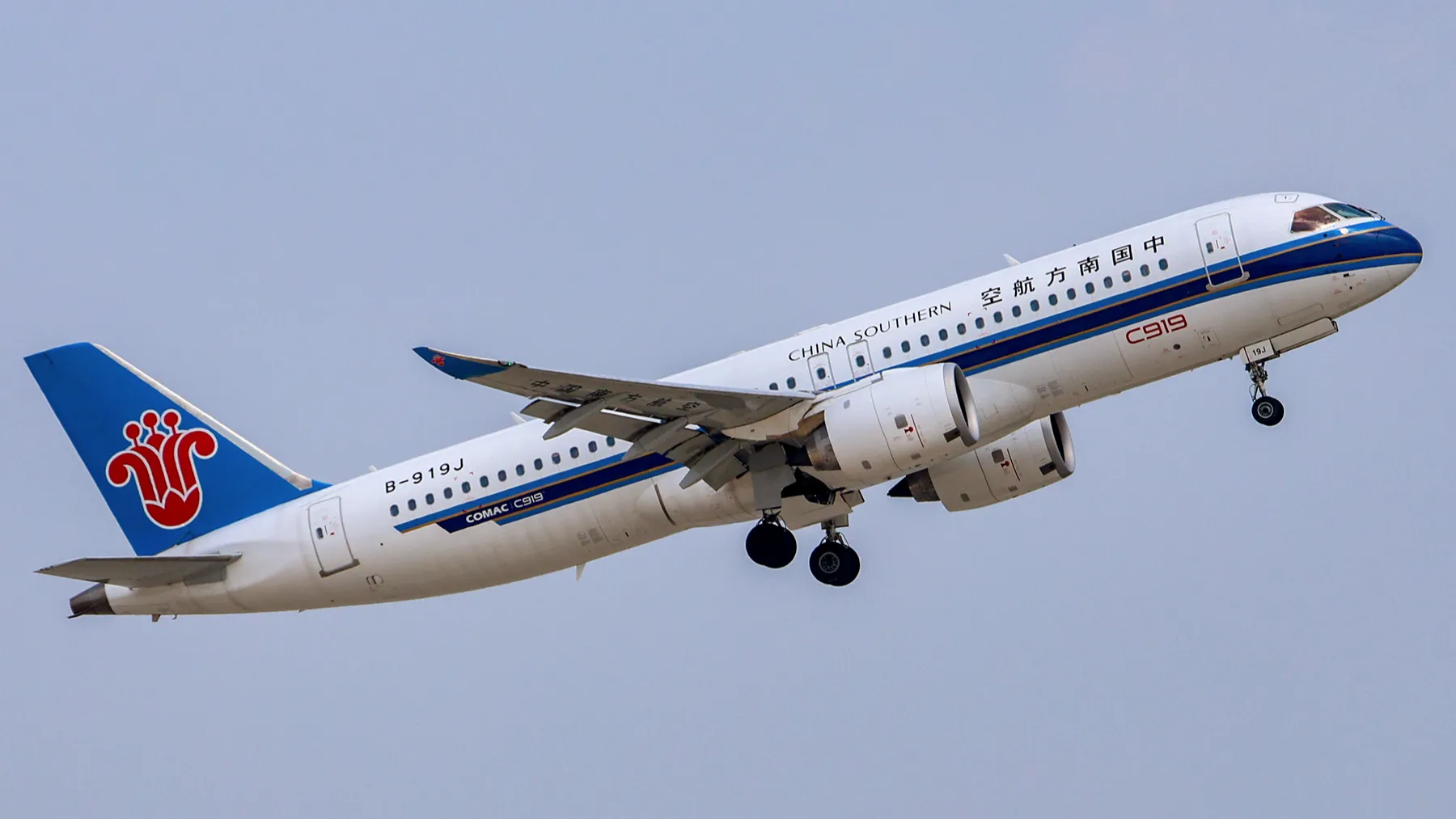
At the turn of the new year, Reuters reported that Air China has also committed to a $9.5 billion order for 60 Airbus A320neo aircraft for delivery through 2032. Its cargo arm further expanded by placing orders for six Airbus A350F freighters, enhancing long-haul freighter capacity.
For the first nine months of 2025, it reported a 37% year-on-year increase in net profit to approximately RMB 1.87 billion, with revenue up modestly by about 1.3% to RMB 129.8 billion
7. SkyWest Airlines – 600 Aircraft
Operating a fleet entirely of regional jets, SkyWest Airlines has 600 aircraft, all single-aisle. The airline added an Embraer ERJ-175 in December 2025, reinforcing its position as one of North America’s largest regional carriers.
| Aircraft Type | In Service | Parked | Total | Avg. Age (Years) |
|---|---|---|---|---|
| Bombardier CRJ-100 Series | 70 | 57 | 127 | 22.9 |
| Bombardier CRJ-700 | 118 | 18 | 136 | 20.4 |
| Bombardier CRJ-900 | 36 | 30 | 66 | 17.4 |
| Embraer ERJ-170 | 263 | 8 | 271 | 7.5 |
| Total | 487 | 113 | 600 | 14.7 |
According to a report from Business Wire, SkyWest reported a net income of $120 million on roughly $1 billion in revenue in 2025, with block hour production up 19% year-on-year. SkyWest has also expanded its fleet strategy through a major order for Embraer E175 regional jets. The agreement covers 16 aircraft for operation under a multi-year contract with Delta Air Lines, with deliveries beginning in 2027, while the carrier also secured delivery positions for 44 additional E175s between 2028 and 2032 for potential future flying opportunities. The 16 aircraft assigned to Delta are expected to replace 11 CRJ900s and five CRJ700s currently operating under contract.
6. China Eastern Airlines – 681 Aircraft
China Eastern Airlines follows closely with 681 aircraft, including 578 single-aisle jets and 103 widebodies. Its newest aircraft, the Boeing 787-9 Dreamliner, arrived in December 2025, supporting China Eastern’s growing long-haul network.
| Aircraft Type | In Service | Parked | Total | Avg. Age (Years) |
|---|---|---|---|---|
| Airbus A319 | 29 | 3 | 32 | 12.1 |
| Airbus A320 | 245 | 14 | 259 | 9.3 |
| Airbus A321 | 99 | 2 | 101 | 9.1 |
| Airbus A330 | 55 | 1 | 56 | 12.2 |
| Airbus A350 XWB | 19 | 1 | 20 | 5.0 |
| Boeing 737 | 139 | 2 | 141 | 11.3 |
| Boeing 777 | 18 | 2 | 20 | 10.0 |
| Boeing 787 Dreamliner | 7 | – | 7 | 4.6 |
| COMAC ARJ21 | 30 | 1 | 31 | 3.0 |
| COMAC C919 | 14 | – | 14 | 1.5 |
| Total | 655 | 26 | 681 | 9.5 |
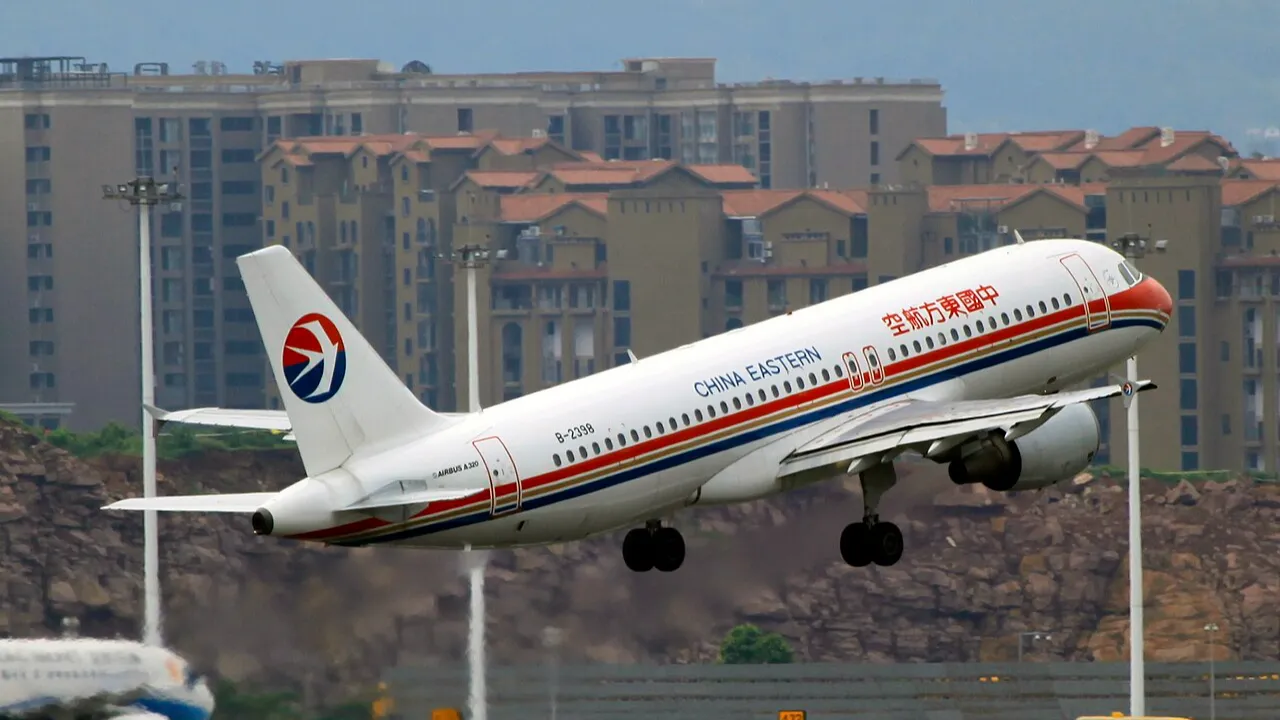
The airline inaugurated the Shanghai–Auckland–Buenos Aires route, now the world’s longest commercial flight (~20,000 km). It resumed direct Shanghai–Delhi services after a five-year hiatus in November 2025 with high load factors (~95 %) and has moved to daily non-stop Delhi–Shanghai flights from January 2, 2026.
5. China Southern Airlines – 710 Aircraft
China Southern Airlines continues to be one of Asia’s largest carriers with 710aircraft, split between 600 single-aisle and 110 widebody jets. The airline recently received an Airbus A321neo, demonstrating its focus on efficient narrowbody aircraft for domestic and regional expansion.
| Aircraft Type | In Service | Parked | Total | Avg. Age (Years) |
|---|---|---|---|---|
| Airbus A319 | 9 | – | 9 | 2.3 |
| Airbus A320 | 158 | 8 | 166 | 9.7 |
| Airbus A321 | 161 | 18 | 179 | 8.8 |
| Airbus A330 | 18 | 7 | 25 | 9.9 |
| Airbus A350 XWB | 20 | – | 20 | 4.6 |
| Boeing 737 | 182 | 21 | 203 | 11.4 |
| Boeing 777 | 33 | 1 | 34 | 9.6 |
| Boeing 787 Dreamliner | 21 | 10 | 31 | 8.3 |
| COMAC ARJ21 | 33 | 2 | 35 | 2.8 |
| COMAC C919 | 7 | 1 | 8 | 0.8 |
| Total | 642 | 68 | 710 | 9.2 |
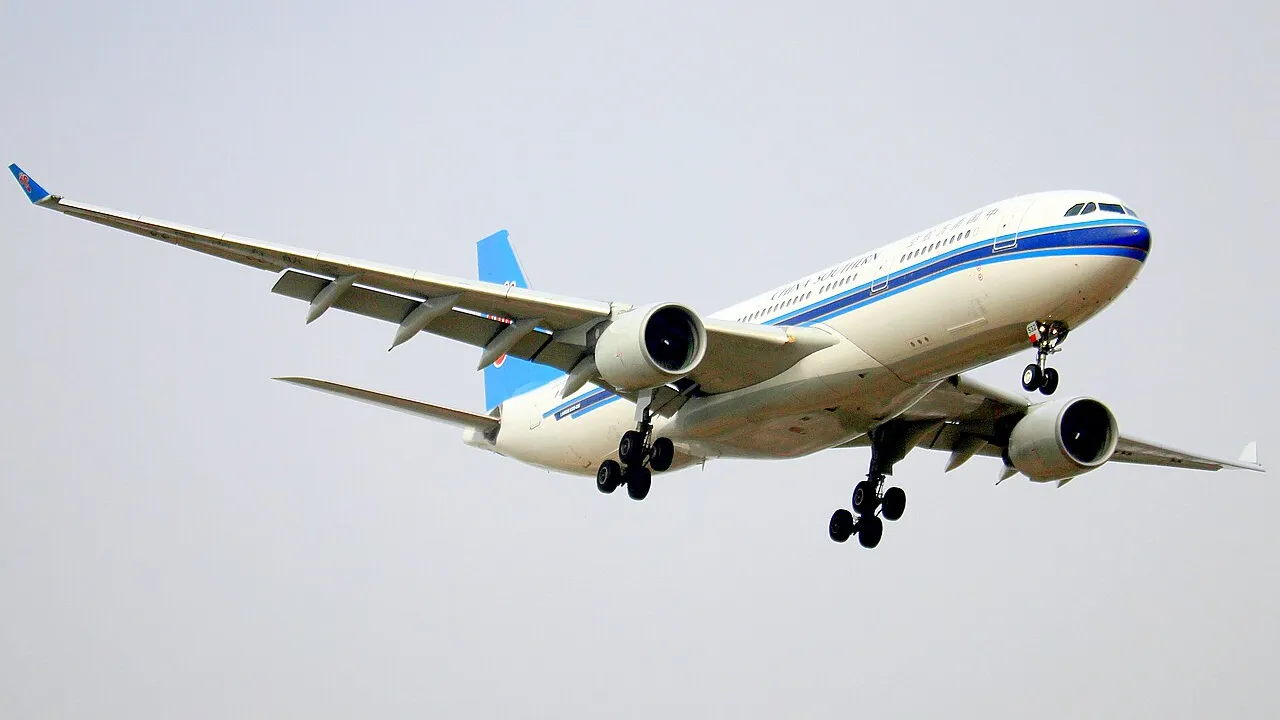
China Southern recently signed a contract with Airbus to equip 30 A350 aircraft with next-generation HBCplus inflight connectivity, making it the first Chinese operator of this system with service entry expected in 2026.
4. Southwest Airlines – 804 Aircraft
According to AerospaceGlobalNews, the largest low-cost carrier on the list, Southwest Airlines, operates 810 single-aisle aircraft exclusively, primarily Boeing 737s. But data from planespotters suggests otherwise. Their most recent delivery, a Boeing 737 MAX 8 in December 2025, reinforces their all-737 fleet strategy for domestic operations.
| Aircraft Type | In Service | Parked | Total | Avg. Age (Years) |
|---|---|---|---|---|
| Boeing 737 | 784 | 20 | 804 | 11.3 |
Much like its European counterpart, Ryanair, Southwest also maintains its unique no-frills, point-to-point network, which allows it to serve secondary airports and avoid congested hubs.
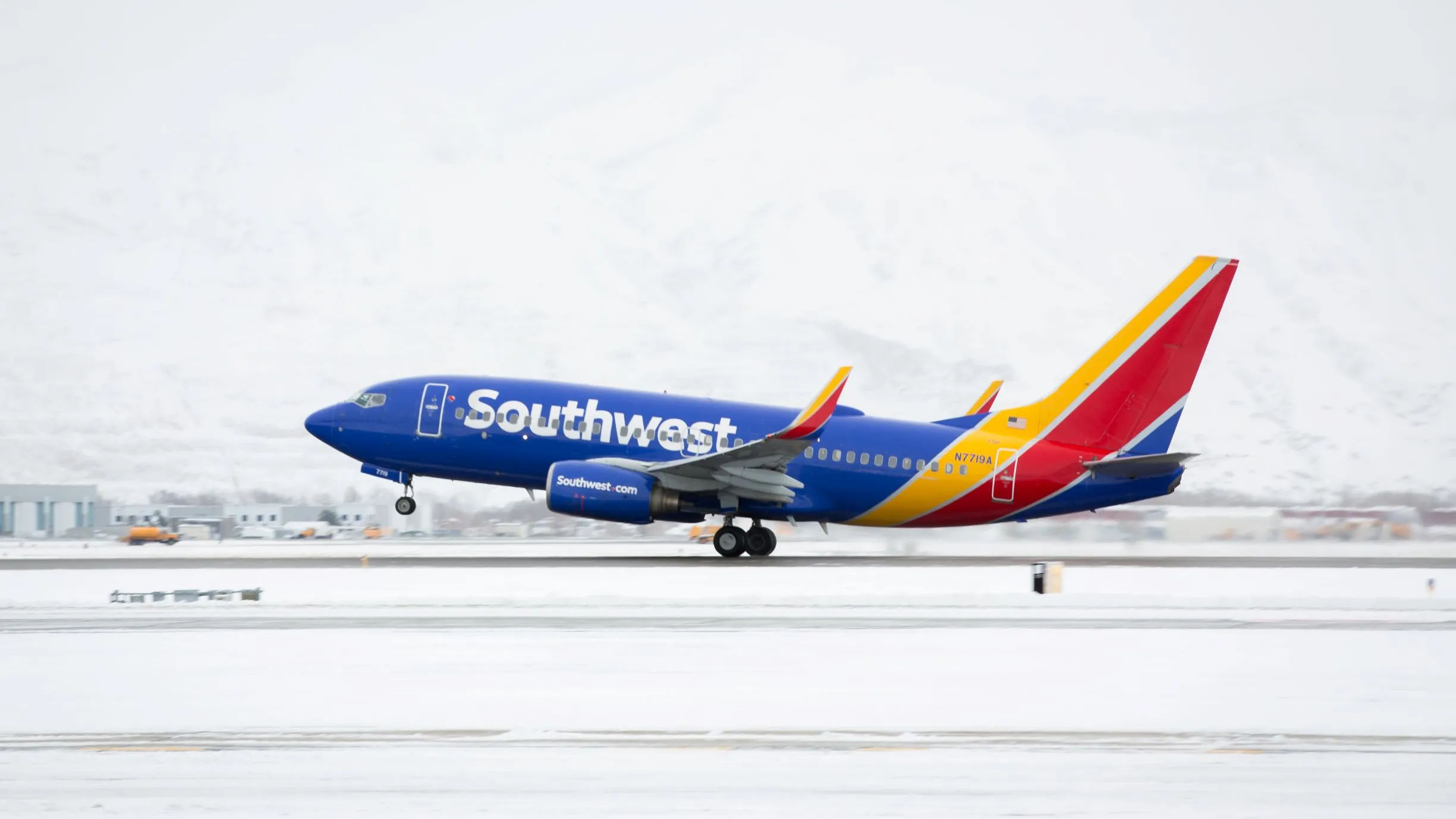
The airline reported $213 million in net income for Q2 2025 and has introduced bag fees and a new basic-fare product to drive incremental revenue while maintaining capacity growth, ending a long era of no-fee checked bags and fully free seating. According to PR NewsWire, the airline:
-
Reported net income of $213 million, or $0.39 per diluted share; $230 million, or $0.43 per share, excluding special items
-
Returned $1.6 billion to shareholders through dividends and share repurchases
-
Board authorized a new $2.0 billion share repurchase program to be completed over up to two years
-
Introduced bag fees, delivering better-than-expected financial results with no adverse operational impact
-
Implemented a new basic economy structure to support future product differentiation
-
Reaffirmed incremental EBIT targets of $1.8 billion for full-year 2025 and $4.3 billion for 2026, excluding special items
-
Updated full-year 2025 EBIT guidance to a range of $600 million to $800 million
Southwest cut approximately 15% of its corporate workforce (~1,750 jobs) in early 2025, reported AeroTime. The airline is also adding overnight “redeye” flights in key U.S. markets to better utilise assets and generate revenue without significant new aircraft investment.
3. Delta Air Lines – 988 Aircraft
Much like the dissonance in the data of Southwest, data from Aerospace Global News suggests that Delta Air Lines maintains a fleet of 989 aircraft (according to Aerospace Global News), including 810 single-aisle and 179 widebody jets. Planespotters reports 988 aircraft. Delta’s newest addition, the Airbus A321neo, arrived in December 2025, highlighting the airline’s commitment to efficiency and passenger comfort.
| Aircraft Type | In Service | Parked | Total | Avg. Age (Years) |
|---|---|---|---|---|
| Airbus A220 | 73 | 8 | 81 | 4.6 |
| Airbus A319 | 50 | 7 | 57 | 23.9 |
| Airbus A320 | 45 | 1 | 46 | 29.0 |
| Airbus A321 | 203 | 11 | 214 | 5.0 |
| Airbus A330 | 77 | 4 | 81 | 10.9 |
| Airbus A350 XWB | 37 | 3 | 40 | 5.4 |
| Boeing 717 | 71 | 9 | 80 | 24.2 |
| Boeing 737 | 233 | 7 | 240 | 14.6 |
| Boeing 757 | 85 | 6 | 91 | 27.0 |
| Boeing 767 | 54 | 4 | 58 | 27.6 |
| Total | 928 | 60 | 988 | 14.9 |
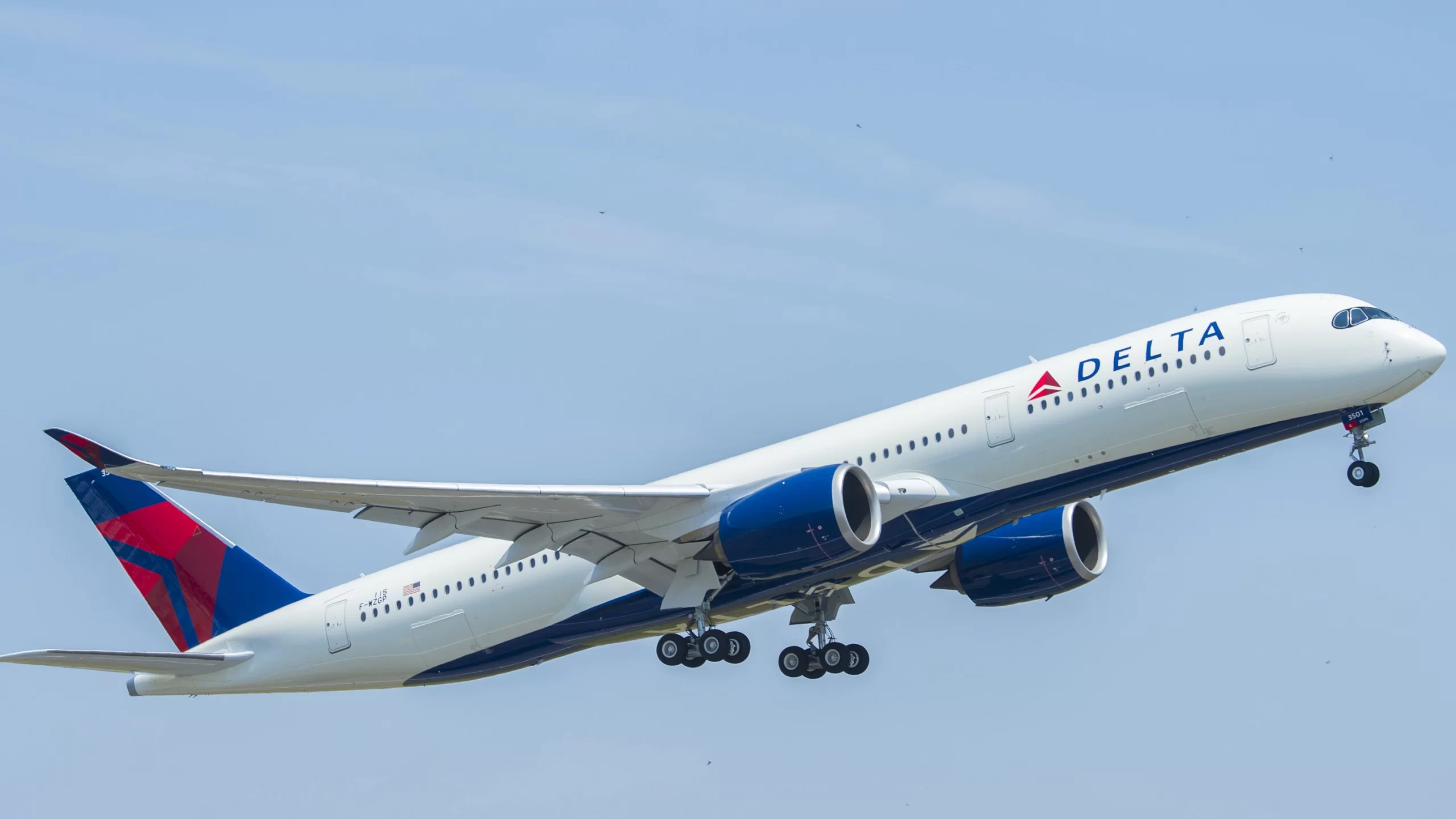
This Atlanta-based legacy carrier will be celebrating its centennial this year. It has reported record quarterly revenues and a 25 % dividend increase, with forecasts of $3–4 billion in free cash flow in 2025. The airline is expanding its global network, a prime example of which is its resumed daily JFK–Tel Aviv flights.
2. American Airlines – 1,013 Aircraft
Close behind is American Airlines (AA), with 1,013 aircraft, featuring 876 single-aisle jets and 137 widebodies. The airline’s latest delivery was a Boeing 737 MAX 8 in December 2025.
| Aircraft Type | In Service | Parked | Total | Avg. Age (Years) |
|---|---|---|---|---|
| Airbus A319 | 123 | 9 | 132 | 21.8 |
| Airbus A320 | 46 | 2 | 48 | 24.8 |
| Airbus A321 | 297 | 7 | 304 | 11.0 |
| Boeing 737 | 382 | 10 | 392 | 13.4 |
| Boeing 777 | 64 | 3 | 67 | 21.2 |
| Boeing 787 Dreamliner | 68 | 2 | 70 | 6.7 |
| Total | 980 | 33 | 1013 | 14.3 |

American Airlines Group reported record second-quarter 2025 revenue of $14.4 billion and a GAAP net income of $599 million, with $12 billion in available liquidity at quarter end. The carrier is executing major network expansions for 2025–2026, adding 15 new domestic and international routes for summer 2026.
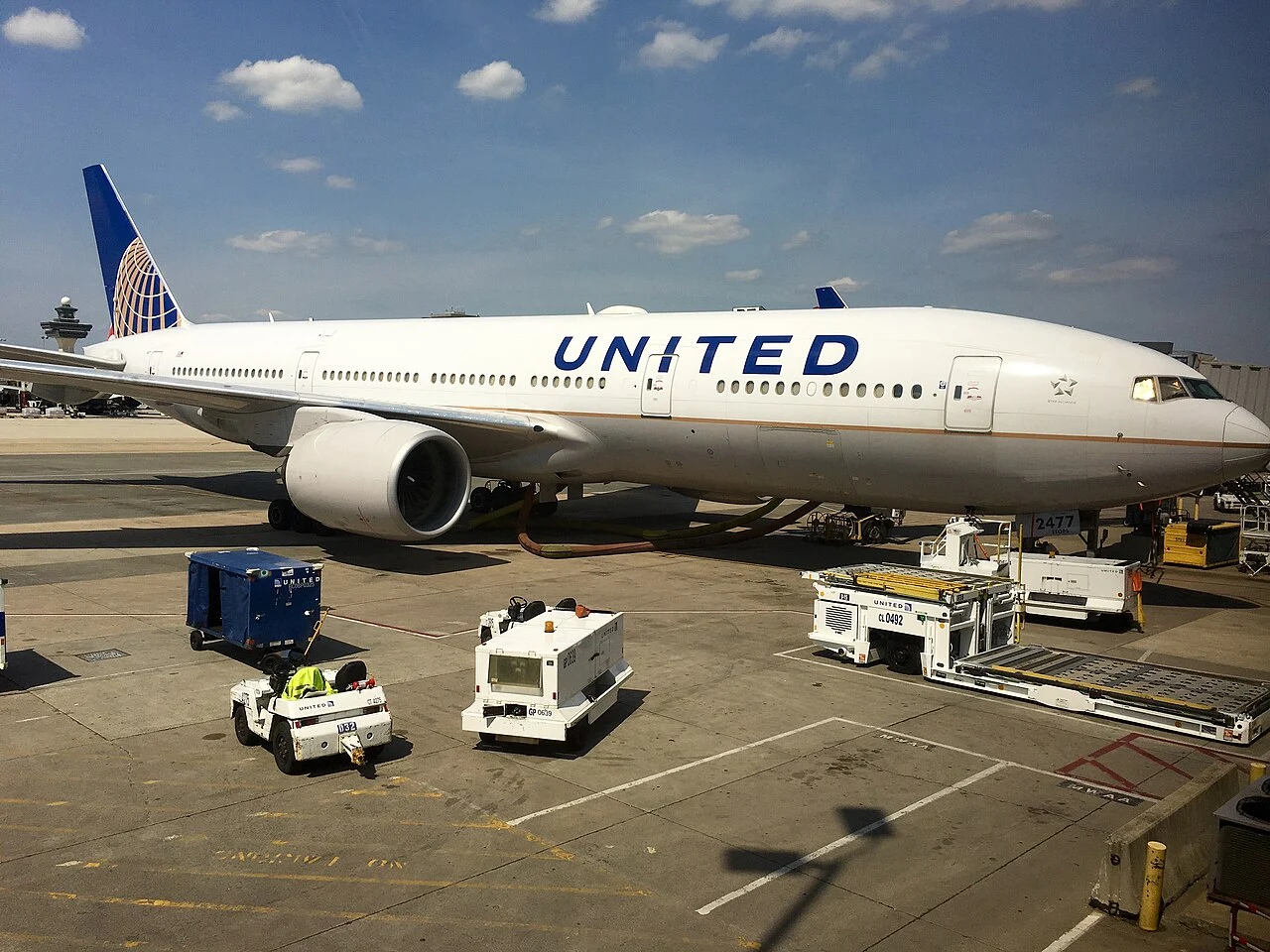
1. United Airlines – 1,058 Aircraft
Topping the list is United Airlines, which operates a total fleet of 1,061 aircraft. The airline recently added a Boeing 737 MAX 9 in December 2025, continuing its focus on fuel-efficient aircraft for domestic and transcontinental routes.
| Aircraft Type | In Service | Parked | Total | Avg. Age (Years) |
|---|---|---|---|---|
| Airbus A319 | 67 | 5 | 72 | 24.0 |
| Airbus A320 | 64 | 3 | 67 | 25.8 |
| Airbus A321 | 59 | – | 59 | 1.0 |
| Boeing 737 | 543 | 29 | 572 | 12.2 |
| Boeing 757 | 53 | 8 | 61 | 27.0 |
| Boeing 767 | 50 | 3 | 53 | 28.2 |
| Boeing 777 | 85 | 11 | 96 | 22.4 |
| Boeing 787 Dreamliner | 79 | 2 | 81 | 7.3 |
| Total | 1000 | 61 | 1061 | 15.4 |


.jpg)

_taking-off_from_CGO_02.jpg)
.jpg)

.jpg)
_@_Washington_Dulles,_2016.jpg)
Leave a Reply