Airbus has begun final assembly of the first A350F freighter at its Toulouse facility in France, bringing the aircraft closer to ground testing and its planned first flight in 2026. The manufacturer expects the A350F to enter commercial service in the second half of 2027, with two test aircraft expected to participate in the certification campaign, reported Air Cargo News.
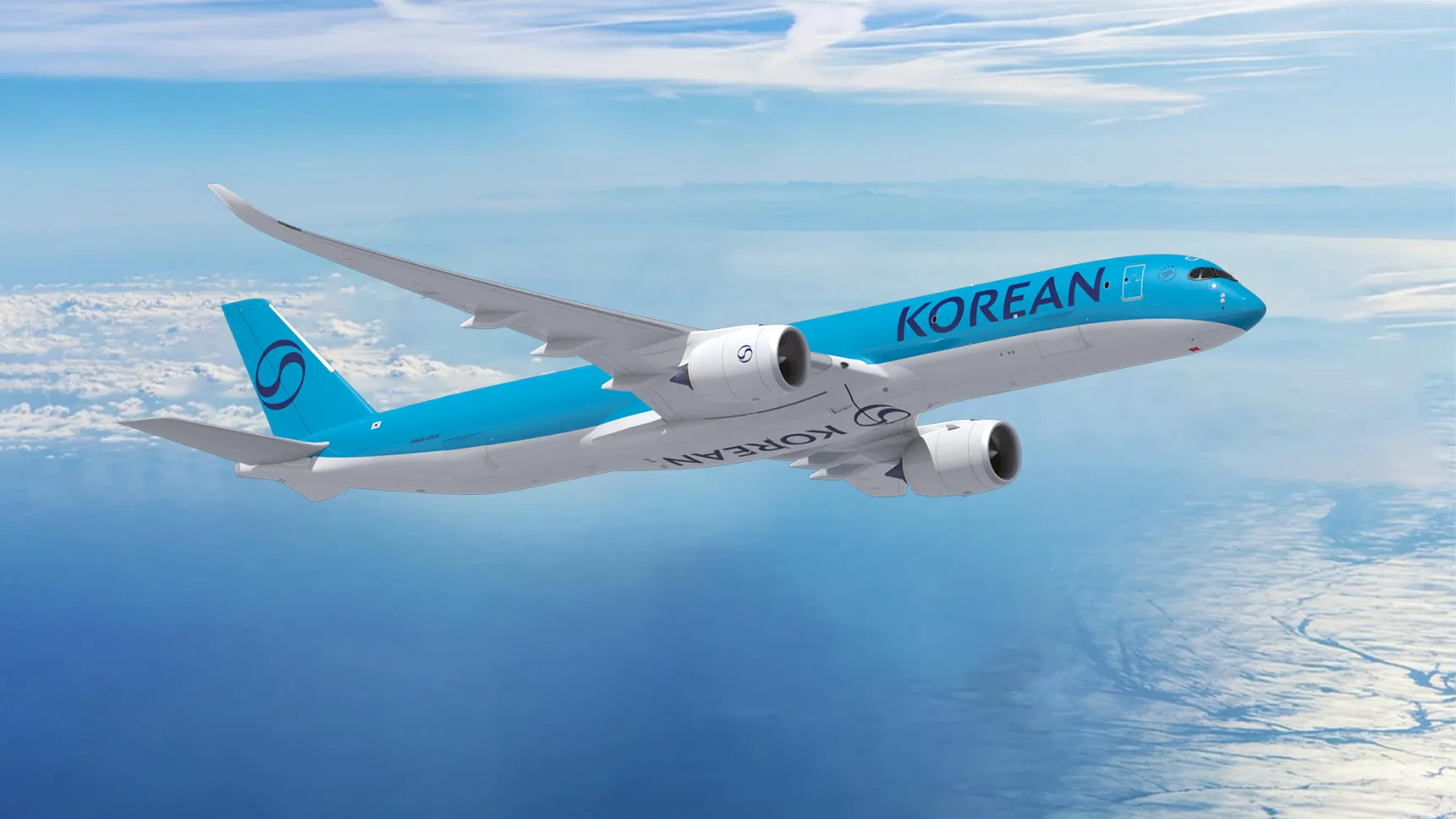
Progress of the A350F at the Toulouse Final Assembly Line
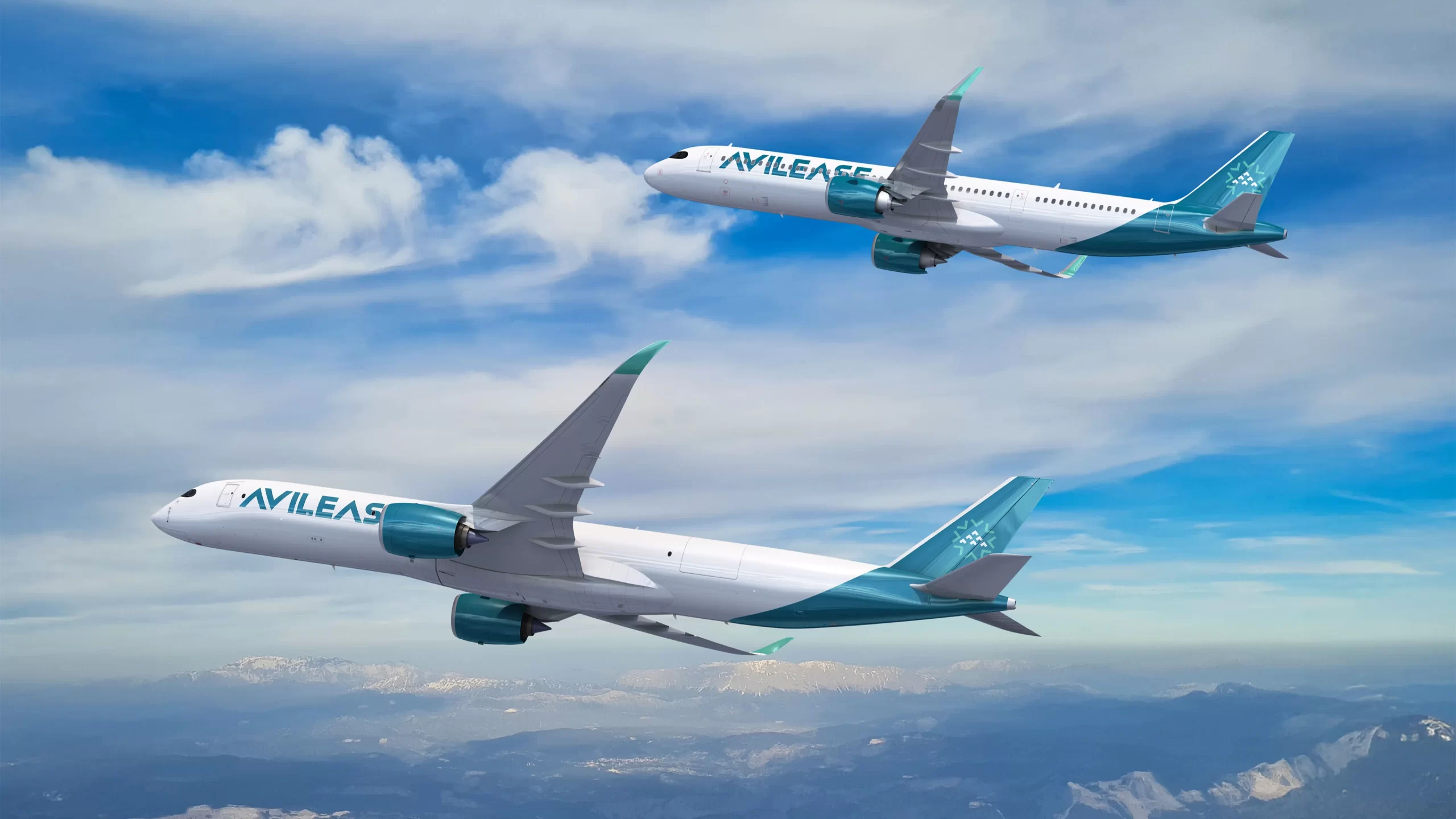
In April 2025, Airbus targeted 2027 as the year its A350F will go into an entry-into-service (EIS). The target of 2027 was set following earlier delays related to supply-chain issues, reported Reuters a couple of months prior. But despite all the setbacks it has suffered, the first A350F (MSN 700) is being built at Airbus’s final assembly line (FAL) in Toulouse, as this next generation freighter has seen the following major structural components installed:
- The fuselage sections
- Wing
- Horizontal stabilizer
- Landing gear
It has been also reported that the freighter will now undergo testing and the installation of winglets. Manufacturer sources say two A350F test aircraft are being readied, which will undergo a full certification flight-test campaign spanning 2026 into 2027. This schedule aligns with Airbus’s revised EIS date of the second half of 2027.
How has the Progress of the A350F been delayed over the years?
When Reuters reported on the A350F’s production delays, it highlighted Airbus’ difficulties in completing A350 aircraft, particularly because of continuing delays in receiving fuselage parts from Spirit AeroSystems.
A350F 2025 production milestones (chronological order)
| Month (2025) | Paraphrased Milestone Description |
|---|---|
| March | Airbus delivered the first Section 19, the aft fuselage structure that connects to the aircraft’s tail assembly. |
| April | The forward fuselage received its initial installation of key onboard systems. |
| May | Airbus Completed production of the first A350F wing set. |
| July | The company finished manufacturing the first horizontal stabiliser (HTP) at its facilities in Spain. |
| August | The initial fuselage segments for MSN700 arrived at the Toulouse final assembly line. |
| September | The complete fuselage for the first A350F was delivered to Toulouse for assembly. |

Technical Specifications and Environmental Targets
The A350F’s design leverages over 70% advanced materials, saving weight compared to competitors ( a 30t lighter take-off weight), and enabling significantly lower fuel consumption:
- 20% lower CO2 emissions and 20% less fuel burn vs. competitor aircraft
- 50% noise footprint reduction vs previous generation aircraft, making it the quietest in its class
- First to meet latest ICAO CO2 emissions standard
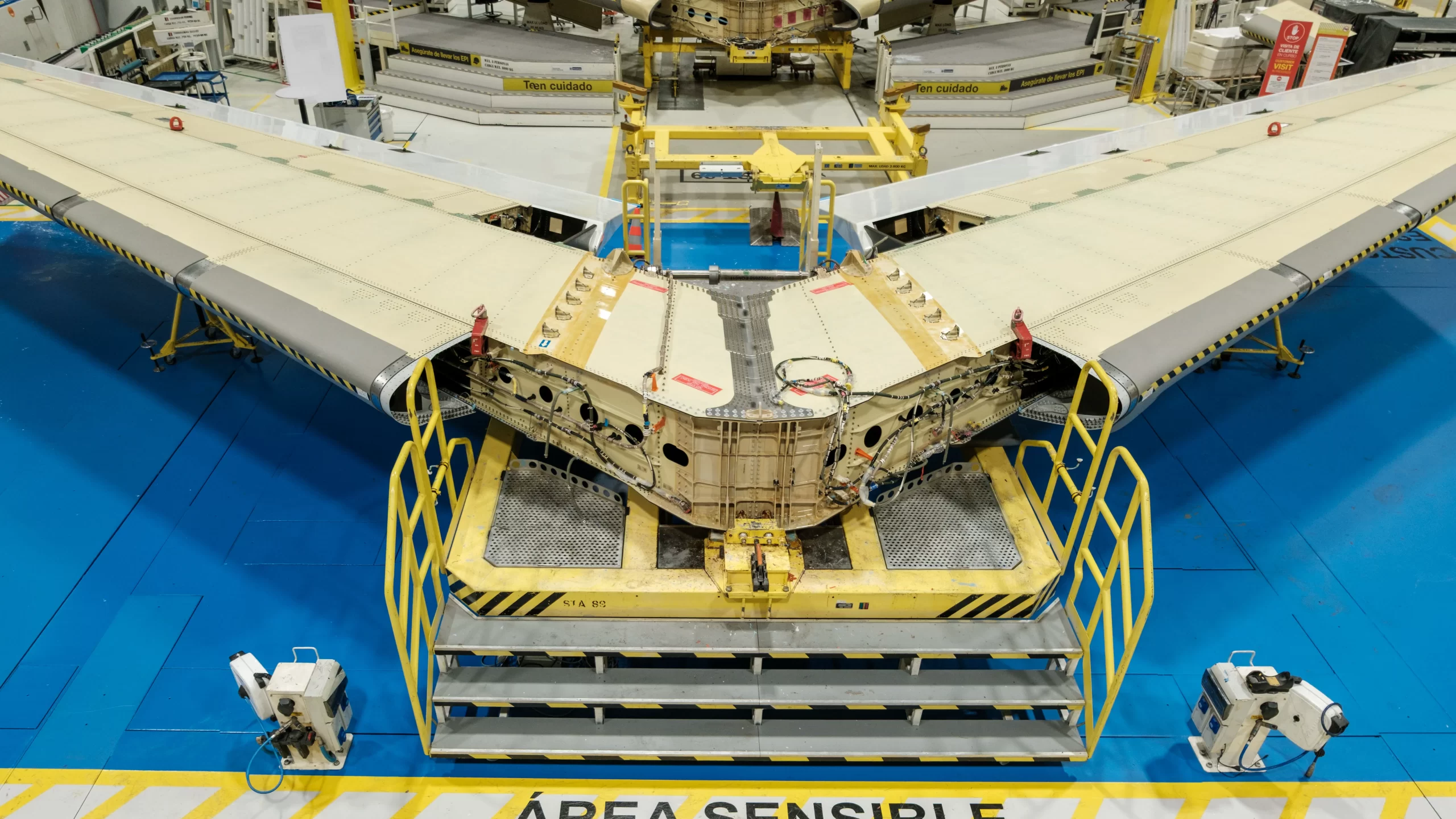
Airbus A350F Key Features & Specifications
| Category | Details |
|---|---|
| Base Platform | Derived from the Airbus A350-1000 long-range widebody |
| Engine | Rolls-Royce Trent XWB-97 (97,000 lb thrust class) |
| Cargo Door | Extra-large rear main deck cargo door |
| Cargo Door Dimensions | Cut-out: 4,445 mm (175 in) / Clear opening: ~4.3 m (~170 in) |
| Cargo Door Opening Angle | 65° |
| Cargo Door Capability | Supports loading of large aircraft engines (T1000, T7000, TXWB, GE9X) and long pallets |
| Main Deck Cargo Layout | 30 pallets (96 x 125 in) |
| Lower Deck Cargo Layout | 12 pallets (96 x 125 in) |
| Express Configuration – Main Deck | 30 AM-base containers |
| Express Configuration – Lower Deck | 40 LD3 containers |
Airbus also aims for the aircraft to operate with up to 50% Sustainable Aviation Fuel (SAF) at entry into service, with a goal of scaling to 100% SAF capability by 2030.
The cockpit of the A350F is fitted with the following pieces of technology:
- Dual head-up display
- Wi-Fi Tablet Electronic Flight Bag (EFB)
- Runway Overrun Prevention
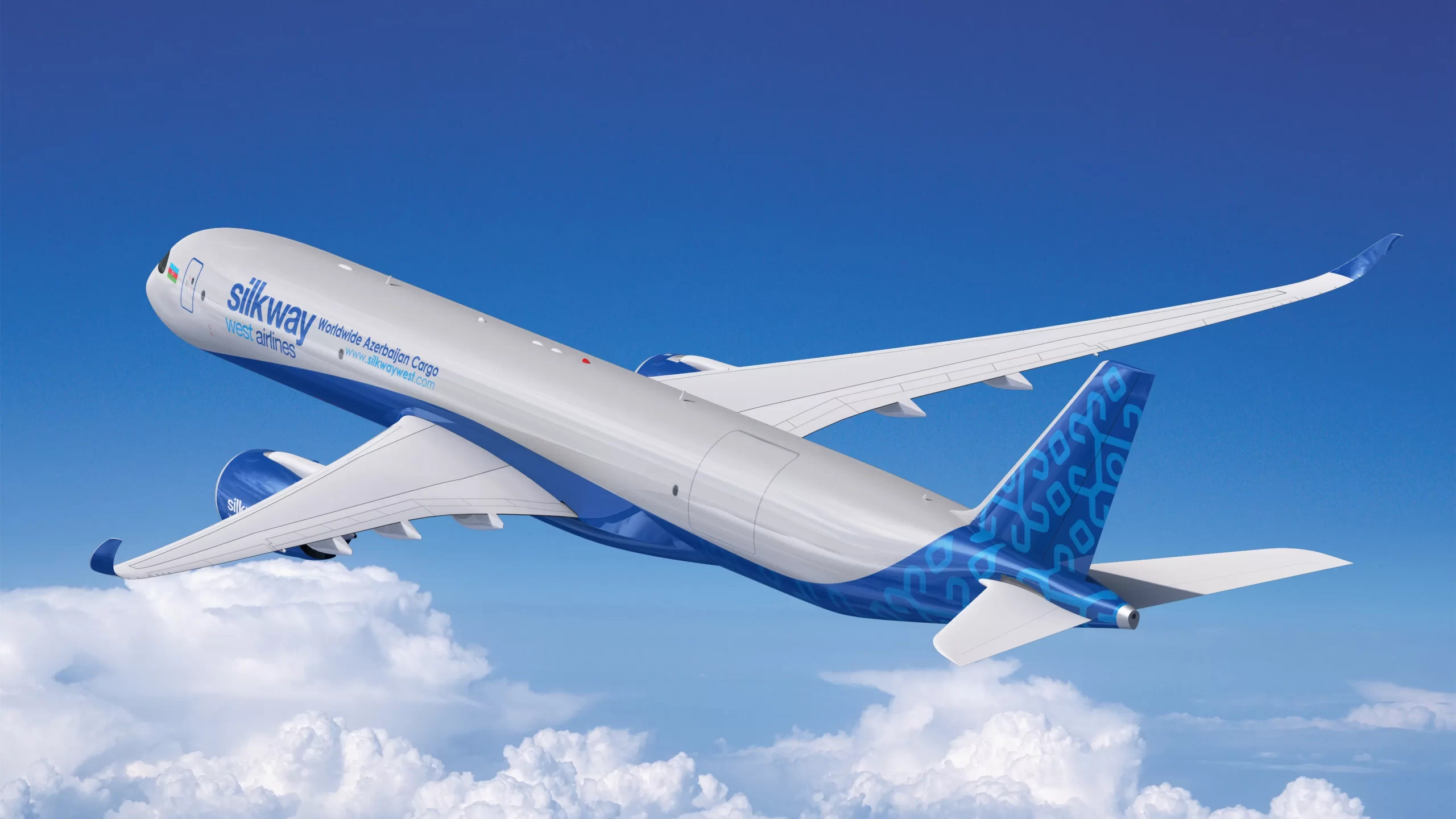
Airbus A350F: Orders, Customers and Market Dynamics
By the end of September 2025, Airbus had secured 65 firm A350F orders from 10 airlines and one lessor:
*STARLUX Airlines of Taiwan doubled its A350F order earlier this year, adding five more units to bring its total to 10. These orders reflect a strong appetite in the freight market for a modern, fuel-efficient, long-range freighter.
All in All
Airbus’ final assembly now under way and its combination of large payload, extended range, and eco-friendly design could reshape how freight carriers modernize their fleets. The A350F’s technical maturity, coupled with it going along the way of sustainability measures gives it a potentially powerful competitive edge.
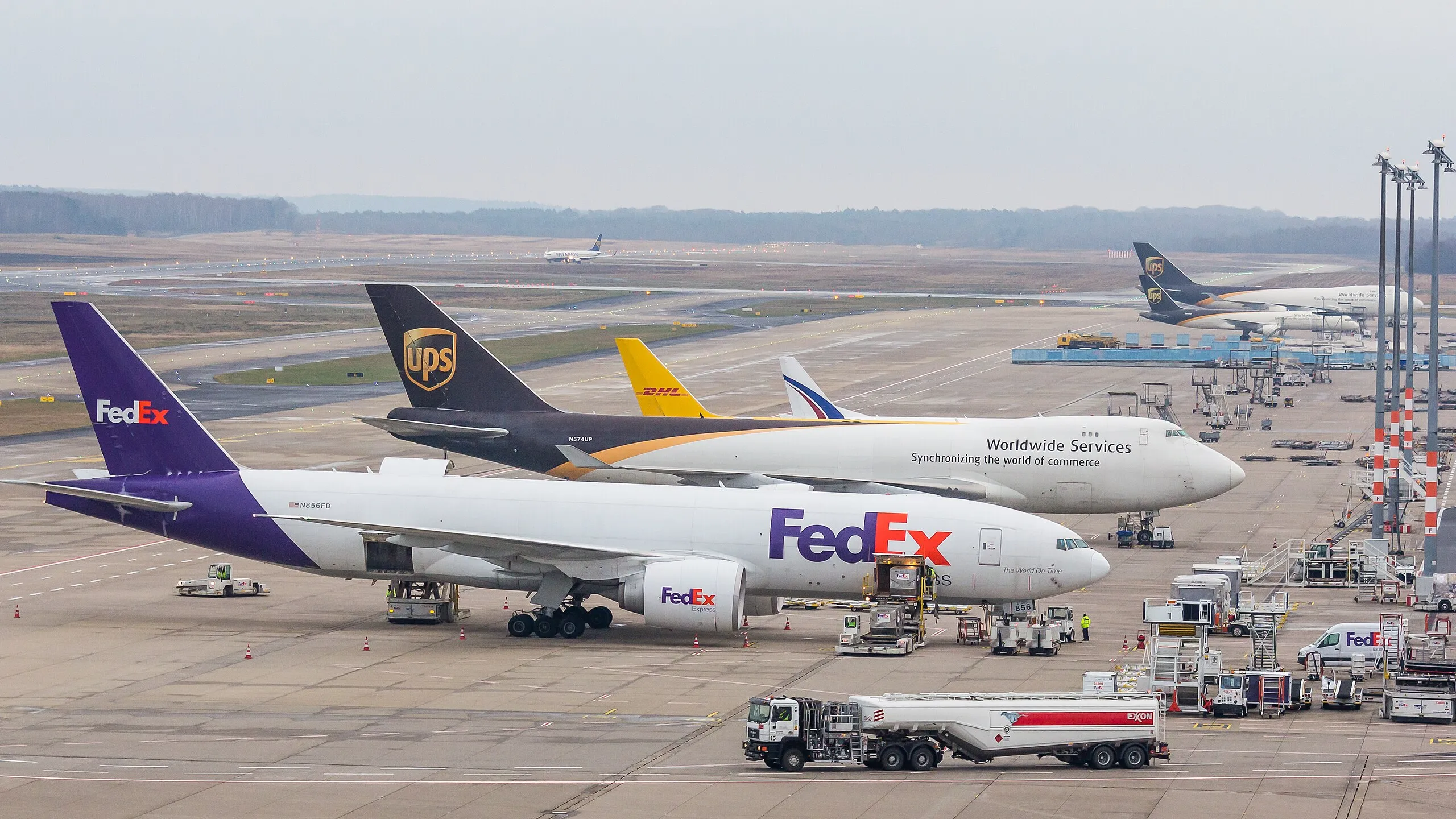
Boeing’s 777F is currently the dominant modern large freighter alternative, while the 747-8F is no longer in production. Airlines and cargo operators are increasingly looking for fuel-efficient replacements for older 777Fs, 747s and other freighters.
The A350F gives Airbus a purpose-built freighter based on a modern widebody platform. The A350F’s lower structural weight and newer-generation engines are central to Airbus’ sales pitch. The success of the A350F could finally give Airbus a much stronger position in the large freighter market.