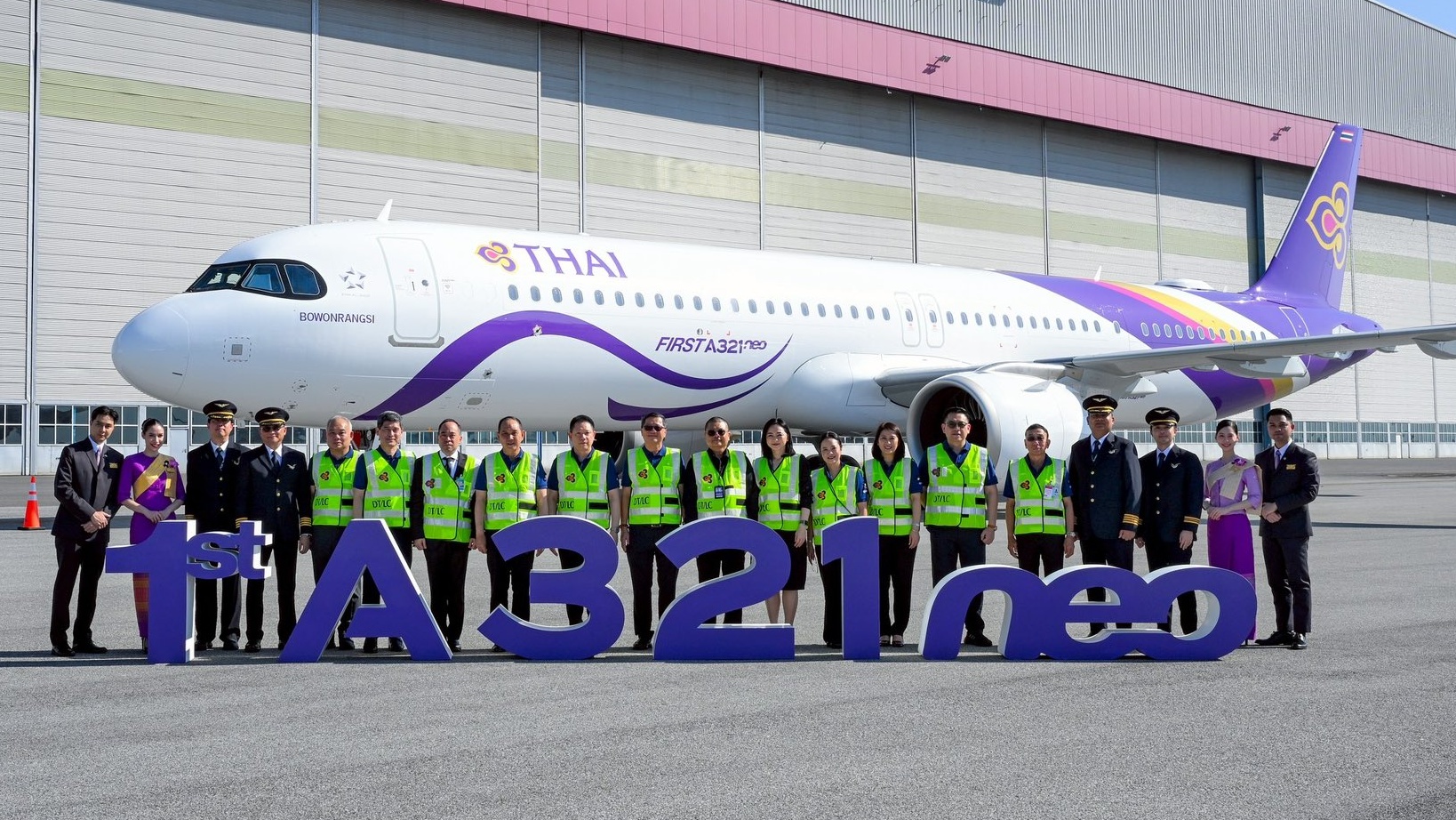
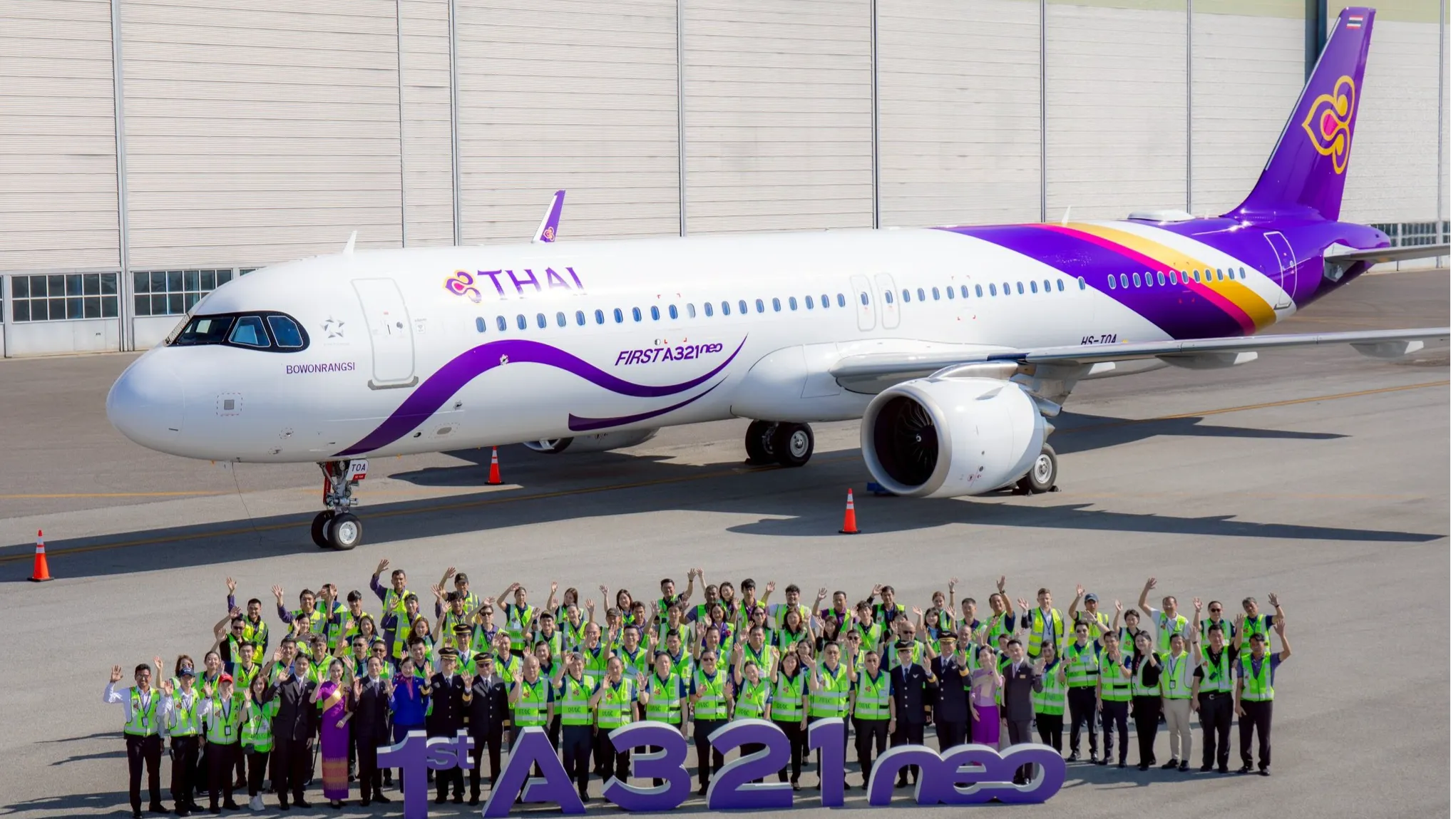
Thai Airways International Public Company Limited has taken delivery of its first Airbus A321neo. The aircraft, with registration HS-TOA and bestowed with the royal name “Boworrangsee,” arrived at Suvarnabhumi Airport (BKK), Bangkok on 25 December 2025, following a delivery flight from Airbus’ Hamburg Delivery Center in Germany.
The delivery is part of Thai Airways’ broader plan to introduce up to 32 A321neo aircraft into its fleet under various lease agreements with AerCap and other global lessors. The new aircraft will primarily serve Asia-Pacific regional routes, with its inaugural commercial flight scheduled for 22 January 2026 on the Bangkok–Singapore–Bangkok rotation.
The Airbus A321neo represents the latest evolution of Airbus’s A320 Family of single-aisle aircraft. Thai Airways’ first example — HS-TOA — is among the ten A321neos being delivered via lease agreements with AerCap, with additional deliveries from other lessors scheduled through 2028.
A321neo specification snapshot
Feature
Specification
Aircraft Type
Airbus A321neo
Engines
CFM International LEAP-1A
Typical Seats
175 (16 Business, 159 Economy)
CO₂ Reduction
~20% lower per seat vs older jets
SAF Capability
Up to 50% Sustainable Aviation Fuel
Initial Operations
Asia-Pacific regional routes
Mmo
M0.82
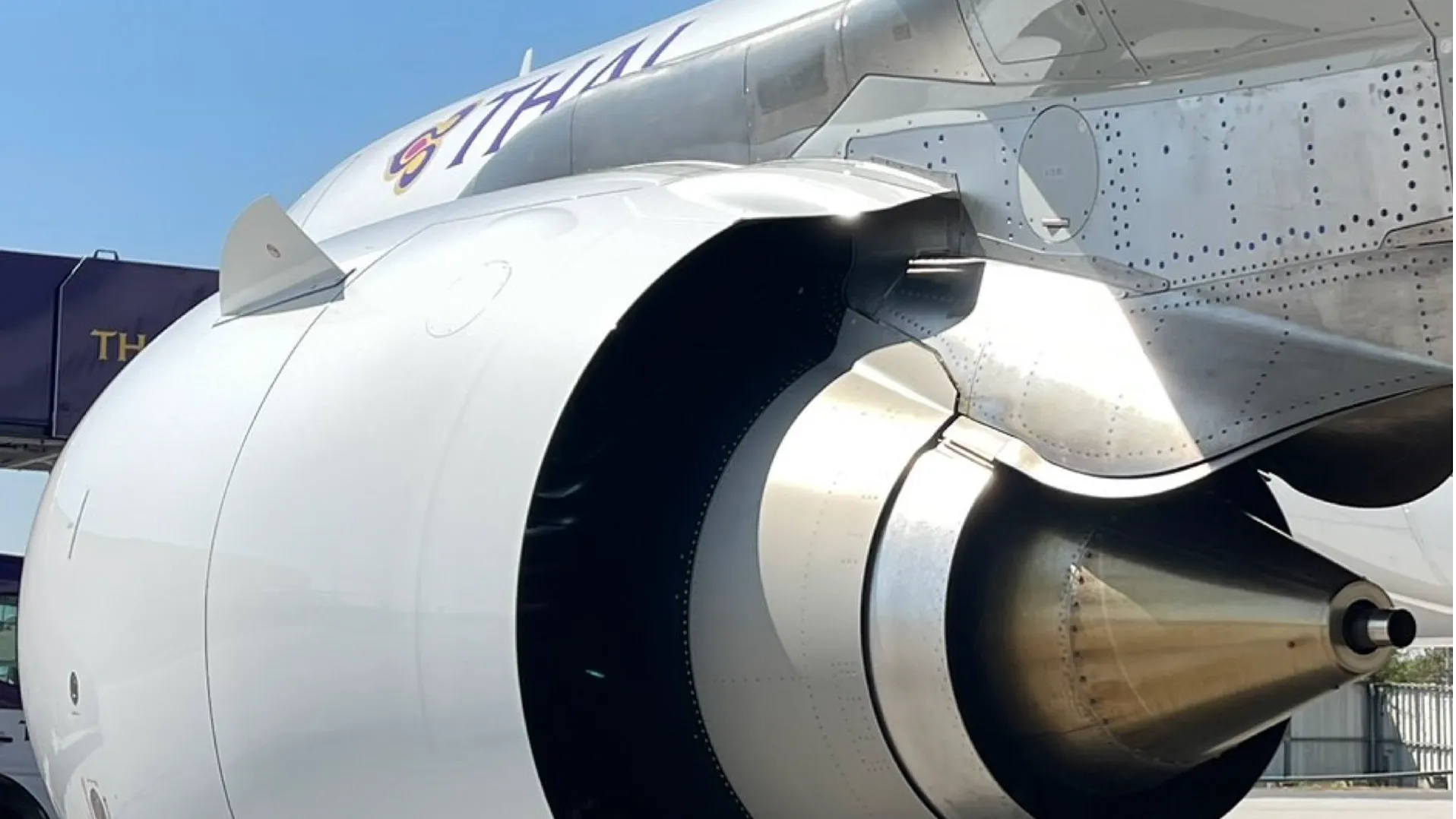
The A321neo employs modern aerodynamics, next-generation engines, and advanced systems that reduce fuel consumption and emissions – and these are some of the reasons why Airbus calls the aircraft the “unrivalled efficiency leader“.
Operational impact and route plans for the a321neo
Thai Airways plans to deploy its new A321neo aircraft on shorter and medium-haul regional routes that demand both operational efficiency and competitive passenger experience. According to airline planning documents and route strategy outlines:
Inaugural service date: 22 January 2026
Initial routes: Bangkok (BKK) ↔ Singapore (SIN), with expansion to other Asia-Pacific destinations
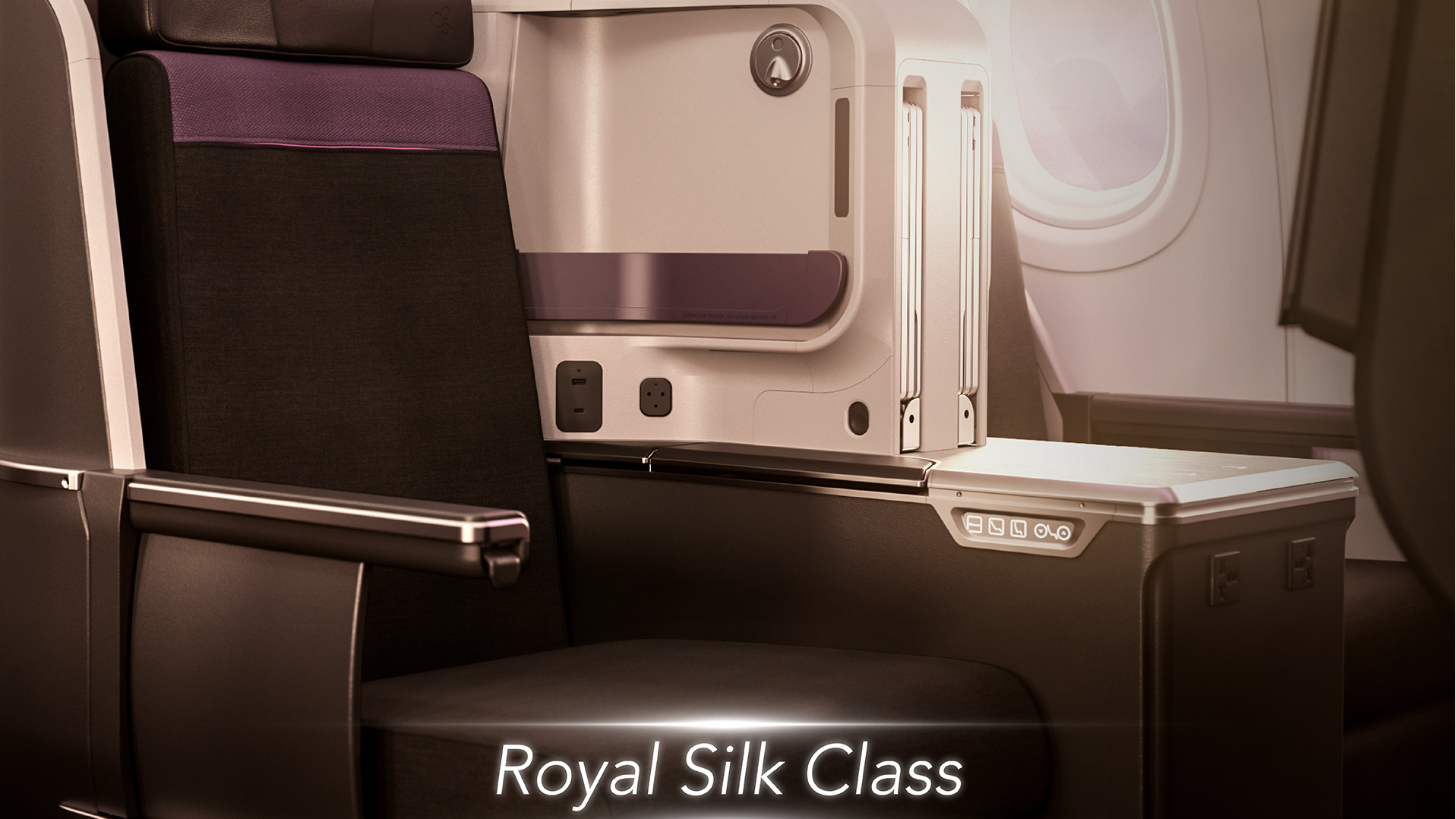
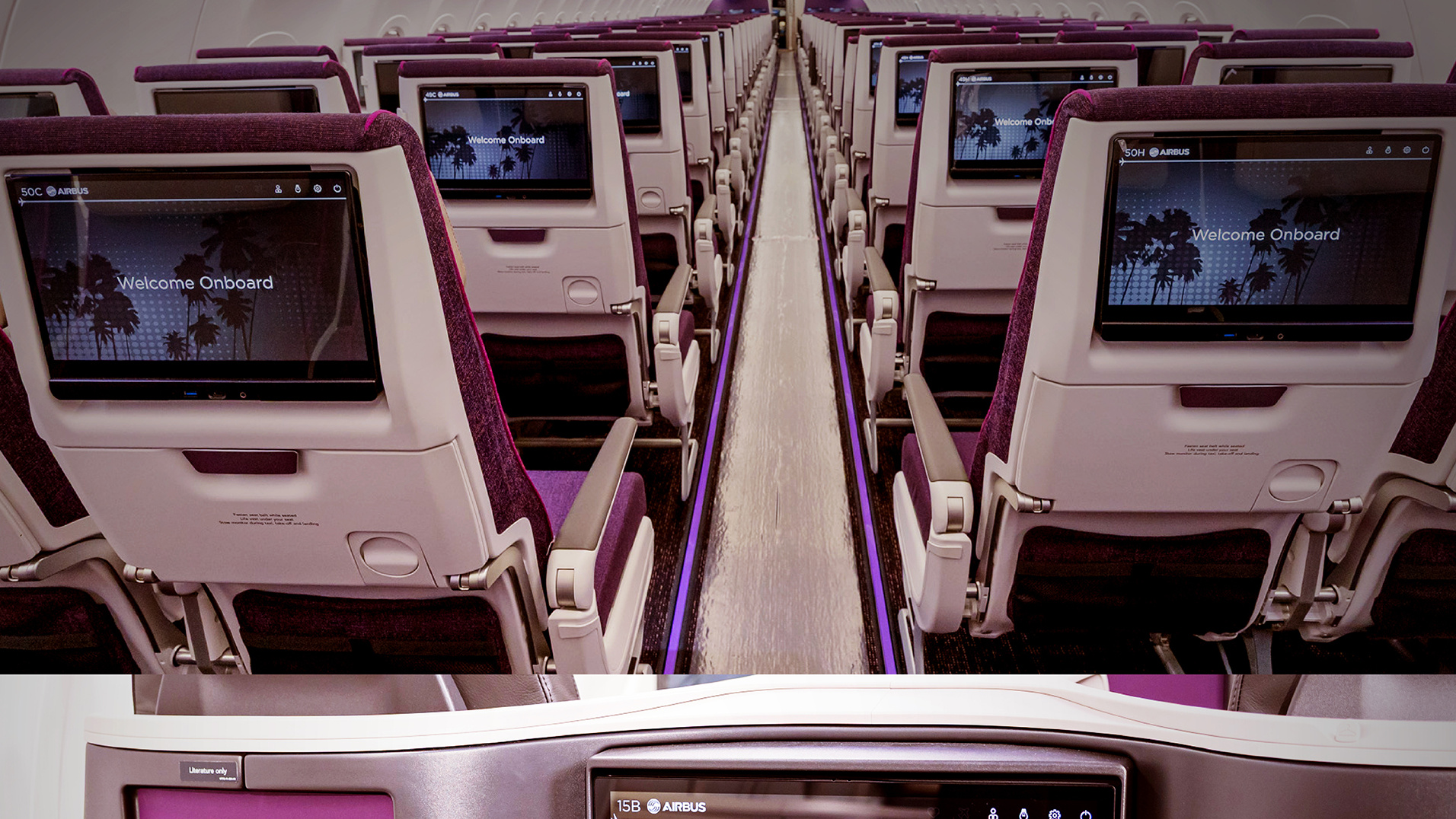
Cabin experience: Royal Silk Class business comfort plus ergonomically enhanced economy
The A321neo’s efficiency will enable Thai Airways to scale capacity more precisely, as the A321neo can accommodate upto 220 passengers in a two class configuration.
The arrival of the A321neo is integral to Thai Airways’ post-restructuring fleet strategy, which aims to:
Modernize aging narrow-bodied assets inherited partly from the defunct Thai Smile subsidiary. The following table gives us a cue that Thai is moving towards a fleet of modern aircraft that are fuel efficient:
Enhance operational efficiency with lower fuel burn and emissions.
Support expanded network frequencies on short/medium-haul routes.
Thai Airways has signed lease agreements with multiple global lessors, including AerCap (ten aircraft), SMBC Aviation Capital (eight aircraft through 2026–2027), and BOC Aviation (five aircraft), collectively contributing to a broader A321neo fleet rollout strategy.
Chai Eamsiri, Chief Executive Officer, Thai Airways was quoted as having said:
“The arrival of THAI’s first Airbus A321neo marks a significant milestone in our efforts to modernize and enhance the efficiency of our fleet.”
This table reflects how Thai Airways’ move aligns with broader trends among regional carriers investing in modern narrowbody platforms for operational and competitive advantages in their home markets.
Aircraft History and Technical Background: A321neo
The term “neo” stands for New Engine Option — representing significant improvements in fuel efficiency and emissions performance over earlier generation aircraft.
The Airbus A321neo was first introduced commercially in 2016 and rapidly became one of the most popular single-aisle aircraft globally due to its operational versatility and economics. Thai Airways’ HS-TOA is part of the latest generation powered by CFM LEAP-1A engines, delivering both environmental and cost advantages compared with legacy jets.
Here are some specifications:
Specification
Value
Maximum seating (pax)
244 seats
Typical seating (2-class)
180–220 seats
Underfloor cargo LD3 capacity
10 LD3-45W
Underfloor max pallet capacity
10 pallets
Water volume
59 m³
Range
7,400 km
Maximum operating Mach (Mmo)
M0.82
Max ramp weight
97.40 tonnes
Max take-off weight (MTOW)
97.00 tonnes
Max landing weight (MLW)
79.20 tonnes
Max zero fuel weight (MZFW)
75.60 tonnes
Max fuel capacity
32,940 litres
Overall length
44.51 m
Cabin length
34.44 m
Fuselage width
3.95 m
Maximum cabin width
3.70 m
Wingspan (geometric)
35.80 m
Height
11.76 m
Track
7.59 m
Wheelbase
16.90 m
Future Outlook and Regional Network Potential
With deliveries continuing through 2028, Thai Airways’ growing A321neo fleet is expected to:
Support expansion into more regional markets across Southeast Asia.
Enhance connectivity between Bangkok and key destinations like Singapore, Hong Kong, and Phuket.
Improve operational flexibility and reduce per-seat costs.
Strengthen competitiveness against low-cost and legacy Asian carriers.
The phased introduction of these jets signals a strategic pivot toward a more efficient, customer-centric, and environmentally responsible regional network architecture