Japan Airlines Cargo (JALCARGO) and East Japan Railway Company (JR East) are set to launch an innovative intermodal freight service, JAL de Hako-byun, combining Japan’s high-speed Shinkansen rail network with international air cargo operations. The service is set to commence on January 13, 2026, providing a streamlined, one-stop transportation solution connecting regional producers to overseas markets via Japan’s Shinkansen and JAL’s global air network.

The integrated logistics service addresses key supply-chain inefficiencies — notably prolonged domestic transit times and modal fragmentation — while leveraging the respective strengths of JR East’s punctual high-speed rail and JAL’s international air cargo infrastructure. It follows successful pilot operations, including a trial Sendai-to-Singapore shipment in October 2025 that demonstrated expedited delivery and operational feasibility.

What is JAL de Hako-byun
Japan’s new JAL de Hako-byun initiative represents a strategic multimodal freight solution, integrating rail and air cargo to serve exporters seeking faster and more reliable access to international markets.
It connects stations across eastern Japan serviced by JR East’s high-speed rail with JAL’s global cargo flights departing principally from Tokyo Haneda Airport (HND) and Narita International Airport (NRT).
At its core, the service enables consignments to be loaded onto Shinkansen trains destined for Tokyo, where they are transferred to air cargo handling for overseas flights — eliminating the traditional need for intermediate warehousing or cross-modal transshipments that increase both lead time and logistical cost.
| Stage | What happens |
|---|---|
| 1. Regional origin | Cargo is collected from participating areas |
| 2. Shinkansen | Shipments travel toward Tokyo by high-speed rail |
| 3. Tokyo transfer | Cargo moves into JAL’s air-freight network |
| 4. International flight | JAL transports the shipment overseas |
| 5. Destination | Cargo undergoes the required customs and onward-delivery procedures |
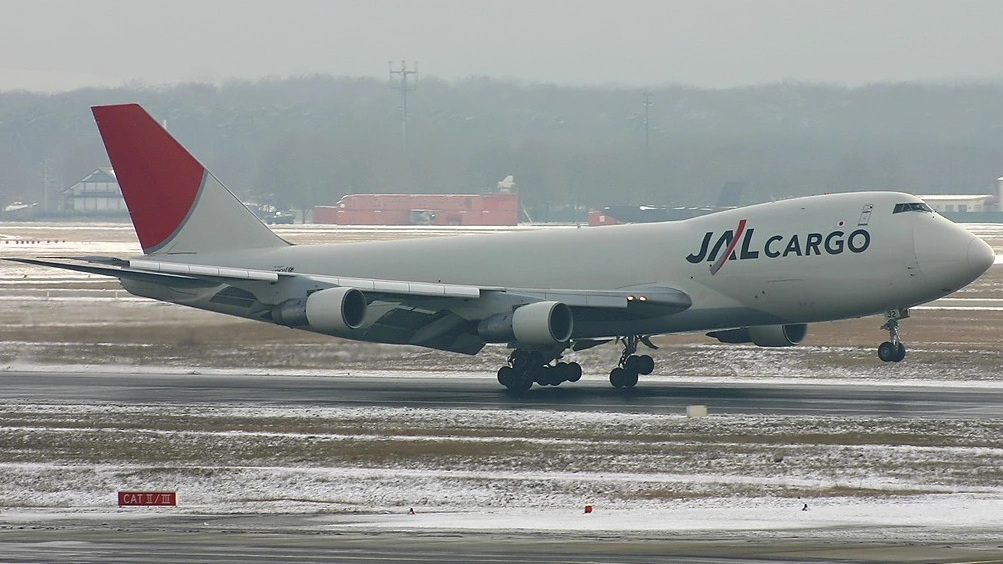
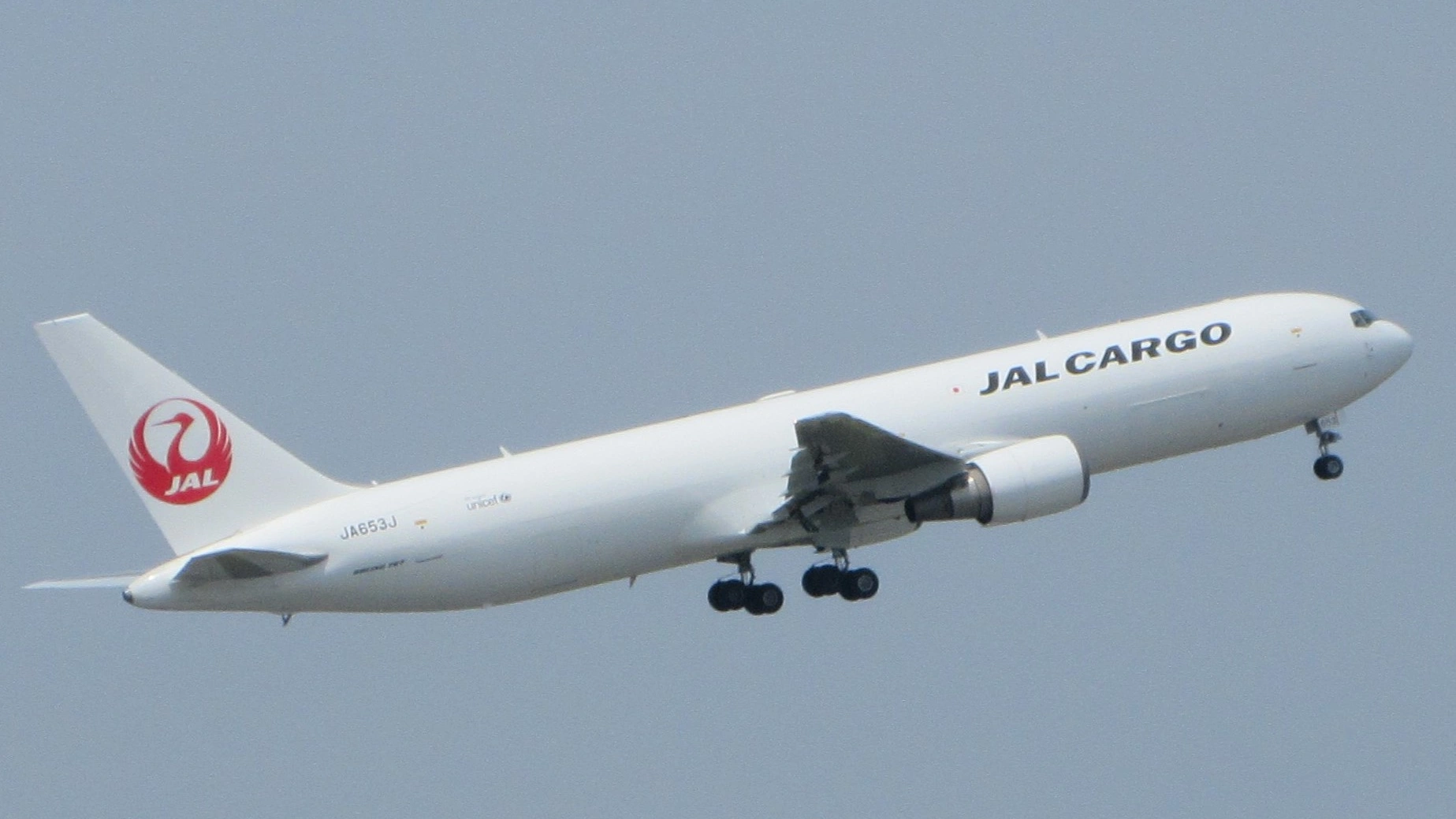
Here’s a look at the aircraft operated by JAL Cargo and the services it is set to offer:
| Category | Details |
|---|---|
| Aircraft Type | Boeing 767-300ER Freighter |
| Total Cargo Capacity | Approximately 50 metric tons (combined upper and lower decks) |
| Lower Deck Maximum Cargo Height | Up to 1.6 meters |
| Main (Upper) Deck Maximum Cargo Height | Up to 2.4 meters |
| Height Advantage of Main Deck | 0.8 meters more than lower deck |
| Impact of Increased Height | Enables transport of larger and taller cargo items |
| Typical Cargo Types | Fresh produce, pharmaceuticals, electronics, automotive parts |
| Oversized Cargo Capability | Can carry large equipment such as semiconductor manufacturing machinery |
| Dangerous Goods Transport | Capable of carrying certain dangerous goods restricted on passenger aircraft |
| Regulatory Advantage | Freighters can transport cargo prohibited on passenger aircraft under international air cargo regulations |
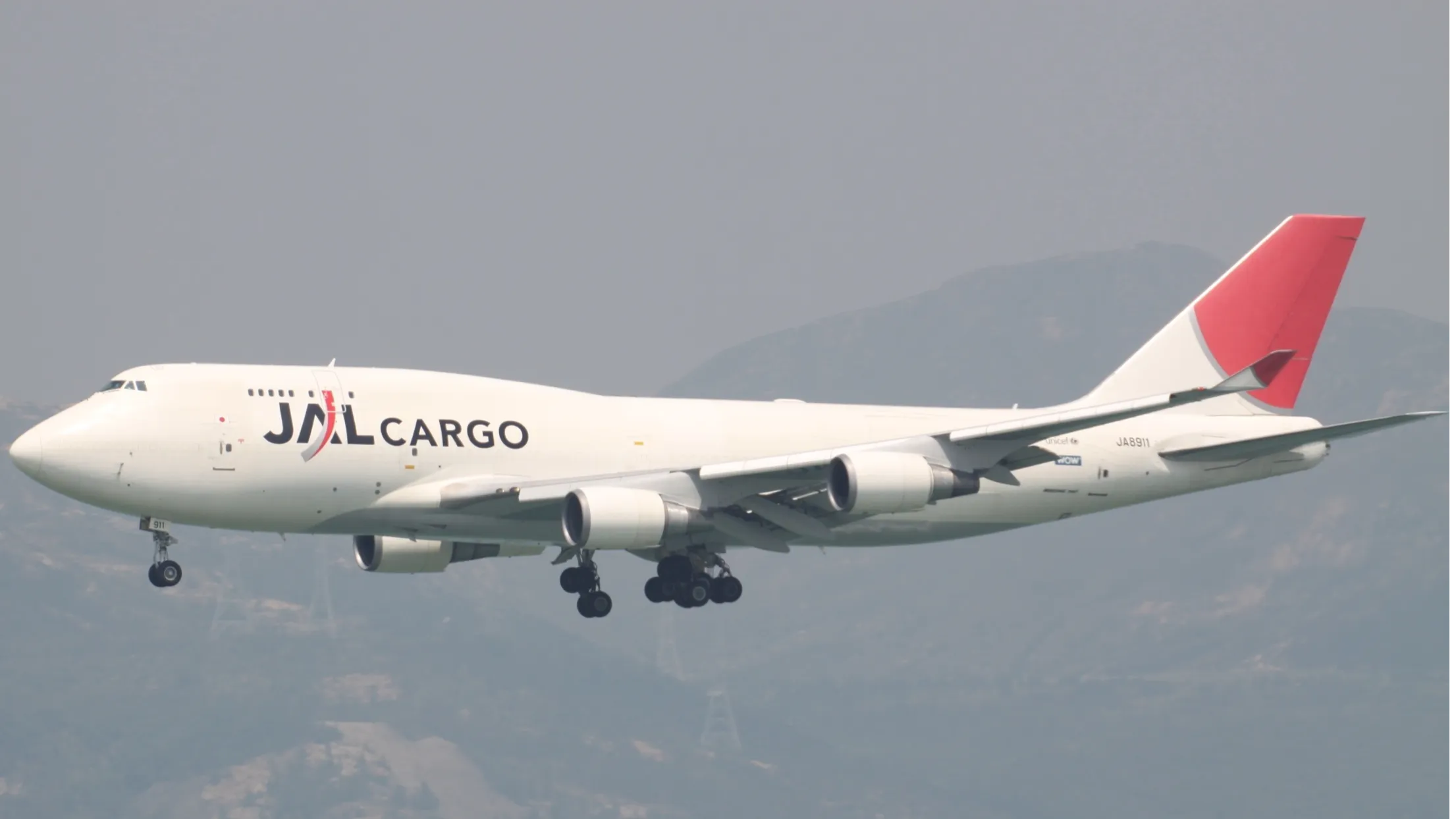
Aircraft Used in the Cargo Operation: Service Operations and Benefits
A notable inaugural shipment involving specialty seafood from Tsuruga to Taiwan is set to depart on January 13, 2026, via Shinkansen and will continue on JAL flight JL99 from Haneda to Taipei Songshan Airport (TSA) with customs clearance at Taiwan Taoyuan International Airport (TPE).
Operational benefits of JAL Cargo’s “de Hako-byun”
Shorter Transit Times and Reliable Scheduling
By linking the Shinkansen’s high-frequency, on-time rail services with JAL’s long-haul air operations, the new offering substantially shortens overall transport durations compared with traditional logistics models.
The following table gives us a cue about the reduction in time:
| Route | Conventional | Hako-byun | Reduction |
|---|---|---|---|
| Sendai → Singapore | 24+ hours | 19 hours | 20.8% |
| Nagano → Malaysia | 40+ hours | 34 hours | 15% |
| Niigata → Hong Kong | 30+ hours | 18 hours | 40% |
Expanded Network Reach
The integration of JR East’s extensive regional rail infrastructure with JAL’s worldwide air cargo network broadens access to international markets, enabling Japanese exporters to ship high-value local products more efficiently overseas.
Support for Broader Social Objectives
Shifting domestic cargo movement to rail mitigates driver shortages and lowers carbon emissions, contributing to more sustainable logistics practices and advancing environmental responsibility.
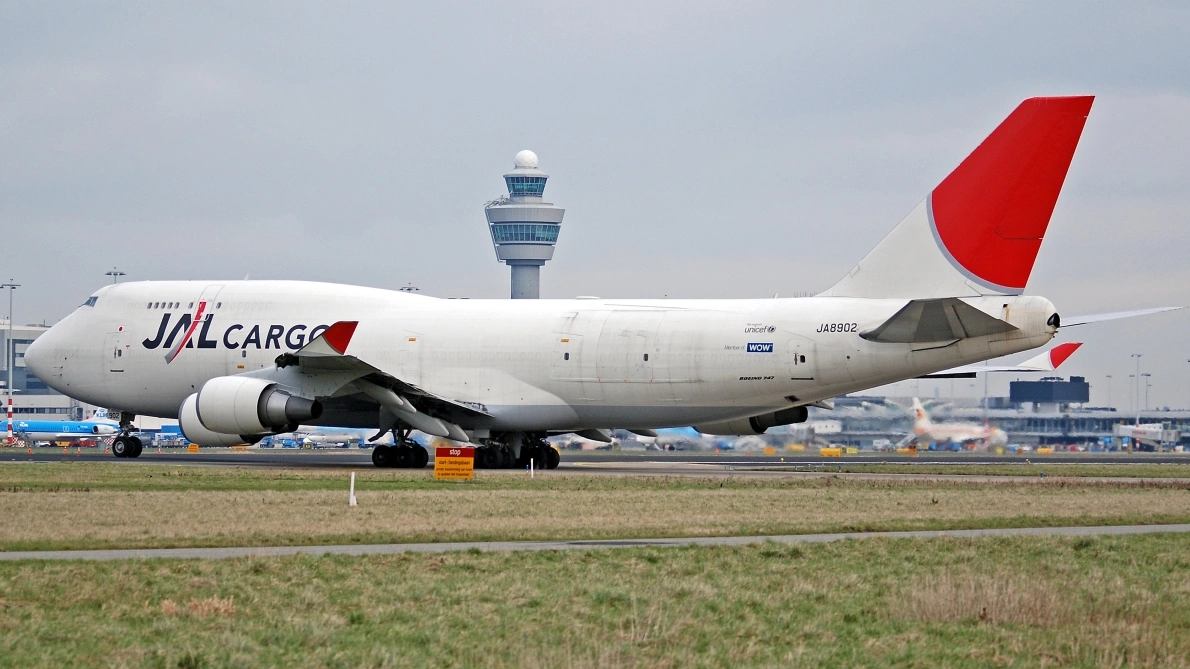
All in All
JAL de Hako-byun represents a broader attempt to combine Japan’s high-speed rail infrastructure with its international aviation network. By connecting regional producers directly to JAL’s global cargo system, the service could make it easier for time-sensitive and high-value goods to reach overseas markets.
Its significance extends beyond faster freight. The model also gives JAL and JR East a way to respond to Japan’s logistics challenges while providing regional producers with another route into international markets.


,_JAL_Cargo_JP5952667.jpg)
_taxiing_at_London_Heathrow_Airport.jpg)
,_JAL_Cargo_JP426818.jpg)
.jpg)

.jpg)