Aviation was unsafe during its earlier years. After all, there were many experimental aircraft such as the Kalinin K-7 in Russia, a metal monster that was probably ahead of its time, the first jetliner deHavilland Comet also had its problems, there was a dearth of rules regarding the retirement age of pilots, and there were also problems with implementing the aircraft seatbelt policy. These problems coalesced into one made aviation frightful for many.
So it doesn’t come as a surprise that there have been a lot of aviation mysteries, some of which have baffled the world – the most astonishing of these took place only a decade or so ago. Let’s have a look at the fifteen aviation mysteries that are still unsolved, highlighted by Top Fives YT.
15. Air France Flight 447
| Detail | Information |
|---|---|
| Date | 1 June 2009 |
| Aircraft | Airbus A330-203 |
| Operator | Air France |
| Route | Rio de Janeiro (GIG) → Paris (CDG) |
| People on board | 228 |
| Fatalities | 228 |
| Location | Atlantic Ocean |
| Official cause | High-altitude aerodynamic stall |
Air France Flight 447 vanished over the equatorial Atlantic during a night crossing through an area of convective weather. When contact was lost, the aircraft was cruising normally at 35,000 feet. With no distress call received, the initial search yielded only scattered debris days later, while the main wreckage — and the flight recorders — remained elusive for nearly two years.
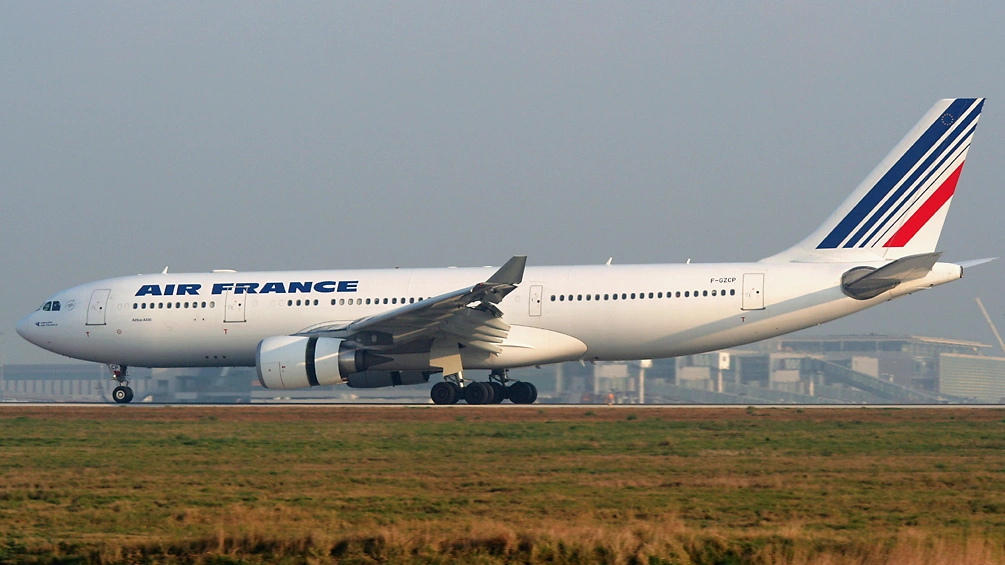
When the black boxes were finally recovered from the seabed in 2011, investigators were able to reconstruct the final minutes of the flight. Temporary icing of the pitot tubes led to unreliable airspeed indications, triggering the autopilot to disconnect. What followed was a prolonged aerodynamic stall that the crew failed to recognise or recover from before impact with the ocean.
14. Indian Air Force AN-32 (2016)
| Detail | Information |
|---|---|
| Date | 22 July 2016 |
| Aircraft | Antonov An-32 |
| Operator | Indian Air Force |
| Route | Chennai → Port Blair |
| People on board | 29 |
| Fatalities | Presumed 29 |
| Location | Bay of Bengal |
| Official cause | Undetermined |
The Indian Air Force’s An-32 transport aircraft disappeared less than an hour after departing Chennai on a routine supply flight to the Andaman and Nicobar Islands. Communication with the aircraft ceased abruptly while it was cruising over the Bay of Bengal, with no distress signal or emergency transmission reported.
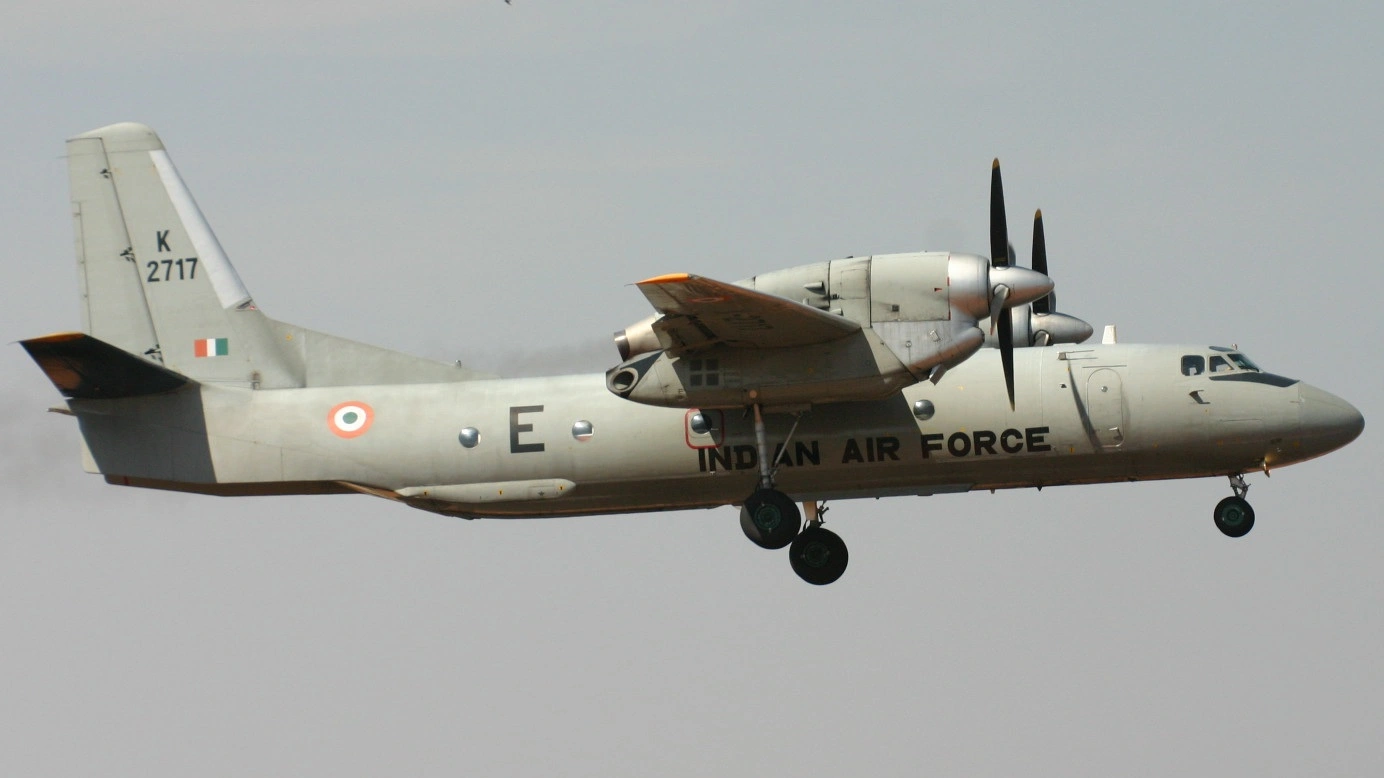
India launched its largest-ever maritime search and rescue operation, deploying naval vessels, maritime patrol aircraft, and even submarines. Despite weeks of searching across thousands of square kilometres, no confirmed wreckage was recovered. Unlike commercial aircraft, the An-32 was not fitted with an underwater locator beacon, severely complicating recovery efforts.
Unlike the crash of the Indian Air Force’s HAL Tejas in the Dubai Air Show this year, the complete absence of debris has left investigators unable to determine whether the aircraft suffered sudden structural failure, loss of control, or another catastrophic event. Years later, the disappearance remains unresolved, and the crew and passengers are officially listed as missing.
13. Aer Lingus Flight 712
| Detail | Information |
|---|---|
| Date | 24 March 1968 |
| Aircraft | Vickers Viscount 803 |
| Operator | Aer Lingus |
| Route | Cork → London Heathrow |
| People on board | 61 |
| Fatalities | 61 |
| Location | Irish Sea |
| Official cause | Undetermined |
Aer Lingus Flight 712 departed Cork under benign weather conditions and climbed normally before suddenly entering a steep, uncontrolled descent. The crew’s final transmission reported the aircraft descending, spinning rapidly — moments later, all contact was lost.

Although much of the wreckage and many of the victims were recovered from the Irish Sea, investigators were unable to establish a definitive cause. Multiple theories were examined, including mechanical failure, bird strike, and even missile impact due to nearby military testing — none could be conclusively proven, said the accident report:
“There is not enough evidence available on which to reach a conclusion of reasonable probability as to the initial cause of this accident. The probable cause of the final impact with the sea was impairment of the controllability of the aircraft in the fore and aft (pitching) plane.”
12. Flight 19
| Detail | Information |
|---|---|
| Date | 5 December 1945 |
| Aircraft | 5 × Grumman TBM Avenger |
| Operator | US Navy |
| Mission | Training flight |
| Crew | 14 |
| Fatalities | 14 |
| Location | Western Atlantic |
| Official cause | Undetermined |
Flight 19 was a routine navigation training exercise conducted by the US Navy off the coast of Florida. The aircraft were flown by experienced aviators, yet radio transmissions soon revealed growing confusion about compass readings and position. Eventually, all five aircraft vanished.

A rescue PBM Mariner aircraft dispatched to search for the squadron also disappeared, with reports from ships in the area describing a mid-air explosion. Despite extensive searches, no wreckage from either the training aircraft or the rescue plane was conclusively identified.
11. EgyptAir Flight 990
| Detail | Information |
|---|---|
| Date | 31 October 1999 |
| Aircraft | Boeing 767-300ER |
| Operator | EgyptAir |
| Route | Los Angeles → Cairo (via New York) |
| People on board | 217 |
| Fatalities | 217 |
| Location | Atlantic Ocean |
| Official cause | Disputed |
EgyptAir Flight 990 plunged into the Atlantic Ocean after leaving New York, killing everyone on board. Flight data indicated deliberate control inputs that sent the aircraft into a steep descent, followed by a brief recovery attempt.

The US National Transportation Safety Board concluded that the actions were intentional, while Egyptian authorities rejected this finding, arguing mechanical malfunction. The disagreement remains one of the most contentious in aviation investigation history. How cultural, political, and legal factors can complicate even data-rich investigations.
10. Pan Am Flight 7
| Detail | Information |
|---|---|
| Date | 8 November 1957 |
| Aircraft | Boeing 377 Stratocruiser |
| Operator | Pan American World Airways |
| Route | San Francisco → Honolulu |
| People on board | 44 |
| Fatalities | 44 |
| Location | Pacific Ocean |
| Official cause | Undetermined |
Pan Am Flight 7 disappeared mid-Pacific during a luxury round-the-world service. The aircraft stopped communicating without transmitting an emergency signal. Days later, wreckage and bodies were recovered hundreds of miles off course.

Despite extensive investigation, the Civil Aeronautics Board could not determine whether the loss was caused by mechanical failure, fire, sabotage, or structural breakup. According to an analysis published in Simple Flying, “recovered victims were not wearing their shoes and that a majority of them were wearing life jackets“.
9. 1956 B‑47 Disappearance
| Detail | Information |
|---|---|
| Date | 10 March 1956 |
| Aircraft | Boeing B‑47E Stratojet |
| Operator | United States Air Force |
| Route | MacDill AFB (Florida, USA) → Ben Guerir Air Base (Morocco) |
| People on board | 3 |
| Fatalities | 3 (presumed) |
| Location | Over the Mediterranean Sea, near Port Say (Algerian coast) |
| Official cause | Disappearance during aerial refuelling; exact cause undetermined (Broken Arrow) |
On 10 March 1956, a USAF Boeing B‑47E on a long‑range deployment mission vanished over the Mediterranean during its second scheduled in‑flight refuelling. The aircraft completed its first refuelling without incident but failed to rendezvous with the tanker after descending through cloud cover around 14,000 ft.
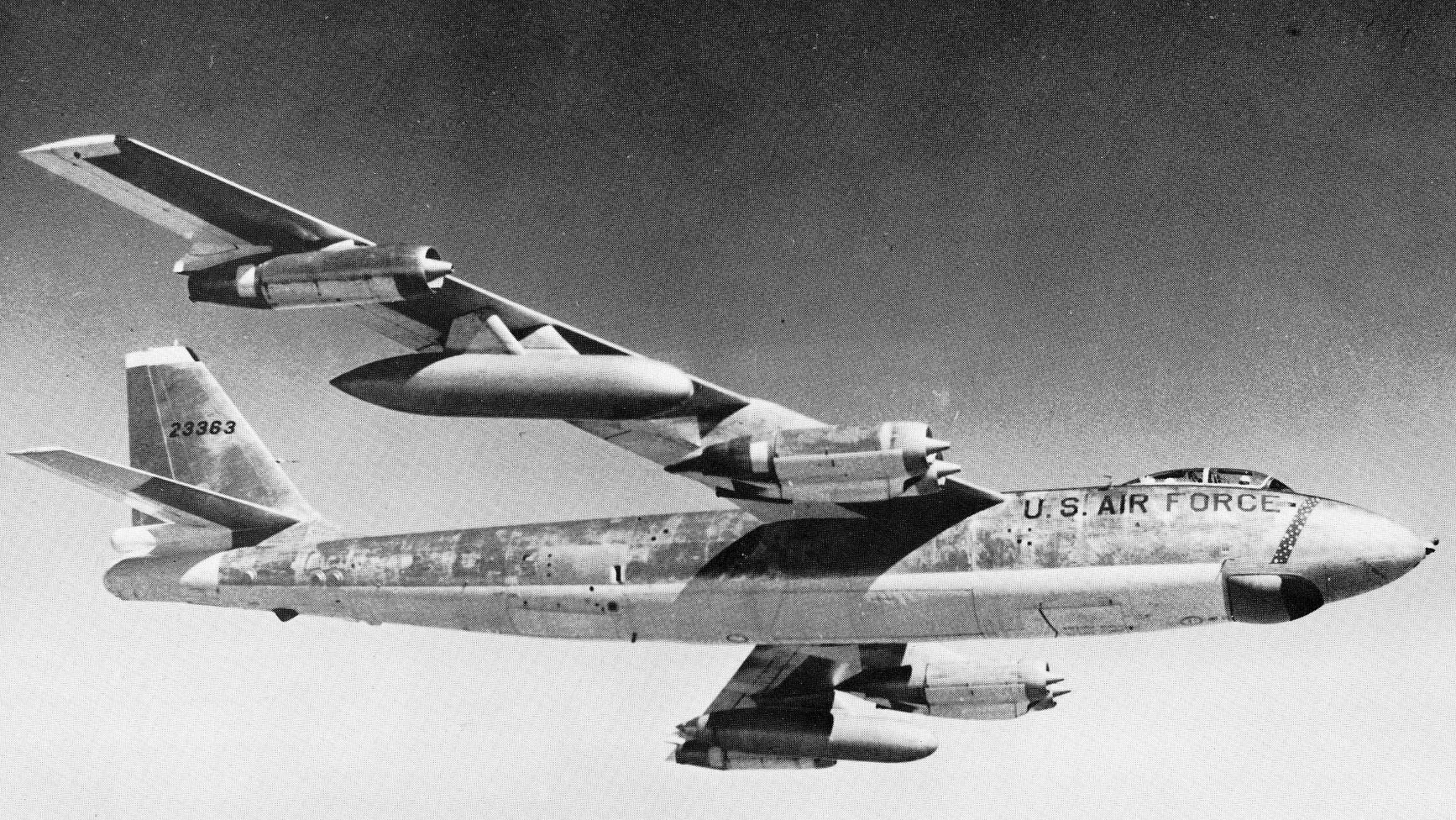
No wreckage, crew remains, or the two sealed nuclear material capsules the jet carried were ever found, and all aboard were later declared deceased. Here are some of the key points regarding the incident:
-
The B‑47 was part of a four‑aircraft formation on a routine Strategic Air Command rotation.
-
It carried two sealed capsules of nuclear weapon material (not complete weapons), making a nuclear detonation impossible.
-
Dense cloud cover and poor visibility may have contributed to the loss of contact.
Despite international search efforts by U.S., French, and allied forces, no physical trace of the aircraft, its contents, or crew was ever recovered.
8. BSAA Star Dust (1947)
| Detail | Information |
|---|---|
| Date | 2 August 1947 |
| Aircraft | Avro 691 Lancastrian 3 |
| Operator | British South American Airways |
| Route | Buenos Aires (Argentina) → Santiago (Chile) |
| People on board | 11 (6 passengers, 5 crew) |
| Fatalities | 11 |
| Location | Mount Tupungato, Argentine Andes |
| Official cause | Controlled flight into terrain; navigational error in Andes, wreckage buried in glacier |
On 2 August 1947, BSAA Star Dust vanished on a scheduled flight across the Andes. Its last routine Morse‑code transmission included the unexplained word “STENDEC,” repeated twice, before contact ceased.

Despite a massive search at the time, the aircraft’s wreckage and all aboard were not found until 1998 when glacial movement revealed parts embedded near Mount Tupungato, indicating the airliner descended into terrain while still in cloud‑covered high mountains.
7. TWA Flight 800 (1996)
| Detail | Information |
|---|---|
| Date | 17 July 1996 |
| Aircraft | Boeing 747‑131 |
| Operator | Trans World Airlines (TWA) |
| Route | JFK Airport (New York, USA) → Paris, France |
| People on board | 230 (212 passengers, 18 crew) |
| Fatalities | 230 |
| Location | Atlantic Ocean, off Long Island, New York |
| Official cause | Explosion of center wing fuel tank; ignition source undetermined but likely electrical short circuit |
TWA Flight 800 exploded in midair about 12 minutes after departing JFK Airport on 17 July 1996, killing all 230 people aboard. The wreckage fell into the Atlantic near Long Island, prompting one of the most extensive investigations in U.S. civil aviation history.

According to the head of the accident investigation of TWA Flight 800 for Boeing at the time of the event, John Purvis, it was “one of the two or three most complex accidents I was involved with during my 17 years doing that kind of work—in fact, it may have been the most complicated”.
After nearly four years, the NTSB determined a fuel‑vapour explosion in the center wing fuel tank was the most probable cause, likely triggered by an electrical short circuit, and ruled out criminal activity though alternate theories persist.
6. Flying Tiger Line Flight 739 (1962)
| Detail | Information |
|---|---|
| Date | 16 March 1962 |
| Aircraft | Lockheed L‑1049 Super Constellation |
| Operator | Flying Tiger Line (chartered by U.S. military) |
| Route | Travis AFB (California, USA) → Clark Air Base (Philippines), via Guam |
| People on board | 107 (93 U.S. soldiers, 3 civilians, 11 crew) |
| Fatalities | 107 (presumed) |
| Location | Western Pacific Ocean (west of Guam) |
| Official cause | Undetermined; probable in‑flight explosion based on witness reports |
Flying Tiger Line Flight 739 disappeared on 16 March 1962 after departing Guam en route to the Philippines, with 107 people aboard. After last radio contact during the flight’s climb, the aircraft vanished from radar. A passing tanker reported a possible midair explosion, but the vast search over more than 144,000 sq miles of ocean yielded no wreckage.
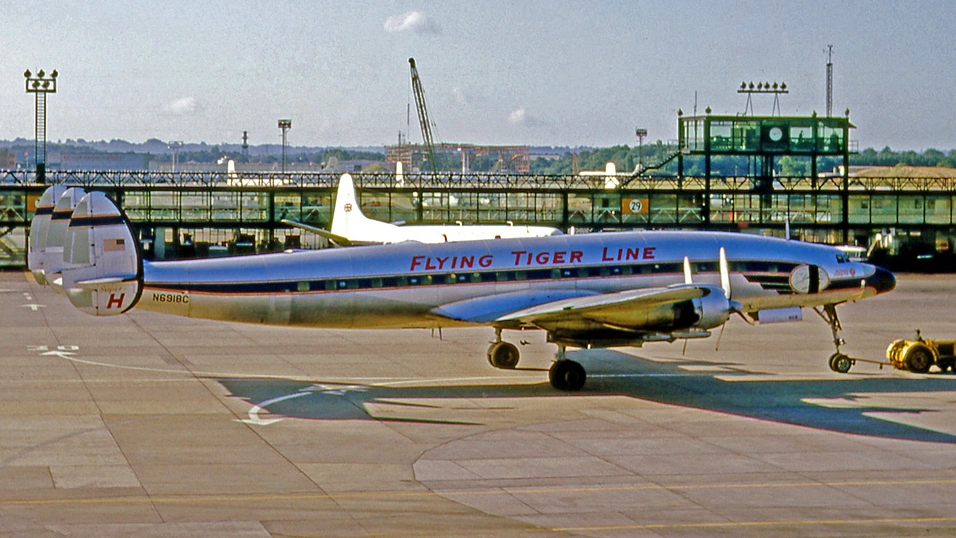
The CAB later suggested an in‑flight explosion as the most plausible cause, though no physical evidence was recovered to confirm this.
5. Varig Flight 967 (1979)
| Detail | Information |
|---|---|
| Date | 30 January 1979 |
| Aircraft | Boeing 707‑323C |
| Operator | Varig |
| Route | Narita International Airport (Tokyo, Japan) → Los Angeles Int’l Airport (USA) → Rio de Janeiro–Galeão Int’l Airport (Brazil) |
| People on board | 6 (crew) |
| Fatalities | 6 (presumed) |
| Location | Pacific Ocean (≈ 200 km ENE of Tokyo) |
| Official cause | Unknown; no wreckage or distress call found |
Varig Flight 967, a Boeing 707 cargo service that was carrying 53 paintings by Japanese‑Brazilian artist Manabu Mabe worth around US $1.24 million, disappeared over the Pacific about 30 minutes after departing Tokyo on 30 January 1979 en route to Rio de Janeiro with stops planned in Los Angeles and Lima.
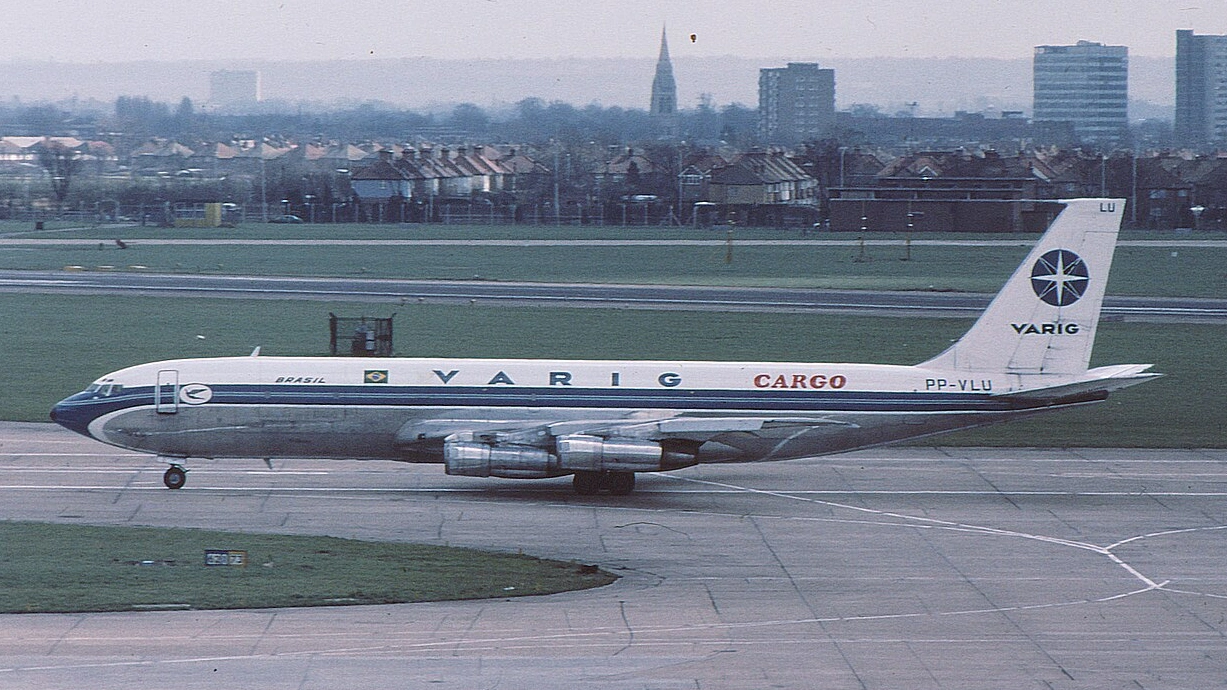
The crew (one of whom was Captain Gilberto Araújo da Silva had over 23,000 flight hours and previously survived another Varig Boeing 707 accident) made last contact with ATC at 20:45 local time, and radio contact was lost thereafter; neither wreckage nor bodies—or the valuable cargo of paintings by artist Manabu Mabe—were ever recovered.
4. D.B. Cooper Hijacking (1971)
| Detail | Information |
|---|---|
| Date | 24 November 1971 |
| Aircraft | Boeing 727‑100 |
| Operator | Northwest Orient Airlines |
| Route | Portland, Oregon → Seattle, Washington |
| People on board | 36 passengers (initial), 6 crew |
| Fatalities | 0 (crew and passengers survived) |
| Location | Airspace over Pacific Northwest (USA) |
| Official cause | Air piracy; hijacker’s fate unknown |
On 24 November 1971, a man using the alias “Dan Cooper” hijacked Northwest Orient Flight 305 shortly after departure from Portland, Oregon. He claimed to have a bomb, demanded US $200,000 and four parachutes, and after landing in Seattle and releasing the passengers, ordered the plane airborne again toward Mexico City.
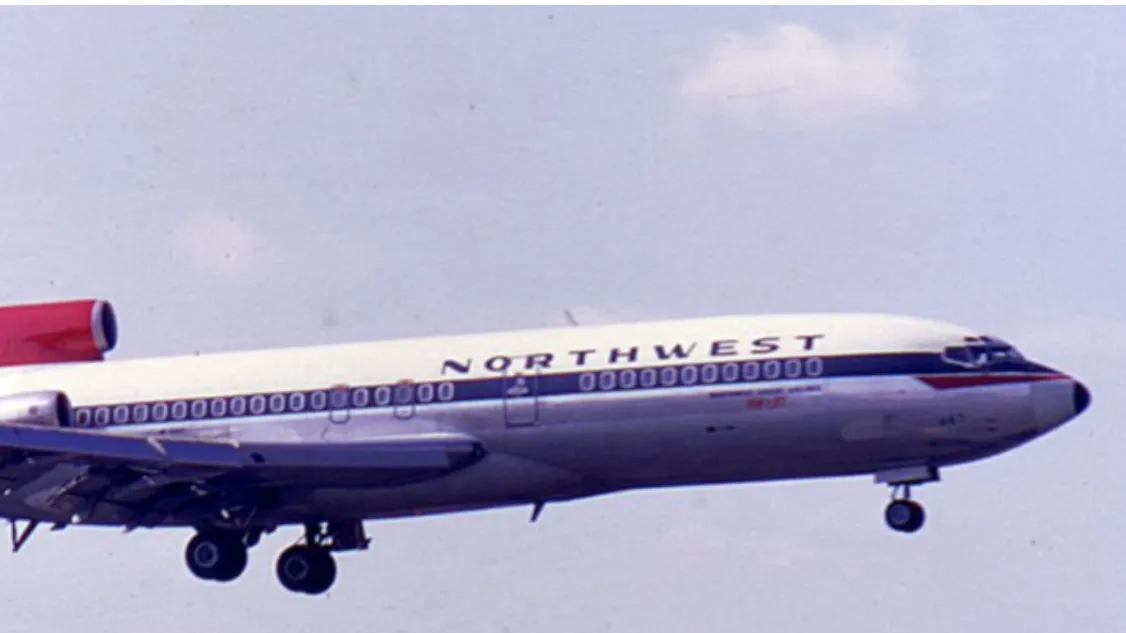
Somewhere over the night sky of southwestern Washington, Cooper lowered the rear staircase and parachuted into the darkness with the ransom; he was never found.
According to the FBI, the NORJAK investigation pursued hundreds of leads over years but could not identify Cooper’s identity or confirm whether he survived the jump; the case was officially closed in 2016, though it remains the only unsolved skyjacking in U.S. aviation history.
3. Helios Airways Flight 522 (2005)
| Detail | Information |
|---|---|
| Date | 14 August 2005 |
| Aircraft | Boeing 737‑31S |
| Operator | Helios Airways |
| Route | Larnaca Int’l Airport (Cyprus) → Athens (Greece) → Prague (Czech Republic) |
| People on board | 121 (115 passengers, 6 crew) |
| Fatalities | 121 |
| Location | Grammatiko, Greece |
| Official cause | Crew incapacitation due to loss of cabin pressurization |
Helios Airways Flight 522 lost contact with air traffic control shortly after takeoff from Larnaca on 14 August 2005. The Boeing 737 climbed with its pressurization system set to manual—likely left so after maintenance—and the crew and passengers gradually became incapacitated from hypoxia.
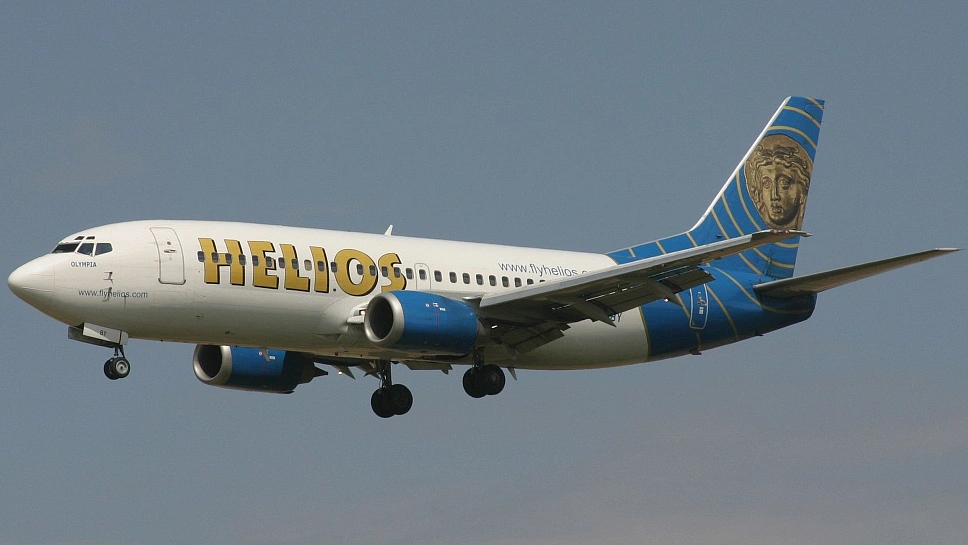
The aircraft continued on autopilot until fuel exhaustion, ultimately crashing near Grammatiko, Greece, killing all aboard. The accident is Greece’s deadliest air disaster. Investigation found that the pressurization mode was left in “manual,” a critical procedural error.
2. Amelia Earhart Disappearance (1937)
| Detail | Information |
|---|---|
| Date | 2 July 1937 (last seen) |
| Aircraft | Lockheed Model 10‑E Electra |
| Operator | Amelia Earhart / Purdue Flying School |
| Route | Lae, New Guinea → Howland Island (Pacific) |
| People on board | 2 (Earhart and Fred Noonan) |
| Fatalities | Presumed 2 |
| Location | Near Howland Island, Pacific Ocean |
| Official cause | Disappearance; presumed crash due to fuel exhaustion |
Aviation pioneer Amelia Earhart and navigator Fred Noonan disappeared on 2 July 1937 during their attempt to circumnavigate the globe.
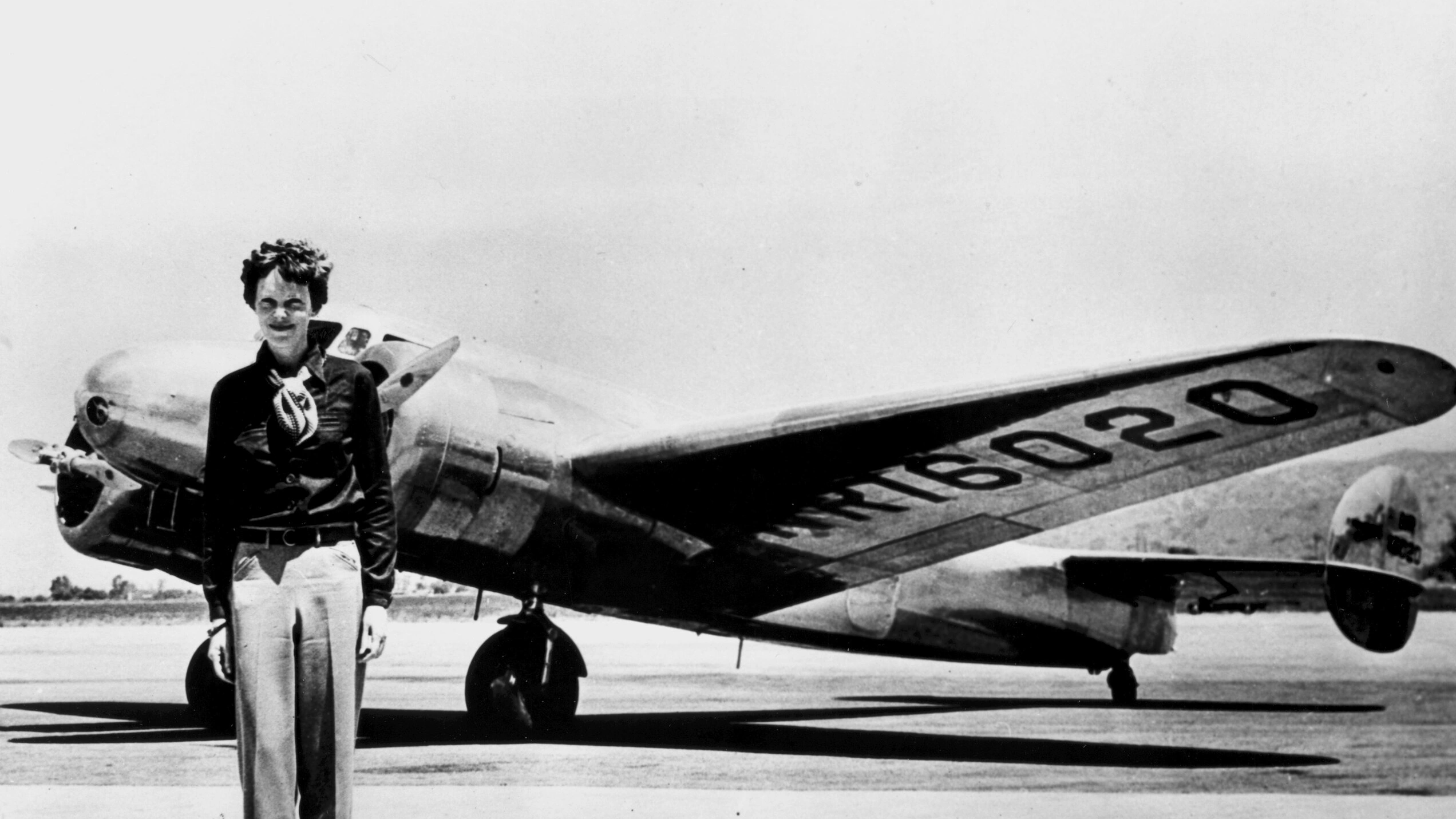
Departing Lae, New Guinea, for tiny Howland Island in the central Pacific, radio contact was lost and neither aircraft nor crew were ever found. Most historians believe they likely ran out of fuel and crashed at sea. Multiple expeditions have searched for the Electra wreckage with no confirmed discovery.
1.Malaysia Airlines Flight 370 (2014)
| Detail | Information |
|---|---|
| Date | 8 March 2014 |
| Aircraft | Boeing 777‑200ER |
| Operator | Malaysia Airlines |
| Route | Kuala Lumpur Int’l Airport, Malaysia → Beijing Capital Int’l Airport, China |
| People on board | 239 (227 passengers, 12 crew) |
| Fatalities | 239 (presumed) |
| Location | Southern Indian Ocean (presumed) |
| Official cause | Unknown; aircraft disappeared from radar |
Malaysia Airlines Flight 370 disappeared from radar after its last communication about 38 minutes into flight on 8 March 2014, while en route to Beijing.
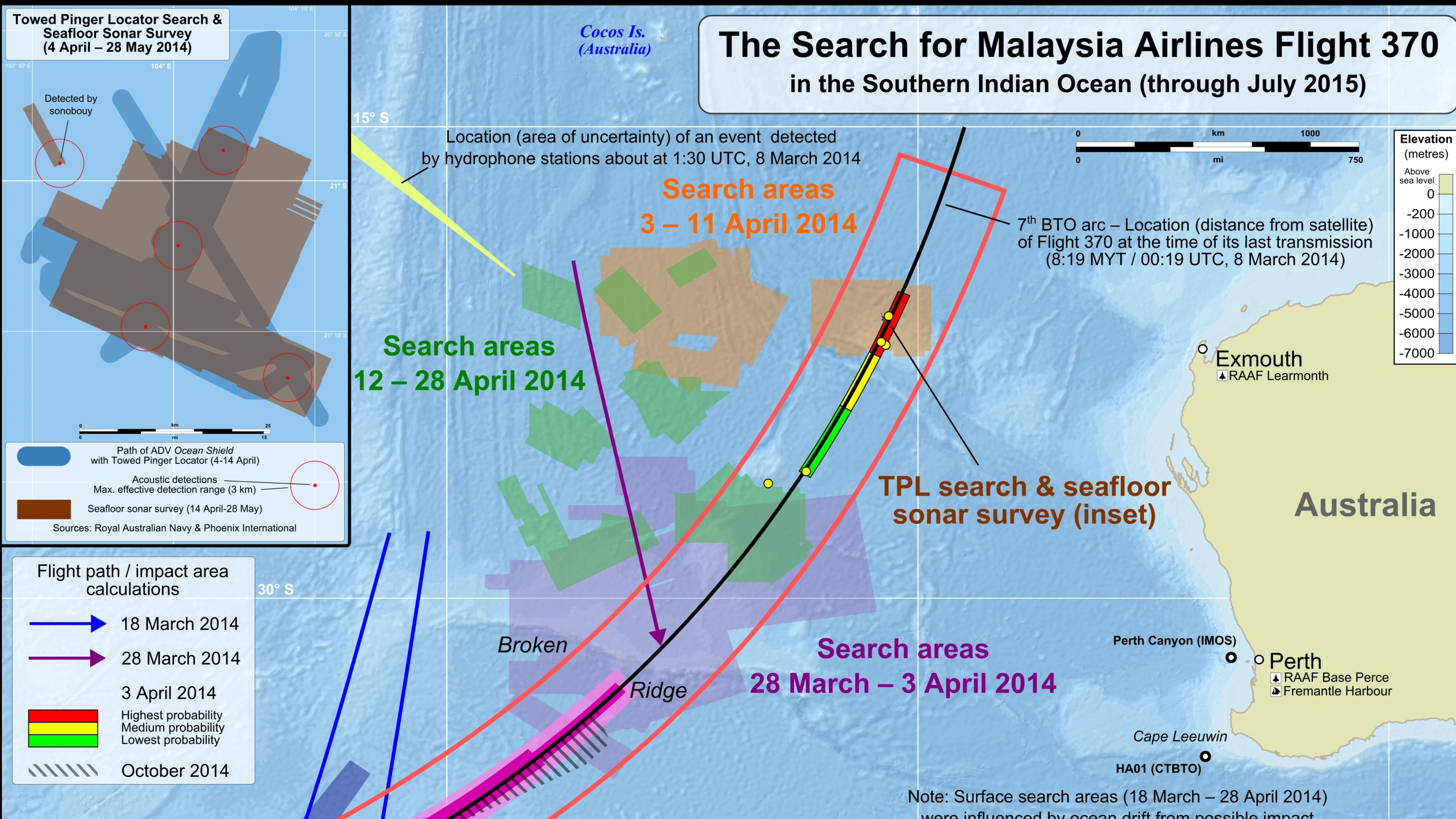
The aircraft deviated from its planned route and vanished over the South China Sea and beyond; subsequent analysis suggests it ended up in the southern Indian Ocean. Despite extensive multinational searches and the discovery of a few confirmed debris pieces, the main wreckage has not been located.
MH370 is often described as the greatest mystery in modern aviation history. A new search effort was announced for late 2025 to investigate potential wreckage sites.
MH370 Compensation: Chinese Court Awards 2.9 Million Yuan per Family
The disappearance has prompted major advances in tracking technologies and undersea search methods, and while theories abound—from deliberate diversion to systems failures—the definitive cause cannot be established until the main wreckage and flight recorders are found.


.jpg)
.jpg)
.jpg)
.jpg)


