When a Twin Otter operated by Tara Air, one of the three operators in the most dangerous airport in Lukla, registered 9N-AET crashed in Jomsom, Nepal, the investigation commission recommended the Civil Aviation Authority of Nepal (CAAN) to “review the procedure in coordination with operators and comparing the best practices” of the age of Pilot in Command (PIC), especially Instructor Pilot for operations in Short Takeoff and Landing (STOL) operations, “to be limited at or below 60th birthday“.

At the start of the 20th century, the time when the first aircraft was built, Americans had an average age of just 47 years. According to Harvard University, the life expectancy has changed in the US in the following way:
| Year | Life Expectancy (Years) | Notes |
|---|---|---|
| 1900 | 47 | Historical reference point |
| 1950 | 68 | Mid-century estimate |
| 2019 | Nearly 79 | Pre-pandemic peak |
| 2020 | 77 | Sharp decline begins |
| 2021 | Just over 76 | Continued decline |
| 2021 (newborn life expectancy) | ~76 | National Center for Health Statistics |
When the Wright Brothers achieved the first controlled powered flight in 1903, Wilbur was 36 and Orville was 32: they were almost 10-15 years younger than the average life expectancy in the US. The Federal Aviation Administration says that commercial airlines certificated under 14 CFR Part 121 “cannot employ pilots after they reach the age of 65“.
In light of this data, one wonders how pilot’s retirement ages have changed over the years.

Early Aviation Did Not Have Age Limits for Pilots
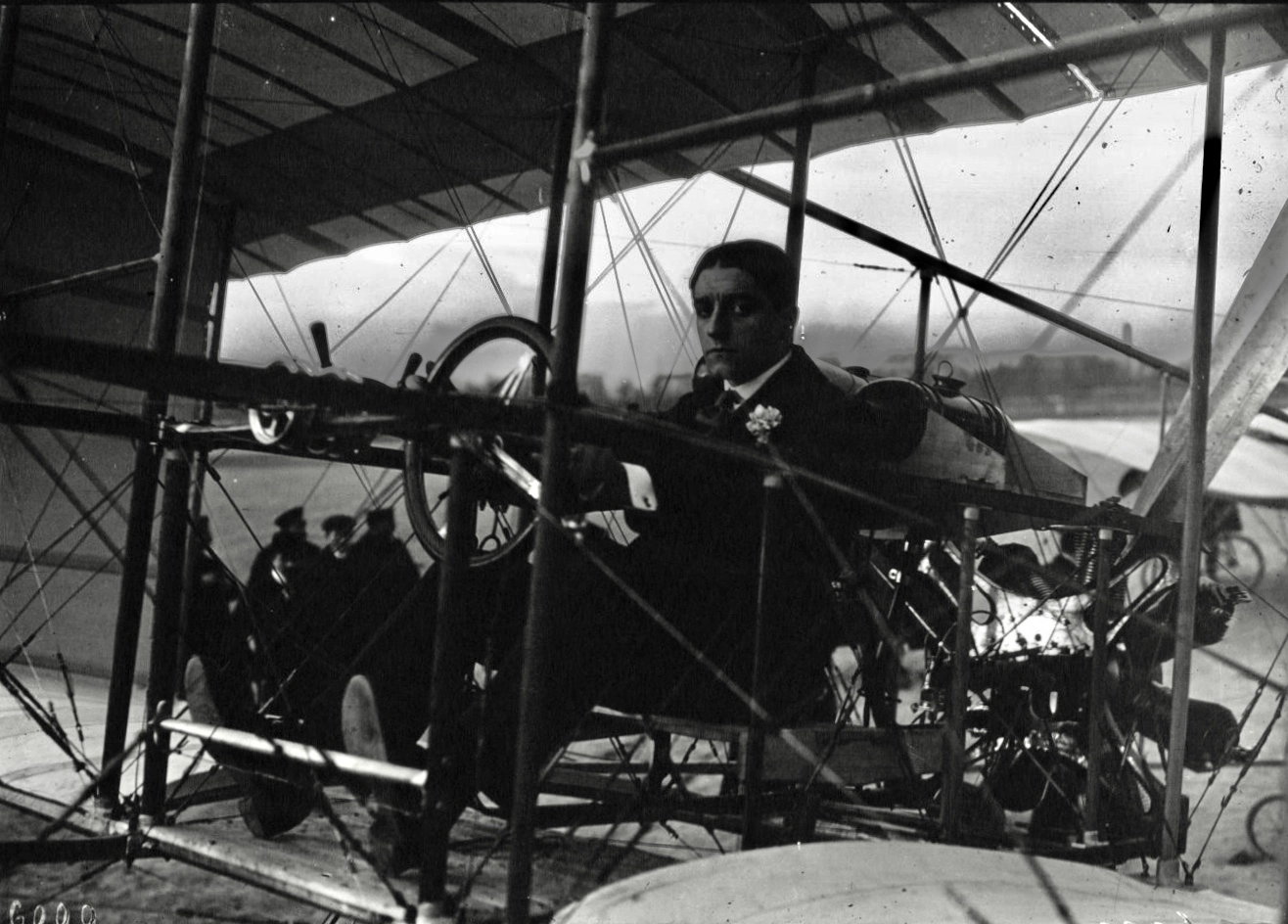
Aviation remained small and experimental until commercial air transport emerged in the U.S. around 1914. Formal rules around a pilot’s retirement age weren’t yet a priority back then.
But it all changed in 1919, when the International Commission for Air Navigation (ICAN) introduced the first age-related regulation for pilots, setting a limit at 45 years, reported AIN Online. ICAN was later supplanted by the International Civil Aviation Organization (ICAO) replaced ICAN in 1947, that age restriction was abolished entirely:
The transition to the jet age in the late 1950s also brought new questions about pilot retirement. As piston-powered aircraft gave way to jets, U.S. airlines began considering mandatory retirement rules of their own, particularly as younger, military-trained pilots became available to fly the new aircraft.
The Air Line Pilots Association (ALPA) signed its first jet contract in 1958, covering National Airlines’ DC-8 fleet. Against this backdrop, management at major carriers began questioning whether older pilots, who generally earned higher salaries, could make the transition from piston aircraft to turbine-powered jets.
The Jet Age Brought Back Pilot’s Retirement Age
As mentioned in the table above, U.S. life expectancy in the 1950s had risen to 68. This was also the time when the World Wars had ended, and there were a lot of officers who had served their nations in the wars aerially and could work as airline pilots.
At the same time, rapid technological developments — including the arrival of early jets like the Douglas DC-8 — raised questions about whether older pilots could effectively transition to more advanced aircraft. In 1958, American Airlines, TWA, and Western Airlines each introduced a mandatory retirement age of 60, citing reasons such as
-
Concerns about age-related declines in cognitive performance
-
The high cost of retraining older pilots
-
A steady supply of younger, military-trained jet pilots who required less transition training
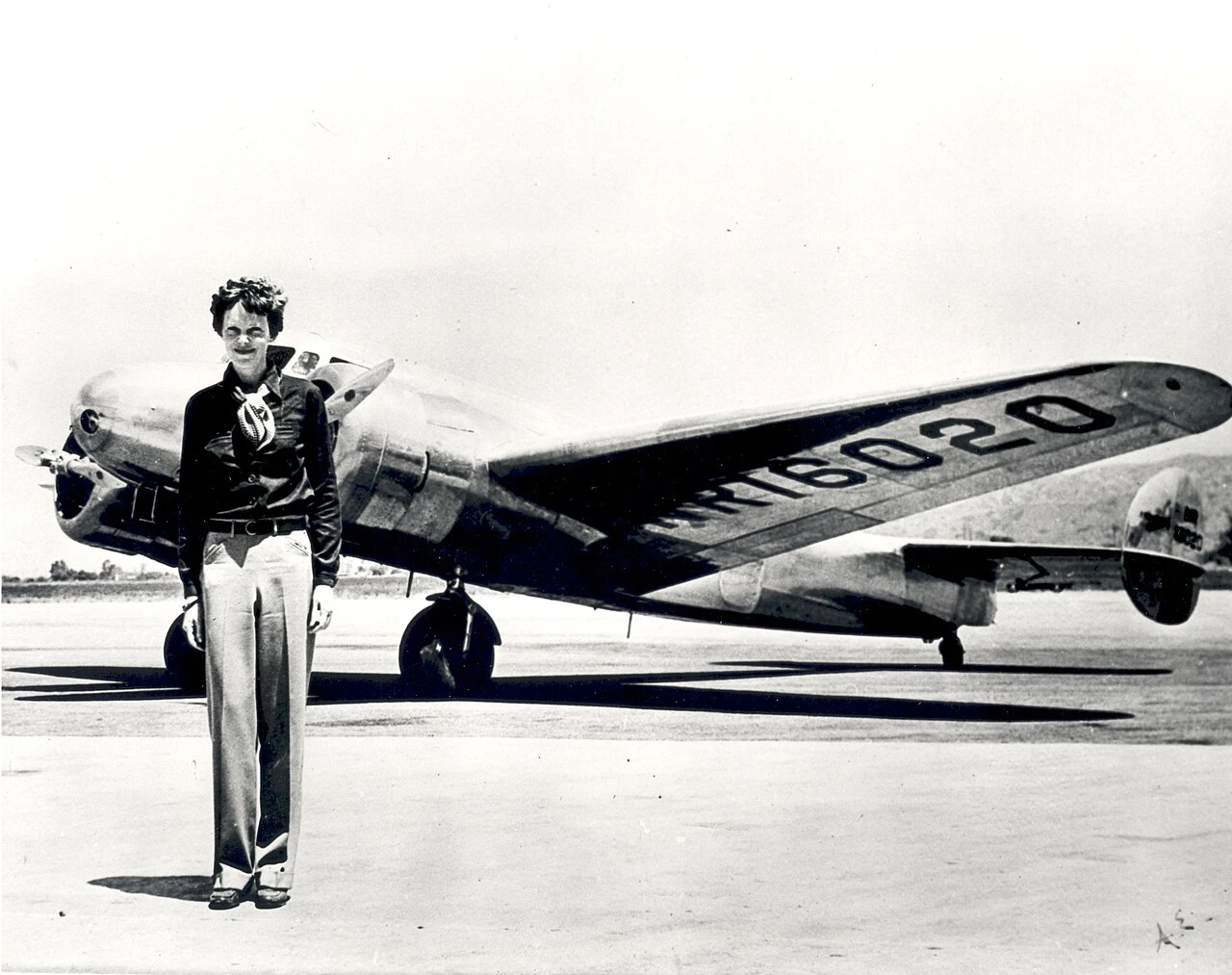
The International Air Transport Association (IATA) initially suggested an upper age limit of 60 for airline pilots, which influenced the International Civil Aviation Organization (ICAO) to adopt a 60-year retirement standard. However, AIN reported that several countries have not imposed mandatory retirement ages consistent with the ICAO recommendation.
Australia, Brazil, Canada, Costa Rica, New Zealand, Senegal and Ukraine are among the countries without specific Part 121 retirement-age requirements. However, pilots aged 65 and above from these countries can face restrictions when operating in nations that follow ICAO age standards. Japan, meanwhile, increased its pilot retirement age from 65 to 68 in 2015, partly in response to a long-term shortage of pilots.
Argentina has also moved away from a fixed retirement age for commercial pilots. In November 2024, the National Civil Aviation Administration of Argentina (ANAC) removed age limits for commercial pilots, arguing that the change reflected an international trend toward allowing older pilots to continue working when they meet the required medical, physical, knowledge and experience standards.
The Argentine regulator’s decision indicates a shift away from using age alone as the determining factor for a pilot’s eligibility, placing greater emphasis on individual fitness and professional qualifications.

Today’s Retirement Standards
ICAO’s current recommendations set different limits depending on the type of operation:
-
Single-pilot commercial operations: pilots may fly until age 60
-
Multi-pilot operations: pilots may fly until age 65
ICAO also requires enhanced medical oversight: annual exams for pilots under 60 in multi-crew roles, and exams every six months for those over 60.

How Might Pilot’s Retirement Ages Change?
Debate over pilot retirement age has intensified in recent years. In the U.S., lawmakers considered raising the limit to 67 in 2022. A report published in Reuters claimed that raising the limit would provide 5,000 pilots a couple of years of work time, saying that “Increasing the age limit by two years would also align pilot retirement with the minimum federal retirement age, allowing them to receive full social security benefits.“
However, Air Line Pilots Association (ALPA) pushed back, citing data showing a higher fatal accident rate for FAR Part 135 operations involving pilots older than 65, and also cited the following factors:
| Issue / Topic | Summary |
|---|---|
| Pilot Workforce & Supply Reality | FAA and BTS data indicate that the U.S. already has more certificated airline pilots than open positions, and no recent domestic study has evaluated the effects of increasing the retirement age. Without evidence-based review or alignment with global standards, such a change would be considered arbitrary. |
| Limited Impact on Regional Airlines | Although regional carriers advocate for raising the retirement age, their pilots typically move to higher-paying mainline, cargo, or low-cost carriers well before reaching 65. As a result, increasing the age limit would not materially expand the pool of pilots available to regionals. |
| Contractual & Legal Complications | Many existing labor agreements assume pilots retire at 65. Raising the limit could trigger contract disputes, grievances, and expensive legal challenges—potentially forcing unions and management to renegotiate settled agreements. |
| Small-Community Air Service | Adjusting the retirement age would not improve service to smaller markets, as airline decisions to maintain or cut routes are driven by market demand and profitability, not by pilot retirement age. |

However, in 2024, FAA Administrator Mike Whitaker advised U.S. lawmakers against increasing the mandatory airline pilot retirement age from 65 to 67. Reuters reported that the U.S. House had previously voted 351–69 on aviation legislation that included the proposed increase.
Whitaker urged lawmakers to conduct appropriate research before making such a change, arguing that the FAA needed sufficient data to assess any potential safety risks. Then-Transportation Secretary Pete Buttigieg similarly told Congress that the FAA did not have evidence supporting an increase to 67.
Buttigieg also warned that raising the retirement age above 65 would exceed the international standard and could have consequences for U.S. airlines operating internationally.



.jpg)