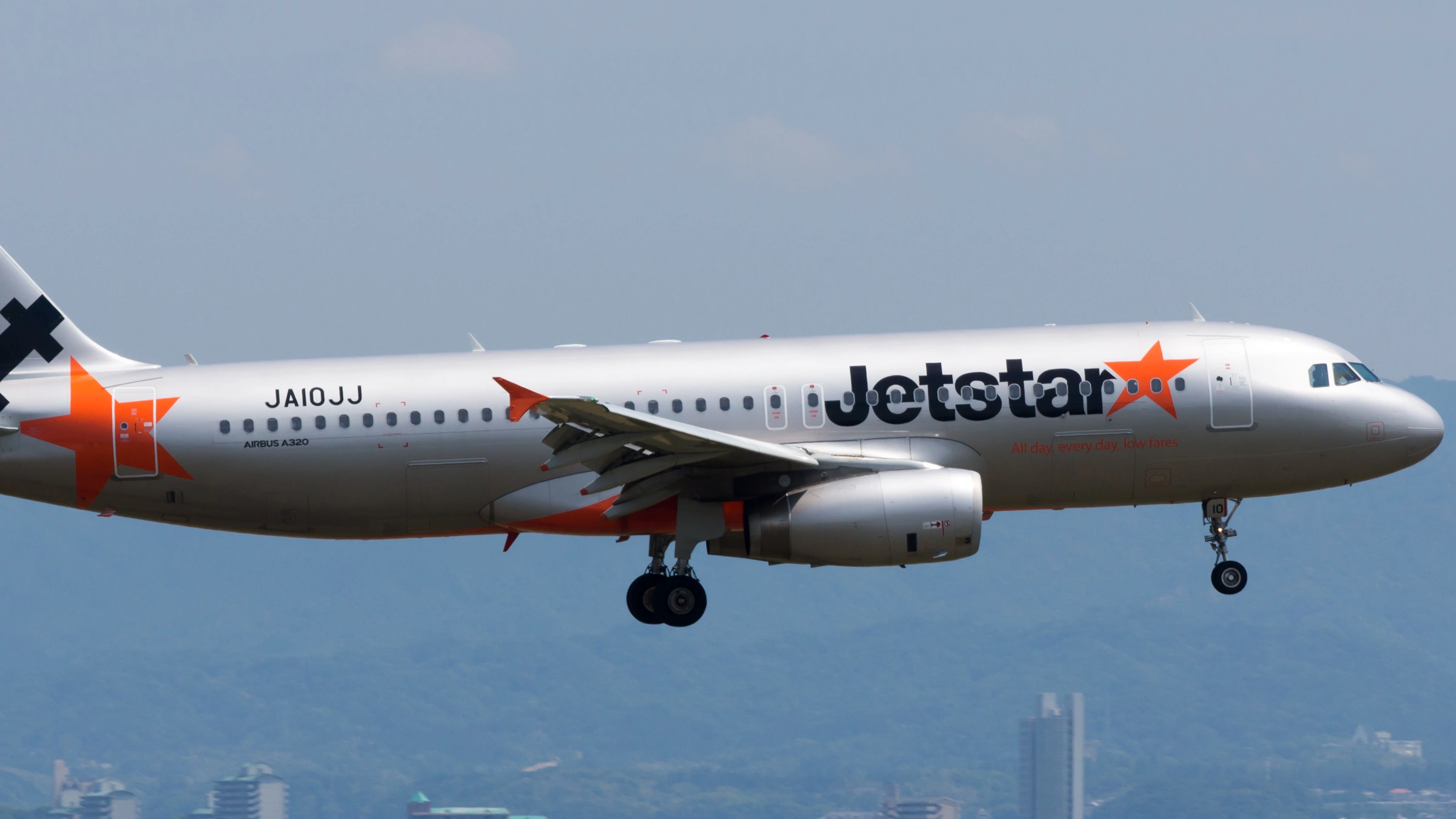
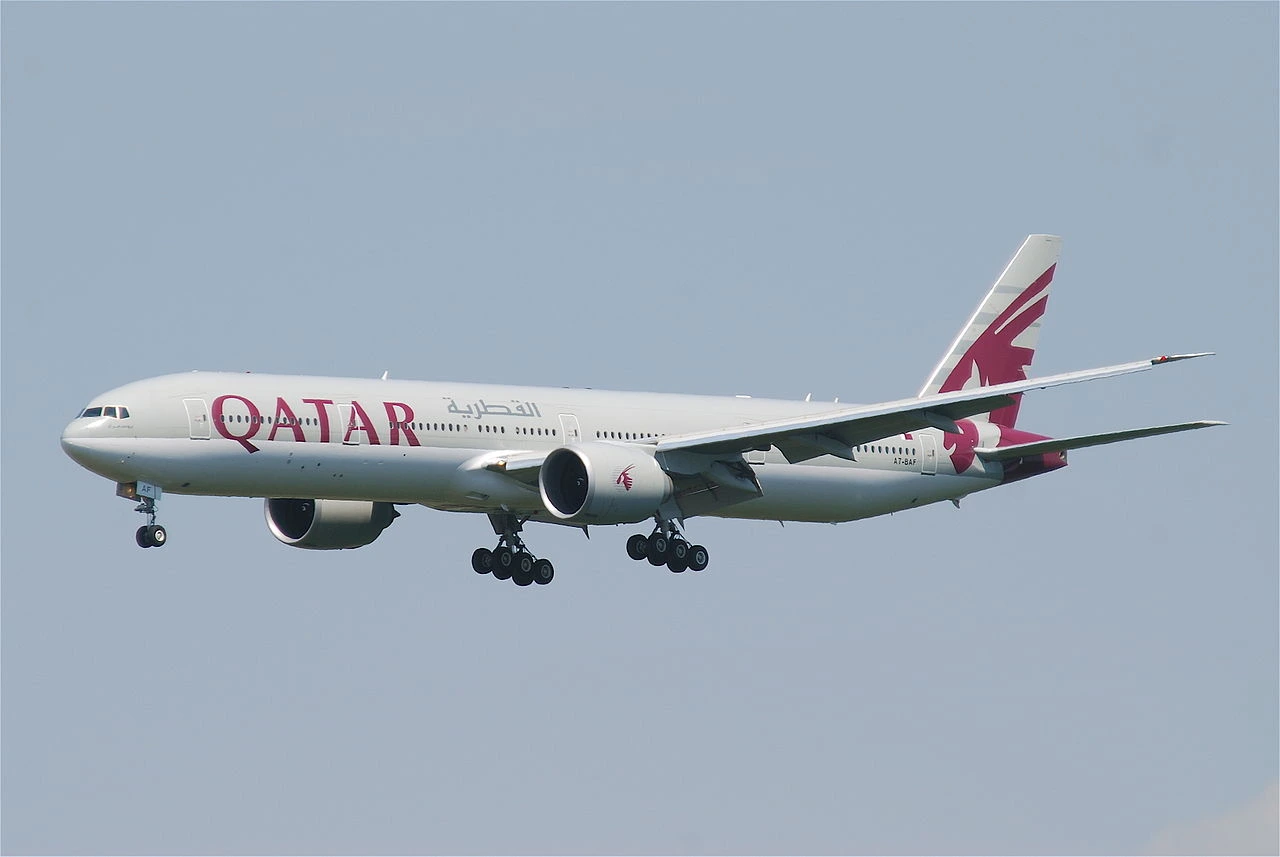
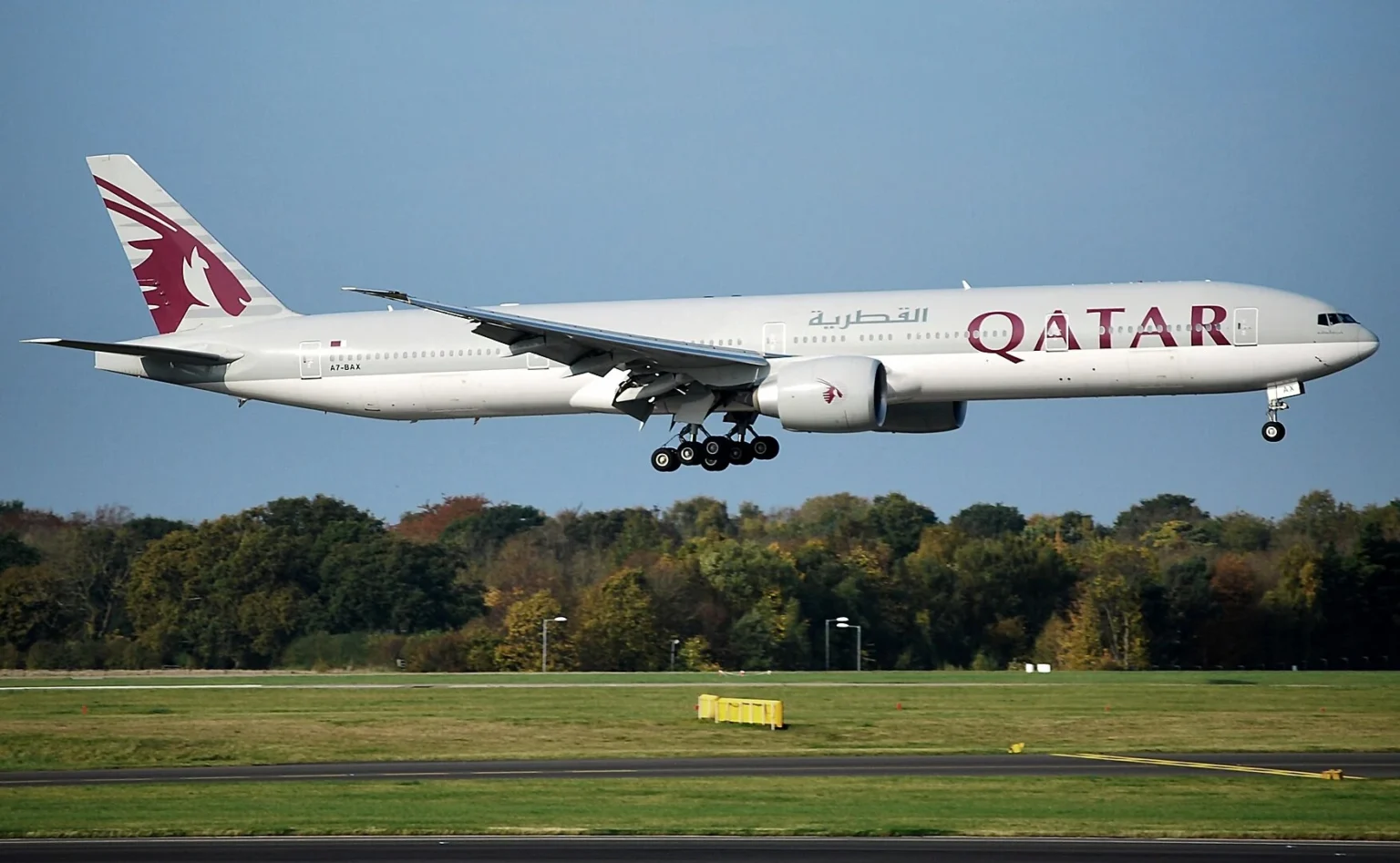
A Jetstar Airbus A320 and a Qatar Airways (QR) Boeing 777 nearly collided on the tarmac at Sydney Kingsford Smith Airport (SYD) on the morning of Sunday, August 9, 2026. The Jetstar (JQ) pilot braked hard to avoid the Qatar Airways (QR) jet, which was being towed without passengers on board. According to a report by The Guardian, the incident took place around 7am and followed two days of severe flight delays caused by a shortage of air traffic controllers, according to a report by the Guardian.
The near-miss has renewed pressure on Airservices Australia, the government body that runs the country’s air traffic control towers. New South Wales Premier Chris Minns called the episode concerning and said the airport needs to operate at full capacity. The Australian Transport Safety Bureau (ATSB) has opened an investigation and is asking the public for any footage of the incident.
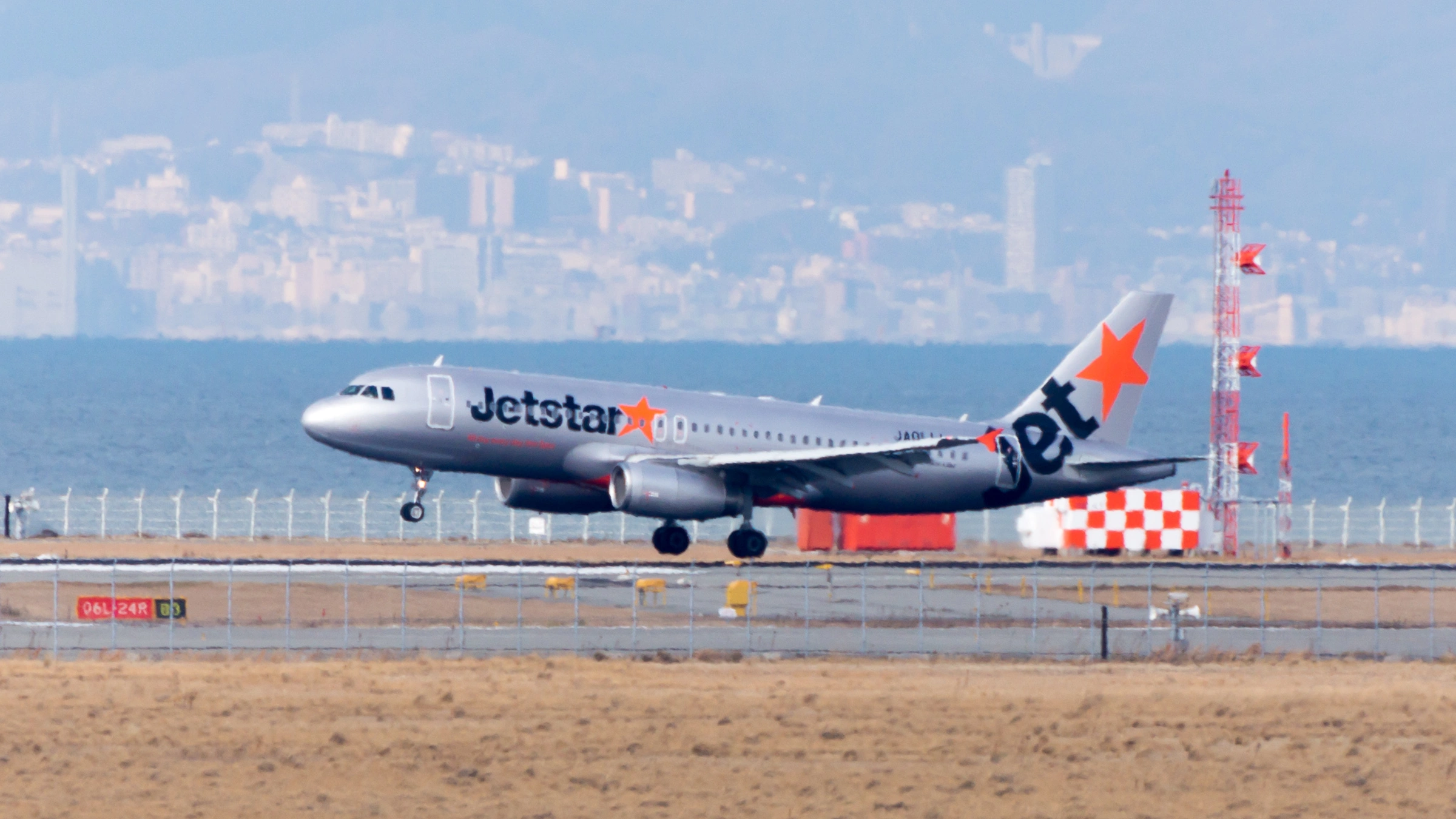
Jetstar And Qatar Airways Aircraft Nearly Collide on the Tarmac
The Jetstar flight was preparing to depart Sydney Airport for the Gold Coast when the pilot was forced to brake suddenly to avoid the Qatar Airways Boeing 777. The Qatari aircraft, which was not carrying passengers, was being pulled by an aircraft tug at the time and sustained minor damage in the close call.
A passenger on a separate flight, Dani Brown, photographed the two aircraft in close proximity and shared it on X. She wrote that her own flight was delayed by 25 minutes because the two planes nearly collided on the tarmac.
A Jetstar spokesperson said the aircraft was following instructions from air traffic control when the pilots had to brake firmly as another aircraft came into close proximity. The spokesperson confirmed the airline has “commenced an investigation into the incident”. The Jetstar flight was cancelled, and passengers were rebooked onto later Gold Coast services.
Air Traffic Control Staffing Shortage Triggers the Near-Miss
Air traffic control at Sydney Airport was operating under restricted hours between 6am and 8am on Sunday, which cut the number of flights able to arrive and depart. The restriction was the result of Airservices Australia being unable to fill rosters, not a decision made for any other operational reason.
Airservices Australia had been unable to roster enough staff for three consecutive days. Stephen Beckett, chief executive of the industry group Airlines for Australia and New Zealand, told the Australian Broadcasting Corporation that the shortfall was preventing the tower from running efficiently.
Airservices Australia defended its controllers in a statement, describing air traffic control as a demanding, safety-critical role and asking that commentary on performance recognise the professionalism and commitment of the staff on duty. Airservices Australia, nine.com.au reported, was trying to “avoid delays, with separate staffing problems also affecting take-offs and landings this week”. In a statement given to the same publication, a spokesperson said that it had:
“ enacted Air Traffic Flow Management (ATFM) measures including departure spacing at Sydney Kingsford Smith Airport to safely manage projected airborne and departure demands following a reported safety incident between two aircraft moving on taxiways,”
Third Consecutive Day of Flight Delays at Sydney Airport
Sunday’s near-miss followed two days of significant disruption. More than 150 domestic and international flights were delayed from 7am on Saturday after air traffic control introduced departure spacing to manage the shortage. More than 120 services were delayed on Friday for the same reason.
The pattern shows a control tower running short-staffed for several days in a row rather than a single isolated event. Federal Transport Minister Catherine King’s office had already asked Airservices Australia to set out a pathway for improvement after Friday’s disruption.
Delays at Sydney ripple across the wider network because so many domestic and international routes connect through the airport. Beckett noted that congestion at Sydney affects the entire national and international schedule, not just passengers flying in or out of the city.
Investigators And Political Leaders Respond
The ATSB will collect data from both aircraft and from air traffic control as part of its investigation into the near-miss. The bureau has appealed for any public footage of the incident to support its inquiry.
Premier Minns told reporters he hoped Airservices Australia had a recruitment plan in place, noting that air traffic control is a highly specialised but very important job. According to ABC News, he pointed out that Sydney’s second airport is due to open soon, which will add further demand on a service already under strain:
“Not just the safety risks, but we want to make sure that the airport is operating at full capacity……..(resolving workforce issues) is hugely important for our economy. We don’t want to see people disrupted if they go to the [Sydney] airport and services are cancelled because there’s not enough air traffic controllers”.
Minns acknowledged that hiring for specialised aviation roles is difficult in a tight labour market, but said the issue cannot be treated as optional. He told reporters that adequate staffing isn’t a nice-to-have, it’s a must-have.
A Global Pattern of Understaffed Control Towers
Air traffic controllers in Sydney submitted at least 15 confidential reports to the transport safety investigator last year, warning that a major incident was close to inevitable unless staffing levels improved. Similar close calls have occurred overseas, including a near collision between a JetBlue Airways flight and a Southwest Airlines plane at Ronald Reagan Washington National Airport in April, and a fatal tarmac fire in Tokyo in January that killed five people.
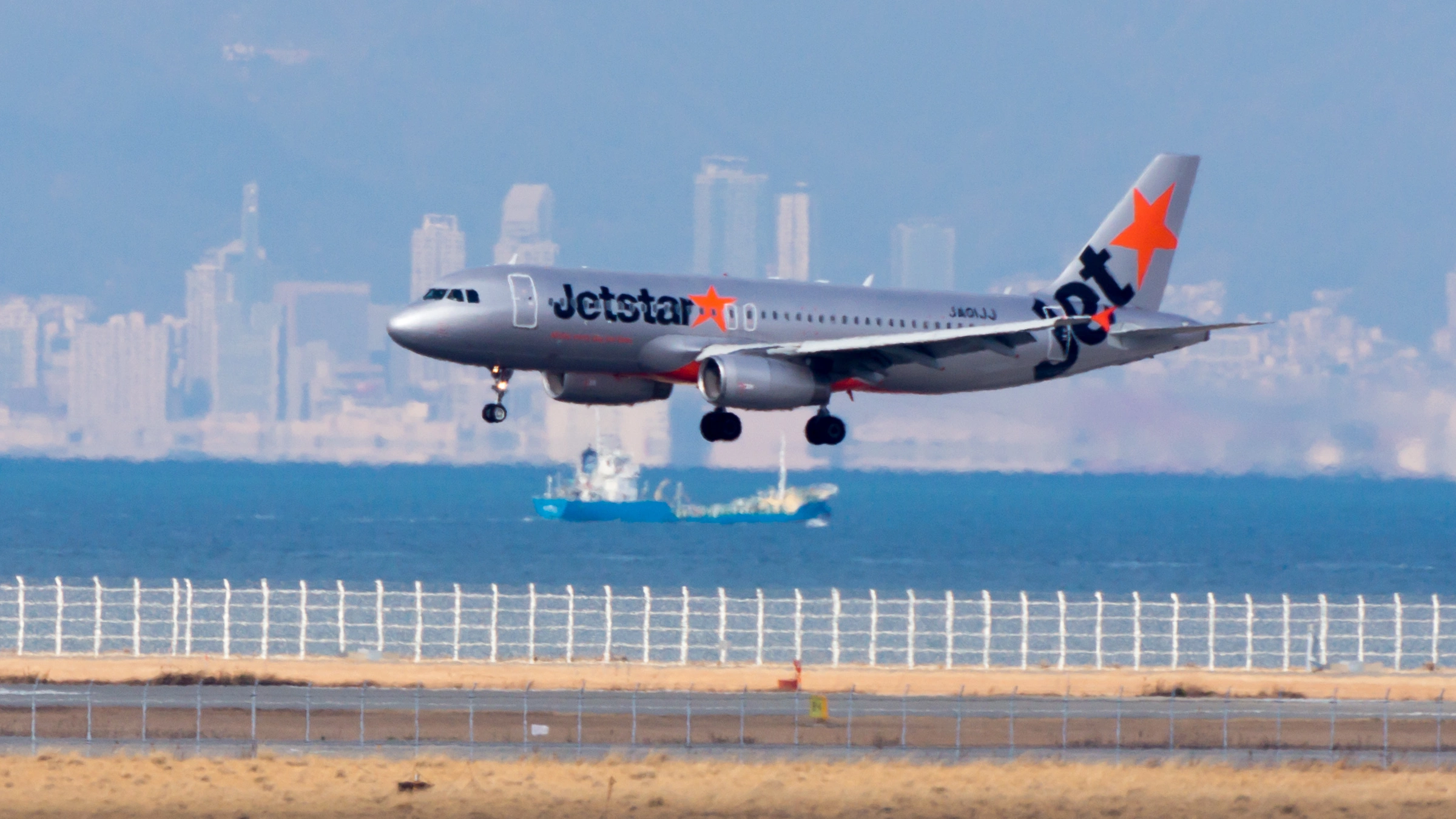
Jetstar has also been expanding internationally in 2026, launching new Asia-Pacific routes from Perth using its growing fleet of Airbus A321LR and A320neo aircraft. The contrast is notable. While Jetstar adds routes and prepares for a second Sydney airport, its home hub is struggling to staff the tower reliably enough to keep existing flights moving on schedule.
What Happens Next
The immediate priorities following the near-miss include:
- The ATSB completing its investigation using flight data, tower recordings, and any public footage submitted.
- Airservices Australia outlining a concrete recruitment and rostering plan to the federal Transport Minister’s office.
- Sydney Airport monitoring whether restricted operating hours become a recurring feature rather than a one-off measure.
- Airlines, including Jetstar and Qatar Airways, awaiting the outcome of their own internal reviews into the incident.
The wider question is whether Airservices Australia can close its staffing gap before Western Sydney International Airport opens later this year. A second major airport in the same metropolitan airspace will add complexity at a time when the existing tower is already struggling to keep pace.

.jpg)
.jpg)
.jpg)
