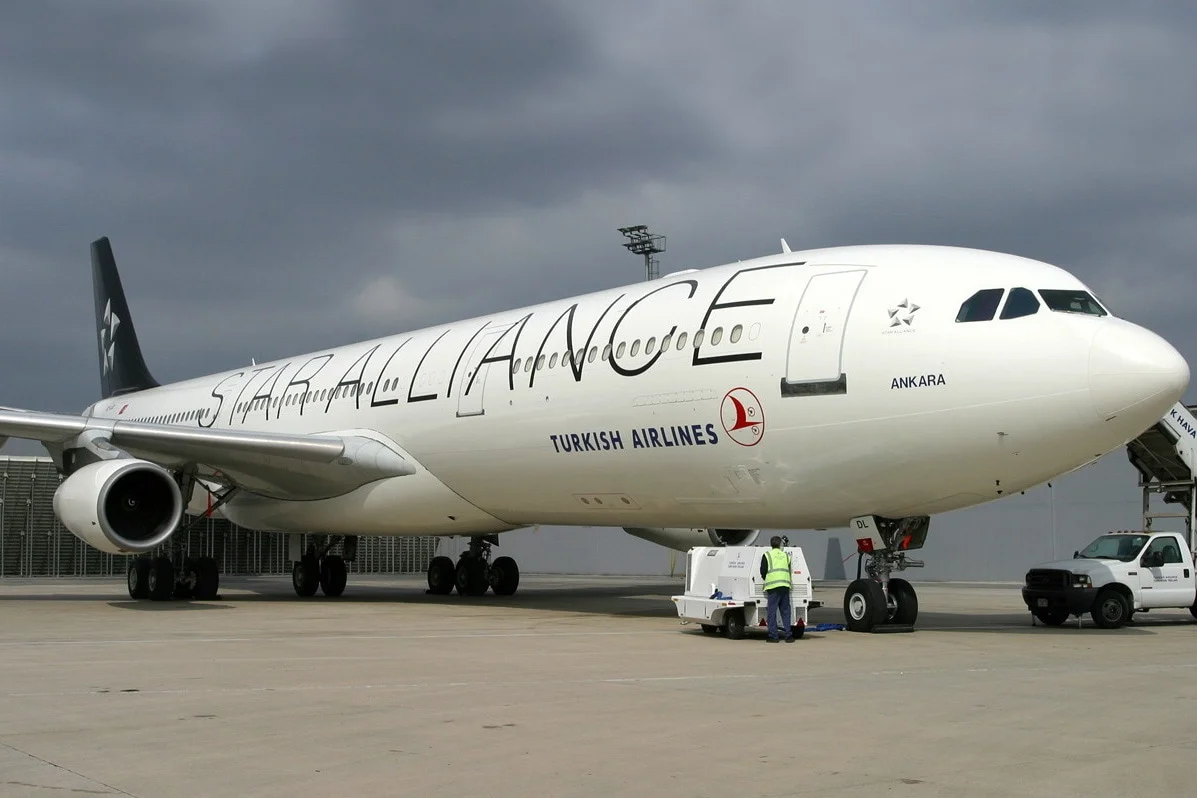
Turkish Airlines (TK) announced on Monday that it carried a record 352,715 passengers on Sunday, August 2, 2026, combining its mainline operations with its low-cost subsidiary AJet. The flag carrier of Türkiy said the figure marks the highest single-day passenger count in the group’s history, according to a report by Anadolu Agency.
The group also operated an all-time high of 2,034 flights that day once Turkish Cargo services were counted. The record comes as Turkish pushes deeper into the peak summer travel season, and it follows a separate European record set by Istanbul Airport just one day earlier.

Turkish Airlines Carries 352,715 Passengers on Record Sunday
The airline group first broke its daily passenger record on Saturday, August 1, when it transported 248,922 passengers. That figure already topped any single day in Turkish Airlines’ operating history at the time it was set.
Sunday’s total climbed higher still. The group carried 352,715 passengers combined, made up of 248,318 on Turkish Airlines mainline flights and 104,397 on AJet services.
Flight numbers followed the same pattern. Turkish Airlines and AJet operated 1,970 passenger flights on Sunday, split between 1,388 mainline services and 582 AJet departures, before Turkish Cargo flights pushed the group total to 2,034.
Istanbul Airport Also Breaks Its Own European Record
The passenger surge did not stop at the airline level. Istanbul Airport separately confirmed that it served 289,260 passengers on Saturday, August 1, its highest daily figure ever and a new record for any airport in Europe.
Turkey’s Transport and Infrastructure Minister Abdulkadir Uraloglu announced the airport figure. “Istanbul Airport has reached the highest daily passenger count of all time in Türkiye and Europe. With this figure, our Istanbul Airport has set a new record,” Uraloglu said.
The new total surpassed the airport’s previous mark of 282,835 passengers, set almost exactly a year earlier on August 2, 2025. Uraloglu added that the result confirms the hub’s growing role in global connections.
Istanbul Airport closed 2025 with 84.46 million passengers, a 5% rise from 2024, and it has set a target of 90 million passengers for 2026. The hub links to more than 330 destinations through 116 scheduled airlines.
2025 Full-Year Traffic Shows the Bigger Trend
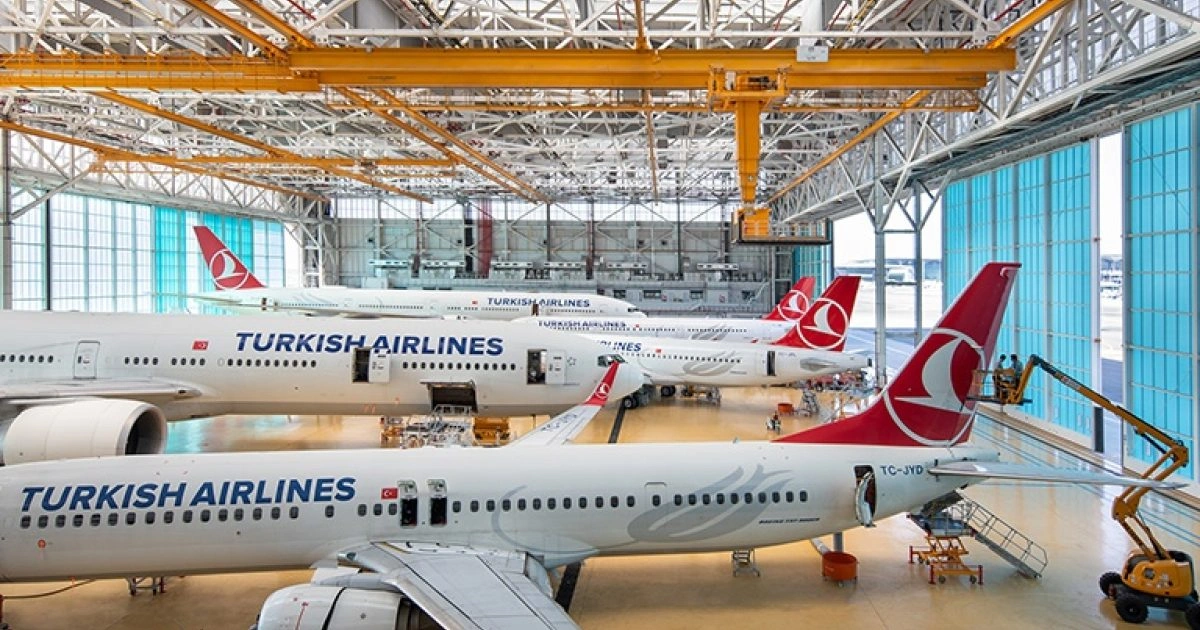
Turkish Airlines carried 92.6 million passengers across all of 2025, an 8.8% increase over 2024’s 85.2 million. International passenger traffic drove much of that growth, rising 11.3% to 60.7 million travelers.
Cargo and mail volume for the full year reached almost 2.17 million tons, up 8.4% from the prior year. The group booked $2.2 billion in profit from its main operations in 2025, with total revenue reaching $24 billion.
| Metric | January–June 2026 | Year-on-Year Change |
|---|---|---|
| Total Passengers | 44.5 million | +5.5% |
| Overall Passenger Load Factor | 83.7% | +2.3 percentage points |
| International Passengers | 29.4 million | +6.6% |
| Domestic Passengers | 15.1 million | +3.6% |
| Cargo & Mail Volume | 1.16 million tons | +13.3% |
Chairman Ahmet Bolat has framed 2026 as a shift away from the rapid expansion of the previous decade. “Our focus today is disciplined growth,” Bolat told the travel publication Skift earlier this year. “After a decade of rapid expansion, we are entering a phase where profitability, network quality, and resilience also take priority over pure scale.”
A Fleet of 563 Aircraft Backs the Push
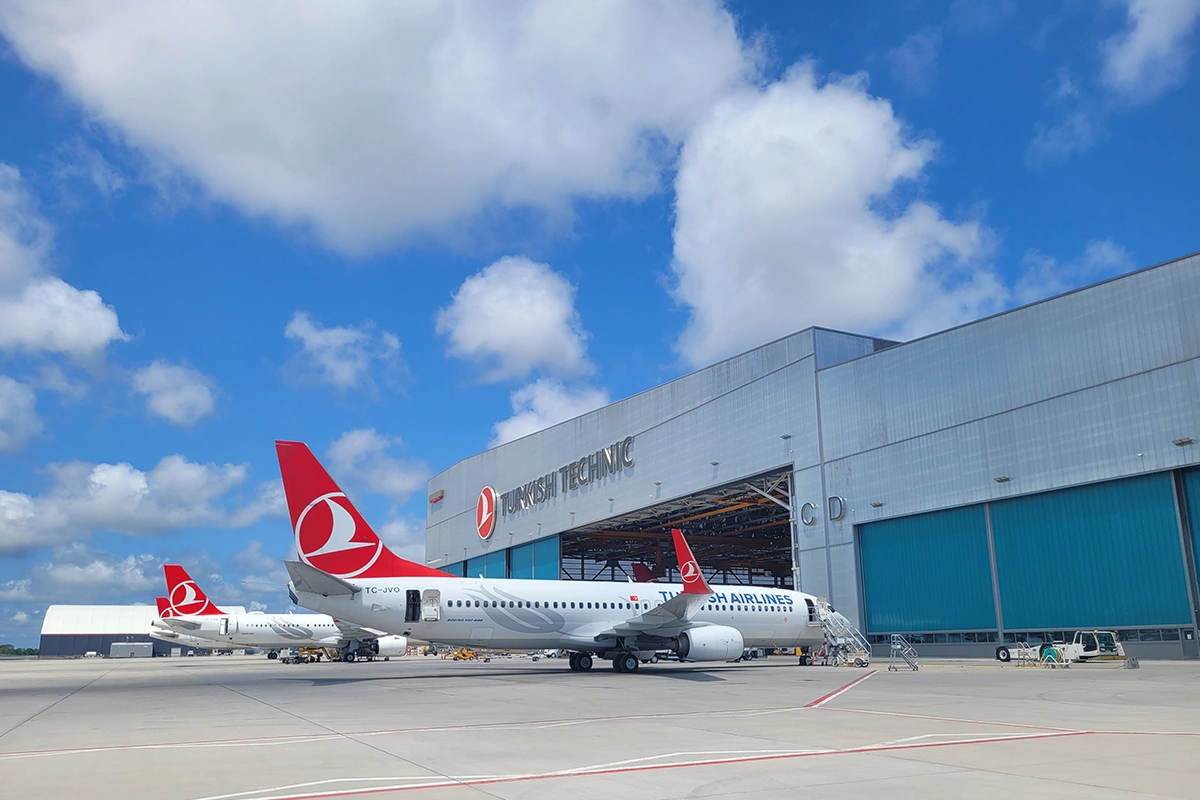
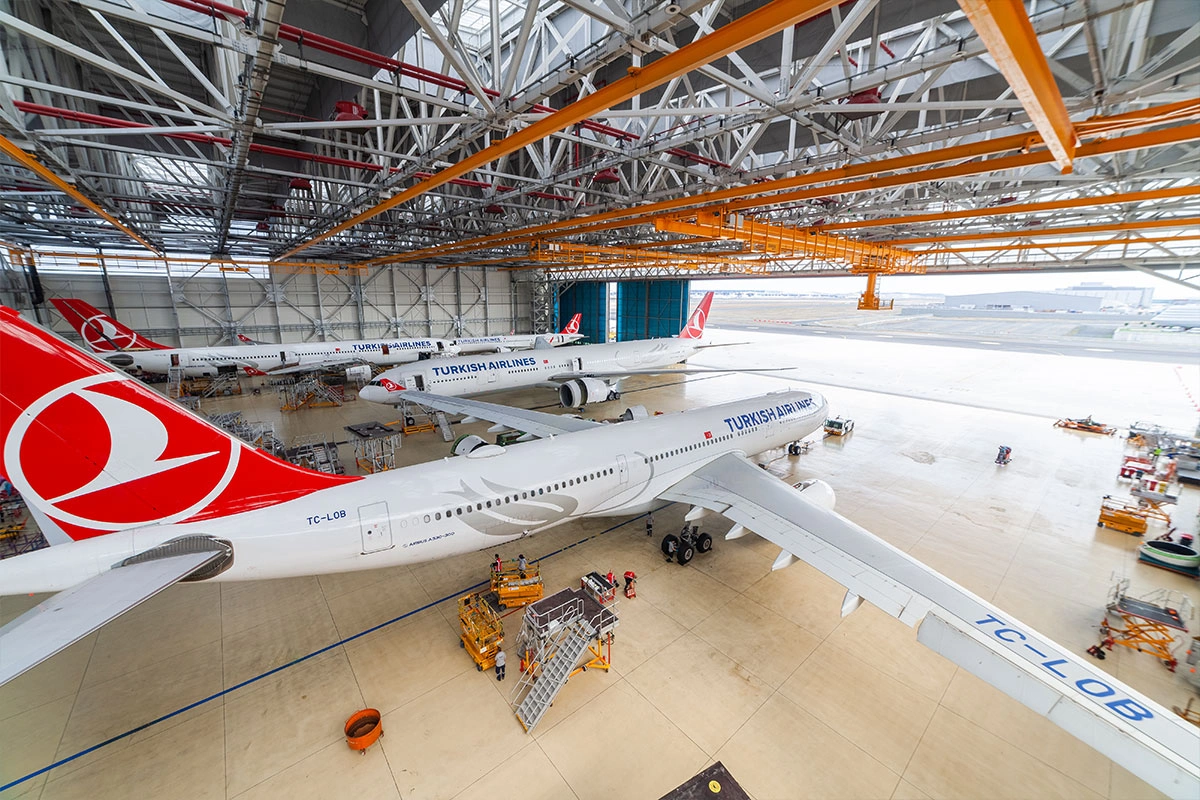
Turkish Airlines now operates a fleet of 563 aircraft, including 28 dedicated freighters. That fleet supports a network spanning 358 destinations across 133 countries, split between 53 domestic and 305 international points.
| Aircraft Type | Current Fleet | On Order | Average Age | Total Delivered |
|---|---|---|---|---|
| Airbus A319 | 6 | 0 | 15.2 years | 14 |
| Airbus A320 | 22 | 0 | 15.7 years | 56 |
| Airbus A321 | 138 | 8 | 8.9 years | 156 |
| Airbus A330 | 58 | 0 | 13.8 years | 78 |
| Airbus A350 XWB | 35 | 1 | 2.9 years | 36 |
| Boeing 737 | 85 | 1 | 10.0 years | 175 |
| Boeing 777 | 45 | 0 | 11.0 years | 54 |
| Boeing 787 Dreamliner | 27 | 0 | 4.9 years | 27 |
| Total | 416 | 10 | 9.7 years | 668 |
Data: planespotters.net
The carrier, which falls in the list of the ten biggest carriers by fleet size, is also working toward a longer-term target of roughly 813 aircraft and 171 million annual passengers by its 100th anniversary in 2033.
Comparing Turkish Airlines’ Parallel Records in 2026
Turkish Airlines said in late May that it expected to carry more than 305,000 booked passengers on a combined 1,867 flights on May 31, 2026, during the Eid al-Adha holiday rush.
That figure, described at the time as the busiest day in the group’s operational history, came despite regional turbulence. The Iran war had disrupted Middle East routes earlier in the spring, cutting regional passenger numbers by more than half in April. Turkish Airlines suspended its Istanbul-Dubai service on February 28 amid the regional conflict, then restored it on June 8 to reconnect with Dubai International Airport (DXB).
August’s numbers show that recovery has since accelerated well past the May peak. Sunday’s 352,715 passengers exceed the May 31 Eid total by close to 48,000 travelers. One has to note that the May figure reflected pre-departure bookings rather than a confirmed same-day count.
During the March 9–15 period, Istanbul Airport emerged as Europe’s busiest airport for flight operations, averaging 1,322 flights per day. The following other major European airports followed closely behind Istanbul in average daily flight movements during the same week:
| Airport | Average Daily Flights |
|---|---|
| Istanbul Airport | 1,322 |
| Amsterdam Airport Schiphol | 1,271 |
| London Heathrow Airport | 1,251 |
| Paris Charles de Gaulle Airport | 1,230 |
| Adolfo Suárez Madrid–Barajas Airport | 1,192 |
Data: Turkiye Today
Turkish Airlines’ single-day figures sit alongside a wider pattern of airlines posting record traffic in peak summer months. Ryanair, Europe’s largest low-cost carrier, reported 21.0 million passengers and more than 114,000 flights during August 2025 alone, a monthly record at the time.