Turkish Airlines (TK) has announced the resumption of its Istanbul–Dubai services starting June 8, restoring a key air link between Turkey and the UAE. The route, which had been suspended since February 28 following the outbreak of hostilities between the United States and Iran, connects Istanbul Airport (IST) with Dubai International Airport (DXB) — the world’s busiest airport by international passenger traffic, Gulf News reported. The announcement comes ahead of the Eid al-Adha holiday period, when travel demand across the UAE typically surges as residents plan overseas vacations and family trips.
The first restored service will depart Istanbul for Dubai International Airport (DXB) at 01:30 on June 9, according to information from the Turkish Airlines communications department. The restart comes at a time when airlines across the region are slowly rebuilding schedules that were previously suspended or rerouted due to safety concerns and temporary airspace closures. For a carrier that holds the Guinness World Record for flying to the most countries in the world, re-establishing this particular route carries considerable strategic and commercial weight.
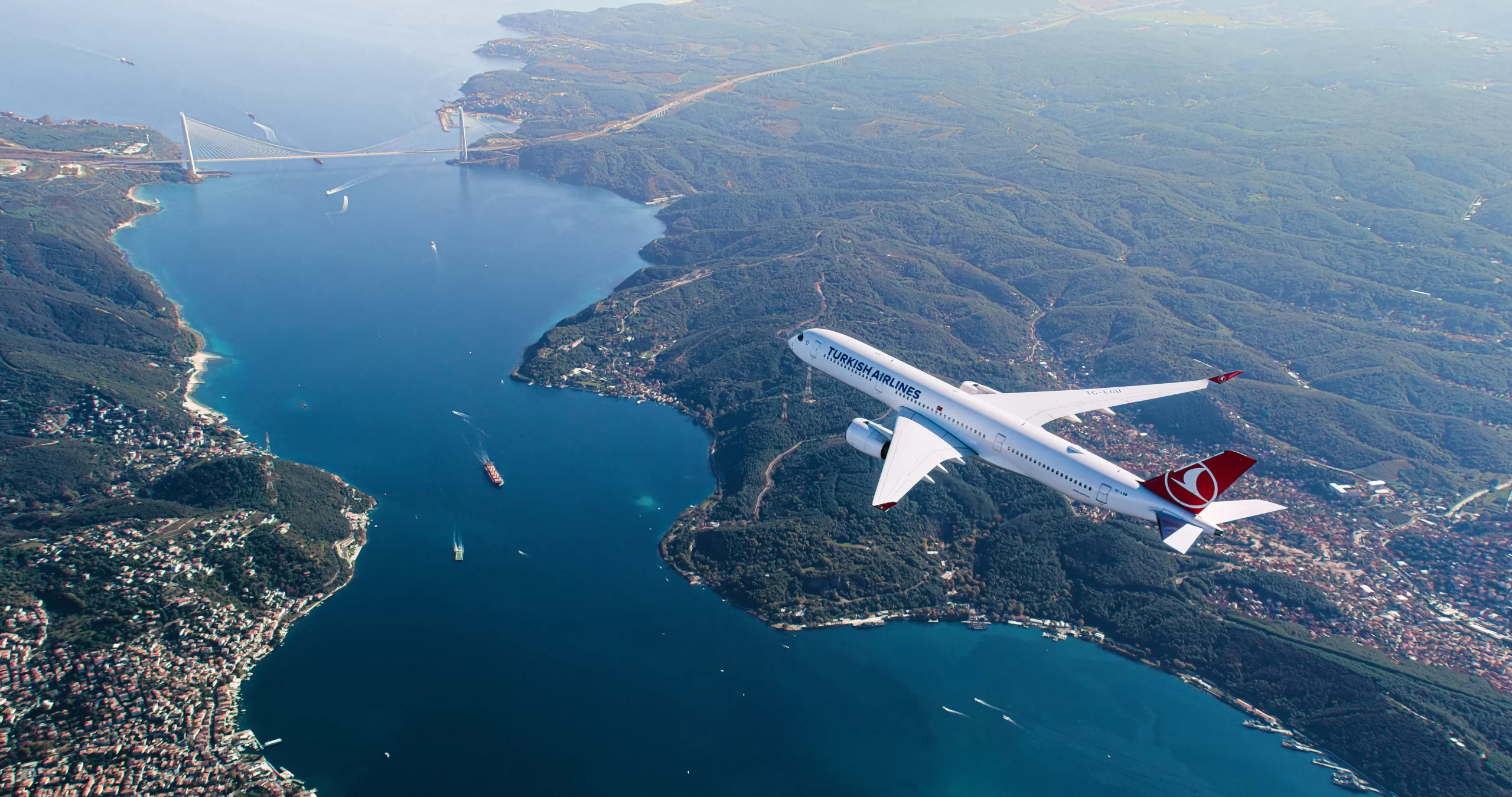
Why Turkish Airlines Suspended Dubai Flights in the First Place
Türkiye’s flag carrier Turkish Airlines said on Saturday, February 28, it cancelled flights to Lebanon, Syria, Iraq, Iran and Jordan, citing the closure of certain Middle Eastern airspace following the joint Israel–US attack on Iran, which has already seen Iranian airframes destroyed. According to Türkiye Today, the airline also cancelled flights to Qatar, Kuwait, Bahrain, the United Arab Emirates and Oman scheduled for February 28, according to Yahya Ustun, the company’s senior vice president for communications.
The war, which began with US-Israeli attacks on Iran, triggering retaliatory strikes from Tehran, caused the biggest disruption to air travel since the COVID-19 pandemic. By early March, travel data firms and aviation agencies were estimating thousands of flights cancelled or rerouted over just a few days, as airlines scrambled to redraw routes around closed corridors.
Turkey’s Transport Minister Abdulkadir Uraloglu confirmed that airspace closures continued in Iran, Israel, Iraq, Qatar, Bahrain, Kuwait and Syria, except for Aleppo, while operations in the United Arab Emirates were being managed in a controlled and limited manner.
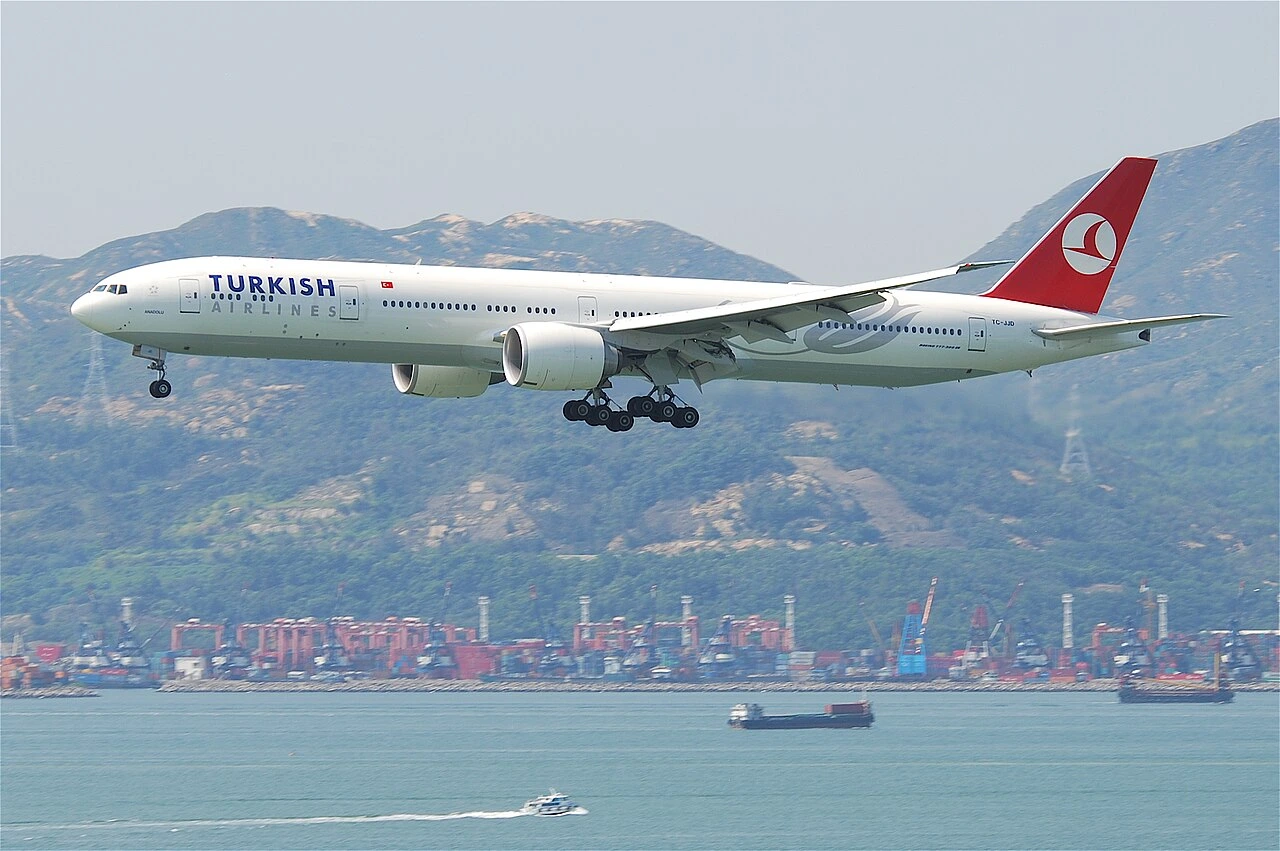
The Significance of The Istanbul–Dubai Corridor
Dubai acts as a major global hub, while Istanbul serves as a key gateway between continents. Together, the two cities form a high-demand corridor that supports both tourism flows and international trade. The numbers behind each endpoint underscore why the suspension stung as much as it did. Dubai International Airport welcomed 95.2 million guests in 2025, up 3.1% year on year, marking the busiest year in the airport’s history and the highest annual international passenger traffic ever recorded by any airport.
Dubai Airport posted the following figures:
For Turkish Airlines, restoring this route is not only about passenger demand but also about maintaining competitiveness in a highly contested Gulf aviation market. The airline competes with several regional and international carriers that operate frequent services between Türkiye and the UAE.
What Turkish Airlines Ambassador And Officials Said
In a statement shared on social media, Turkish Ambassador to the UAE Lutfullah Goktas said Turkish Airlines was “meeting in the skies over the United Arab Emirates in June” and expressed excitement over reconnecting with passengers in the country. Goktas added:
“We are delighted to share this important development with our brothers and sisters in the UAE and our dear citizens living there. Hello again, UAE!”
The ambassador highlighted that the Istanbul–Dubai flights are resuming from June 8, describing it as an important step for citizens and residents in the UAE.
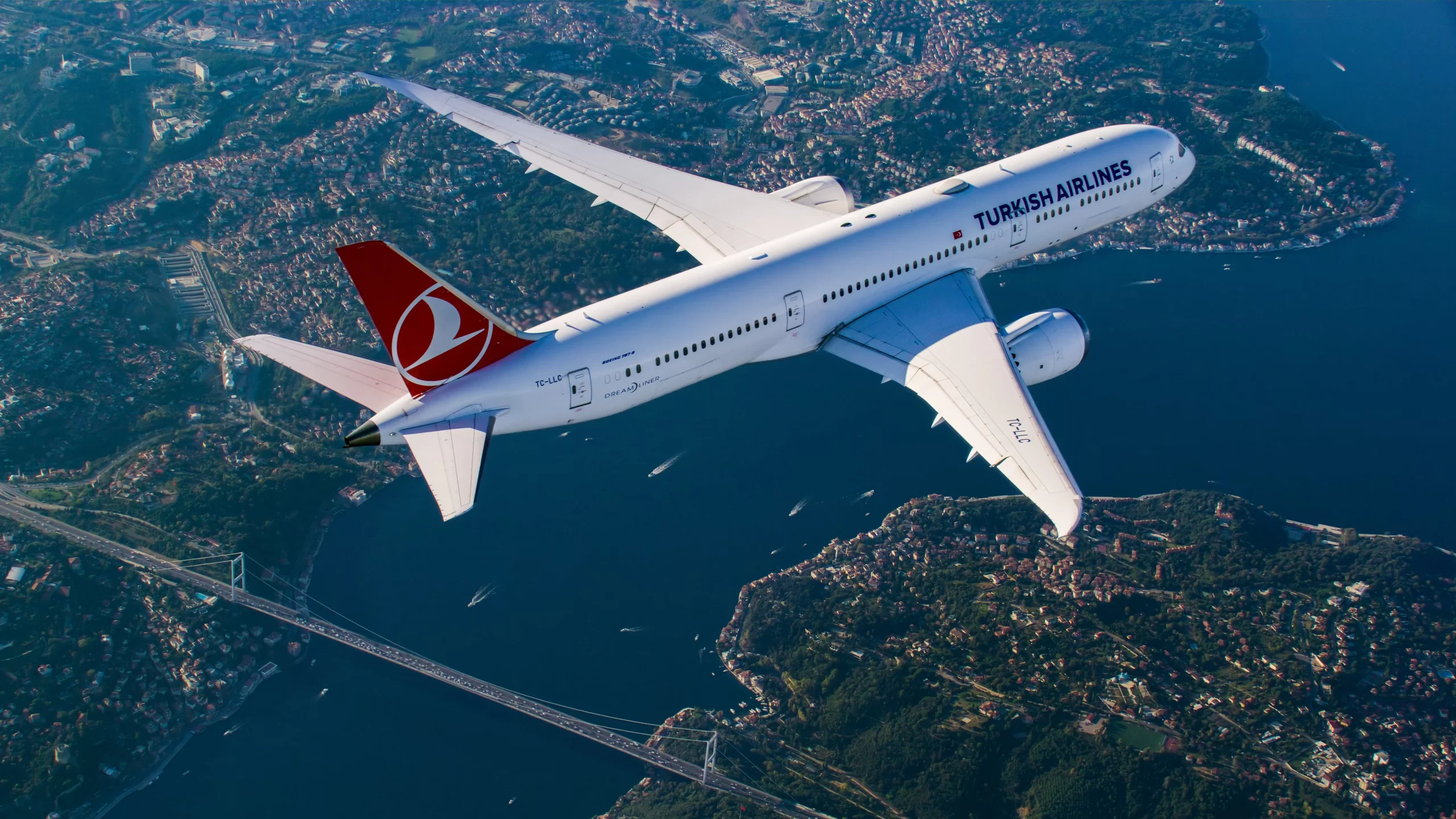
Turkish Airlines’ Broader Network Recovery: Comparing Parallel Moves
The Dubai resumption is the latest in a series of phased reinstatements that Turkish Airlines has executed as regional airspace has gradually stabilised. Turkish Airlines resumed flights to Damascus, Beirut and Amman from May 1, 2026, marking the first return of service to any of the suspended Middle East destinations since the crisis began on February 28. The carrier had previously resumed services to Aleppo in northern Syria on April 22.
Riyadh is expected to restart in mid-May, with Dubai, Doha and Tel Aviv tentatively planned from July 1, 2026 — though the June 8 date for Dubai services, as announced via Gulf News and multiple regional outlets, suggests an accelerated timeline on at least one of those fronts.
In parallel, Turkish Airlines also suspended 18 international routes in May 2026 driven by surging jet fuel prices and escalating geopolitical instability, with affected destinations spanning four continents including Juba, Kinshasa, Luanda and Havana.
The recoveries and contractions together paint a picture of a carrier executing complex triage at global scale. Turkish Airlines’ experience with route suspensions and reinstatements for geopolitical or security-related reasons is not unprecedented; a comparable pattern played out when the airline suspended service to Sulaymaniyah International Airport (ISU) in Iraq in April 2023, citing increased PKK activity, before eventually resuming the route in late 2025.
How Other Carriers Have Responded to The Middle East Crisis
Turkish Airlines is not the only carrier navigating this environment, though its pace of recovery stands out relative to several Western peers. Qatar Airways has resumed double-daily passenger flights to Abu Dhabi (AUH), the capital of the UAE, with the reintroduction expanding its UAE operations to three destinations alongside Dubai (DXB) and Sharjah (SHJ).
Qatar Airways continues to reinstate its network across the Middle East, announcing the return of passenger flights to Baghdad (BGW), Basra (BSR) and Erbil (EBL) in Iraq, starting on May 10, 2026.
By contrast, KLM has adjusted its flight schedule across the Middle East and continues to avoid flying through the airspace of Iran, Iraq and Israel, as well as parts of the Gulf, with flights to and from Riyadh, Dammam and Dubai suspended until June 28. Singapore Airlines flights to and from Dubai remain cancelled until August 2.
Cathay Pacific has extended its suspension of flights to and from Dubai and Riyadh until June 30. The divergence between Gulf-rooted carriers and their European and Asian counterparts has never been starker.
The following table gives us a cue about the state of flight resumption in the Middle East.
| Airline | Flight Resumption Status | Routes/Regions Affected | Timeline / Effective Date | Key Notes |
|---|---|---|---|---|
| British Airways | Partial resumption planned | Dubai, Doha, Riyadh | Dubai & Doha from July 1; Riyadh from May 20 | Bahrain and Amman suspended until October 25; Jeddah permanently cancelled |
| Iraqi Airways | Gradual resumption underway | Domestic Iraq routes plus Istanbul, Cairo, Amman | Phased restart after ceasefire | Operations depend on regional stability |
| Air India | Limited operations resumed | Middle East routes | Ongoing | Mix of scheduled and ad hoc flights |
| Air India Express | Limited operations resumed | Middle East network | Ongoing | Flight schedules continue to change |
| IndiGo | Flights resumed | Doha and Dubai | Already resumed | More than 60 weekly flights restored |
| Turkish Airlines | Flights resumed | Damascus, Beirut, Amman | Resumed from May 1 | Flexible rebooking policy remains active |
| KLM | Flights still suspended | Dubai, Riyadh, Dammam | Suspended until June 28 | Avoiding Iran, Iraq and Israel airspace |
| Lufthansa | Multiple suspensions continue | Dubai, Abu Dhabi, Riyadh, Beirut, Tehran and others | Dubai until July 11; others until October 24 | Tel Aviv suspended until June 30 |
| American Airlines | Limited operations with travel alerts | Doha, Tel Aviv | Ongoing | Flexible booking changes allowed |
| United Airlines | Limited regional operations | Dubai, Tel Aviv | Tel Aviv suspended until at least September | Dubai flights affected by disruptions |
| Royal Jordanian | Operations continuing | Jordan network | Ongoing | Free changes and rerouting available |
| Air France | Suspensions extended | Dubai, Beirut, Riyadh, Tel Aviv | Riyadh until May 19; others until May 27 | Resumption depends on security conditions |
| Swiss | Flights suspended | Dubai, Abu Dhabi, Beirut, Riyadh and others | Dubai until July 11; others until October 24 | Part of Lufthansa Group restrictions |
| Finnair | Flights cancelled | Doha | Cancelled until July 2 | Also avoiding Iraq, Iran, Syria and Israel airspace |
| Cathay Pacific | Suspensions extended | Dubai, Riyadh | Suspended until June 30 | Ticket waiver policy introduced |
| Singapore Airlines | Flights suspended | Dubai | Suspended until August 2 | Passengers being reaccommodated |
| Philippine Airlines | Flights cancelled | Doha, Dubai | Doha until June 30; Dubai until August 2 | Airline cited safety concerns |
| Etihad Airways | Operations resumed partially | Wider Middle East network | Ongoing | Operating reduced timetable |
| Emirates | Large-scale operations restored | 137 destinations in 72 countries | Ongoing | Gradually rebuilding network |
| Flydubai | Flights operating with delays | Regional network | Ongoing | Longer flight times due to rerouting |
| Air Arabia | Limited operations resumed | Sharjah, Abu Dhabi, Ras Al Khaimah | Ongoing | Limited number of flights operating |
| Qatar Airways | Phased network restoration | Baghdad, Basra, Erbil, Dubai, Sharjah | Iraq routes resumed May 10 | Network expected to exceed 150 destinations by June 16 |
| Oman Air | Most flights operating | Regional network | Ongoing | Some routes still affected |
| SalamAir | Partial suspensions remain | Iran, Iraq, Lebanon, Kuwait, Qatar | Iran until August 31; others until May 30 | Some flights still changing |
| Gulf Air | Gradual network restoration | London, Dubai, Istanbul, Riyadh and others | Expanding through May and June | More than 50 destinations expected by June |
| Saudia | Partial resumption underway | Dubai, Abu Dhabi, Amman | Ongoing | Limited daily flights operating |
| Flynas | Flights resuming gradually | Damascus, Maldives | Maldives resumes June 20 | Damascus routes already restarting |
| Kuwait Airways | Limited operations resumed | Dubai, London, Cairo, Mumbai and others | Restarted from April 26 | Kuwait Airport reopened gradually |
Data: The National
What The Resumption Means For Travellers And The Region
The resumption of flights is expected to benefit both inbound and outbound tourism. Dubai remains a popular destination for travelers from Türkiye due to its shopping, luxury tourism and entertainment offerings, while Istanbul attracts visitors interested in its cultural heritage and strategic location.
Business travel rebounds as frequent business commuters can finally re-book regular flights between Istanbul and Dubai, and transit passengers benefit as Dubai’s major hubs open smoother connections to Asia, Africa and beyond.
The return of regular flights also improves onward connectivity, as both Istanbul and Dubai serve as major transfer hubs linking passengers to hundreds of destinations worldwide. Despite previous disruptions, UAE airspace is now fully operational, enabling carriers to operate direct routes without extended detours or airspace limitations. Travellers are nonetheless advised to verify booking status and departure times directly with Turkish Airlines ahead of travel.
Air connectivity supports trade, investment and tourism flows between Türkiye and the UAE, two economies with strong commercial ties. Cargo operations in particular benefit from restored passenger flight capacity, as many airlines use belly cargo space to transport goods between regions.
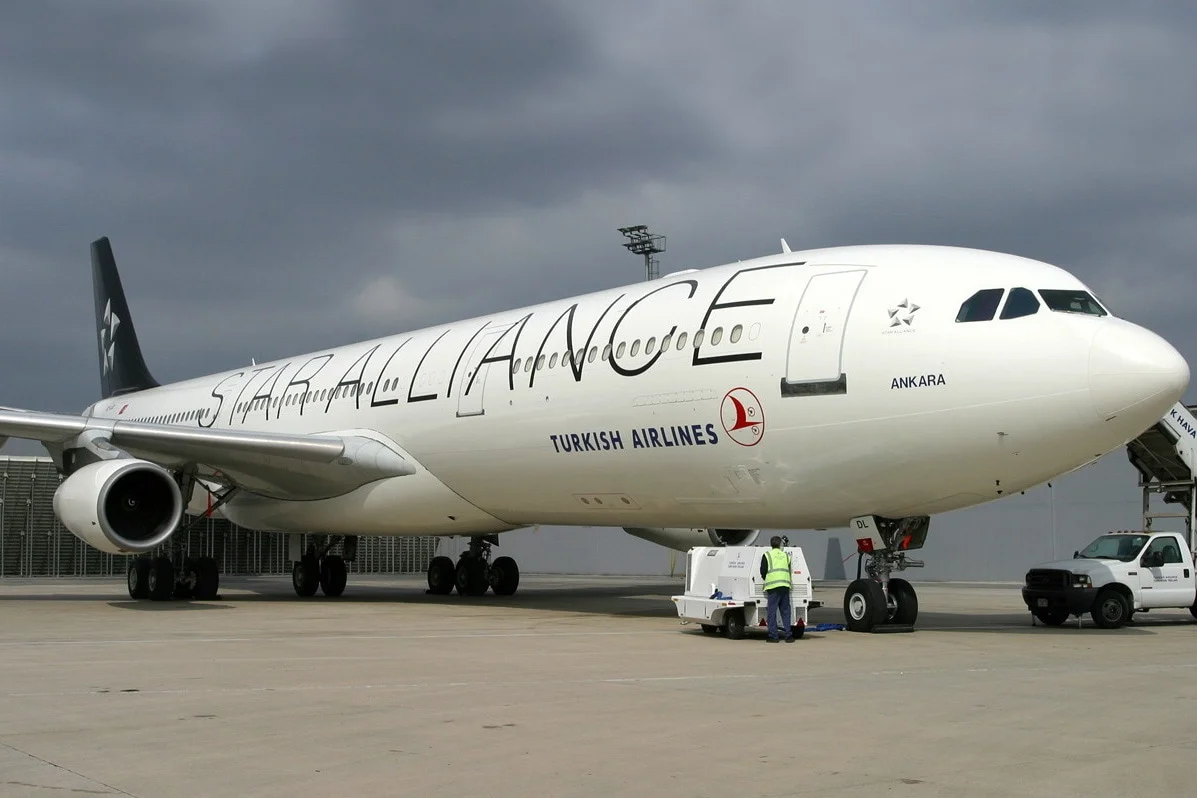
Turkish Airlines’ Global Stature Frames the Stakes
Understanding the significance of the Dubai route requires some appreciation of Turkish Airlines’ overall scale. The airline serves more destinations non-stop from a single airport than any other airline in the world and flies to 131 countries, more than any other airline.
In 2025, Turkish Airlines was set to undertake over 378,000 flights, averaging more than a thousand a day, offering more than 76 million seats across more than 350 destinations in over 130 countries.

Meta Description: Turkish Airlines (TK) has confirmed the resumption of direct flights between Istanbul Airport (IST) and Dubai International Airport (DXB) from June 8, 2026 — ending a nearly three-month suspension caused by the US-Iran war and sweeping Gulf airspace closures. With Turkey-to-Dubai passenger traffic having grown 6.7% in 2025 to 2.2 million travellers, and DXB already handling a record 95.2 million passengers last year, the timing — days before Eid al-Adha — is acutely commercial. Turkish Ambassador to the UAE Lutfullah Goktas publicly celebrated the news, saying “Hello again, UAE!” The resumption makes Turkish Airlines one of the faster-moving international carriers to restore Gulf services, even as Western peers like Singapore Airlines suspend Dubai operations until August and Cathay Pacific holds off until late June. The first flight departs at 01:30 on June 9.