Iran has confirmed that more than 20 passenger aircraft sustained significant damage during recent US–Israeli strikes, according to the Iranian Airlines Association, as officials move to counter inflated estimates circulating in international media.
Speaking on April 19, the association’s chief Maqsoud Asadi Samani said the number of affected aircraft does not exceed 20 and stressed that roughly 95% of Iran’s airport infrastructure remains operational, Yeni Safak reported. The strikes, which began on February 28, have disrupted aviation activity but stopped short of crippling the country’s civil aviation network.
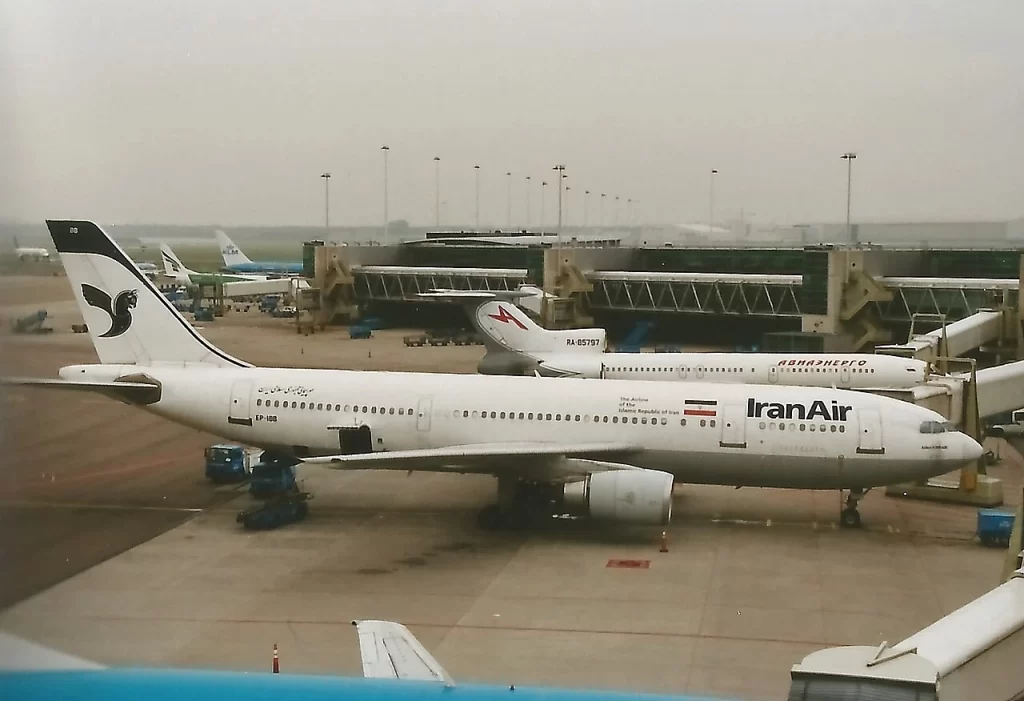
Damage to Iran’s Passenger Fleet
Samani clarified that earlier reports suggesting between 40 and 60 aircraft were damaged “do not reflect reality,” offering a more restrained assessment of the impact on Iran’s aviation assets. In comments carried by Anadolu Agency, he reiterated that the confirmed figure stands at just over 20 aircraft.
Before the strikes, Iran operated a total fleet of 250 to 300 passenger aircraft, though only about 150 were in active service due to technical and maintenance limitations. “After removing the damaged aircraft, we now have 130 active planes,” Samani said, linking the operational decline directly to the number of aircraft affected.
This contraction underscores the fragility of Iran’s aviation sector, which has long operated under sanctions that restrict access to spare parts and new aircraft acquisitions.
Operations Status of Iranian Airports
Despite the attacks, authorities maintain that the country’s airport network remains largely functional. Samani stated that approximately 95% of airport capacity has been preserved, allowing core operations to continue without systemic disruption.
However, reporting from Al Jazeera indicates that several aviation facilities experienced localized damage during the strikes, including infrastructure at key urban airports. These disruptions, while not widespread, have introduced operational constraints and heightened safety considerations.
The ability to maintain airport functionality has been critical in ensuring continuity of essential domestic flights and limited international operations amid a volatile security environment.
Aviation Impacts due to US Israel strikes
During some point in the conflict, Iran was able to strike United States Air Force (USAF)’s F-15 and A-10 Warhog. The rise in aviation fuel prices due to the war has affected countries like Nepal where passenger traffic has shot down by half. Korean budget carriers also canceled some routes in the Middle East due to the conflict.
The broader aviation fallout extends beyond Iran’s borders, with significant implications for regional and global air traffic flows. According to coverage by PBS NewsHour, multiple Middle Eastern countries temporarily restricted airspace access in the immediate aftermath of the strikes, forcing airlines to reroute flights and suspend services, and a number of casualties were also reported at certain airports due to a strike in February:
| Airport Name | City | Country | Incident Type | Fatalities | Injured |
|---|---|---|---|---|---|
| Dubai International Airport (DXB) | Dubai | United Arab Emirates | Missile strike | 0 | 4 |
| Zayed International Airport (AUH) | Abu Dhabi | United Arab Emirates | Drone strike | 1 | 7 |
| Kuwait International Airport (KWI) | Kuwait City | Kuwait | Reported strikes | Not reported | Not reported |
Such disruptions have increased flight times, elevated fuel consumption, and introduced logistical complexities for carriers operating between Europe and Asia. The situation also highlights the vulnerability of critical aviation corridors to geopolitical shocks.
A Pakistan-mediated ceasefire announced on April 8 has provided temporary relief, though tensions remain elevated ahead of further diplomatic talks scheduled in Islamabad. The outcome of these negotiations could influence the stability of regional airspace in the near term.
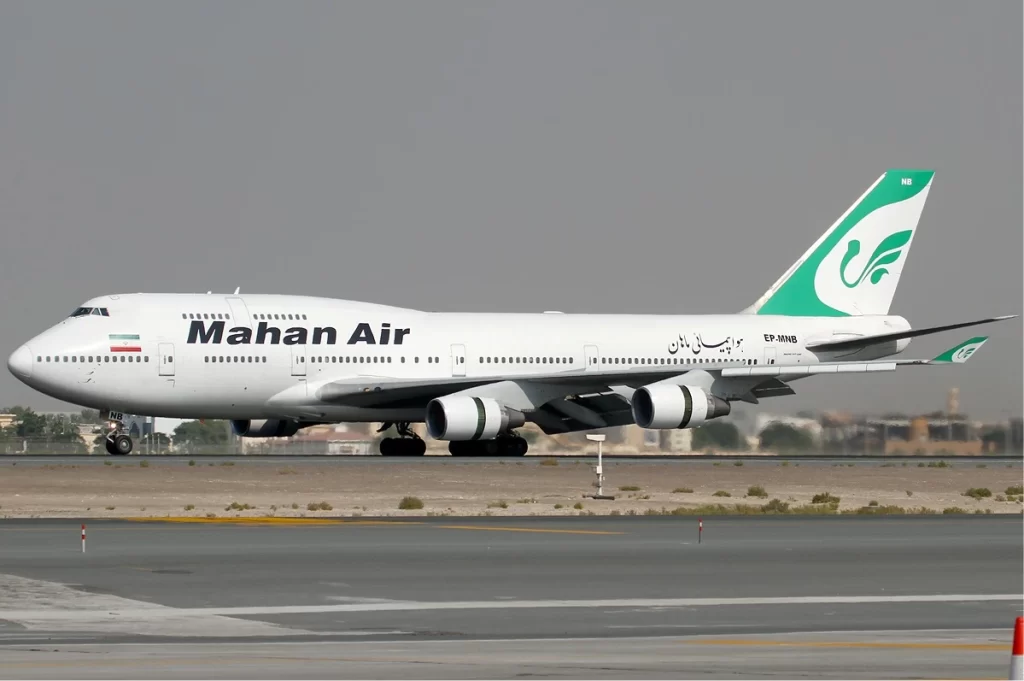
All in All
The damage to over 20 passenger aircraft represents a material setback for Iran’s already constrained fleet, even if authorities emphasize that the scale remains limited. The incident reinforces longstanding concerns about the exposure of civilian aviation infrastructure during military conflicts.
While officials stress resilience in maintaining airport operations, the loss of active aircraft capacity may have longer-term implications for connectivity and fleet modernization. For the global aviation industry, the episode serves as a reminder that geopolitical instability continues to pose systemic risks to air transport networks.

.jpg)
