Nepal’s domestic aviation sector is reeling as jet fuel prices that have doubled and this has forced airlines to raise fares, triggering a sharp drop in passenger demand across key routes from Kathmandu, the city that houses Nepal busiest airport- Tribhuvan International Airport (TIA). Major operators, including Buddha Air (U4) and Shree Airlines (SHA), report steep declines in daily traffic and widespread flight cuts during the peak travel season.
The crisis follows a historic hike in aviation turbine fuel (ATF) prices by Nepal Oil Corporation, pushing operating costs to unprecedented levels. Airlines say the combined impact of rising fuel costs and weakening demand is threatening profitability and forcing the industry into survival mode.

Demand Slumps across Nepalese Airports
Domestic carriers have witnessed a rapid fall in passenger numbers after ticket prices surged in response to rising fuel costs. Buddha Air (U4), Nepal’s largest private airline, reported a daily drop of around 1,500 passengers, down from an average of 8,000, The Kathmandu Post reported. The same publication also noted that the airline has already reduced at least 25 percent of its daily flights due to weak occupancy levels.
According to data from planespotters.net, Buddha Air has a fleet of sixteen aircraft (two ATR 42s and fourteen ATR 72s) and these average twenty years.
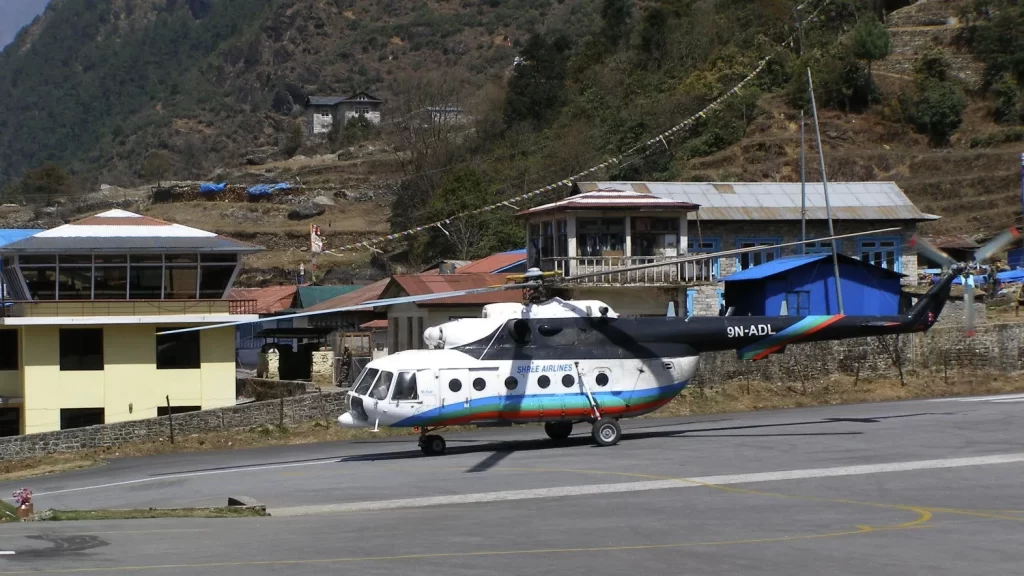
Similarly, Shree Airlines (SHA) has seen passenger movement fall by 30–40 percent. The airline’s daily traffic has dropped from roughly 3,000 to about 2,000 passengers, highlighting the depth of the downturn.
Shree Airlines corporate director Anil Manandhar said the decline in passenger traffic was particularly significant during the peak travel season. He attributed the downturn to higher fuel prices, which he said had affected not only domestic air travel but also the wider tourism industry.
Cost Pressures Rise for Nepalese Airlines
Fuel costs have become the dominant financial burden for airlines, reshaping the economics of domestic aviation in Nepal. Aviation fuel now accounts for nearly 50 percent of total operating expenses, up from 25–30 percent previously.
The spike follows aggressive price revisions by Nepal Oil Corporation, which raised ATF rates to record highs in early April. Prices for international carriers surged to $1,716 per kilolitre, while domestic rates nearly doubled to Rs257 per litre after consecutive hikes.
| Category | Previous Price | New Price | Change |
|---|---|---|---|
| ATF – International airlines (Kathmandu) | $965 approx (derived earlier baseline not stated) | $1,716 per kilolitre | +77.63% |
| Previous international peak | $1,645/kL (June 19, 2022) | — | New record broken |
| ATF – Domestic airlines | Rs 190/litre | Rs 251/litre | +97.63% |
| Latest revision (April 9) | Rs 251/litre | Rs 257/litre | +Rs 6/litre |
| Previous domestic peak | Rs 190/litre (Sept 1, 2022) | — | Surpassed |
Data: The Kathmandu Post
Officials attribute the increase to global supply constraints and elevated demand linked to geopolitical tensions in West Asia. The depreciation of the Nepali rupee against the US dollar has further compounded the situation by increasing the cost of aircraft spare parts and maintenance.
Airlines now face a dual challenge: sharply rising costs and declining revenues. This imbalance is eroding profit margins and limiting their ability to sustain operations at current levels.
Fares Have Doubled on Some Routes
Airlines have begun adjusting fares in line with regulatory provisions that require fuel surcharge revisions when prices fluctuate significantly. On major routes such as Kathmandu–Dhangadhi, ticket prices have risen sharply, with upper fares exceeding Rs22,000 one way.
Even on shorter routes like Kathmandu–Simara, fare increases have made air travel less accessible to price-sensitive passengers. As a result, many travelers are opting for alternative modes of transport. The following table gives us a scale of the price hikes:
| Route | Current Fare | Fuel Surcharge Increase |
|---|---|---|
| Kathmandu–Dhangadhi | Rs 22,270 | Rs 5,480 |
| Kathmandu–Simara | Rs 5,099 | Rs 1,140 |
Despite modest growth in 2025, when domestic airlines carried a record 4.56 million passengers, the current trajectory signals a potential reversal. Infrastructure constraints, slow tourism recovery, and external cost pressures are now weighing heavily on the sector.
Aviation stakeholders caution that prolonged high fuel prices could lead to deeper capacity cuts, route rationalisation, and financial strain across the industry. If the trend continues, the ripple effects may extend beyond airlines, impacting tourism, trade, and the broader Nepali economy.
With uncertainty looming, Nepal’s aviation sector faces a critical period where cost control, demand recovery, and policy support will determine its near-term stability.


-070A2336.jpg)

