Nepal has doubled its aviation fuel prices, triggering immediate concern across the country’s aviation sector as authorities attempt to safeguard supply amid escalating tensions linked to the Iran war.
The price revision directly affects flights operating from Tribhuvan International Airport (KTM), Pokhara International Airport (PKR), and Gautam Buddha International Airport (BWA). Airlines including Nepal Airlines (RA) and Buddha Air (U4) now face significantly higher operating costs as the government prioritizes fuel security over price stability.
The move comes as Nepal Oil Corporation seeks to maintain uninterrupted fuel imports from its primary supplier, Indian Oil Corporation.

Fuel Price Surge Across Nepal
Nepal Oil Corporation raised aviation turbine fuel prices by 84.7 percent for international flights from Kathmandu. The increase is even steeper for regional airports, with rates climbing by 116.2 percent in Pokhara and 117.4 percent in Bhairahawa.
The corporation stated that it must ensure timely payments to Indian suppliers to prevent disruptions. Officials warned that delays or defaults could threaten Nepal’s already fragile fuel supply chain.
The sharp price hike highlights Nepal’s dependence on imported fuel and its vulnerability to geopolitical instability. The Iran conflict has intensified concerns over global supply routes, pushing smaller economies like Nepal to act swiftly.
Due to this price hike, Indigo (6E), the biggest carrier in India, also increased in fuel surcharge by more than $100 on some routes.
The Civil Aviation Authority of Nepal (CAAN) said domestic airfares had increased by as much as 50% amid the surge in aviation fuel prices, Reuters reported. CAAN spokesperson Gyanendra Bhul attributed the sharp increase to the abnormal situation and said it would put additional pressure on passengers, while fares were expected to fall once fuel prices declined.
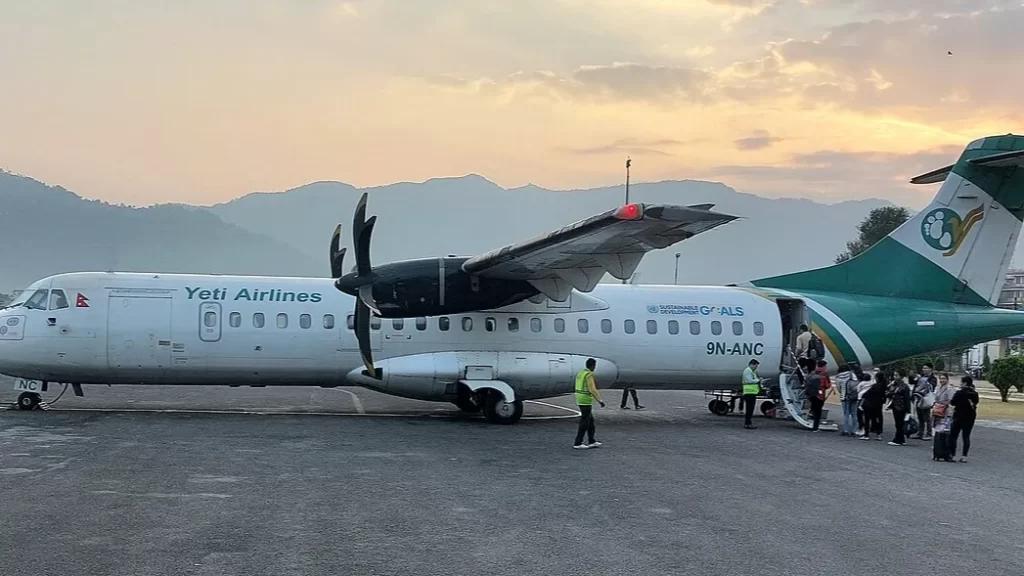
Impact of Fuel Hikes on Nepalese Airlines
Airlines have begun adjusting fares in response to the sudden spike in operating costs. One industry insider who talked to aviospace.org on conditions of anonymity expected ticket prices to rise significantly, particularly on international routes where fuel expenses form a major cost component.
Domestic carriers are also under pressure as increased fuel prices strain already thin profit margins. Some operators may reduce flight frequencies or reconsider less profitable routes if high costs persist.
The timing is critical as Nepal’s tourism sector has been showing signs of recovery. Higher airfares could dampen travel demand, especially among price-sensitive passengers. According to the Civil Aviation Authority of Nepal, the country’s domestic airlines carry over four million passengers annually.
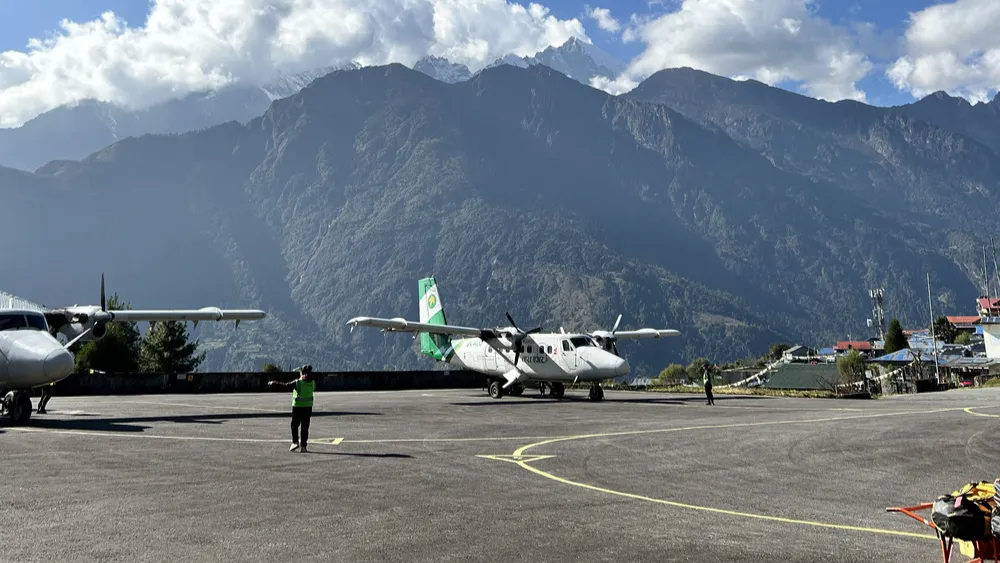
Supply Security Focus
Government officials defended the decision, emphasizing the need to ensure continuous fuel availability. They stated that maintaining supply stability remains a top priority amid uncertain global conditions.
The Iran war has disrupted market confidence and raised fears of supply bottlenecks across multiple regions. Nepal’s reliance on a single major supplier further amplifies these risks.
Manoj Kumar Thakur, spokesperson for the state-owned Nepal Oil Corporation (NOC), said aviation fuel prices had risen as Nepal, a landlocked country, remains heavily dependent on India for petrol, diesel and LPG supplies. He urged consumers to reduce fuel use as the main way to manage the pressure on supplies and prices.
Authorities acknowledged the impact of higher fuel costs on airlines and passengers but defended the measures as necessary to manage the supply situation. They indicated that fuel prices could be revised again if global market conditions stabilize.
The fuel crisis also influenced the government’s decision to introduce a two-day weekend for government offices and academic institutions. Government spokesperson Sasmit Pokharel said the Saturday-Sunday closure was partly intended to reduce fuel consumption amid the difficult supply situation.
In an effort to curb panic buying, Nepal last month introduced the sale of partially filled cooking gas cylinders while urging citizens to reduce fuel consumption.

-070A2336.jpg)
