Iran’s air defenses shot down a United States Air Force F-15E Strike Eagle over its own territory on April 3, 2026, then struck an A-10 Thunderbolt II near the Strait of Hormuz hours later, according to a report by The New York Times. Both losses occurred during the 2026 Iran war, as US forces expanded strike and patrol missions across Iranian airspace and the Persian Gulf. The F-15E crew ejected inside Iran, while the A-10 pilot came down closer to the Gulf.
The F-15E belonged to the 494th Fighter Squadron, forward-deployed from RAF Lakenheath in England, and both members of its crew ejected safely on the ground. The A-10 had been flying maritime interdiction patrols against Iranian fast-attack boats in the strait when it took fire. The dual loss set off a rescue effort that stretched across a weekend before every airman made it home safely.
How The F-15E Went Down Over Iranian Territory
The F-15E, call sign Dude 44, was on a combat sortie over Iran when it was hit. Air Force Gen. Dan Caine, chairman of the Joint Chiefs of Staff, told reporters the pilot and weapons systems officer had both safely ejected and were isolated behind enemy lines soon afterward. Analysts pointed to Iran’s Bavar-373 mobile system, a Russian-made S-300, or a shoulder-fired infrared missile as possible causes, though the exact weapon was never officially confirmed.
Wreckage matching the squadron’s markings later surfaced in photographs from central Iran, showing the unit’s red tail band and a recovered ejection seat. The pilot, call sign Dude-44 Alpha, was pulled to safety within hours. The weapons systems officer, Dude-44 Bravo, spent nearly two days evading capture in rugged terrain while Iranian officials reportedly offered a reward for his capture.
The Rescue Operation That Brought Both Airmen Home
More than 170 aircraft took part in the mission to recover the F-15E crew. A strike package of ten A-10 Thunderbolt IIs escorted helicopters into Iranian airspace to protect the operation, while two HH-60W Jolly Green II helicopters took ground fire and sustained damage, injuring several crew members.
The CIA also ran a deception campaign inside Iran, spreading word that the missing officer had already been located and moved for exfiltration to confuse Iranian search efforts. Special operations forces reached the airman roughly 48 hours after the shootdown and extracted him along with the rescue team. Trump called the mission “an Easter miracle” in a message to reporters, adding that the wounded colonel was safe. Israel also assisted with the rescue operation, according to a report cited by Fox News, though the exact nature of that support was not detailed publicly.
The same day also saw two unrelated emergencies in the region. A USAF F-16 Fighting Falcon squawked a general emergency code over Saudi Arabia near the Iraqi border, and a KC-135 Stratotanker did the same over Israel hours later. Neither aircraft was confirmed to have been hit, but the back-to-back alerts underscored how strained regional air operations had become that day.
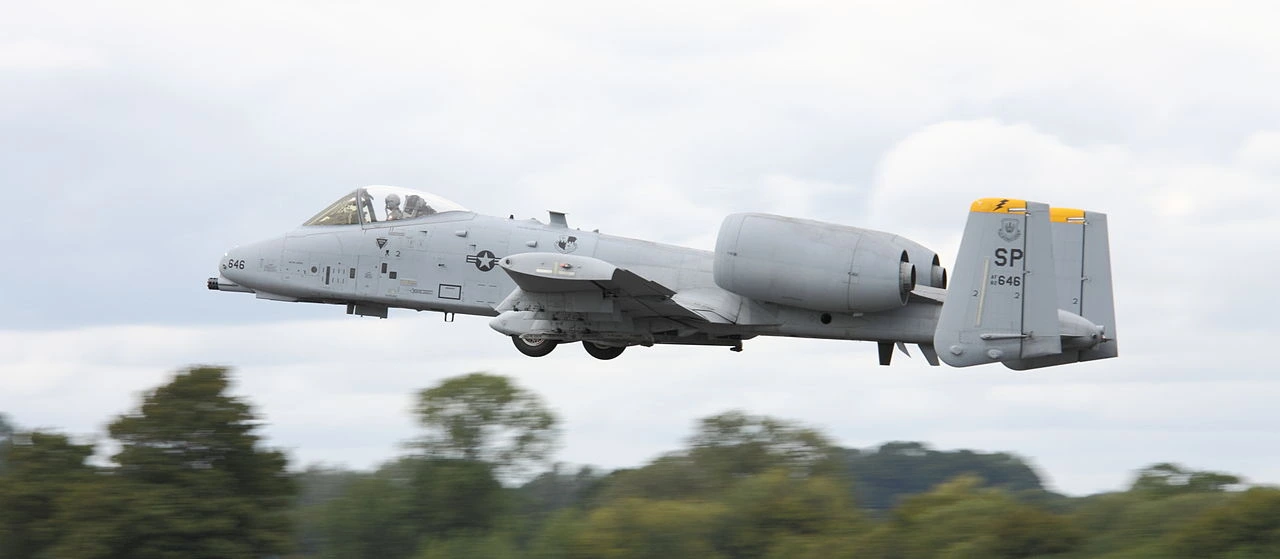
A-10 Mission Role
The exact mission of the A-10 at the time of the crash remains unconfirmed by defense authorities. However, the aircraft type is widely used for:
- close air support
- armed overwatch
- precision strikes against ground
- maritime threats
Given the timing, analysts suggest the aircraft may have been supporting the rescue mission or conducting parallel operations in the area. The A-10’s ability to operate in contested environments makes it a frequent choice for missions over high-risk zones.
Alternatively, the aircraft may have been part of routine patrol or strike operations, as multiple US assets operate continuously over the Strait of Hormuz. The region sees constant aerial surveillance and rapid-response readiness due to its strategic importance.
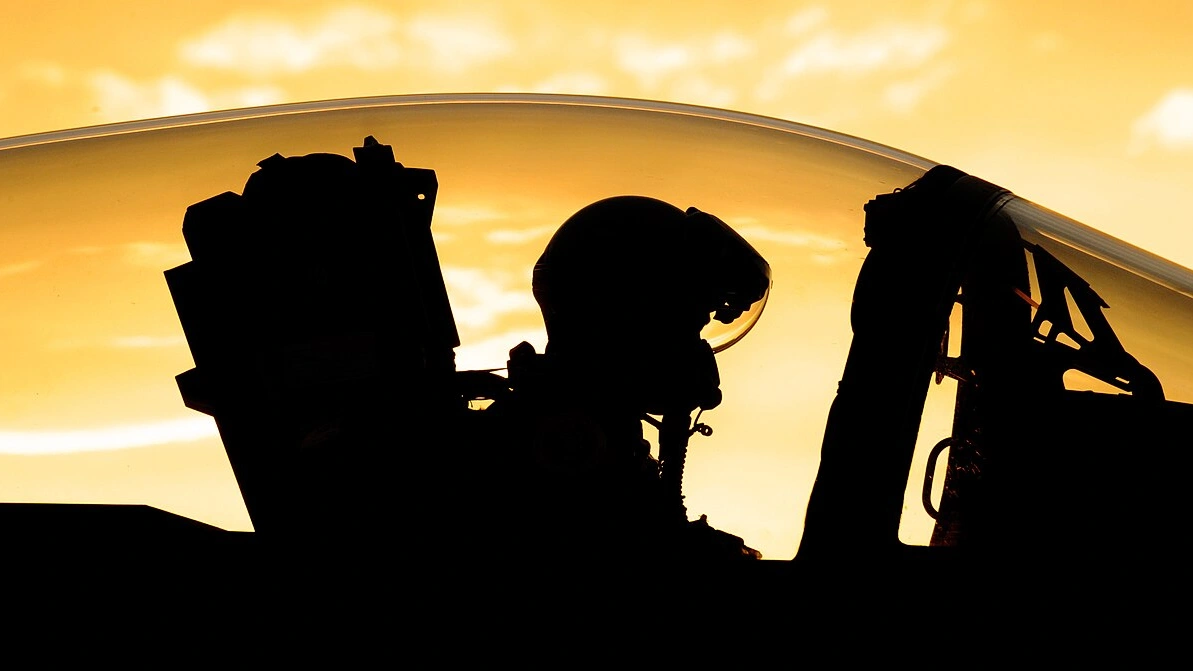
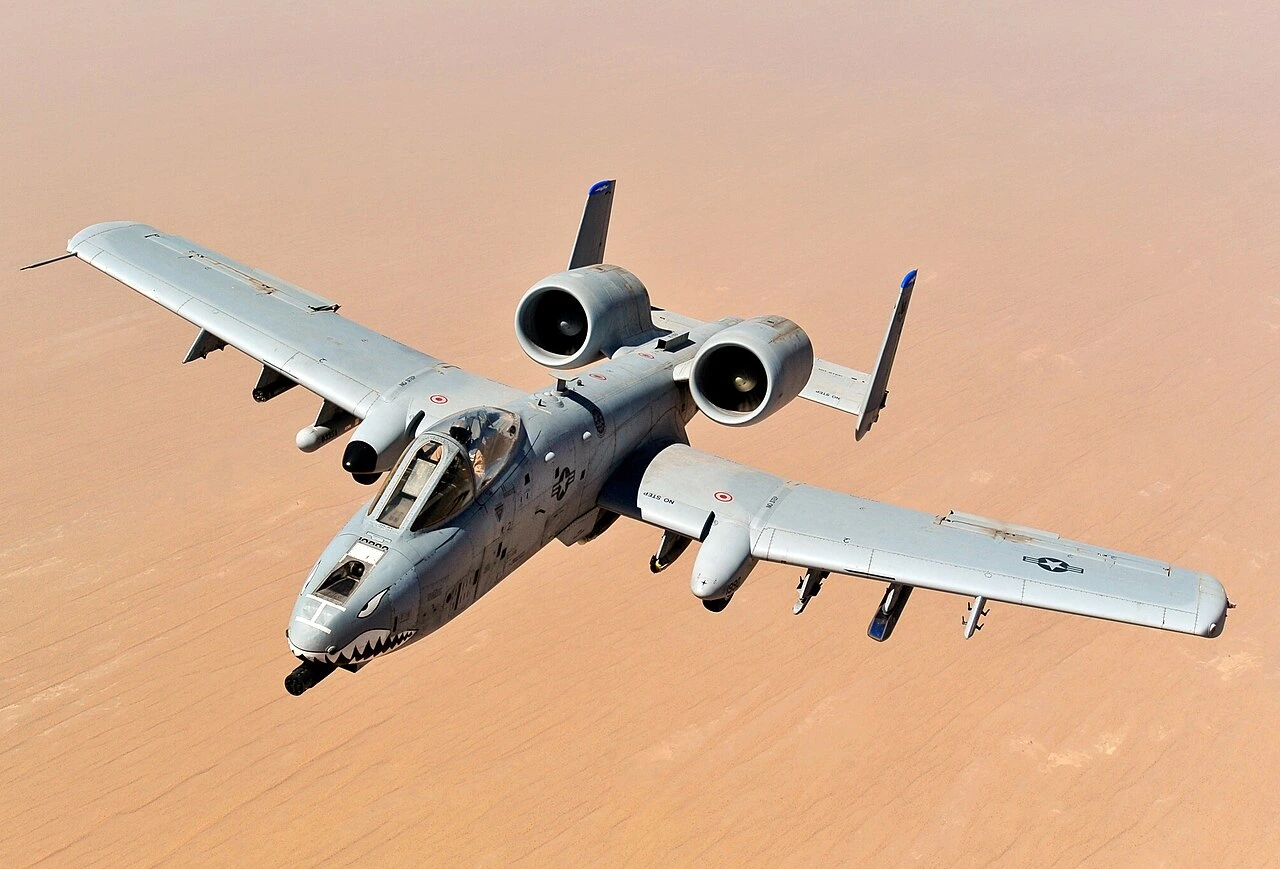
A-10 Warthog Hit While Flying Maritime Patrols
The A-10 was struck the same day near the Strait of Hormuz while flying patrols against Iranian small watercraft and drones. Its pilot flew the damaged jet into Kuwaiti airspace before ejecting and was rescued shortly afterward. Iranian state media claimed its air defense system had fired the missile, though some US officials later disputed whether the aircraft was shot down or damaged by fire encountered during the rescue mission.
The A-10 had been central to a broader campaign against Iran’s Islamic Revolutionary Guard Corps fast-attack boats and mine-laying vessels in the strait. Under Gen. Caine’s direction, A-10s operating from the region were credited with destroying more than 120 Iranian vessels by late March 2026. That record made the aircraft a frequent choice for missions in the contested waterway despite its age.
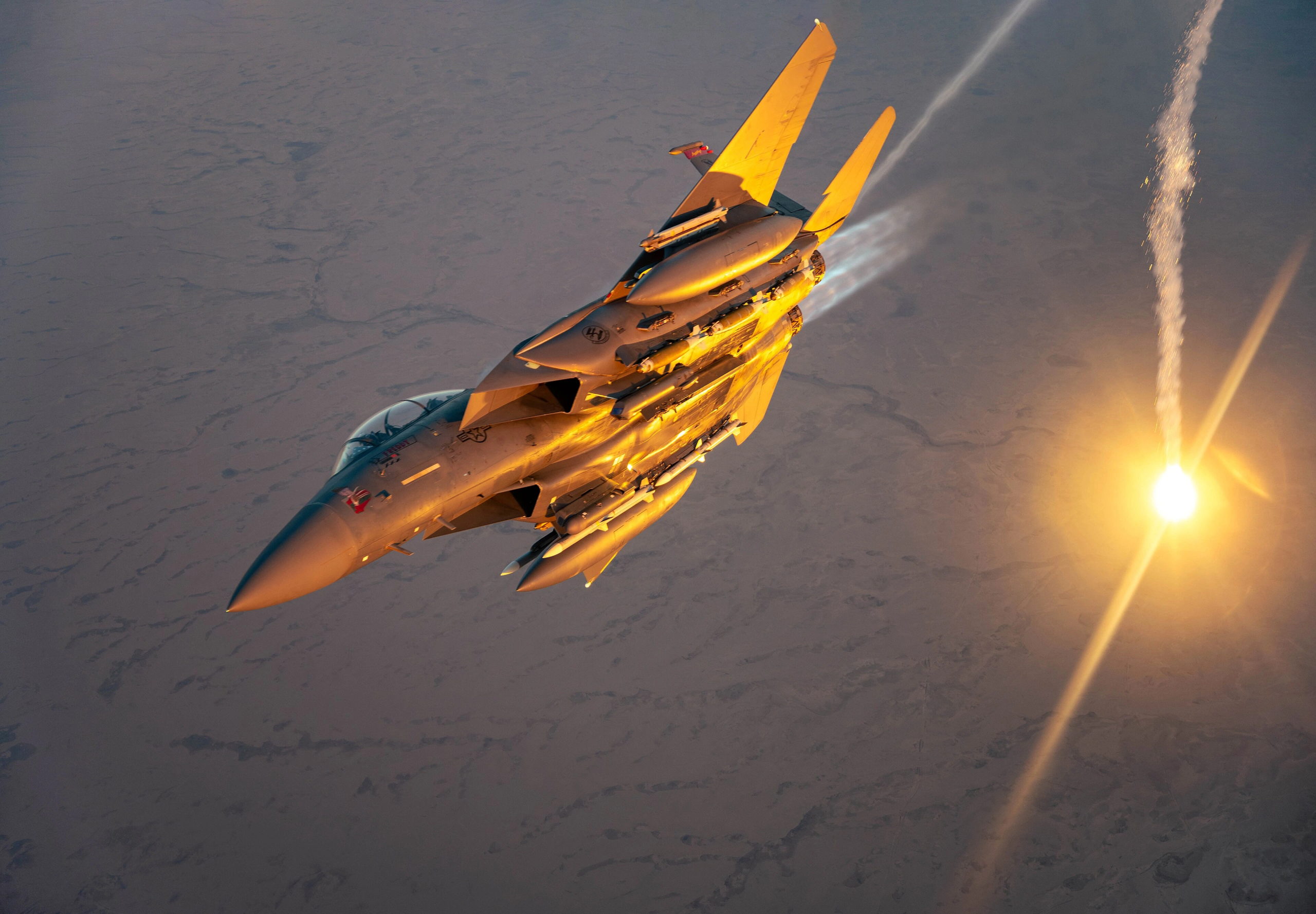
The April 3 incident was not the only A-10 lost in the conflict. Weeks earlier, Iran downed another A-10 off the coast of Bukha, Oman, during a wave of drone strikes on Omani ports that began in late February 2026, injuring the pilot after ejection. Three additional F-15 aircraft were also lost earlier in the war to friendly fire incidents over Kuwait, separate from the April 3 shootdown.
Why The A-10’s Combat Role Looks Different Now
The Air Force had planned to retire all 162 remaining A-10s by the end of fiscal year 2026 before the Iran war began. Its low-altitude loiter time and armored airframe, built around a 30mm cannon designed to survive ground fire, proved useful for the kind of maritime strike and rescue-support missions the strait demanded. Officials credited the aircraft with freeing faster jets like the F-15E and F-35 for deeper strikes into Iranian territory.
The Pentagon has not released a final determination on what brought down either aircraft, and neither the Department of Defense nor Donald Trump has commented further on the cause of the A-10 loss. Both incidents remain under review as part of the wider record of the 2026 Iran war.