

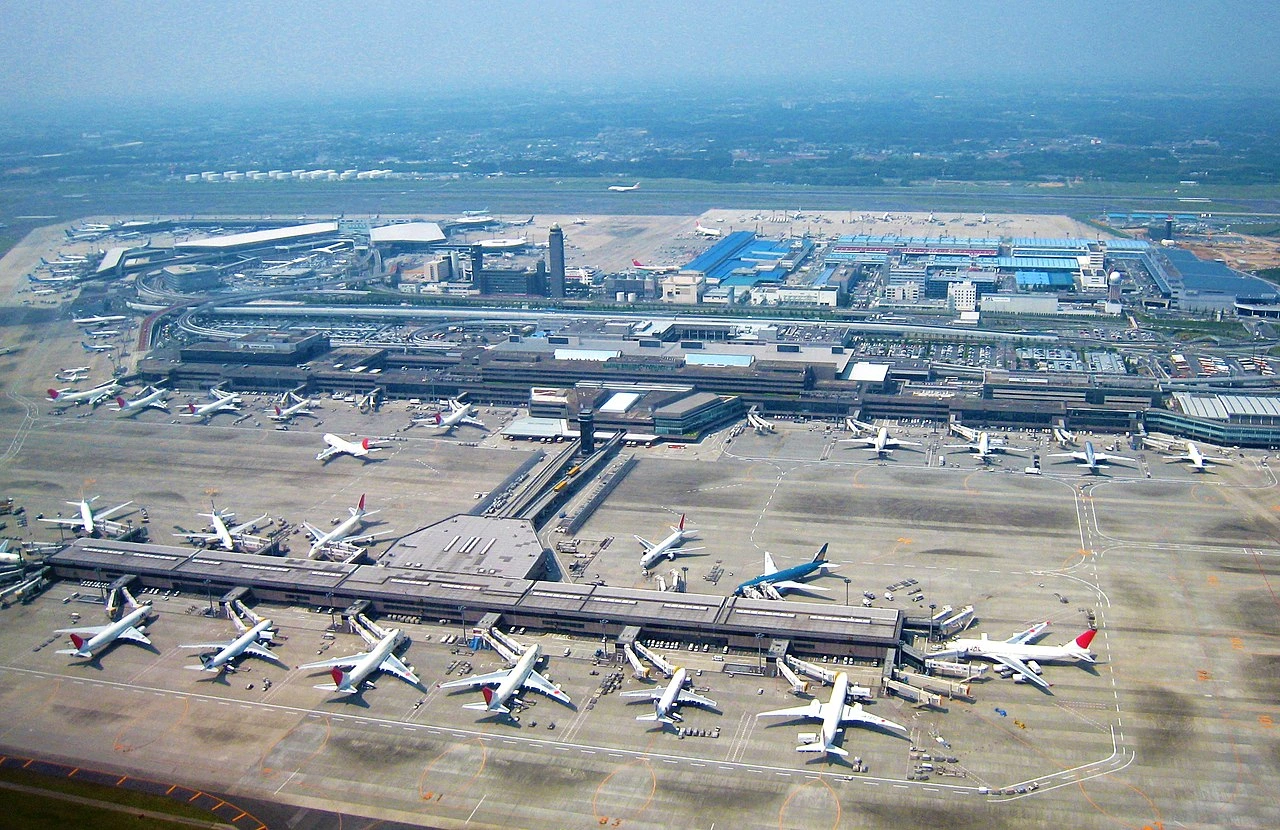
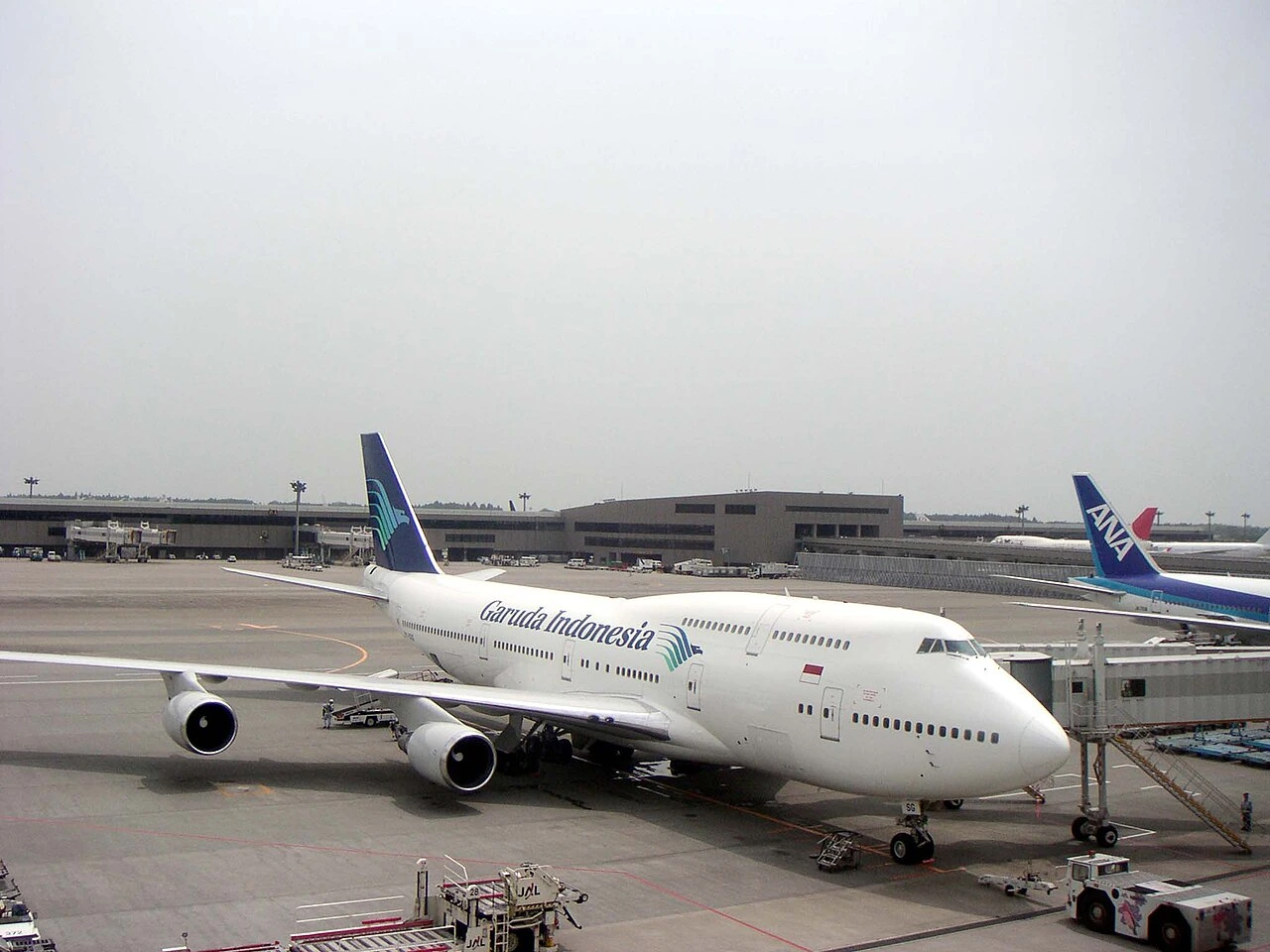
Narita International Airport (NRT), Japan’s key international gateway east of Tokyo, will not open its new third runway on schedule. Narita International Airport Corporation (NAA), the airport’s operator, confirmed in April 2026 that persistent holdout landowners had put the March 2029 target at risk, according to a report by the South China Morning Post. On July 10, 2026, NAA went a step further and agreed with Chiba Prefecture and nine surrounding municipalities to begin formal procedures for compulsory land acquisition.
The dispute centers on roughly 1,099 hectares of farmland NAA needs to build a new 3,500-meter runway and extend an existing one. About 4.8 percent of that land, or 53 hectares, remains unsecured. The standoff echoes the airport’s violent founding in the 1960s and 1970s, when forced expropriation triggered some of postwar Japan’s fiercest civil unrest.
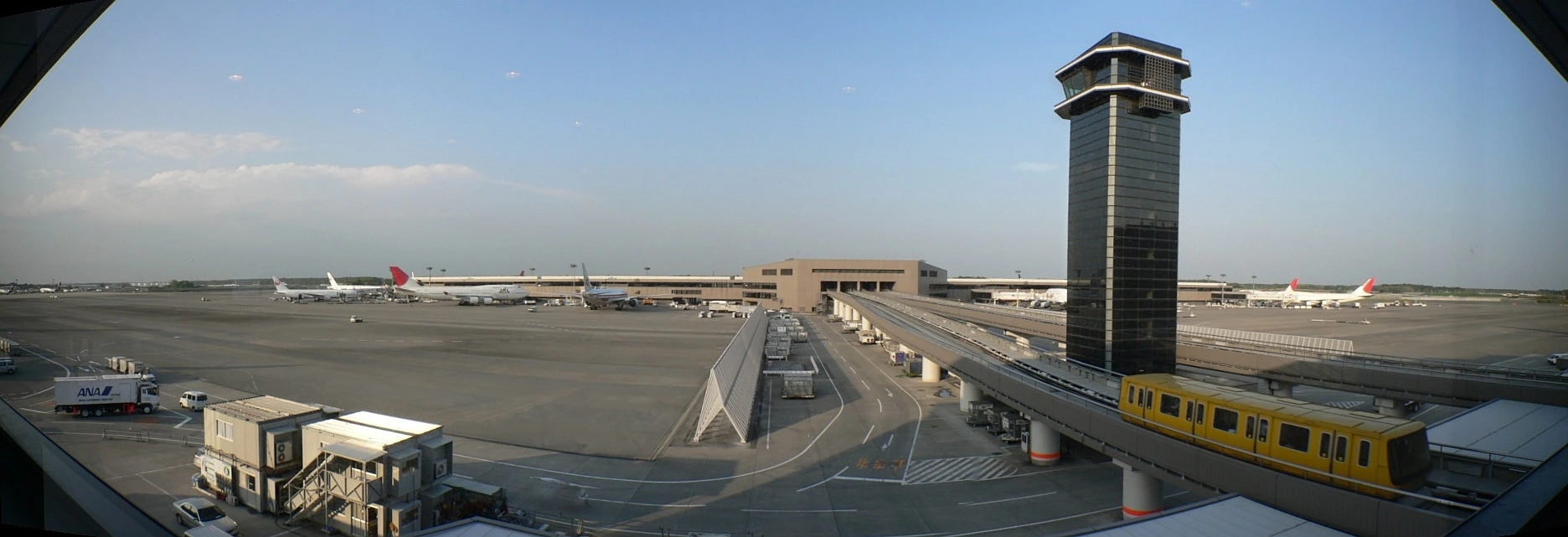
Why Narita Needs 1,099 Hectares of New Land
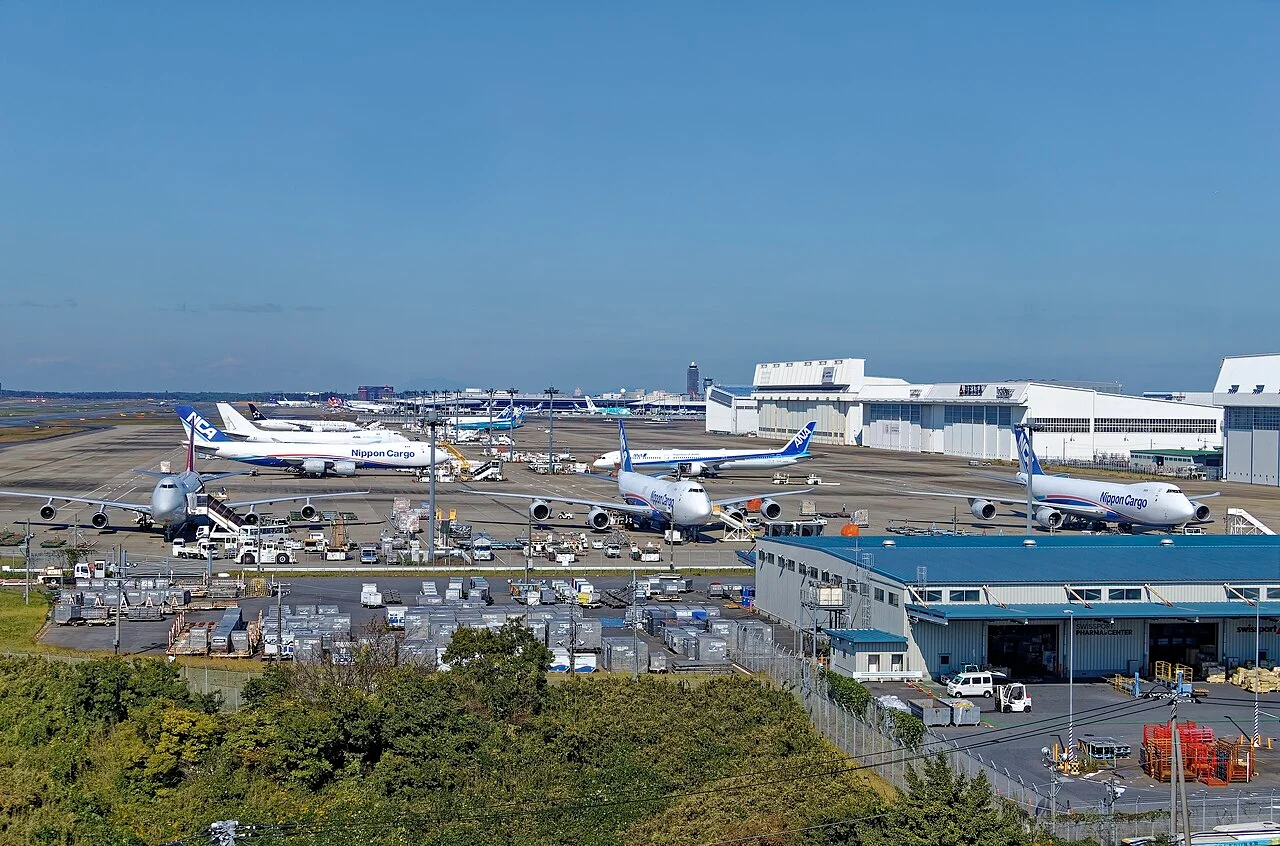
The current project involves two builds. The first is Runway C, an entirely new 3,500-meter strip on the airport’s southern edge. The second is a 1,000-meter extension of the existing 2,500-meter Runway B.
Construction on both began in 2025 to meet surging inbound tourism and cargo demand. Once finished, Narita’s footprint will nearly double to 2,297 hectares, and its annual takeoff and landing slots will rise from 340,000 to 500,000.
NAA President Naoki Fujii has said the operator will still try to open the extended Runway B by fiscal 2029, even if the rest of the project slips further. The full opening of Runway C now looks unlikely to meet its original deadline.
Land Acquisition Agreement Reached in July 2026
NAA President Naoki Fujii met Transport Minister Yasushi Kaneko in April to warn that stalled land purchases threatened the construction timeline. Three months later, at a meeting also involving the central government, NAA and local authorities agreed to invoke Japan’s land expropriation law, a mechanism that transfers ownership to the operator once a prefectural committee rules the project serves the public interest.
Fujii struck a conciliatory note in announcing the shift. “We have been reflecting upon the one-sidedness in the history of airport construction. We will do our best to gain approval from the landowners with their situation in mind,” he said.
Chiba Governor Toshihito Kumagai backed the move but acknowledged its weight. “It’s a tough decision, but I take it as something inevitable,” he said after the meeting.
The airport operator had long avoided compulsory measures, given how the same tool sparked mass unrest before the airport opened in 1978. Officials now stress that most remaining cases involve unresolved inheritance paperwork rather than deliberate refusal to sell.
The Sanrizuka Struggle: Decades of Conflict Over the Same Land
Narita’s land troubles date to 1966, when the government selected the rural Sanrizuka and Shibayama areas for a new Tokyo airport with little consultation of local farmers. The decision sparked the Sanrizuka Struggle, a campaign of protest that drew in student radicals and left-wing groups alongside angry landowners.
The conflict turned violent through the late 1960s and 1970s. Protesters built underground tunnels, watchtowers, and fortified structures on unpurchased land to block construction, and clashes with riot police left both officers and demonstrators dead.
When Narita opened in May 1978, roughly 13,000 riot police guarded the site against nearly 15,000 demonstrators. Radicals seized the control tower weeks earlier and wrecked its navigation equipment, a single incident that caused about $500,000 in damage.
A handful of farmers never sold. Among them is Takao Shito, whose family has farmed the village of Tenjinmine for a century and still sits inside the airport’s planned expansion zone. His resistance, along with that of a small number of other holdouts, forced planners to scale back Narita’s original five-runway design decades ago.
What Compulsory Acquisition Means for Remaining Landowners
Under Japan’s land expropriation law, NAA must first apply for project certification from the national government. If regulators find the runway project serves the public interest, Chiba’s prefectural expropriation committee can rule on the acquisition, transferring ownership to NAA once the process concludes.
Officials expect the tool to affect only a small number of parcels. Reporting on the process has outlined the practical picture:
- About 53 hectares, or 4.8 percent of the required land, remained unsecured as of July 2026.
- Most holdouts stem from unresolved inheritance matters and complex ownership records, not organized refusal.
- Landowners who miss a designated deadline to vacate could face formal compulsory acquisition.
- NAA says it will keep pursuing voluntary agreements even as it pursues legal certification.
Kaneko has urged NAA to prioritize dialogue over compulsion wherever possible, a stance that reflects the government’s effort to avoid repeating the confrontations of the 1970s.
How This Delay Compares with Narita’s Earlier Expansions
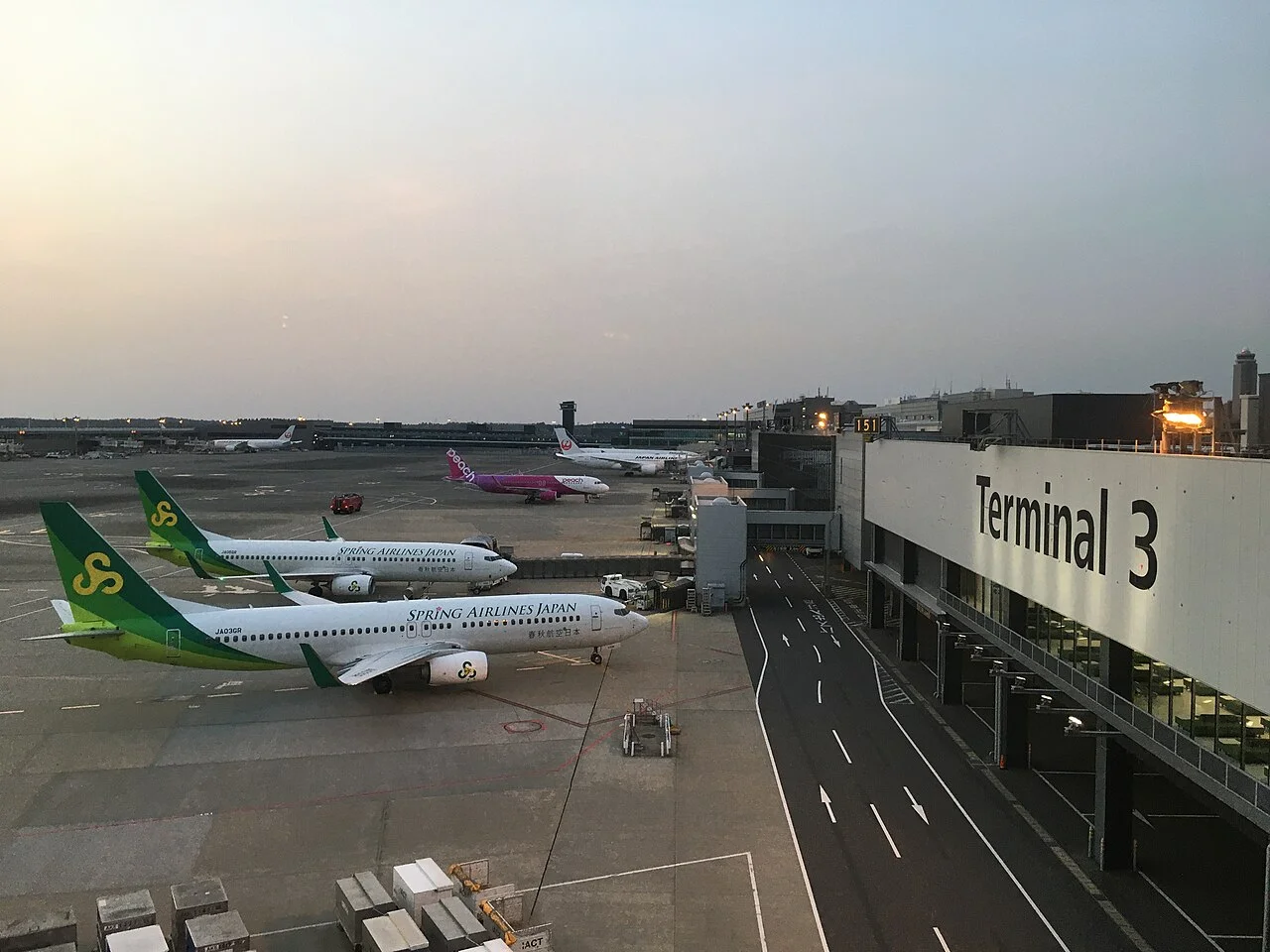
This is not the first time land disputes have reshaped Narita’s runway plans. The airport’s second runway, originally envisioned as a full-length strip, opened in 2002 years behind schedule and considerably shorter than planned, because the same unresolved ownership issues blocked full construction.
Later extensions lengthened that runway, but the shortfall limited which aircraft could use it for over a decade. The current Runway C and Runway B projects represent an attempt to finally complete the airport’s original three-runway vision from the 1960s.
Narita’s struggles also stand in contrast to newer Japanese airports. Kansai International Airport and Chubu Centrair, both built on reclaimed land in the sea, were designed partly to avoid the kind of land conflicts that have followed Narita for six decades.
What Happens Next for the Runway Project
NAA is expected to formally apply for government project certification in the coming months. If approved, the prefectural expropriation committee’s ruling would set a legal deadline for landowners to vacate, though officials expect few properties to actually reach that stage.
The airport operator’s near-term priority remains opening the extended Runway B by fiscal 2029, even as the broader Runway C timeline slips. A precise new completion date for the full project has not yet been announced.


_at_Narita_International_Airport_(1).jpg)


Leave a Reply