British Airways (BA), the United Kingdom’s flag carrier, is rolling out high‑speed Starlink Wi‑Fi across its long‑haul fleet, permitting passengers to make voice and video calls onboard for the first time in its history, The Independent’s Simon Calder reported. This significant development is occurring at a time when most global airlines still restrict voice communication during flight, reflecting a major shift in inflight connectivity standards.
The service is being introduced gradually starting in early 2026, initially on Boeing 787 aircraft, before expanding to the carrier’s broader fleet over the next two years. Passengers will be able to access free unlimited Wi‑Fi that supports real‑time apps and calls from departure to arrival, a first for British Airways. BA says passengers may use the connection for voice and video calls but should keep their voices low and use headphones to minimize disruption to other travellers.

How British Airways’ New policy differs from industry norms
Most major global airlines continue to prohibit voice and video calls on board, even on aircraft equipped with high‑speed Wi‑Fi.
- Use headphones for all audio, including voice and video calls.
- Keep voice levels low to avoid disturbing other travellers.
- Respect shared cabin space and fellow passengers.
The approach places greater emphasis on passenger etiquette than the outright bans used by some competing airlines. The airline’s Starlink Wi‑Fi FAQs explicitly mention support for “video calls”, removing ambiguity about permitted usage.
How Does British’s Policy Compare with Other Airlines’ Calling Policies
Live and Let’s Fly has reported that “for years, carriers in Europe, the Middle East, and Australia have allowed onboard mobile phone access and we have not seen fights break or even tempers flare“.
| Airline | Connectivity | Voice/Video Calls | Policy |
|---|---|---|---|
| British Airways | Starlink | Yes | Permitted, subject to passenger etiquette |
| Qatar Airways | Wi-Fi connectivity | Yes | Long-standing policy; permits FaceTime, Zoom, Teams and Skype |
| Emirates | Starlink rollout | Unconfirmed as of publication | Emirates has not stated a formal policy on calls; check directly before travel |
| United Airlines | Starlink | Restricted by policy | Headphones required for audio/video |
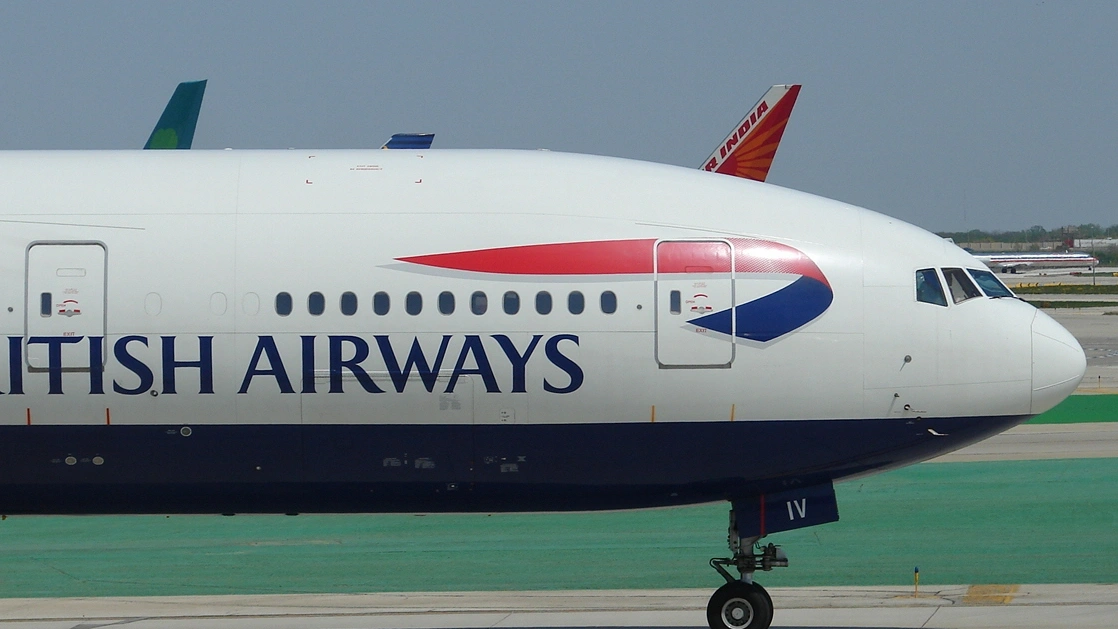
United Airlines has tightened its rules around onboard electronic entertainment, making headphone use an explicit requirement for passengers listening to audio or watching video content.
The airline’s Contract of Carriage now states that passengers who fail to use headphones while consuming audio or video content may be refused transport or removed from a flight when necessary for the safety of passengers or crew. United said it had long encouraged passengers to use headphones, but added the language to its formal conditions of carriage to make the requirement clearer.
The change also comes as United expands Starlink connectivity across its fleet, allowing passengers to access more online entertainment and communication services during flights. The airline said the expansion provided an appropriate opportunity to reinforce its existing expectations around headphone use.
United’s approach illustrates one way airlines can address the passenger-behaviour challenges created by increasingly capable onboard Wi-Fi. United Airlines has also strengthened its guidance around headphone use as Starlink expands across its fleet. Its contract of carriage gives the carrier authority to refuse or remove passengers when necessary for safety, including situations involving disruptive use of audio or video content.
Potential Issues that Might Arise in BA
While BA’s announcement has been widely welcomed as a progressive step for inflight connectivity, industry commentators caution that passenger behaviour will be crucial to its success. Increased connectivity can lead to more noise complaints, particularly when passengers fail to:
- Use headphones.
- Mute notifications.
- Keep voice volumes moderated.
Even with etiquette guidance, real‑world scenarios often differ from ideal conditions. The main challenge will be managing cabin noise. A passenger making a video call may create a disturbance even when using headphones, because the passenger’s own voice remains audible to people nearby



.jpg)

