

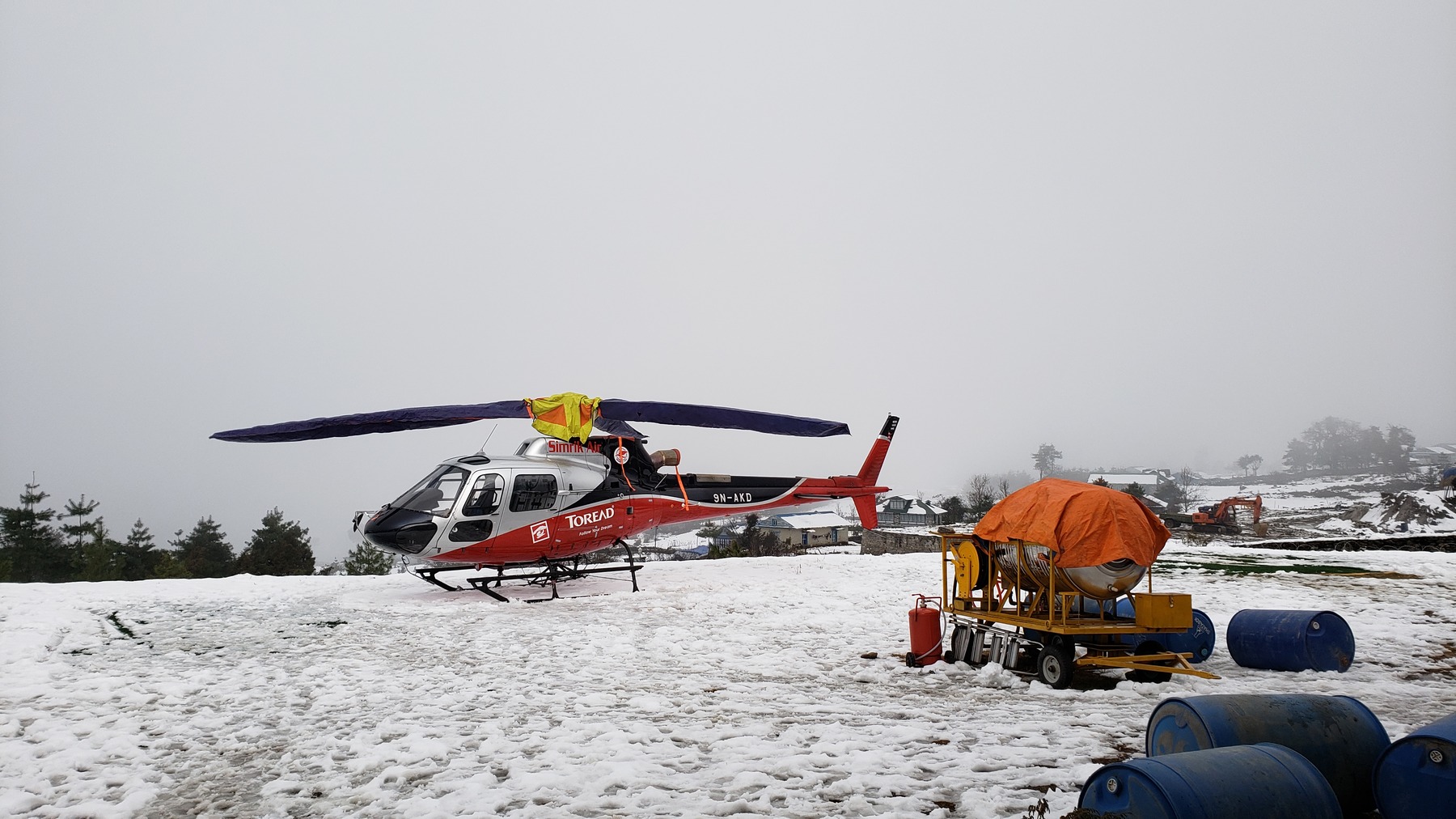
Nepal’s Ministry of Tourism has openly asked the country’s airline and helicopter operators whether the time has come to merge, according to a report by Kantipur. The Ministry convened a discussion titled “Economic Stability and Security of the Nepali Aviation Industry” at Singha Durbar on June 29, 2026, bringing together representatives from every domestic carrier as the sector grapples with rising costs and shrinking profits.
Joint Secretary Indu Ghimire posed the question directly to Airline Operators Association of Nepal (AOAN) President Pratap Jung Pandey, Nepal Airlines Corporation (RA) Acting General Manager Janak Raj Kalakheti, and Civil Aviation Authority of Nepal (CAAN) Director General Mukesh Dangol: whether the current situation calls for helicopter or airline companies to merge.

Why Operators Are Warming to Mergers
Pandey told the gathering that mergers could be a suitable option for airline companies currently operating at a loss. He argued that if the government extends the same policy incentives it gives banks and insurers, Nepal’s aviation industry could restructure into a larger, more sustainable model.
“It is not wrong to go into mergers and work with large capital,” Pandey said, adding that tax and other concessions similar to those given the banking and insurance sectors could make consolidation viable. He described aviation as an inherently capital-intensive business that Nepal’s small market cannot support at its current level of fragmentation.
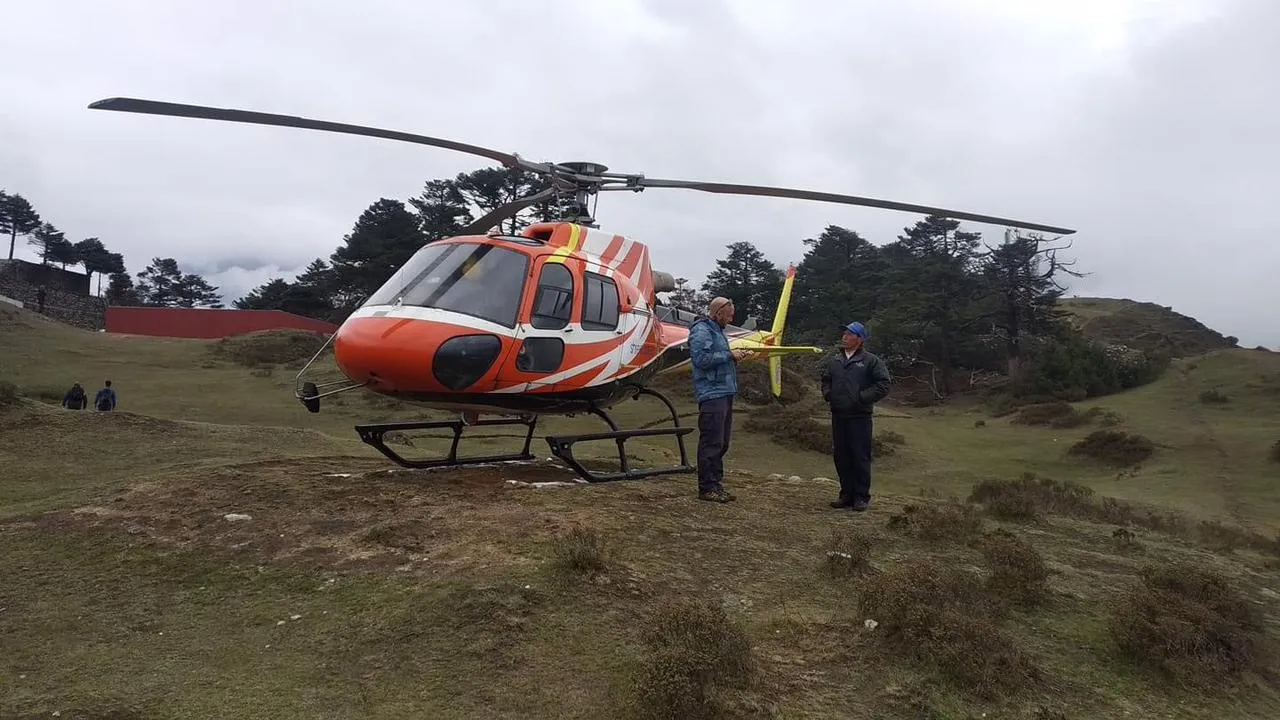
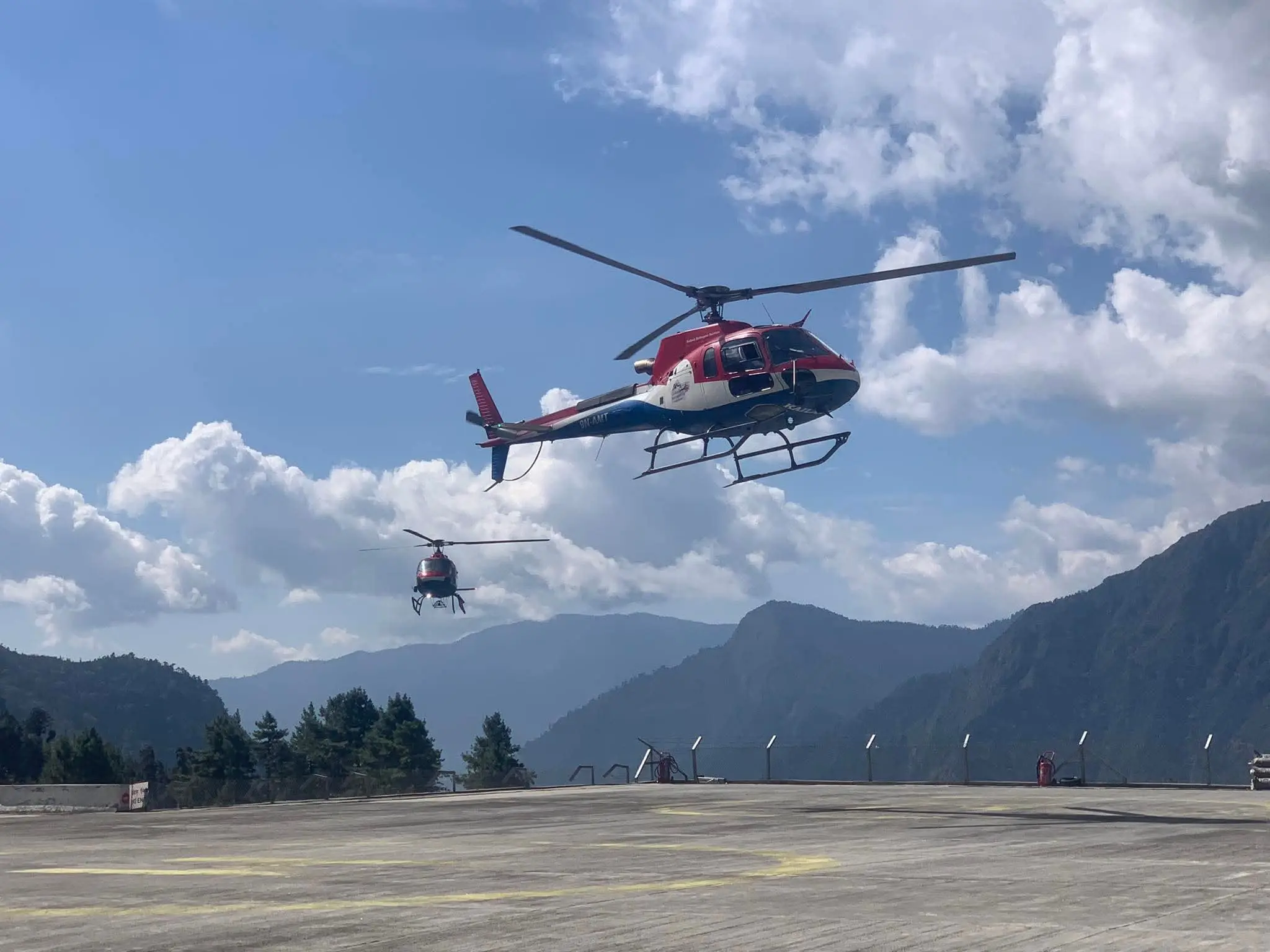
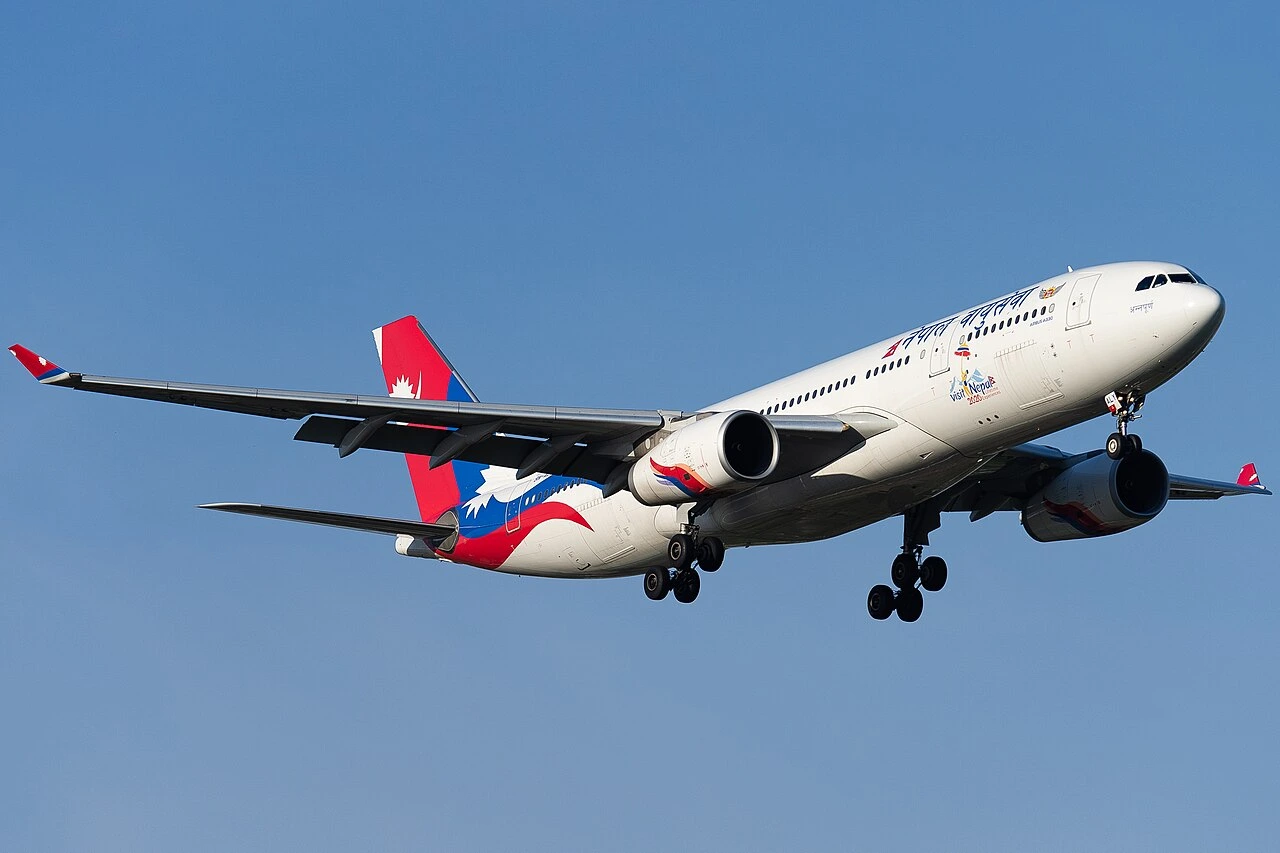
Photo: Ajendra Rai | aviospace.org
Fuel Costs Turn A 5 Percent Profit into A 10 Percent Loss
Pandey singled out the helicopter industry as facing a particularly serious crisis. He said a roughly 15 percent jump in fuel prices has erased what is normally about a 5 percent profit margin on flights, turning many operations into a 10 percent loss instead.
Landing fees, parking fees, and other regulatory charges levied by CAAN have also increased significantly in recent years, Pandey said. Insurance premiums in Nepal run twice as high as comparable coverage in India, a gap he attributed to the country’s elevated operating risk.
Helicopter companies compound these pressures with a structural problem: most lack their own hangars. Operators are forced to repair and store aircraft under open umbrellas in airport open areas, a workaround that adds to maintenance costs and, according to other participants in the discussion, may carry safety implications of its own.
Passenger Numbers Have Been Sliding for Months
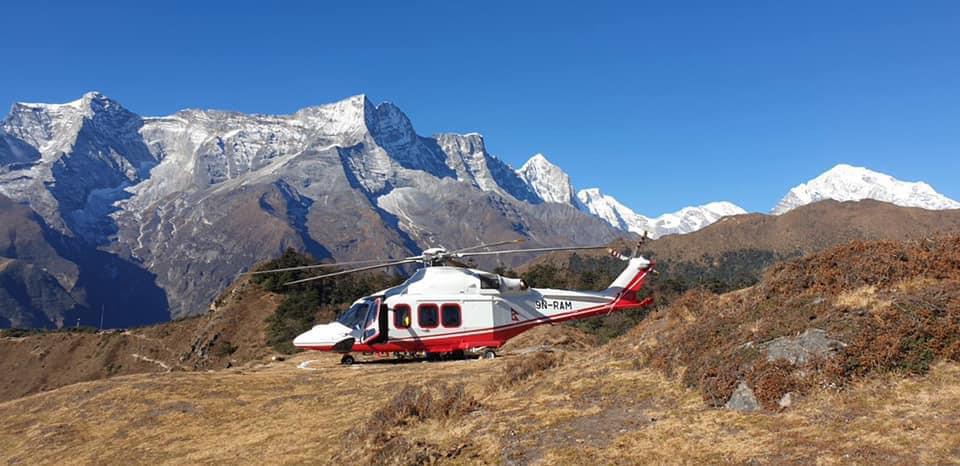
The merger debate comes as domestic carriers report a sustained passenger downturn. Traffic losses reached as much as 15 percent across a stretch of consecutive months, as airfare hikes tied to global fuel price spikes pushed air travel out of reach for many ordinary Nepali travelers.
The helicopter segment has not been spared. Flight hours across the country’s helicopter operators have reportedly dropped by 20 to 30 percent over the same period, a decline steep enough to threaten the viability of smaller companies that were already operating thin fleets.
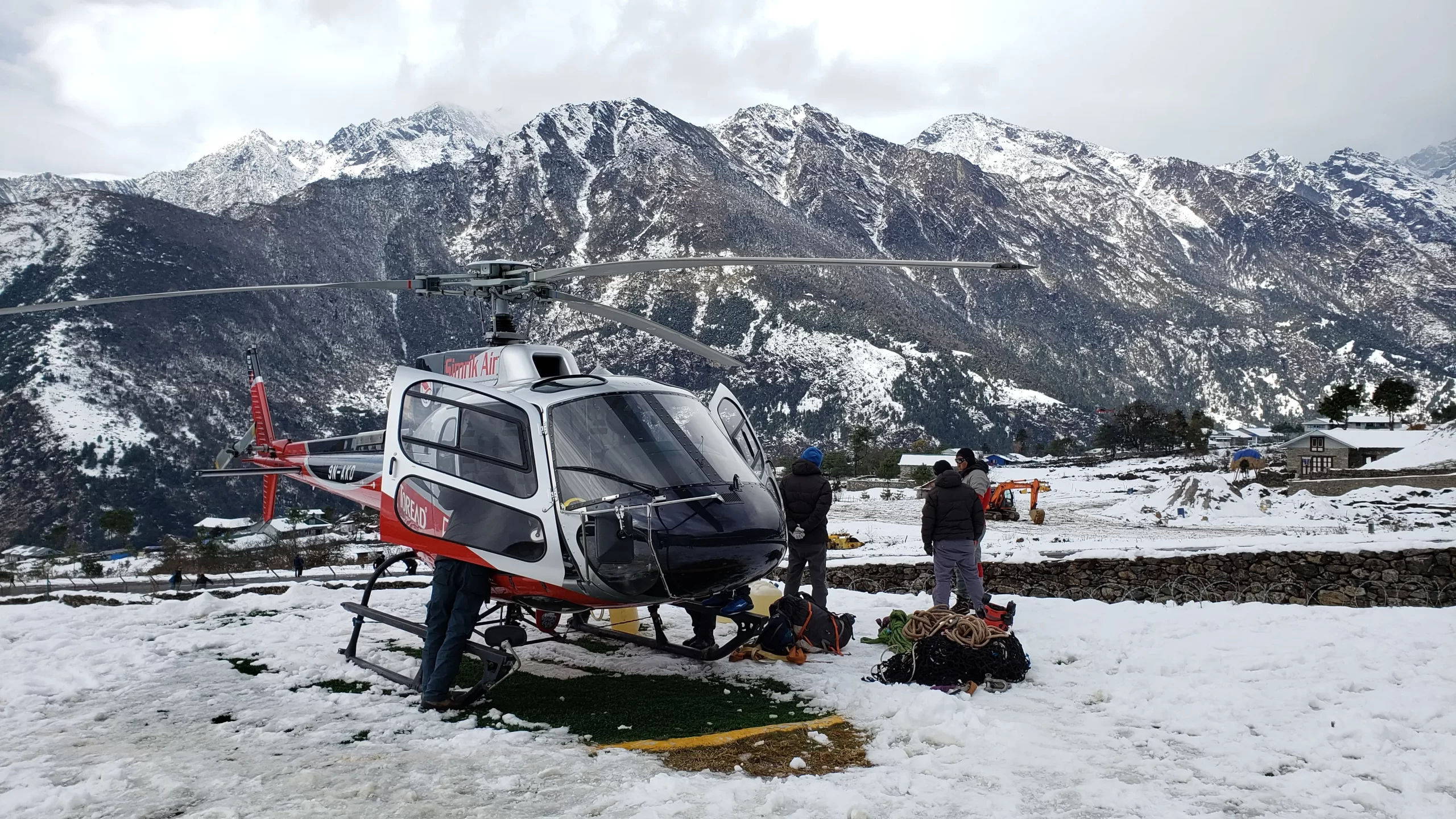
Photo: Surendra Paudel, a helicopter pilot in Simrik Air
Photo: Surendra Paudel | Aviospace.org
Regulators Want Financial Health Folded into Safety Oversight
Kalakheti told the discussion that a lack of financial stability directly reduces what airlines can invest in training, maintenance, equipment, and skilled personnel, ultimately affecting flight safety. Weaker balance sheets, in his view, translate into weaker safety margins over time.
Dangol went further, arguing that CAAN needs to formally build financial regulation into its oversight framework alongside its existing safety mandate. He said the authority should institutionalize regular assessments of each company’s financial condition, corporate governance, board composition, and capital capacity under new legislation.
That regulatory shift would fit into a broader restructuring already underway inside the government. Nepal’s Ministry of Culture, Tourism and Civil Aviation is separately pursuing legislation to split CAAN’s dual role as both safety regulator and service provider, a reform effort tied to a self-imposed deadline in early 2027.
New Entrants Are Still Lining Up Despite the Squeeze
The push toward consolidation has not stopped new operators from entering the market. CAAN has continued approving fresh entrants even as established carriers describe an industry under financial strain, including helicopter and fixed-wing companies that have secured aircraft import approvals and moved through the certification pipeline toward their first commercial flights.
That contrast, shrinking margins on one side and fresh market entry on the other, is part of what has pushed the AOAN toward its merger proposal. Adding more operators to an already fragmented, loss-making market, Pandey and others argued, only deepens the unhealthy competition the ministry’s discussion was convened to address.

Merger Talk Fits a Wider Pattern of Reform and Risk
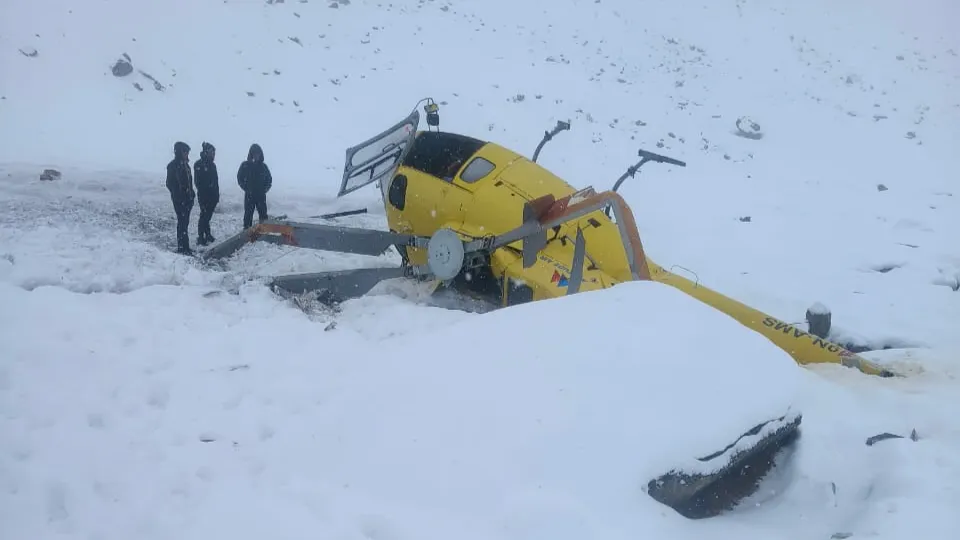
Rising costs are not the only pressure helicopter operators face. A government investigation into an Altitude Air Airbus AS350B3e crash near Lobuche in the Everest region found that whiteout conditions and the absence of a dedicated helipad weather station contributed to the accident, underscoring how thin margins and constrained infrastructure can compound operational risk in Nepal’s mountainous terrain.
Separately, fuel and operating expenses now consume 55 to 60 percent of total airline costs in Nepal Avio Space has reported, roughly double the global average reported by the International Air Transport Association. The AOAN has separately petitioned the government for a 50 percent cut in landing, parking, and navigation fees, tax relief similar to that proposed at the June 29 meeting, and a shift from dollar-denominated to fixed rupee fee structures.
Leave a Reply