

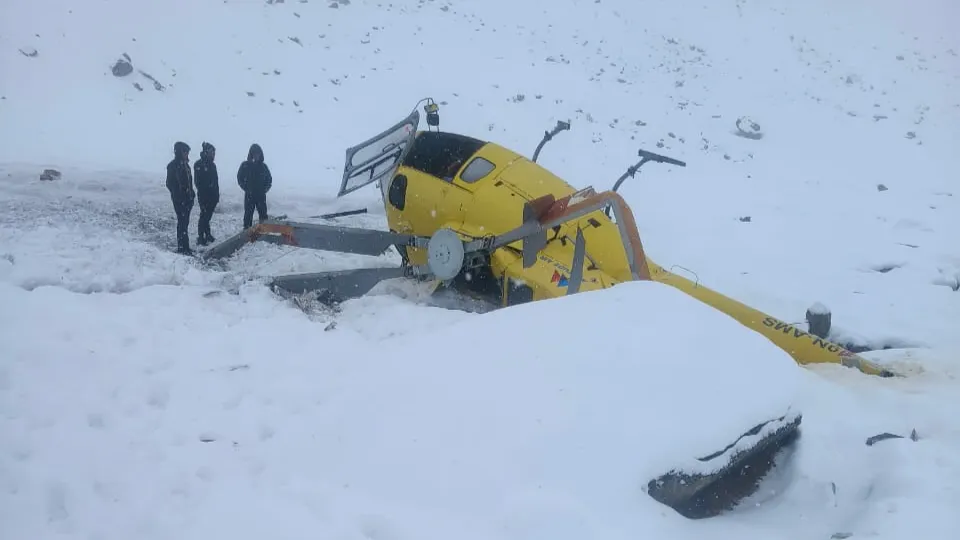
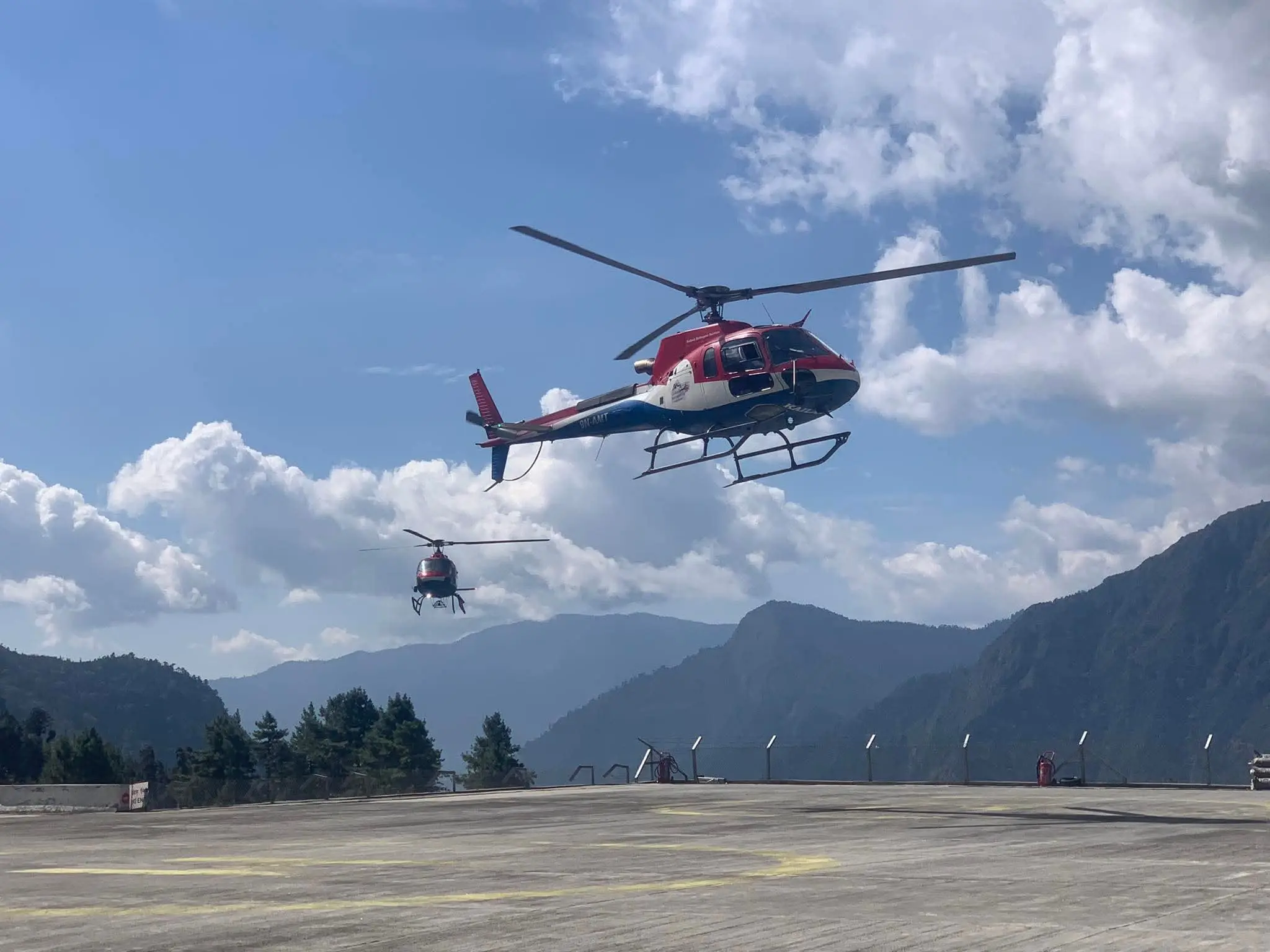
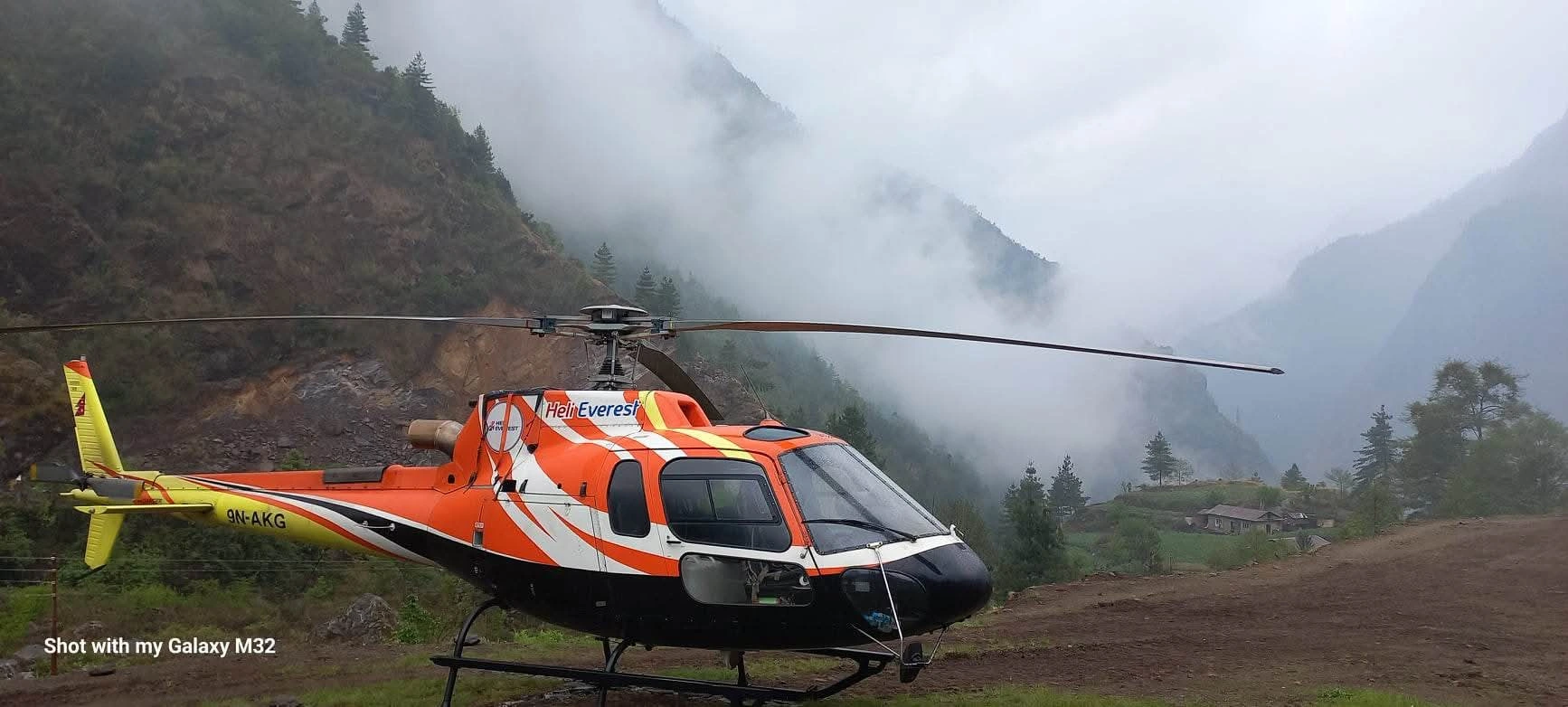
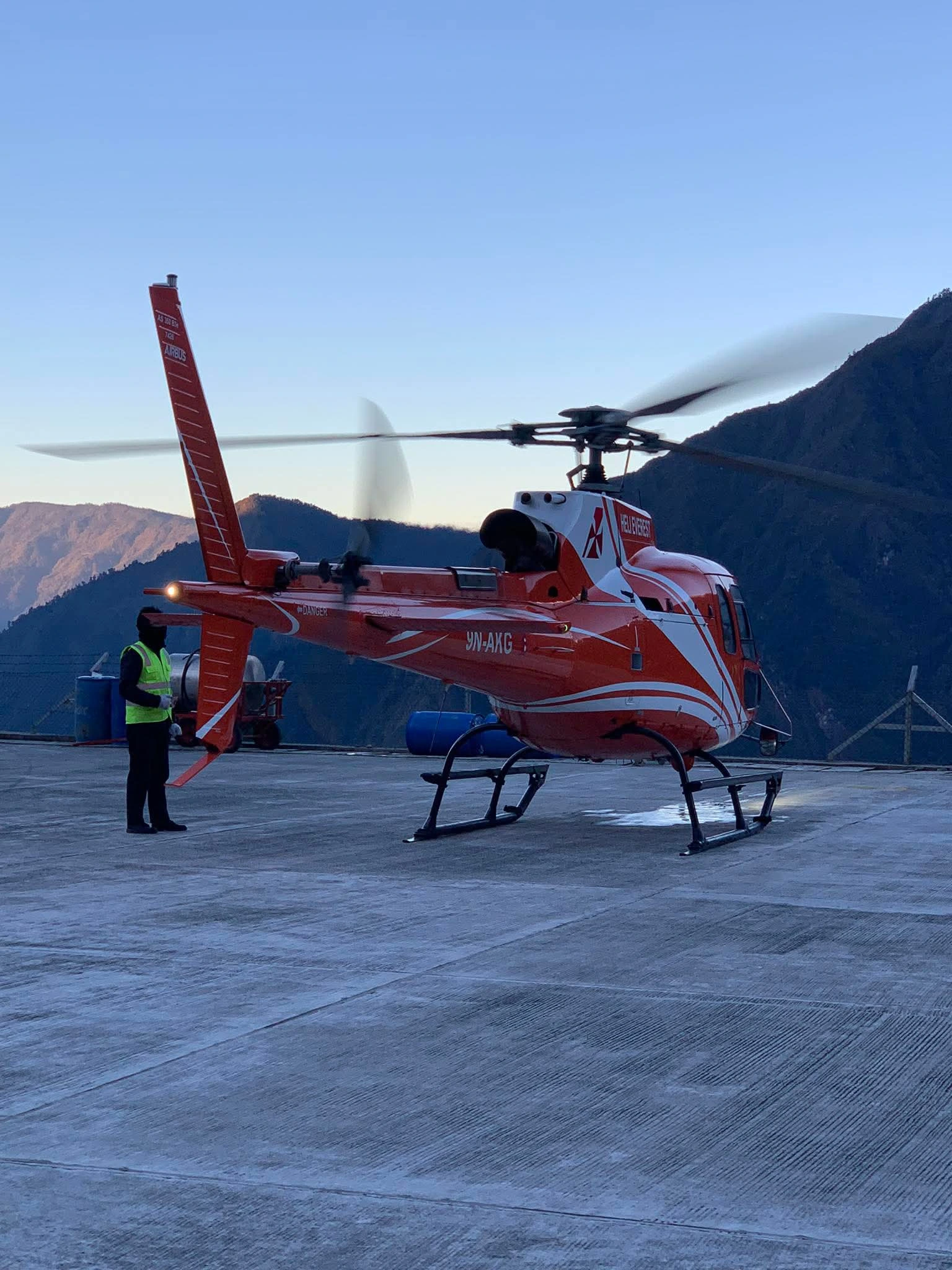
The final investigation report into the crash of an Altitude Air’s Airbus AS350B3e registered 9N-AMS that met an accident on October 29, 2025, to operational shortcomings rather than mechanical failure. The helicopter lost control during landing after encountering whiteout conditions on a snow-covered helipad.
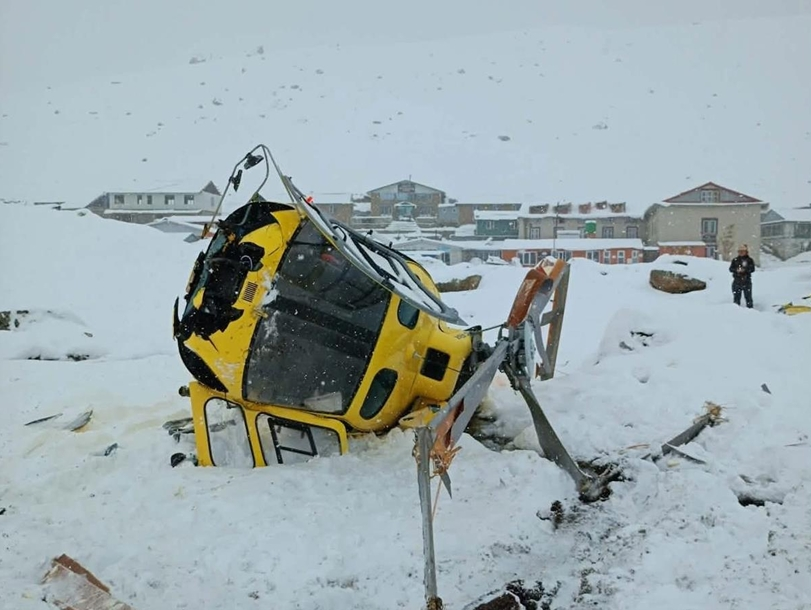
The rescue charter flight originated from Tenzing-Hillary Airport (LUA), with the Pilot-In-Command (PIC) escaping uninjured despite substantial structural damage to the aircraft. Investigators concluded that the absence of visual cues and inadequate operational support critically impaired landing execution.
Aircraft Details Table
| Parameter | Details |
|---|---|
| Type of Flight | Rescue Charter |
| Aircraft MSN | 8413 |
| Year of Manufacture | June 2017 |
| Registration | 9N-AMS |
| Total Time Since New | 6252:00 hours |
| Certificate of Airworthiness Validity | 19 August 2027 |
| Radio Mobile License Validity | 19 August 2027 |
| Certificate of Release to Service | 6 October 2026 / 6337:54 AFHrs |
| Engine Manufacturer | Safran Helicopter Engines, France |
| Engine Type | Turboshaft |
| Engine Model | Arriel 2D |
| Engine Serial Number | 50593 |
| Engine Total Time Since New | 1548:21 hours |
| Engine Total Cycles Since New | N1: 2487 / N2: 1127 |
| Last Overhaul Date | N/A |
Accident Sequence and Whiteout Conditions at Lobuche
The helicopter conducted a standard no-hover landing on a helipad fully covered in fresh snow, which lacked visible surface markings. [One of the reasons why helicopters don’t try to get to the top of Everest is the possibility of a white out- something that impairs pilots from getting visaul cues about the surrounding. and the report itself suggests:
The helipad, slightly elevated by rocks, was covered with fresh snow, creating the illusion of a smooth, seamless surface. Boundary rocks at the edge of the helipad were visible, as accounted by the PIC. The PIC recalled that no ground personnel or marshaller were present at the designated landing site.
As the aircraft descended, rotor wash displaced loose snow, rapidly generating whiteout conditions that eliminated external visual references.
The PIC attempted to stabilize the helicopter after initial skid imbalance on uneven terrain. However, without visual cues, the aircraft entered a destabilized attitude, leading to rotor blade ground contact and subsequent rollover.
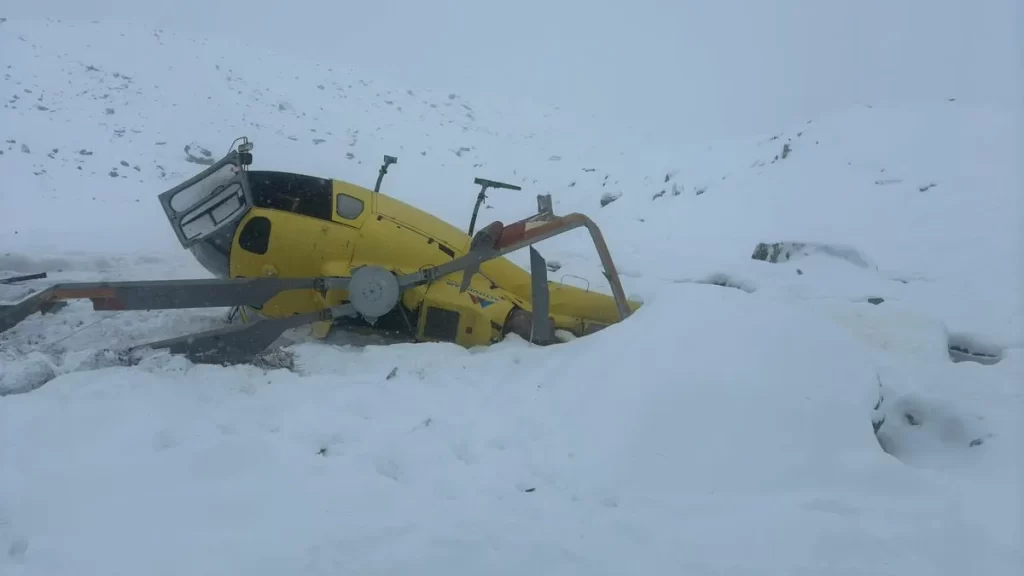
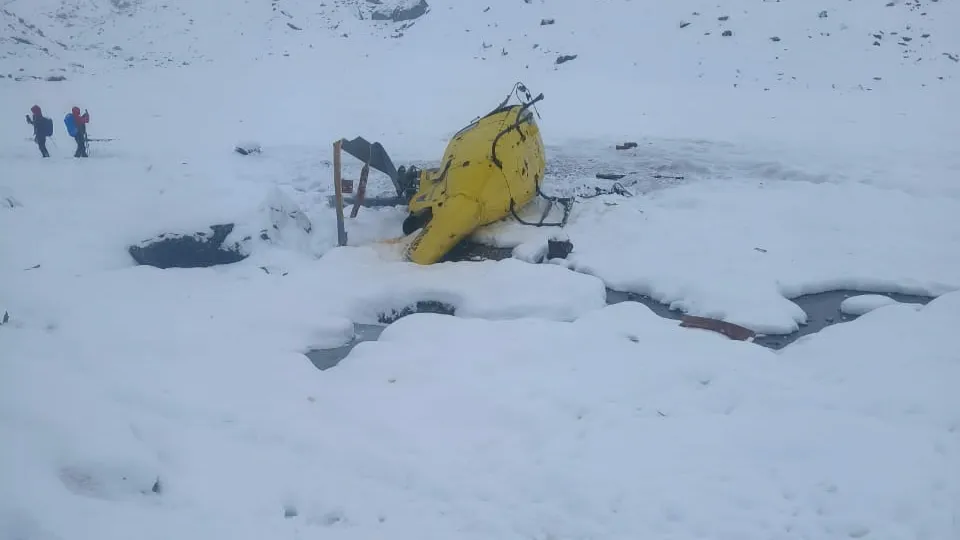
The impact caused the tail boom to break apart and the fuselage to overturn, with the aircraft coming to rest about 11 meters from the intended landing zone at 0207 hours.
Operational Lapses at Lukla Sub-base
As we touched on before, the report identified systemic deficiencies in operational control at Lukla (LUA), particularly during a high-activity period. Key personnel, including dispatchers and operations managers, were absent, undermining real-time decision-making and safety oversight.
The helipad at Lobuche is located at an altitude of approximately 4940m., and according to
the Civil Aviation Authority of Nepal (CAAN), the governing body of Nepalese aviation
“……does not operate any heliports. CAAN therefore, does not maintain the landing areas or provide security. Operators are therefore, required to obtain necessary information before conducting flight on locations like Lobuche Helipad. Unless permission has been granted otherwise by the CAAN, flight operations to these locations may only be conducted in accordance with Visual Flight Rules (VFR).”
The PIC did not receive adequate pre-flight or pre-landing briefings regarding weather conditions or helipad status. Additionally, no hazard advisories or weather warnings related to recent snowfall were communicated, despite known risks in the region.
Investigators emphasized that no structured risk assessment had been documented prior to the mission. This omission weakened the crew’s preparedness for adverse landing conditions in high-altitude terrain.
Probable Cause and Contributing Factors
Investigators determined that the most probable cause of the accident was “an overcorrection input while attempting to counter the misalignment of the skids during a no-hover landing on a snow-covered helipad, which lacked visual markers or cues“.
Contributing factors included the lack of ground support, uneven landing terrain, and ineffective operational control at Lukla, which is regarded as home to the most dangerous airport. The absence of real-time hazard communication and inadequate risk analysis further compounded the situation.
Flight data from the onboard Appareo Vision 1000 system confirmed that the aircraft exhibited no abnormal performance prior to impact. The helicopter was deemed fully airworthy, and no medical issues were identified with the pilot.
Safety Recommendations Issued to Operators and CAAN
The investigation has prompted a series of safety recommendations aimed at both operators and the Civil Aviation Authority of Nepal (CAAN). The following table gives us a cue about what the operators are advised to do:
| Area | Recommendation |
|---|---|
| Operational Control | Deploy licensed dispatchers at sub-bases during peak and special operations |
| Crew Briefings | Provide detailed briefings on landing conditions, weather, and performance limits |
| Risk Management | Implement documented pre-flight risk assessments for complex missions |
| Helipad Standards | Ensure adequate size and surface maintenance of landing areas |
| Ground Coordination | Establish procedures for marshallers and landing assistants |
| Safety Systems | Conduct internal Safety Management System reviews |
| Regulatory Oversight | Assess helipad risks and mitigate hazards promptly |
| Visual Aids | Install standardized markers at high-traffic helipads |
| Guidance Material | Publish SOPs for high-altitude and snowy operations |
CAAN has been urged to assess all designated helipads for surface hazards and to mandate the installation of standardized visual markers, particularly in high-altitude locations like Lobuche. Additionally, the regulator is expected to develop formal guidance for helicopter operations in snowy and mountainous terrain.
All in All
Nepal is perceived to harbor the world’s most dangerous airport, and accidents like this one highlight persistent structural vulnerabilities within Nepal’s helicopter operations, particularly in remote and high-risk environments.
The report highlights the need for systemic improvements in safety management systems, including better hazard communication and stricter adherence to standard operating procedures. It also reinforces the importance of ground coordination in ensuring safe helicopter operations.
This comes against a backdrop of fake helicopter rescue scams where “$4,000 charter becomes a $12,000 claim”, The Kathmandu Post reported. Against a backdrop of such claims that has tarnished the trekking industry, weak aviation practices in Lukla region that might lead to aircraft accidents such as that of 9N-AMS doesn’t bode well. One has to note that the Everest region has not had fatal accidents for more than half a decade. If CAAN and the aviation practitioners in Nepal take all the recommendations in the report into their stride, this bettered safety is only going to continue further.
Leave a Reply