Only a couple of weeks after it was said that Nepalese aviation was in “Survival Mode”, domestic carriers in Nepal have issued a stark warning that surging aviation fuel prices could lead to “a situation where they may be forced to suspend services“, My Republica reported. The Airlines Operators Association of Nepal has formally urged government intervention, citing unsustainable operating costs and declining demand.
In a letter addressed to the Minister of Culture, Tourism and Civil Aviation, Khadkaraj Paudel, the association cautioned that without immediate relief measures, airlines may be compelled to suspend certain operations. The warning comes amid global volatility, rising fuel prices, and a fragile tourism recovery.
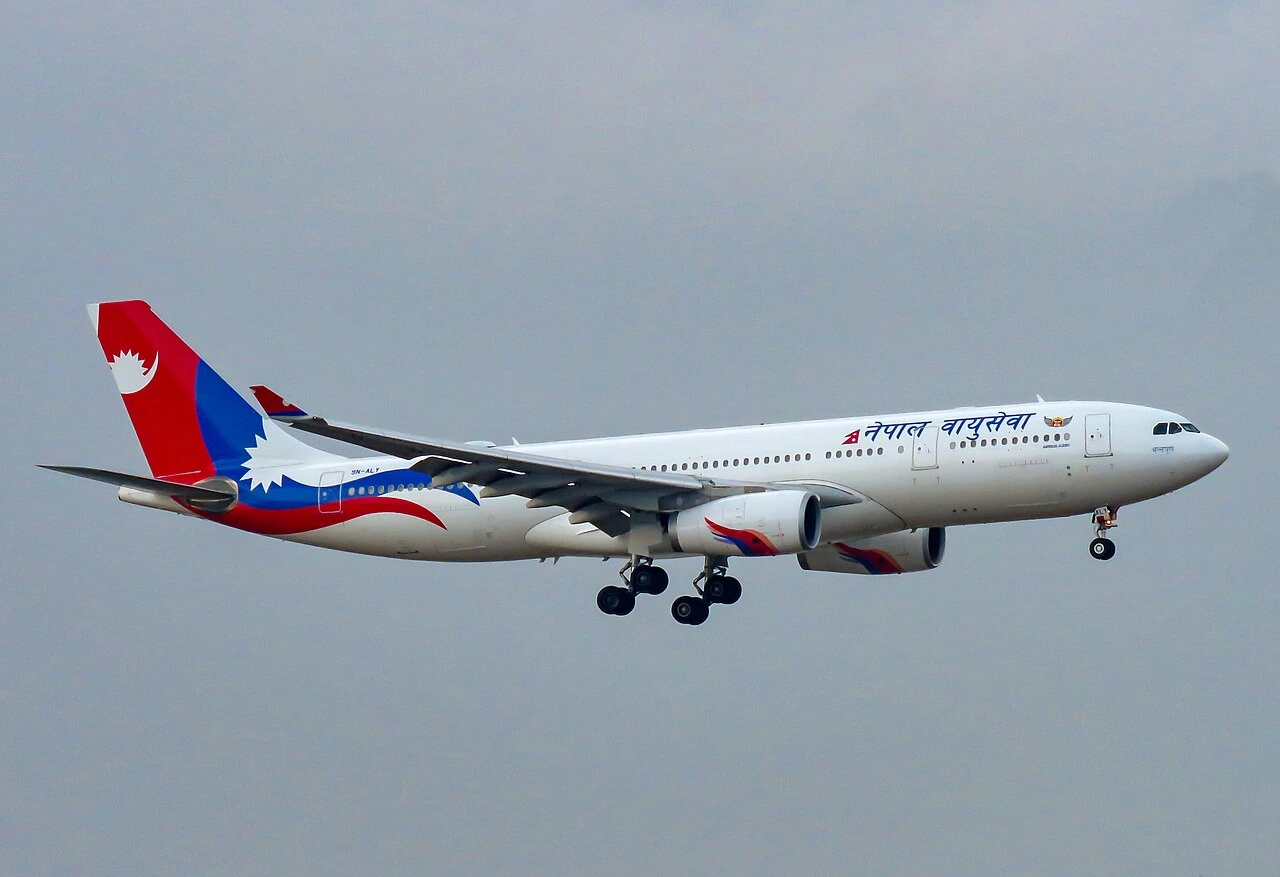
Rising Fuel Costs Pressure Nepal Airlines Sector
The Airlines Operators Association of Nepal (AOAN) has highlighted that aviation fuel and operational expenses now account for nearly 55 to 60 percent of total airline costs. One should note that IATA report shows that generally, fuel expenses make up less than a third of an airline’s expenses, with the following table giving us a cue of airline’s expenses breakdown:
| Cost Category | Percentage |
|---|---|
| Aircraft fuel and oil | 28.7% |
| Other operating expenses | 10.16% |
| Depreciation and amortization | 9.1% |
| Flight crew salaries and expenses | 8.6% |
| Flight equipment maintenance & overhaul | 8.4% |
| General and administrative | 7.7% |
| Station expenses | 7.1% |
| Passenger services | 6.4% |
| Ticketing, sales and promotion | 4.7% |
| User charges | 4.5% |
| Flight equipment rentals | 2.9% |
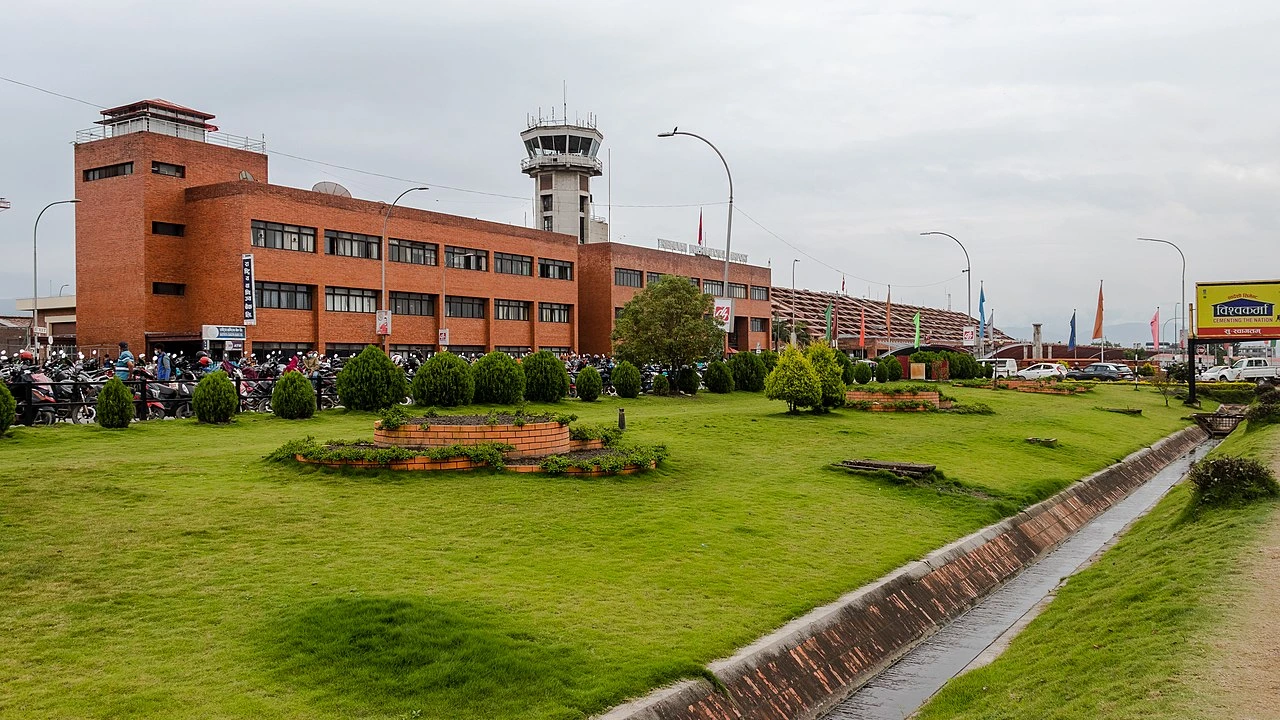
However, one has to note that the figures above were likely made before the war against Iran (waged by the US and Israel) has increased aviation fuel prices so much so that even the largest airlines in the world, such as Untied Airlines (UA) are being forced to increase their checked-baggage fees by as much as $10. This sharp increase in jet fuel prices (that has resulted in increase of airline expenses) has significantly eroded margins for domestic carriers operating within a price-sensitive market in Nepal.
In its communication to the ministry, AOAN stressed that external shocks—including the COVID-19 pandemic and geopolitical tensions in West Asia—have contributed to persistent fuel price escalation. According to Travel and Tour World, Nepal experienced a drop of 7.3% of international tourists this April compared to the same time last year.
The association further noted that these cost pressures coincide with a slowdown in tourist arrivals, compounding financial stress. Airlines now face the dual challenge of rising input costs and weakening passenger demand, a combination that threatens operational viability.
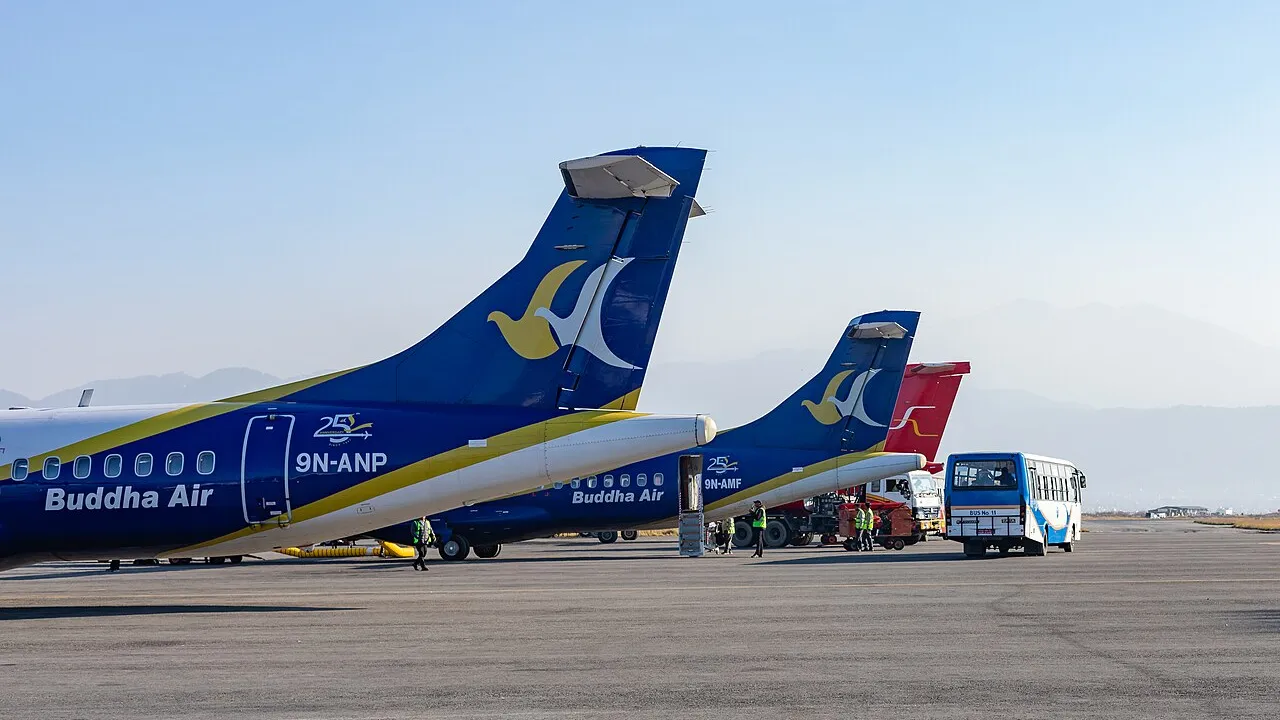
Policy Relief Demands Intensify in Nepal
AOAN has called on the Civil Aviation Authority of Nepal (CAAN) to implement immediate cost-relief measures. These include a proposed 50 percent reduction in fees such as:
- landing
- parking
- navigation
- housing charges
The association has also urged authorities to revise airport service charge regulations and lower associated rates. In addition, it has requested that airlines be classified as special industries eligible for a 20 percent income tax exemption under Nepal’s Income Tax Act.
Another critical demand involves currency adjustments, with airlines seeking to convert fees currently charged in US dollars into fixed Nepali rupee rates. This move aims to reduce exposure to currency fluctuations, which have further inflated operating costs.
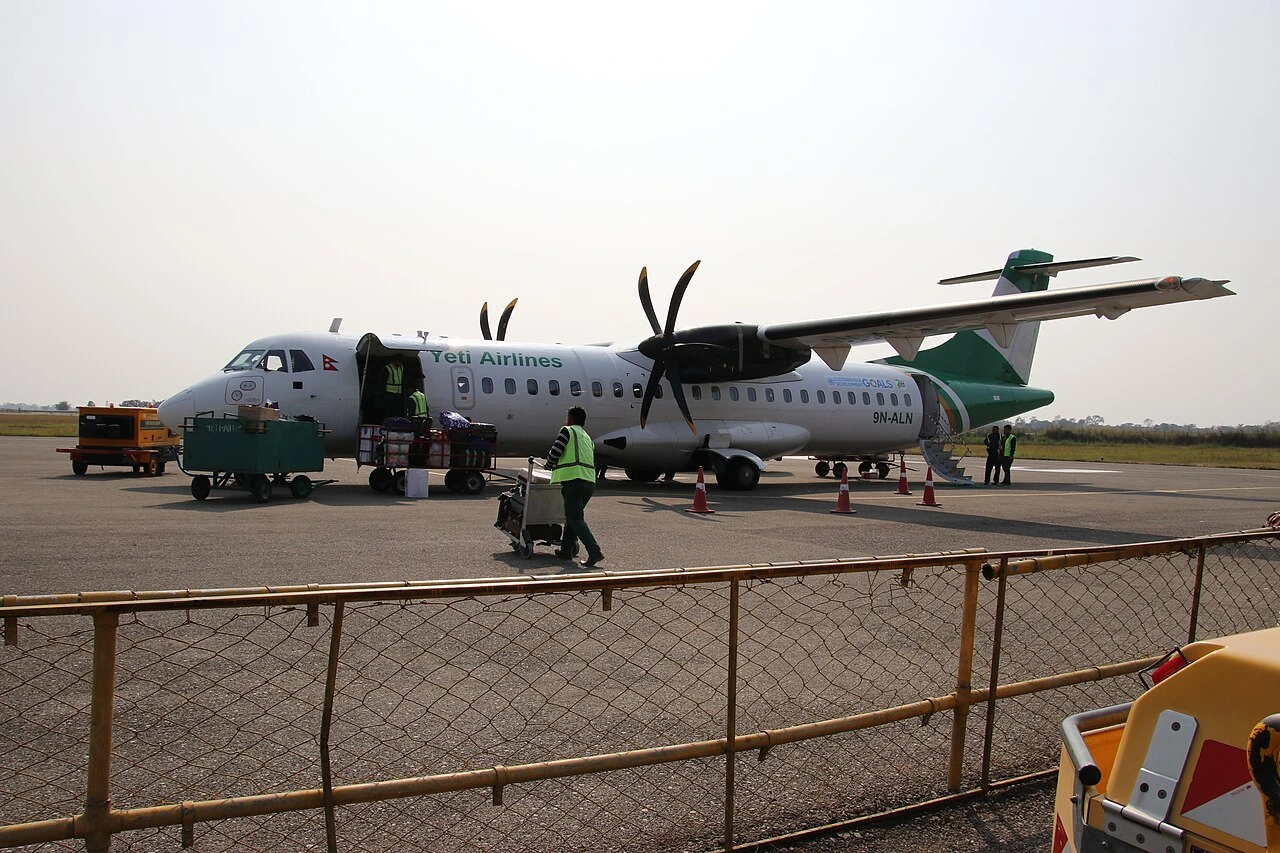
Nepal’s Aviation Industry Context and Parallel Developments
Nepalese aviation is undergoing a stunning transformation under the new government that is led by Balen Shah. A couple of days ago, the government passed a decree whereby each airport in Nepal would be equipped with breastfeeding rooms. The nation is also looking to ramp up operations at Gautam Buddha International Airport (BWA) using fifth-freedom flights.
However, despite such positive lights, operational disruptions have affected international services, including cancellations by Nepal Airlines on key routes such as Doha. The doubling of airfares in the nation has already led to a drop of 40% flights offered by domestic carriers. These developments indicate that financial strain is not limited to private carriers in Nepal but the flag carrier too.
Nepal’s domestic carriers already operate within uniquely challenging conditions:
- tough mountainous terrain that led to a crash of a helicopter in Lobuche (in the Everest region)
- limited infrastructure (the absence of Instrument Landing System being a case in point)
- high maintenance costs
These structural constraints in Nepal amplify the impact of fuel price volatility compared to larger, more diversified markets such as in Europe or North America.
AOAN has warned that failure to act swiftly could result in reduced connectivity, particularly for remote regions that depend heavily on-air transport. Note that the world’s most dangerous airport– Lukla Airport lied in a remote region as well.
All in All
The government has yet to formally respond to AOAN’s latest appeal. With the war in Iran likely to resume after Donald Trump rejected Iran’s proposal of a ceasefire, the war might resume and the Strait of Hormuz might be closed for a longer time.
Therefore, the coming months will be crucial in determining whether Nepal’s aviation sector can navigate these financial headwinds or face a period of contraction. Nepal is looking to transform its aviation sector by overhauling the Board of Directors at Nepal Airlines Corporation and appointing a new Director General at CAAN. But the success of these events will only bear fruit if the war in Iran is slashed. After all, the war has increased the prices of aviation fuel and put (Nepalese) airlines in a bit of strife.


_@_HKG,_March_2019.jpg)

-070A2336.jpg)

_Taking_off_from_Tribhuvan_International_Airport_(TIA)-070A2297.jpg)