United Airlines (UA) is increasing its checked baggage fees starting April 3, 2026, a move the carrier says is tied to rising operational costs, particularly jet fuel prices, which have risen sharply amid ongoing geopolitical tensions in the Middle East.
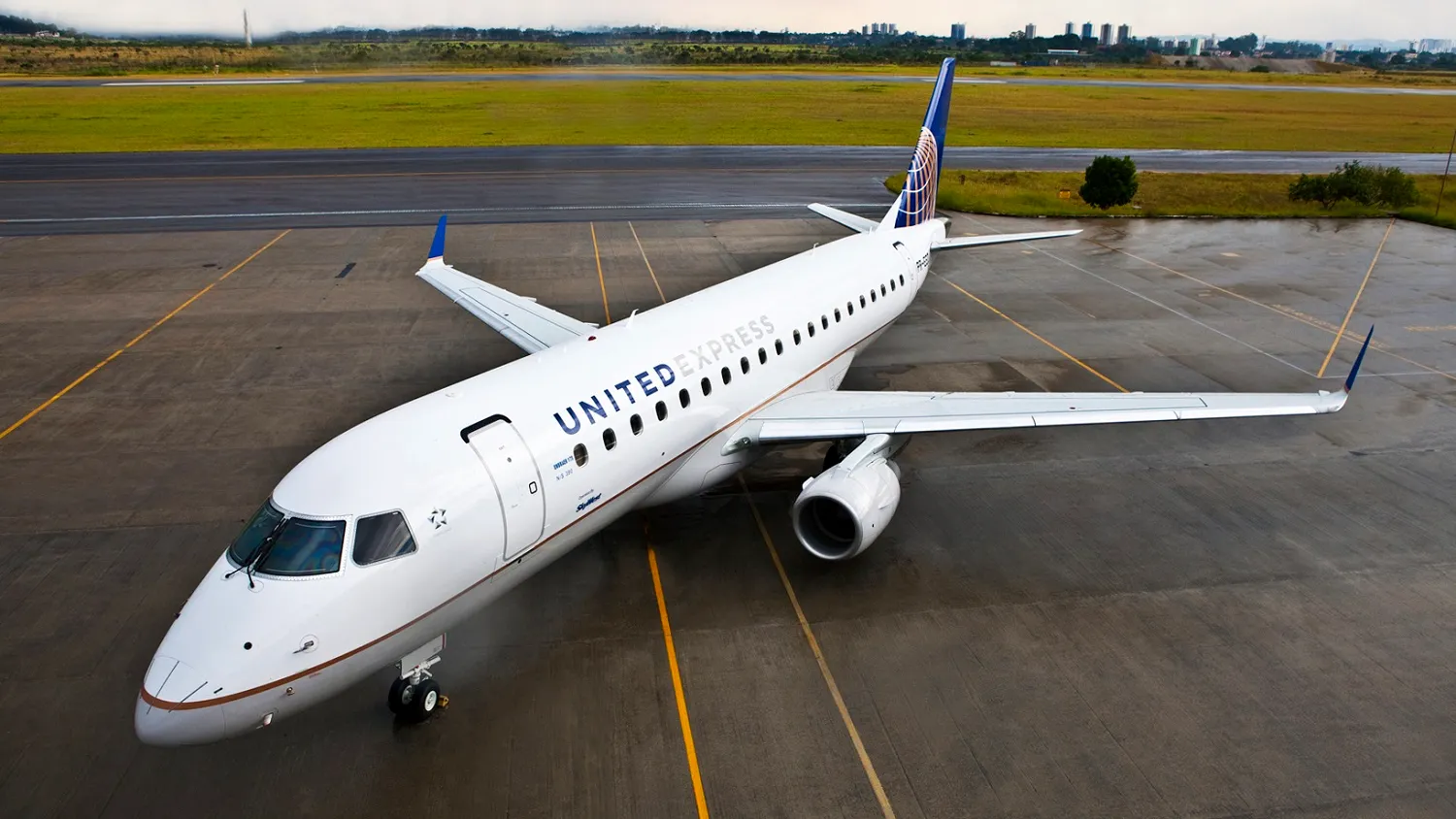
What’s Changing for United’s Passengers — New Checked Bag Fee Structure
Under the updated pricing, the cost to check luggage on most domestic and North/Central American flights has gone up across the board:
- First checked bag: about $45 prepaid or $50 at the airport, up roughly $10 from prior levels.
- Second checked bag: approximately $55 prepaid or $60 at the airport, also a $10 increase.
- Third checked bag: now $200, a $50 jump. (as reported by Travel Market report)
These changes apply to passengers flying within the U.S., Mexico, Canada, and Latin America for tickets purchased beginning April 3, 2026.
United continues to offer a $5 discount for bags paid online at least 24 hours before departure. Exemptions remain for:
- United Chase credit card holders
- MileagePlus frequent flyers
- Active military personnel
- Premium‑cabin passengers, who still check bags at no additional charge.
This marks the airline’s first checked‑fee increase in more than two years as it joins a growing trend among U.S. carriers.
Fuel Costs and Industry Pressures Led United’s to Increase Checked Bag Fee
Jet fuel has been among airlines’ largest expenses, and prices have surged dramatically in recent months following military conflict in the Middle East, including strikes against Iran and disruptions to oil supply routes such as the Strait of Hormuz, which handles a significant share of global crude flows.
Recent market data shows that jet fuel and crude oil prices have spiked significantly, with benchmarks climbing well above typical levels seen earlier in the year — creating substantial cost pressure for carriers. According to the figures of the International Air Transport Association reported in Business Chief, “the cost of crude oil has surged to more than 50% since the conflict began in February, while global jet fuel prices have since more than doubled, rising to US$1541.45 per metric tonne on 27 March“:
Prior to the conflict, the airline industry had forecast record profits of US$41bn in 2026, but with increasing jet fuel prices and companies voiding thousands of flights as a result of the conflict — with more than one in 20 cancelled at the start of the week — airlines are rapidly rethinking their strategies.
United’s fee increase follows a similar move by JetBlue, which raised its own checked baggage costs earlier that week by several dollars in response to the same economic conditions.
| Data Point | Value | Reference Date / Period |
|---|---|---|
| JetBlue checked bag fee increase | +$4 | Monday, March 30, 2026 |
| Average regular gas price – US | $4.091 per gallon | Friday, April 3, 2026 |
| Average regular gas price – previous day | $4.081 per gallon | Thursday, April 2, 2026 |
| Average regular gas price – previous week | $3.978 per gallon | Week ending March 27, 2026 |
| Average regular gas price – previous month | $3.109 per gallon | March 2026 |
| Average regular gas price – previous year | $3.260 per gallon | April 2025 |
| Brent Crude Oil price | $109 per barrel | Friday, April 3, 2026 |
| U.S. Crude Oil price | $111 per barrel | Friday, April 3, 2026 |
Data: iHeart
Passenger Impact — What Travelers Should Know
For frequent and business travelers enrolled in loyalty programs, the immediate financial impact will be limited thanks to existing baggage allowances. For leisure travelers and those checking multiple bags, however, the increases will raise the overall cost of travel — especially on longer itineraries or multi‑stop trips.
Travelers looking to minimize costs may benefit from prepaying for checked bags online before the 24‑hour cutoff, which still secures the $5 discount. Planning ahead and consolidating luggage where possible can help offset some of the added expense.
Here’s some more data provided by Business Insider regarding the rise of Jet Fuel:
| Benchmark | Price Change Since Feb 27, 2026 | Current Price / Approx. | Notes |
|---|---|---|---|
| Jet CIF NWE Cargo (Northwest Europe) | +120% | Not specified | Jet fuel delivered by ship into NW Europe |
| Jet Kero 54 USGC Prompt Pipeline (US Gulf Coast) | +82% | Not specified | Jet fuel moving through US from Gulf Coast |
| Brent Crude Oil Futures | +50% | >$100 per barrel | Global benchmark for crude oil |
| Spot Dated Brent | +100% | $141 per barrel | Physical benchmark for immediate delivery |
As reported in Forbes, United Airlines’ chief executive, Scott Kirby, told an audience at Harvard’s engineering school that the recent surge in jet fuel costs is expected to noticeably dent the carrier’s first‑quarter financial results—and, if the conflict in Iran persists, that impact could stretch into the second quarter as well.
All in All
For United passengers, the change means travelers without baggage benefits will pay more for checked luggage from April 3. The increase also illustrates how rising fuel costs are beginning to affect not only airfares but the ancillary fees airlines charge for services such as checked baggage.


.jpg)