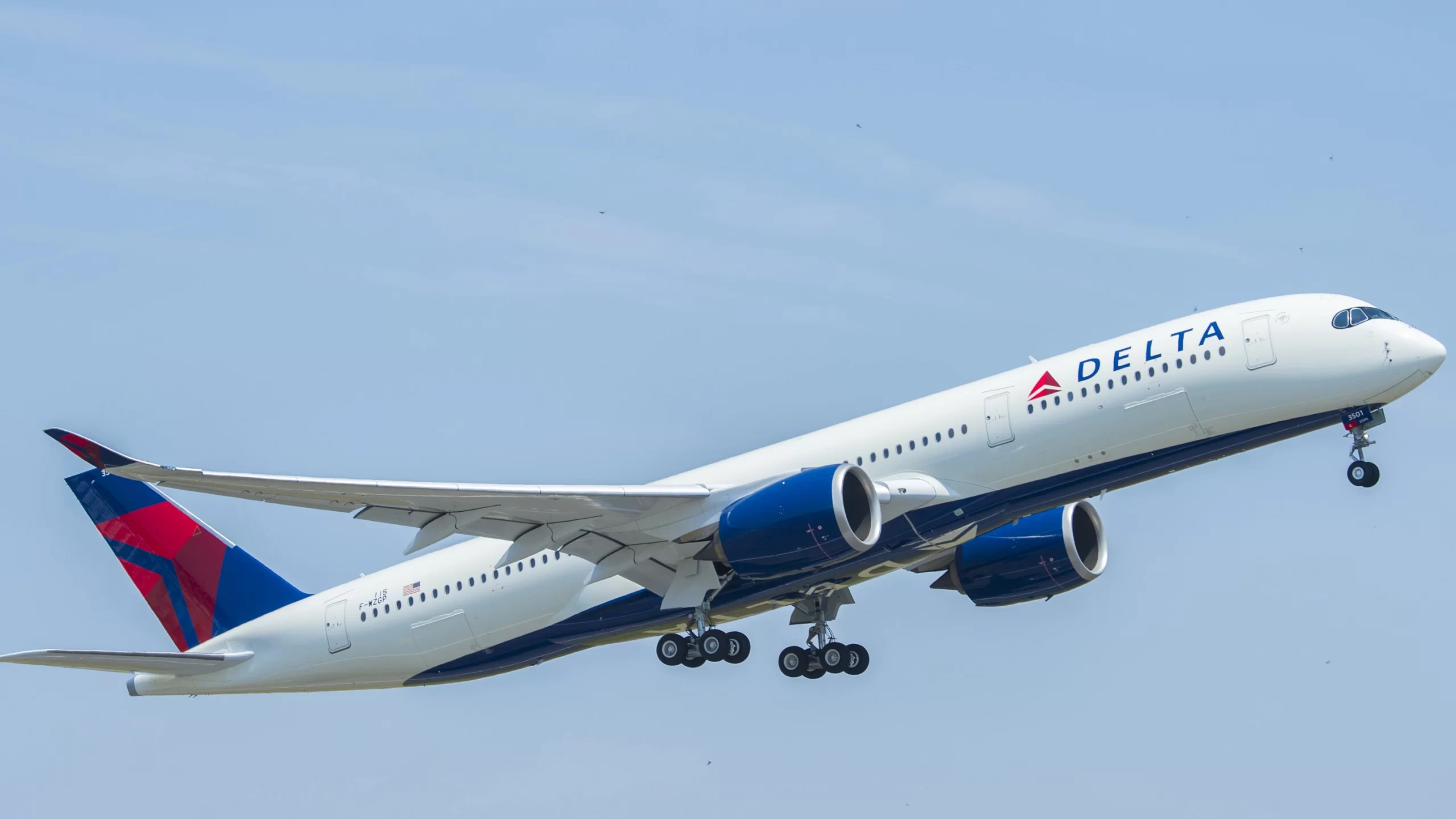
Delta Air Lines (DL) is asking a Michigan court to throw out a lawsuit filed by passenger Kimberley Hickey, who claims she suffered permanent scarring after a cup of scalding water spilled onto her lap during a transatlantic flight. According to a report by Paddle Your Own Kanoo, Hickey filed the suit last March in a Michigan district court, seeking up to $215,802 under Article 17 of the Montreal Convention.
The incident happened on August 19, 2024, aboard Delta flight DL134 from Detroit Metropolitan Airport (DTW) to Amsterdam Airport Schiphol (AMS). Delta’s attorneys now argue Hickey, a registered nurse, caused the spill herself and made her injuries worse by declining medical help and sitting in wet clothing for roughly 30 minutes.
Delta’s Defense Centers On Hickey’s Response To The Spill
Delta’s summary judgment filing does not stop at disputing how the spill occurred. It also argues that Hickey’s own conduct afterward made her injuries far more severe than they needed to be.
The airline says flight attendants urged Hickey to go to the restroom to remove her soaked pants and check for injury right away. She allegedly declined and instead placed napkins between the wet fabric and her skin.
- Hickey did not report a suspected burn until about 30 minutes after the spill.
- Crew members then offered her cold water and paged for any off-duty medical professionals on board.
- Delta says its crew also contacted Phoenix-based telemedicine provider MedAire for guidance.
Delta’s attorneys argue this sequence shows the crew responded appropriately once informed, and that the delay in reporting, not any airline failure, drove the severity of the burns.
The Legal Fight Over Article 17 Of the Montreal Convention
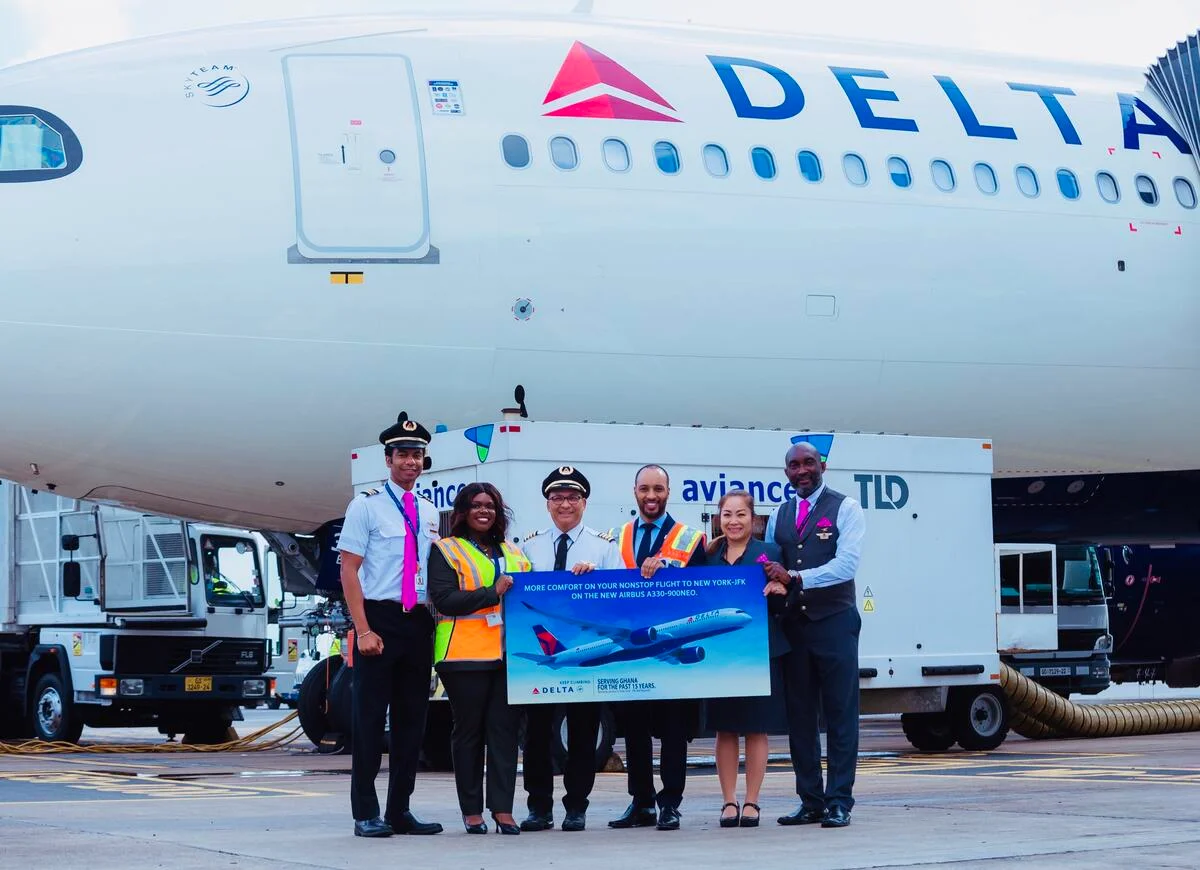
Hickey’s claim rests on Article 17 of the Montreal Convention, an international treaty that makes airlines strictly liable for injuries suffered during international flights. Courts can award up to roughly $215,000 per passenger under the treaty without the passenger needing to prove the airline was at fault.
Article 20 of the same treaty gives airlines their main defense: proving the passenger’s own negligence caused or contributed to the injury. If a court accepts that defense, it can reduce or eliminate the airline’s liability entirely.
Delta is asking the court to apply exactly that standard here. Hickey has also filed a separate state negligence claim, which Delta argues is superseded by the Montreal Convention and should be dismissed alongside the treaty claim.

Delta Admits Gaps In Its Onboard Burn Response
Despite disputing fault for the spill itself, Delta has made several notable admissions in its court filings. The airline confirmed it has no standardized procedure for handling hot water spills in the cabin.
Delta also acknowledged it does not provide lids for hot beverages served on international flights, unlike some competing carriers. Its onboard medical kits do not stock burn cream or gauze, though Delta maintains the kits meet Federal Aviation Administration requirements.
These admissions could work against Delta if the case reaches a jury, since they suggest a systemic gap in how the airline handles a recurring type of injury. “Burns from hot beverages served in-flight have been a frequent cause for Montreal Convention claims, and in many cases, the courts have sided with the victim,” one industry report noted.
How This Case Compares with Delta’s Other Passenger Injury Suits
Hickey’s case is not an isolated dispute for Delta. The airline has faced a string of Montreal Convention claims in recent years, several involving beverage carts striking passengers’ legs during service.
Gerald Goldstein sued Delta after a flight attendant’s cart allegedly struck his knee on a Florida-to-Rome connection in June 2023, a case that ended in a confidential settlement. Gail Hamilton brought a similar claim over a shoulder injury on a Paris flight, and Christopher Harris filed a third cart-related suit after a Detroit-to-Phoenix flight left him unable to continue running his construction business.
In each of those cases, Delta initially challenged the claims before settling out of court. That pattern makes Delta’s decision to seek outright dismissal in Hickey’s case notable, since most Montreal Convention disputes end quietly rather than at a contested hearing.
What Happened Next
Delta filed its motion for summary judgment at the end of March 2026. By late April, the airline and Hickey had reached a confidential out-of-court settlement through a mediator, and the case was dismissed with prejudice, meaning Hickey cannot pursue further claims over the incident.
The settlement terms were not disclosed, so it remains unclear whether Delta paid compensation or simply avoided a jury trial. Legal analysts note that airlines often prefer quiet settlements even in strong cases, since a contested ruling could create case law that invites further lawsuits over similar in-flight injuries.

.jpg)