Altitude Air, a Kathmandu-based helicopter charter operator, is preparing to expand its fleet back to three helicopters by November 2026. The company currently flies with two aircraft after one of its three Airbus H125 helicopters was damaged beyond repair in an accident near Lobuche, in the Everest region, in late October last year. Company Director Nima Nuru Sherpa confirmed the plan, Fiscal Nepal noted.
Sherpa said at least three helicopters are necessary to run services effectively, since operators need spare capacity to cover maintenance downtime, scheduling gaps, and demand across different parts of the business. He added that the helicopter segment has not performed as strongly as in past years, even during Nepal’s peak tourism season, and that rising aviation fuel prices are adding further strain.
What Happened to the Missing Helicopter
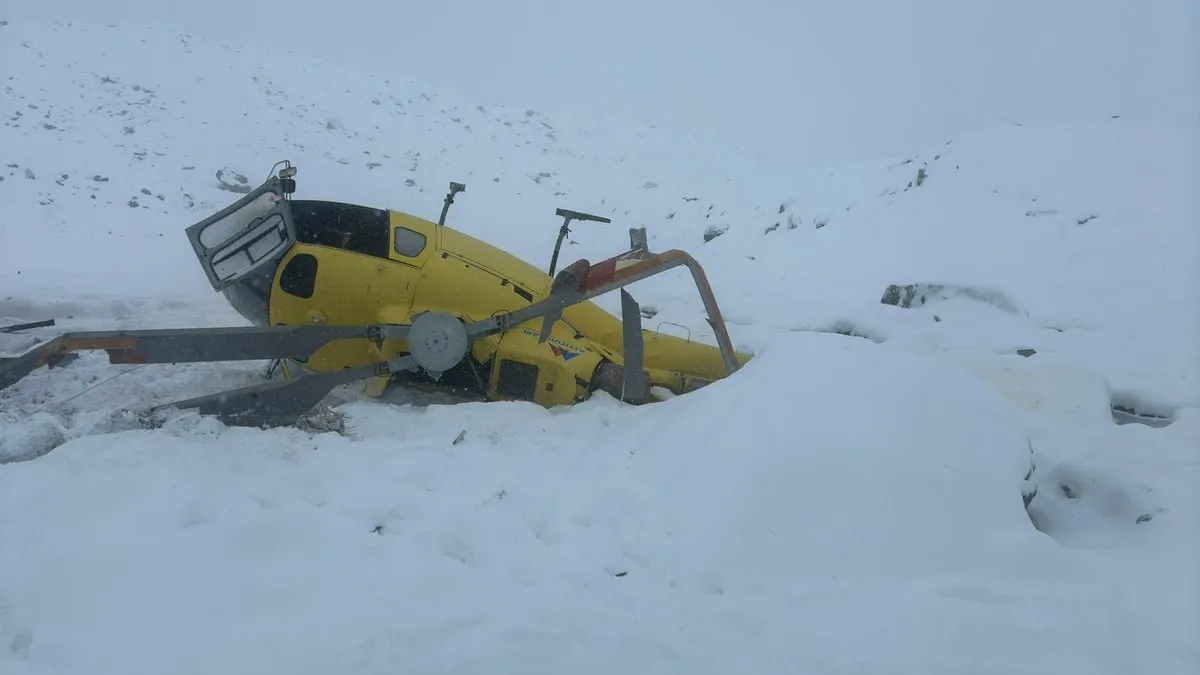
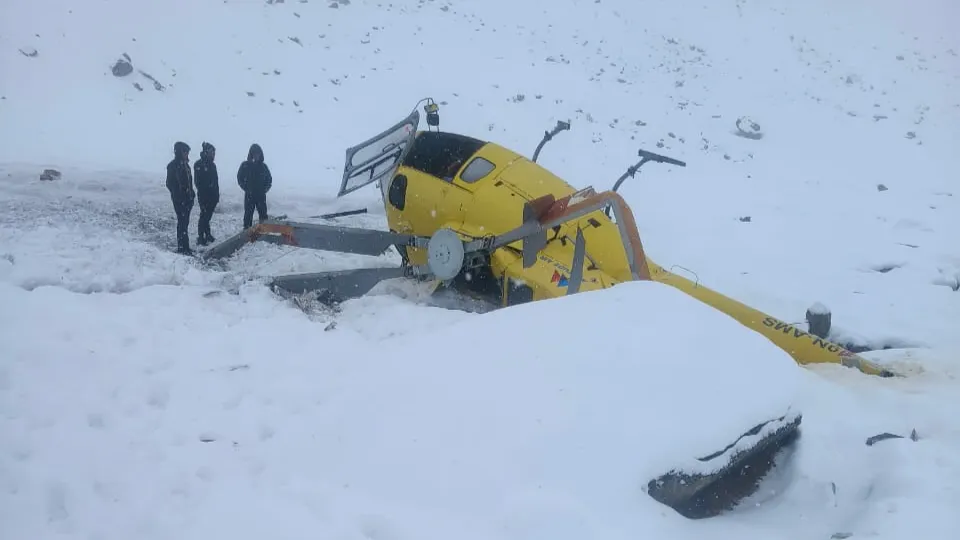
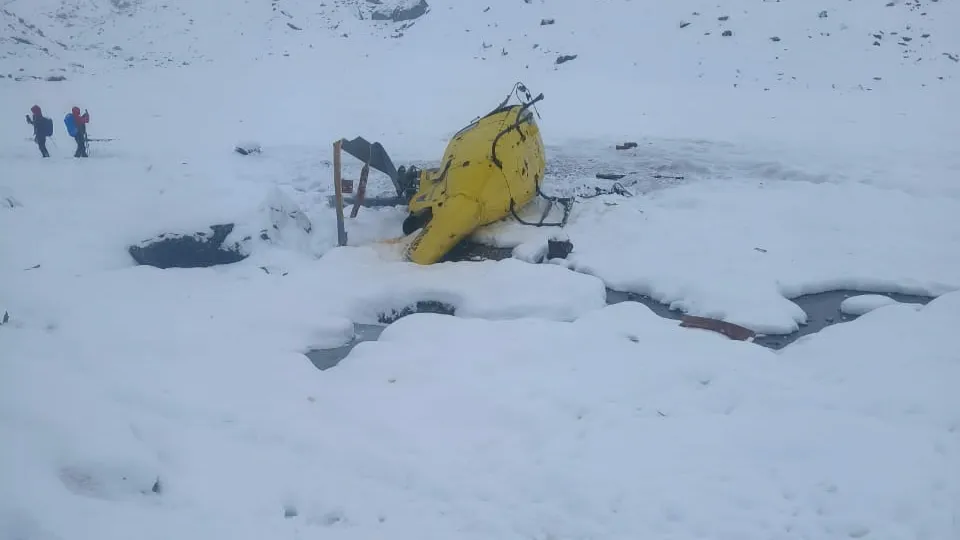
Altitude Air’s fleet gap traces back to October 29, 2025, when one of its Airbus H125 helicopters, registered 9N-AMS, skidded while landing at the Lobuche helipad in the Khumbu region. The aircraft was on a rescue flight from Lukla Airport to pick up stranded foreign trekkers when it lost balance on the snow-covered pad and toppled over. Captain Bibek Khadka, the only person on board, escaped without injury.
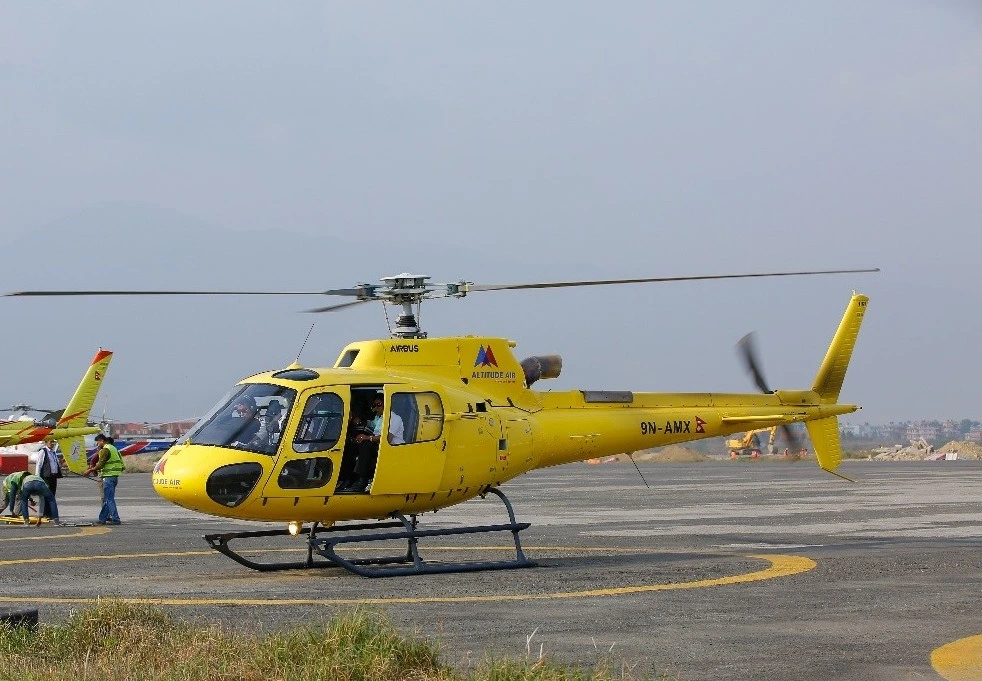
At the time of the crash, Altitude Air operated a fleet of three Airbus H125 helicopters, registered 9N-AMS, 9N-AMX, and 9N-AON. The loss of 9N-AMS left the carrier with two working aircraft, a gap it has operated with for the better part of a year. A closer report into the accident found that whiteout conditions and the absence of a dedicated weather station at the helipad contributed to the crash.
The H125, previously known as the AS350B3e, is the same helicopter model that once landed at the summit of Mount Everest. It remains the dominant aircraft type for tourism, cargo, and rescue flights across the Khumbu region, where operators like Altitude Air fly frequently to support the Everest Base Camp helicopter tour circuit.
Demand Has Stayed Weak Even in Peak Season
Sherpa’s comments to Fiscal Nepal point to a deeper problem than just fleet size. He said demand for helicopter flights has remained relatively soft compared with previous years, despite this being one of Nepal’s peak periods for trekking and mountain tourism. High operating costs are compounding the issue for a company trying to serve that demand with a reduced fleet.
Sherpa also linked recent aviation fuel price increases partly to the conflict between the United States and Iran, saying the resulting cost surge has made it harder for the broader aviation industry to maintain services. Higher fuel prices sit on top of expenses that helicopter operators already carry for maintenance, insurance, crew, and regulatory compliance.
Fuel Costs Have Turned Profits into Losses Across the Industry
Altitude Air’s struggles mirror a wider crisis across Nepal’s helicopter sector. Airline Operators Association of Nepal (AOAN) President Pratap Jung Pandey has said a roughly 15 percent jump in fuel prices erased the roughly 5 percent profit margin helicopter operators typically run, turning many flights into a 10 percent loss instead. Landing fees, parking charges, and other regulatory costs set by the Civil Aviation Authority of Nepal have also climbed in recent years.
Flight hours across the country’s helicopter operators have reportedly dropped by 20 to 30 percent over recent months. Insurance premiums for helicopter companies in Nepal now run about twice as high as comparable coverage in India.
Most Nepali helicopter companies also lack their own hangars, forcing them to repair and store aircraft under open umbrellas at airports. That workaround adds to maintenance costs and, according to participants in a recent government-convened industry discussion, may carry safety implications of its own.
Consolidation, Not Just Fleet Growth, Is on the Table
The financial pressure has pushed Nepal’s Ministry of Tourism to raise a question that would have seemed unlikely a few years ago: whether helicopter and airline companies should merge. At a June 2026 discussion at Singha Durbar, Joint Secretary Indu Ghimire asked AOAN leadership directly whether the sector’s current situation calls for consolidation.
Pandey told the gathering that mergers could suit companies operating at a loss, provided the government extends tax and other incentives similar to those given to banks and insurers. Regulators at the same meeting argued that financial health should be folded into CAAN’s safety oversight, since weaker balance sheets tend to translate into thinner training and maintenance budgets over time.
Altitude Air Staff Were Also Named in Nepal’s Helicopter Rescue Fraud Case
Altitude Air’s push to rebuild its fleet comes as the broader helicopter rescue industry in Nepal faces a separate reputational problem. Nepal’s Central Investigation Bureau charged 32 people in March 2026 over a multi-year fake helicopter rescue scam that allegedly generated close to USD 20 million in fraudulent insurance claims between 2022 and 2025. Two Altitude Air staff members, a station manager and a marketing manager, appear on the list of charged individuals.
Investigators found forged medical records, inflated helicopter invoices, and evacuations that were staged or unnecessary. The case has drawn international press coverage and raised concerns among foreign insurers about the credibility of Nepal’s helicopter rescue system, a system that legitimate operators depend on for a meaningful share of their revenue. Altitude Air has not been named as a company implicated in the charges, but the presence of two of its employees on the charge sheet adds another layer of scrutiny to an operator already working to rebuild capacity.

.jpg)
