On July 21, 2025, a Bangladesh Air Force training jet crashed into Milestone School and College in Dhaka’s Diabari neighbourhood killing 36 people, most of them children. The FT-7BGI aircraft, flown by Flight Lieutenant Md Towkir Islam, went down minutes after taking off from a nearby air base when the pilot lost control during a routine training exercise. Islam died in the crash, along with 25 students and several teachers and staff members at the school.
The disaster became Bangladesh’s deadliest aviation accident in decades and triggered a nine-member government commission to investigate the cause. That inquiry later pinned the crash on pilot error rooted in inadequate training, though investigators also flagged an unexplained mark on the aircraft’s windscreen that could point to a bird strike. The episode has renewed scrutiny of a problem Bangladeshi aviation officials have flagged for years: birds colliding with aircraft at the country’s busiest airport.
What The Investigation into The Milestone School Crash Found
A nine-member commission led by former secretary AKM Zafar Ullah Khan spent months examining the wreckage, flight records and closed-circuit footage from the crash site. The panel concluded that human error was the principal cause, citing insufficient continuity in Islam’s flight training and inadequate supervision from his commanding officer. An unsafe school building and slow emergency response worsened the death toll once the aircraft struck the campus.
Closed-circuit footage reviewed by investigators showed a black mark on the jet’s windscreen moments before the crash. The Air Force’s internal inquiry said the mark could have come from a bird strike or another airborne object, but it did not confirm the cause. Interim government spokesperson Shafiqul Alam summarised the panel’s core finding by saying “there was an error in his takeoff.”
Dhaka Airport’s Bird Strike Rate Runs Well Above the Global Average
Separately from the Milestone crash, Bangladesh’s aviation regulators have tracked a rising bird strike problem at Hazrat Shahjalal International Airport (DAC) in Dhaka for years. Safety officials cited International Air Transport Association data covering January 2023 to October 2024 showing DAC recorded 1.73 bird strikes per 1,000 flights, compared with 0.5 at the average international airport. That rate makes DAC’s bird hazard roughly three times higher than the global norm.
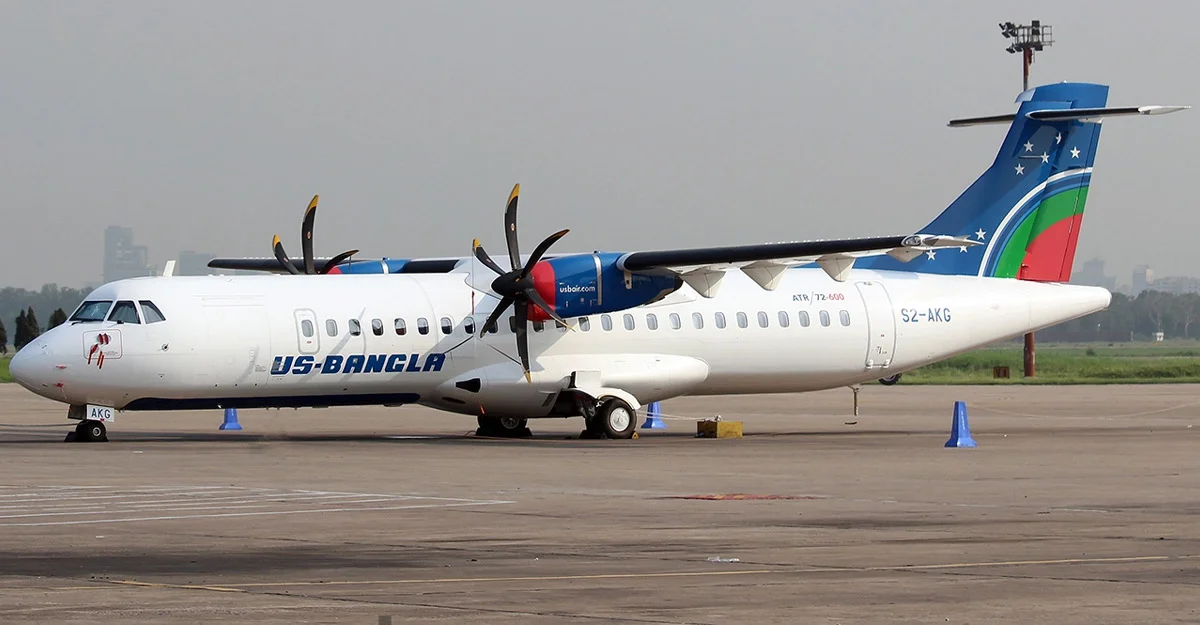
Capt AAMM Shamsuzzaman, head of safety at US-Bangla Airlines, raised the figures at a Civil Aviation Authority of Bangladesh (CAAB) workshop in January 2025. Capt Intekhab Hossain, deputy chief of flight safety at Biman Bangladesh Airlines (BG), told the same workshop that the airline logged 10 major bird strike incidents between May 2023 and May 2024. He pointed to South Korea’s Jeju Air crash on December 29, 2024, which killed 179 people, as a warning sign after the pilot reportedly radioed a bird strike moments before the accident.
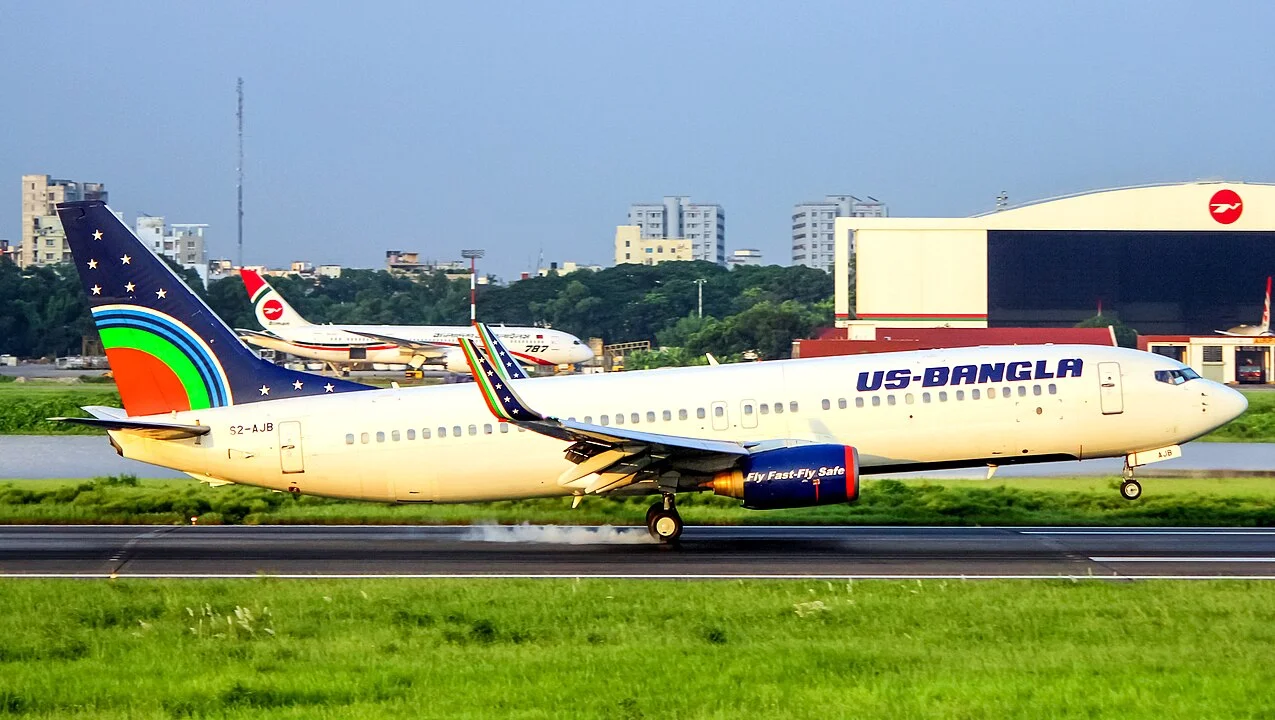
Dhaka’s Bird Monitoring System Has Sat Broken for Months
CAAB installed a bird monitoring system at DAC in 2022 at a cost of more than Tk1 crore, but the equipment has been out of service for an extended period. One of its five surveillance cameras stopped working, and the core system now needs to be shipped to Italy for repair. Officials admit they currently have no reliable backup to track bird activity near the runway.
Several other deterrent tools have also degraded. Aviation expert Kazi Wahidul Alam called Bangladesh’s elevated strike rate “alarmingly high” when compared with the global figure. The gaps in Dhaka’s defences include the following:
- Laser lights once used to scare birds at night are no longer operational
- Gas cannons fire sound blasts every 10 minutes but work poorly during daylight hours
- CAAB should field roughly 20 bird-shooter guns, yet only one currently works
- Just three CAAB bird control staff cover the airport, supplemented by two Air Force shooters per shift who are unavailable on weekly holidays
Aviation expert ATM Nazrul Islam noted that other countries use chemical sprays to reduce underground insect populations that draw birds, a method Bangladesh has not adopted.
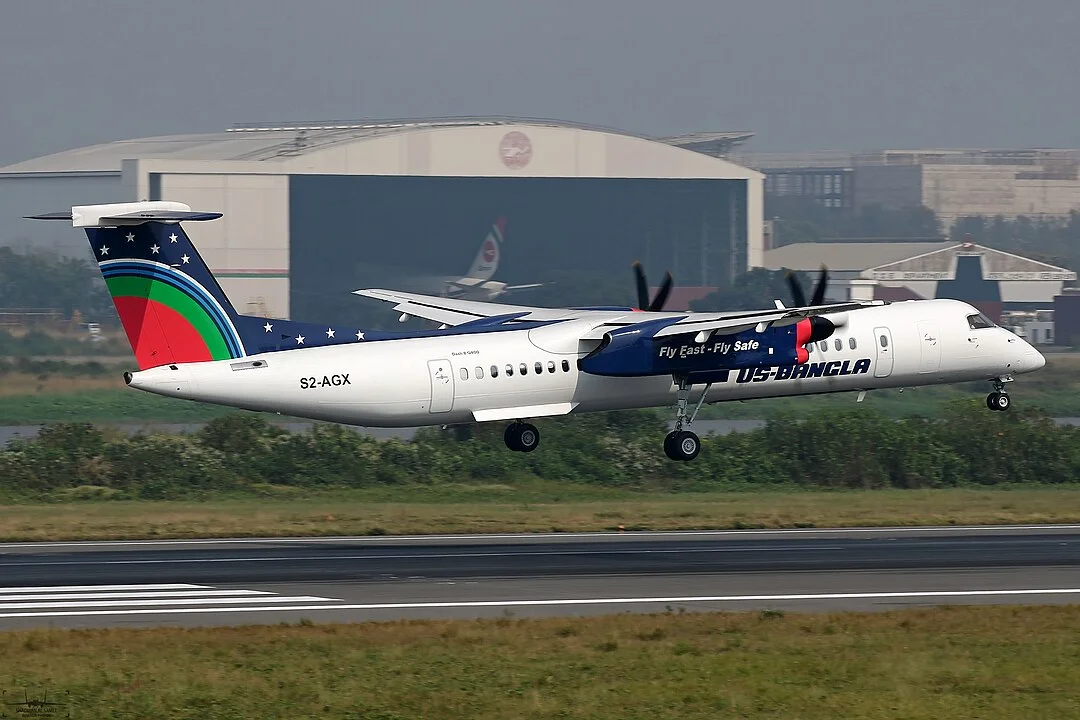
Recent Bird Strikes Have Damaged Aircraft from Multiple Airlines
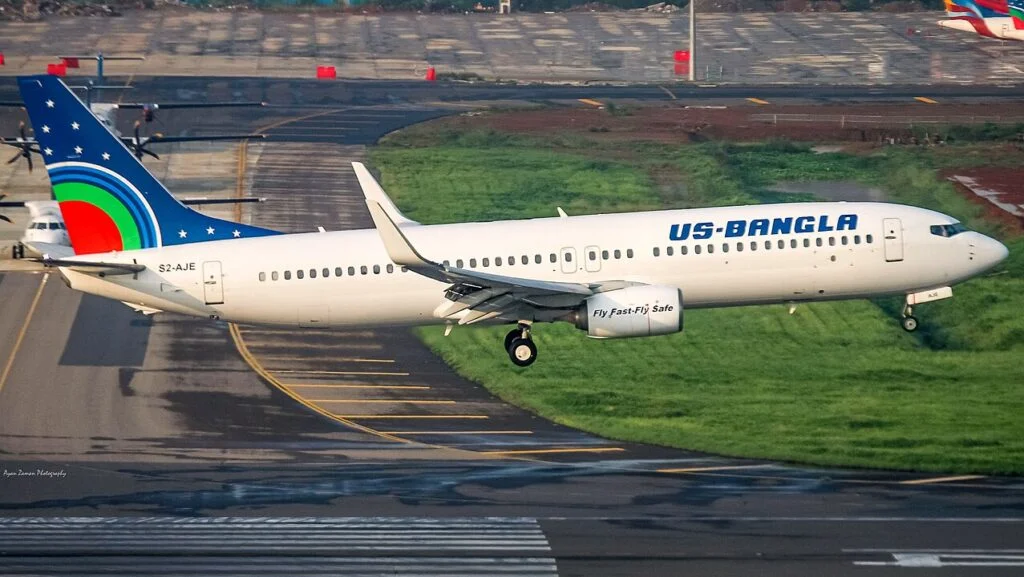
Bird strikes at DAC are not rare events confined to a single carrier. On May 20, 2025, a Turkish Airlines (TK) flight suffered an engine fire after a bird strike shortly after takeoff, and the pilot executed an emergency landing that brought all 290 people aboard down safely. Just over a month later, on June 27, 2025, Biman flight BG584, a Boeing 737-800 bound for Singapore, turned back to Dhaka after a post-flight inspection confirmed a bird strike had caused engine problems during initial climb, according to the Aviation Safety Network.
Earlier incidents point to a longer pattern. In August 2023, a Biman flight to Bangkok aborted takeoff after a bird strike burst one of its tyres, forcing passengers to disembark on the taxiway, while a FlyDubai (FZ) flight abandoned takeoff the same day after a bird strike damaged three engine propeller blades. A Biman Dreamliner also sustained engine damage from a bird strike while landing at DAC in December 2022. Officials at multiple airlines say the recurring damage is generating significant financial losses.

Black Kites Drive Most of the Bird Activity Around Dhaka Airport
Roughly 80 to 82 percent of birds in the DAC area are Black Kites, according to Group Captain Md Kamrul Islam, the airport’s executive director. He described the effort to manage the population as “a challenging job” and said CAAB runs both active measures, such as bird shooters, and passive tools, including detection systems, sound repellents and laser guns.
Professor Md Anwarul Haq Beg of Sher-e-Bangla Agricultural University, who leads a committee studying seasonal bird activity around DAC, has linked the problem to the airport’s surroundings. Nearby water bodies draw fish and insects that in turn attract birds, while food waste and untrimmed grass on airport land add to the appeal. Dense bushes near the perimeter also shelter grasshoppers and butterflies that bring in additional bird species.

What Aviation Officials Say Needs to Change
CAAB Chairman Air Vice Marshal Md Manjur Kabir Bhuiyan chaired a recent emergency meeting that recommended restoring the bird monitoring system, buying additional shooter guns and expanding ground staff. He urged airlines to adopt what safety officials call a “just culture,” a framework meant to encourage open reporting of safety incidents without fear of punishment. Bhuiyan has repeatedly stressed that recent global aviation disasters make vigilance essential.
A separate CAAB-organised workshop in January 2025 pushed for a coordinated waste management plan with Dhaka North City Corporation to cut off the food sources drawing birds to the airport perimeter. Officials also proposed upgrading DAC’s Instrument Landing System from Category 1 to Category 2, a change aimed at winter fog disruptions rather than bird strikes directly.