Pilot strength, not aircraft count, increasingly defines which air force can sustain a war. At a time like this when geological stability has been rocked by the US-Iran war (where we have already seen an A-10 and an F-15 downed), the skirmish between India and Pakistan which led to an airspace standoff, the revolution in Nepal that could have seen its iarport burned to the ground – have led people to wonder which air forces in the world have the largest air force. This countdown that was compiled from the data reported in The Flying Engineer, works through that ranking from tenth to first, cross-checking each figure against other aviation and defense sources.
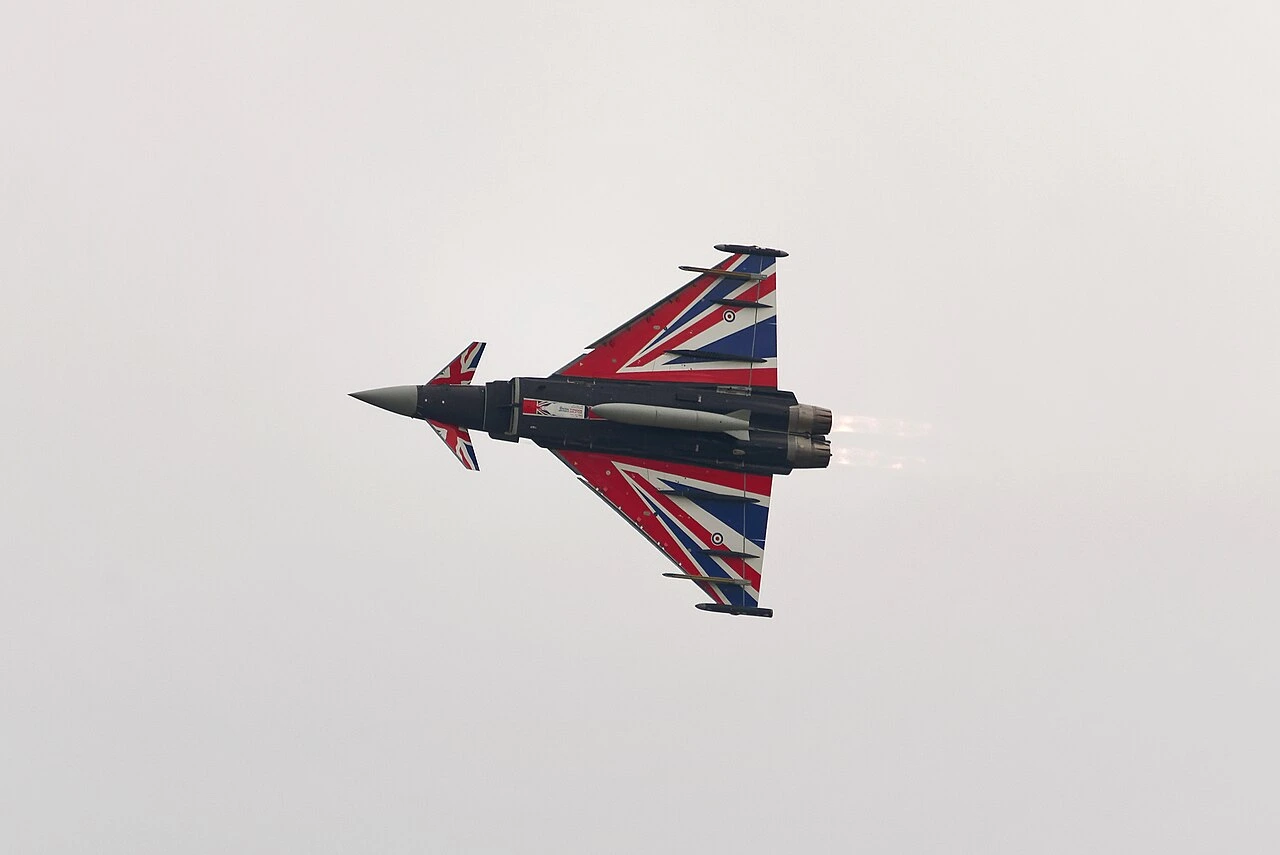
10. United Kingdom — An Estimated 2,000-2,500 Pilots
The United Kingdom closes out the top 10 with an estimated 2,000 to 2,500 active pilots, a force built on quality rather than raw numbers. The Royal Air Force operates a fleet centred on the Eurofighter Typhoon and a growing fifth-generation contingent.
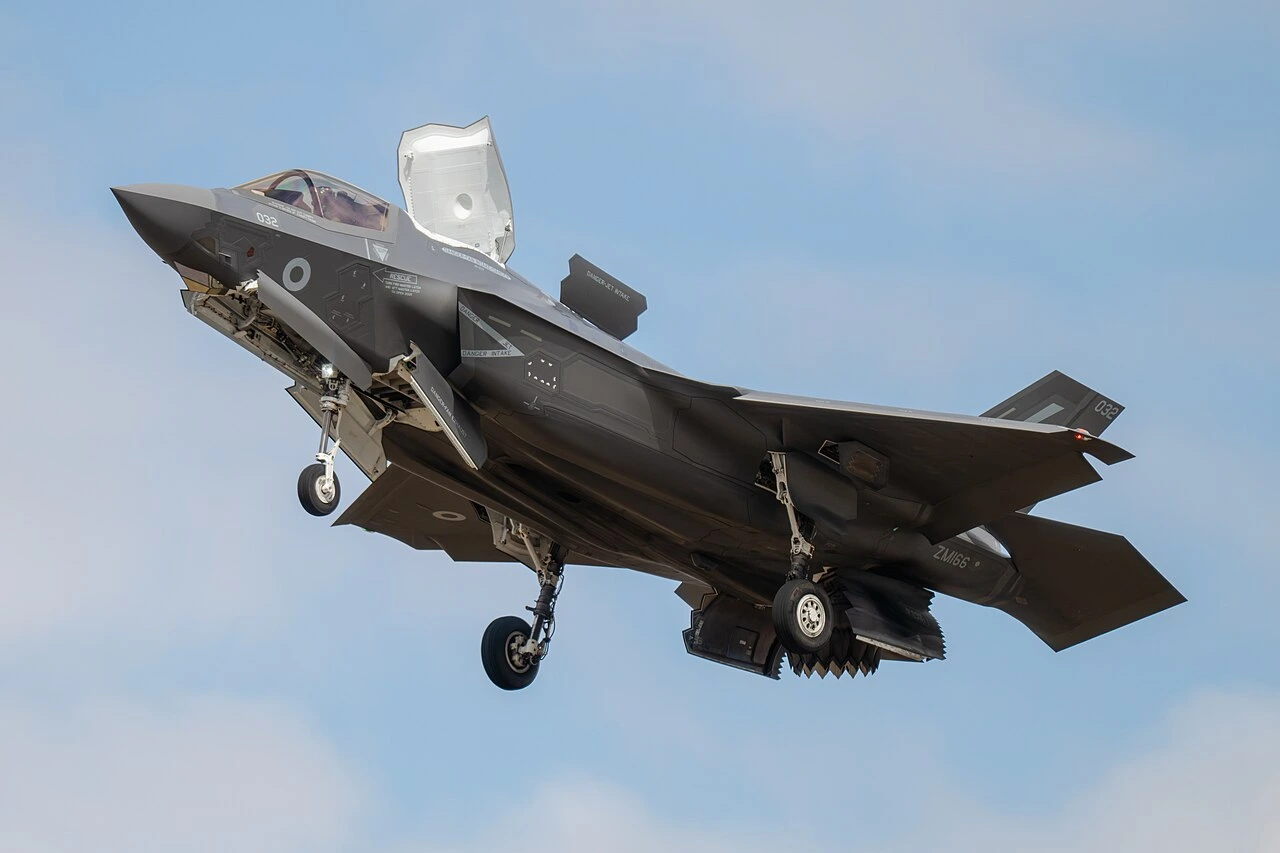
Nineteen countries now operate or are preparing to operate the F-35, and the UK sits among the earliest adopters, flying the short-takeoff F-35B variant from both land bases and its Queen Elizabeth-class carriers. That carrier commitment adds an extra layer of training complexity for a relatively small pilot pool, since deck qualification demands separate certification on top of standard fast-jet conversion.
The RAF’s training pipeline runs cadets through the Texan T-6C for basic instruction before advanced students progress to the Hawk T2 for fast-jet handling. Fighter-track graduates then convert onto either the Typhoon or the F-35B, a process that typically takes several years before a pilot reaches an operational squadron.
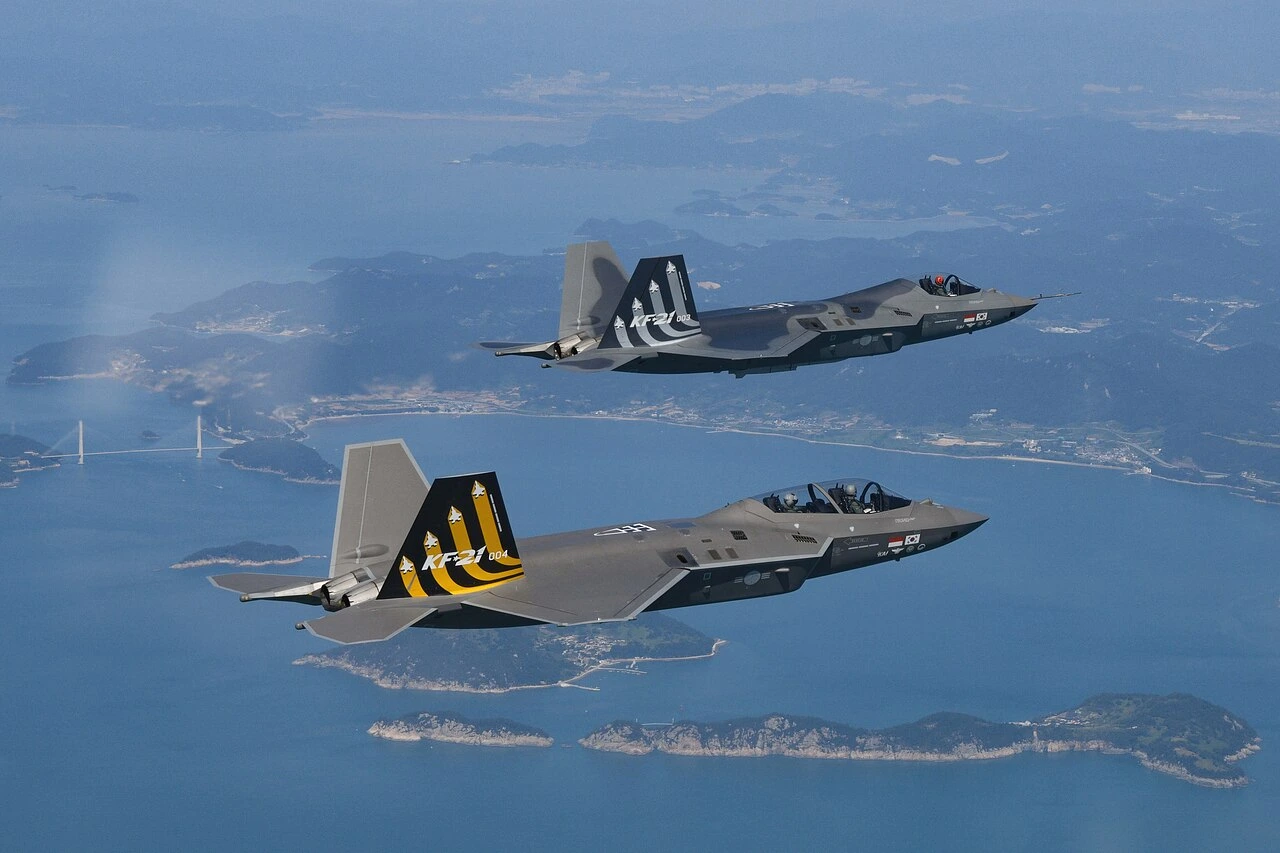
9. South Korea — An Estimated 2,500-3,000 Pilots
South Korea ranks ninth with an estimated 2,500 to 3,000 pilots supporting a modern, US-aligned fleet. The Republic of Korea Air Force (ROKAF) flies the F-35A, F-15K, and KF-16 alongside a fast-growing domestic fighter programme that is the KF-21.
Korea Aerospace Industries expects to deliver eight KF-21 Boramae fighters to the ROKAF by the end of 2026, with 40 already on firm order and a further 80 anticipated in a second batch. Every new KF-21 squadron will require pilots trained on a fully domestic cockpit for the first time in South Korean history.
The first 40 Block 1 jets are optimised purely for the air-to-air mission, while the follow-on Block 2 aircraft will add ground-attack capability. That phased rollout means South Korea’s fighter pilots will train on an evolving aircraft rather than a finished, static design, adding an extra layer of complexity to an already growing pilot pool.
8. Egypt — An Estimated 3,000-3,500 Pilots
Egypt ranks eighth and fields the largest air force in Africa and the Middle East by pilot numbers. Recent procurement from France, Russia, and the United States has diversified and modernised its combat fleet considerably.
Pilot training capacity has expanded in step with that diversification, since flying French, Russian, and American types side by side demands separate conversion pipelines for each aircraft family. That multi-type complexity is one reason Egypt’s estimated pilot count sits close to France’s despite operating a larger overall fleet.
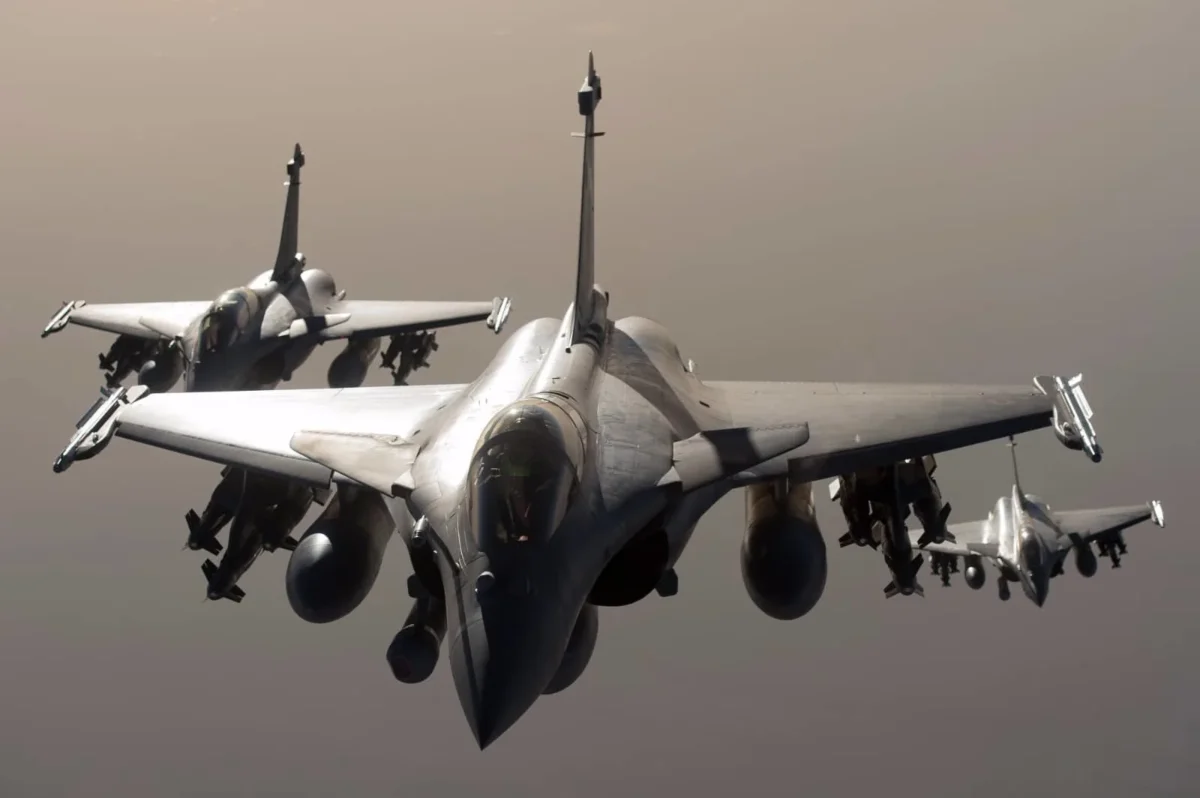
7. France — An Estimated 3,000-3,500 Pilots
France ranks seventh with an estimated 3,000 to 3,500 pilots trained to NATO standards and regularly deployed on expeditionary missions. The French Air and Space Force emphasises quality and operational experience over sheer numbers, a philosophy embodied by its Dassault Rafale fleet.
The French Built Dassault Rafale is one of the marvels of modern fighter jets and achieves genuine omnirole capability from a single airframe, covering air superiority, nuclear deterrence, and anti-ship warfare simultaneously. Dassault closed 2025 with a firm backlog of 220 Rafale aircraft, split between French and export orders, which will keep demand for French-trained Rafale pilots high for years.
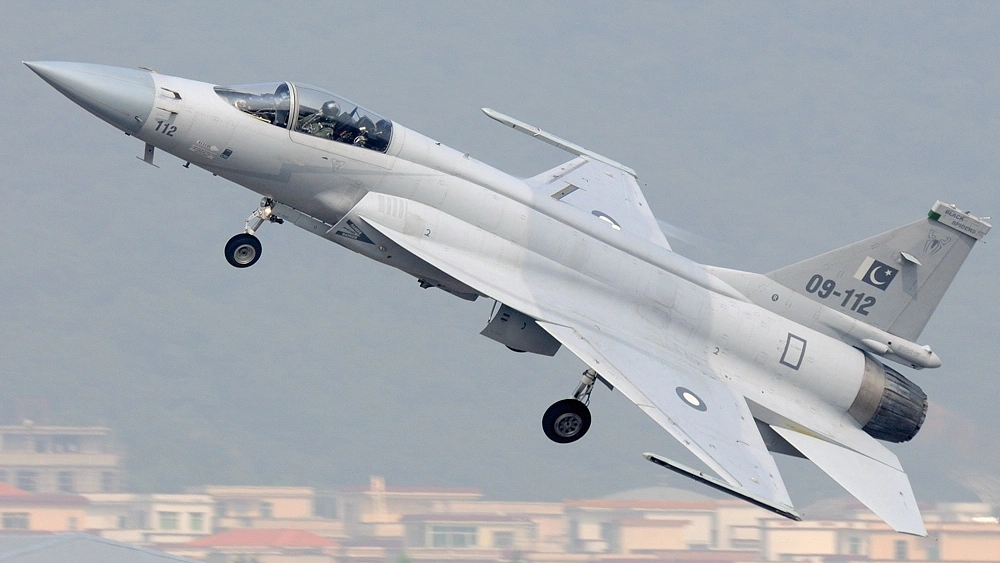
6. Pakistan — An Estimated 3,500-4,500 Pilots
Pakistan ranks sixth with an estimated 3,500 to 4,500 pilots in a battle-tested air force shaped by recent combat experience against India. Budget constraints limit flight hours, but the Pakistan Air Force has historically prioritised tactical proficiency out of necessity given regional tensions.
That proficiency was tested directly during the 2025 India-Pakistan air engagement, when Pakistan’s J-10C fighters reportedly downed multiple Indian aircraft in what analysts described as one of the most intense air-to-air battles between two nuclear-armed states in recent history. India has not confirmed any losses from that engagement.
5. North Korea — An Estimated 5,000-6,000 Pilots
North Korea ranks fifth despite operating a largely outdated fleet, a gap between quantity and capability that defines its position on this list. Global Firepower data places North Korea’s fighter and interceptor count at 341 aircraft, a total that exceeds several nations with larger overall fleets but far less combat-relevant hardware.
Large pilot numbers built around legacy Soviet-era airframes illustrate why raw headcount alone does not determine air power. Analysts generally treat North Korea’s ranking here as a measure of force size rather than genuine combat readiness.
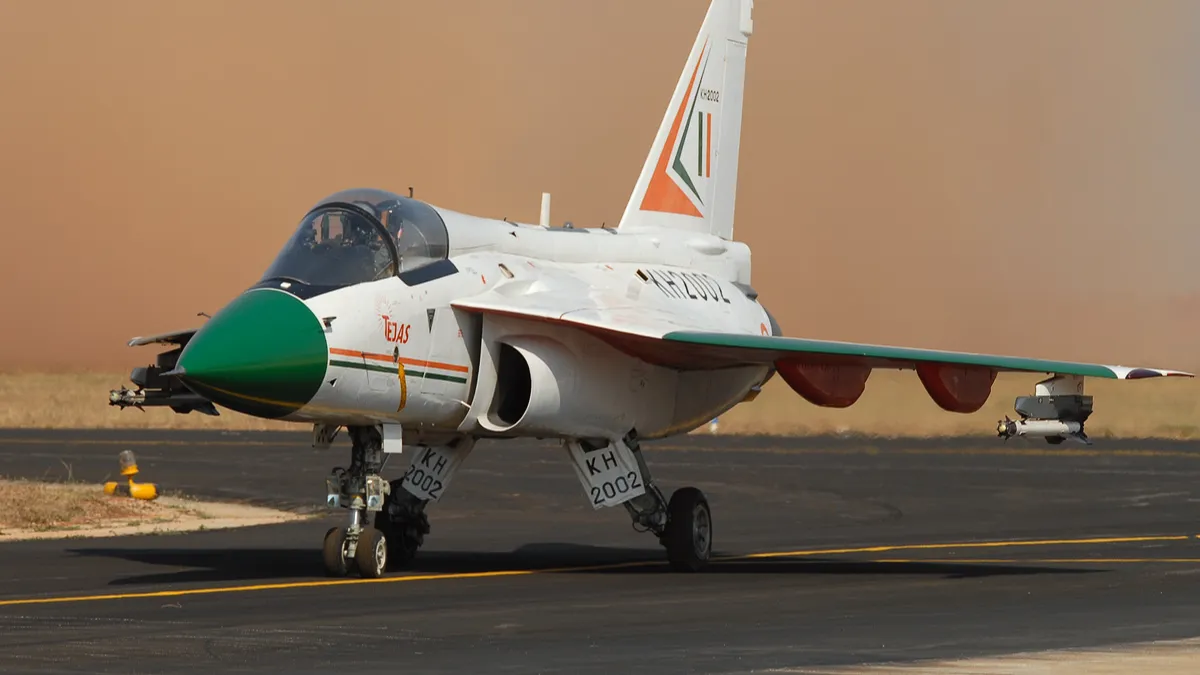
4. India — An Estimated 2,296-9,000 Pilots
India ranks fourth on most lists, though estimates vary enormously depending on methodology, and its pilot corps remains stretched relative to its authorized strength. Hindustan Times reported the Indian Air Force is authorized for 4,239 cockpit billets but can fill only about 3,834, a shortfall of roughly 400 pilots.
The shortage is complicated by fleet diversity. Roughly half of India’s fighters and nearly all of its trainers trace their design lineage to Russian manufacturers, and delayed simulator parts from Russia have made converting cadets onto frontline Sukhoi jets riskier. The Indian Air Force (IAF) also needs about 650 pilots just to keep the carrier INS Vikramaditya’s air wing staffed.
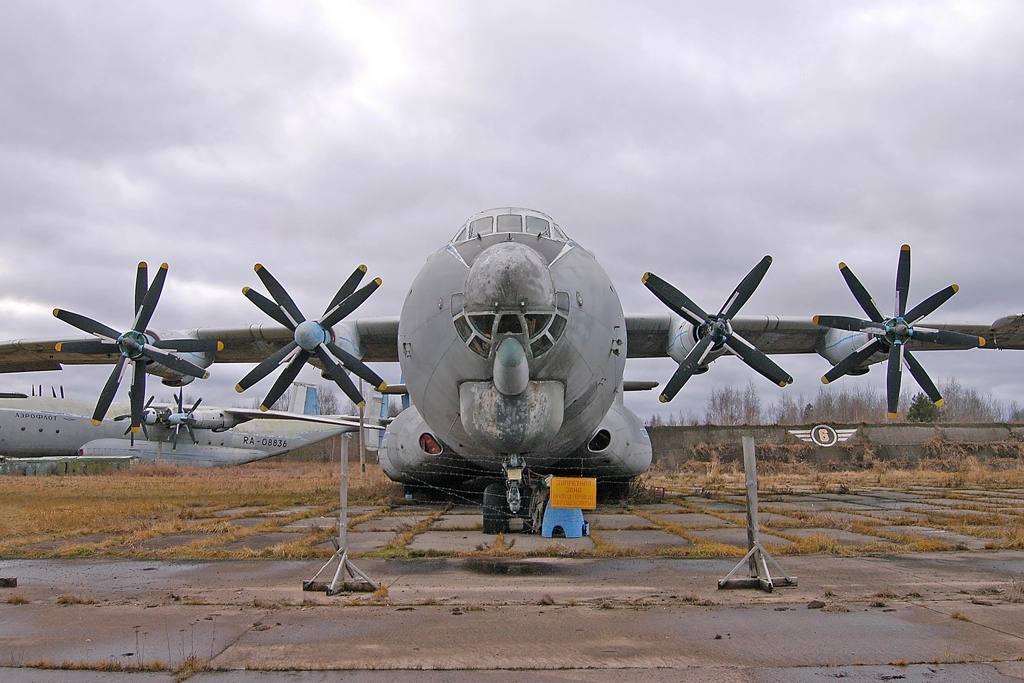
3. Russia — An Estimated 4,000-10,000 Pilots
Russia ranks third in most counts, but the war in Ukraine has exposed how readiness can lag behind raw numbers. Simple Flying reports the Russian Aerospace Forces rely on roughly 4,000 to 5,000 aviators to crew 4,211 aircraft, a ratio close to one pilot per airframe with little spare capacity.
Combat losses and reduced training hours have compounded the strain. Some Russian pilots reportedly flew as few as 60 to 80 hours annually before the Ukraine conflict began, well below the 200-plus hours logged by US and Israeli fighter pilots each year.
Russia has responded by shifting toward stand-off weapons and drones rather than repeated manned sorties over contested airspace. This tactical shift reduces pilot exposure, but it also signals that Moscow cannot easily replace experienced aviators lost since 2022.
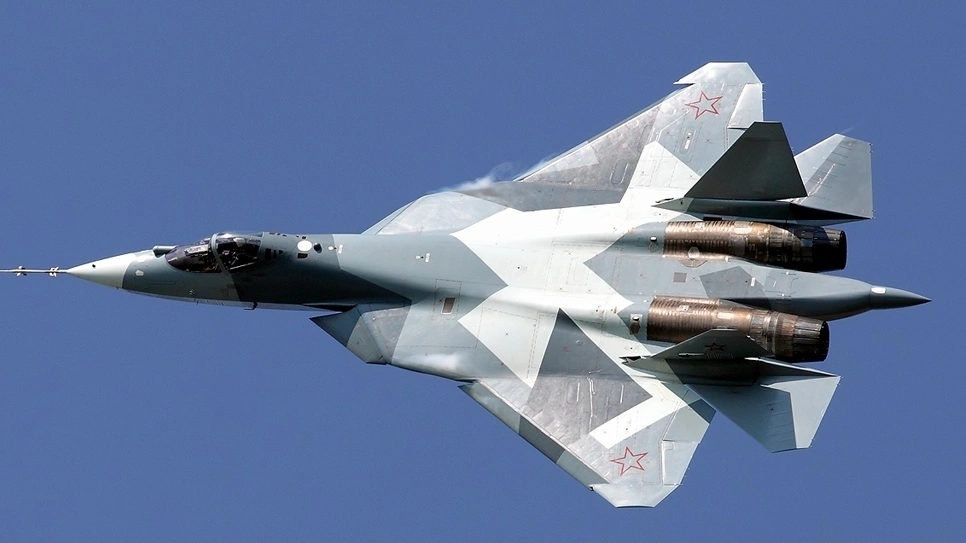
2. China — An Estimated 4,000-15,000 Pilots
China ranks second on most lists, though estimates vary from roughly 4,000 to 15,000 active pilots depending on whether naval and army aviation are counted separately. Simple Flying reports the People’s Liberation Army Air Force (PLAAF) fields around 4,000 active-duty pilots, a figure built primarily around fighter and bomber crews.
Naval aviation has expanded the fastest. The carriers Liaoning and Shandong reportedly carry around 300 deck-qualified pilots between them, while the newer Fujian will need at least 200 more once it completes sea trials. Eurasian Times has reported that China’s naval aviation programme has lost more than 2,000 pilots since its founding, underscoring how costly building a carrier-capable pilot corps has been. Last year, it was reported that WDMMA rankings places China higher than India in its rankings.
China’s stealth fighter fleet has grown alongside its pilot pipeline. The Chengdu J-20 fleet exceeded 300 aircraft by September 2025, making it the largest fifth-generation fighter fleet outside the United States, with annual production running between 100 and 120 airframes.
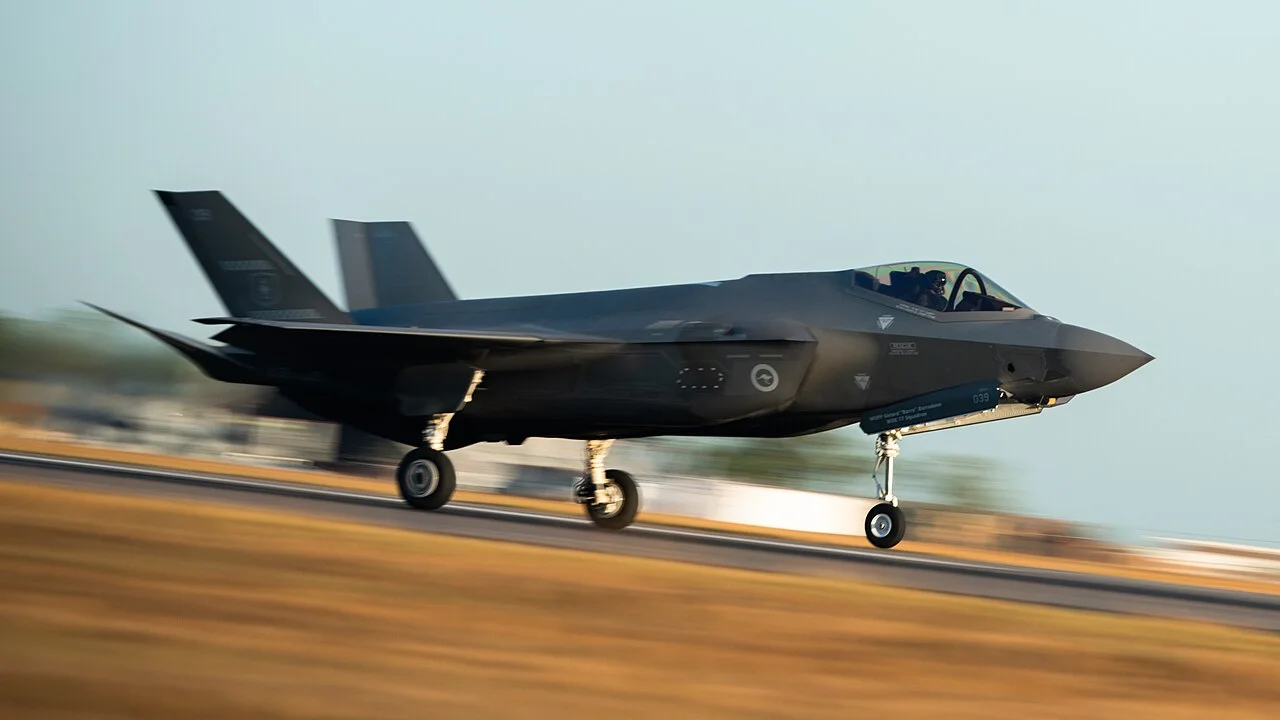
1. United States — An Estimated 14,486-37,000 Pilots
The United States Air Force (USAF) leads by a wide margin, though its own pilot count is disputed even among aviation outlets. Simple Flying’s most recent count lists 37,000 pilots across the armed forces, including roughly 13,000 in the Air Force, 10,000 naval aviators, and 14,000 Army helicopter pilots.
That scale carries a cost. The Air Force Times reported the service fell short of its pilot goals by nearly 1,850 positions in 2024, including 1,142 unfilled fighter pilot slots. A Mitchell Institute report cited by Simple Flying warned that experience levels keep dropping because “the Air Force’s combat pilot experience levels continue to drop.”
The human cost of maintaining that pilot corps becomes visible whenever a crew goes down. When a USAF Boeing F-15E Strike Eagle crashed over Iranian territory on April 3, 2026, more than 21 aircraft and dozens of personnel took part in recovering its two-member crew, a mission that cost two Lockheed MC-130 aircraft and two Army MH-6 helicopters. Retired Gen. David Goldfein, who was shot down over Serbia in 1999, later summed up the stakes of any such recovery: “The race is on between who gets to them first.”
Why These Rankings Should Not Be Read in Isolation
Ranking air forces by aircraft paints a different picture than ranking them by pilots, and the two lists should not be treated interchangeably. Global Firepower data shows the United States operates 13,032 total aircraft, more than the next three countries combined, with Russia second at 4,237 and China third at 3,529, an order that briefly swaps Russia and China compared with several pilot-based lists.
Israel illustrates the gap well. The country maintains several hundred F-16s but reportedly cannot fully crew the fleet due to pilot constraints, according to The Flying Engineer’s analysis, showing that fleet size alone does not guarantee usable air power.
Most pilot totals cited across this countdown are unclassified estimates rather than official figures, a point reinforced by the International Institute for Strategic Studies’ Military Balance, which compiles personnel data from open sources across more than 170 countries every year. Commercial aviation’s continued expansion adds further pressure across nearly every air force on this list, as airlines compete for the same pool of trained aviators with salaries the military cannot always match.
Fifth-Generation Fighters Are Reshaping Pilot Demand
The spread of stealth fighters is changing how many pilots each air force needs, and who can train them fast enough. Nineteen countries now operate or are preparing to operate the F-35, a fleet that surpassed 1,300 aircraft globally by the end of 2025 after Lockheed Martin delivered a record 191 jets that year.
Fifth-generation cockpits demand longer conversion training than older fighters because pilots must master sensor fusion and networked combat data alongside traditional flying skills. Japan illustrates this pressure directly: Simple Flying reports Tokyo will need more than 100 qualified F-35B pilots once its Izumo-class carrier reaches full operational tempo, on top of its existing land-based fighter force.
The F-22 Raptor remains a cautionary example of how small a fifth-generation fleet can stay even decades after entering service. The Raptor fleet totals roughly 185 airframes, with only 142 combat-coded for frontline duty, a force the United States never expanded beyond a fraction of its original 750-aircraft plan.
,_Radom_Air_Show,_20230826_1659_9951.jpg)


_AN1458664.jpg)

