

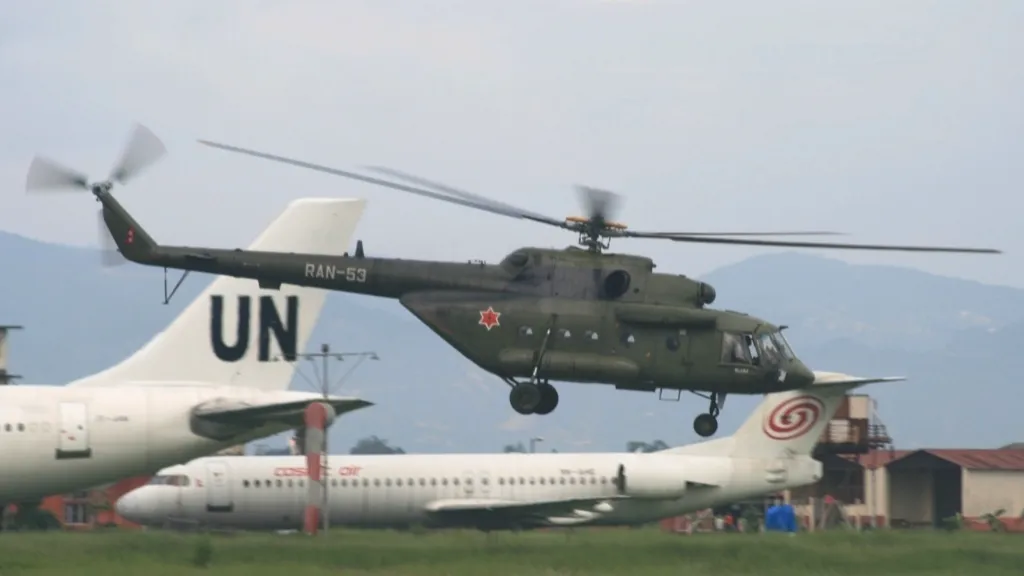
During the Gen-Z protests that engulfed Nepal on September 8 -9, 2025, protestors had come to burn down Tribhuvan International Airport, confirmed Nepali Army in a press conference organized today at 2 pm local time.
In the first press conference organized by the Nepalese Army following the Gen-Z uprising in Nepal, Director General of Military Operations, Major General Anupjung Thapa, said that around 2000 people had come to attack the busiest international airport of Nepal. Thapa also said that 15 of them were loaded with petrol jerry cans.
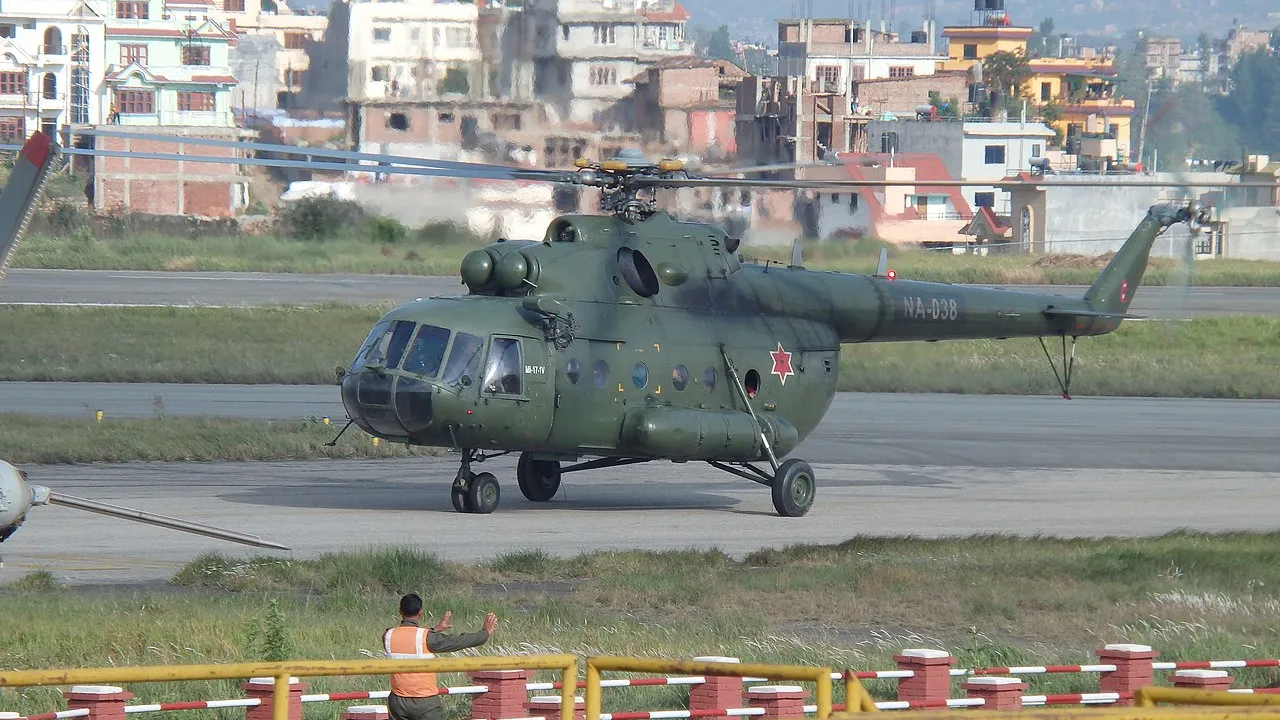
Nepal’s Army Role in Performing Air Rescues following the Gen Z Protests
The first day of Gen-Z protest in Nepal saw a lot of (high) school children and college graduates take to the streets to raise their collective voices against the increasing corruption in Nepal coupled with a ban on social media. The protests turned into a bloodbath after 19 protestors died. The same day, doctors working in government hospitals said that police hadn’t spared wounded people who were taking refuge in state-run hospitals.
The day following this bloodbath was one of the most remarkable in the politics of Nepal: then Prime Minister KP Sharma Oli resigned, Sher Bahadur Deuba, the leader of Nepali congress and a seminal figure in the coalition government of the country was attacked by the angry protestors, who physically damaged and/or torched:
- 688 government offices
- 259 personal houses
- 128 business houses
- 198 offices of various political parties of Nepal
- 307 police offices
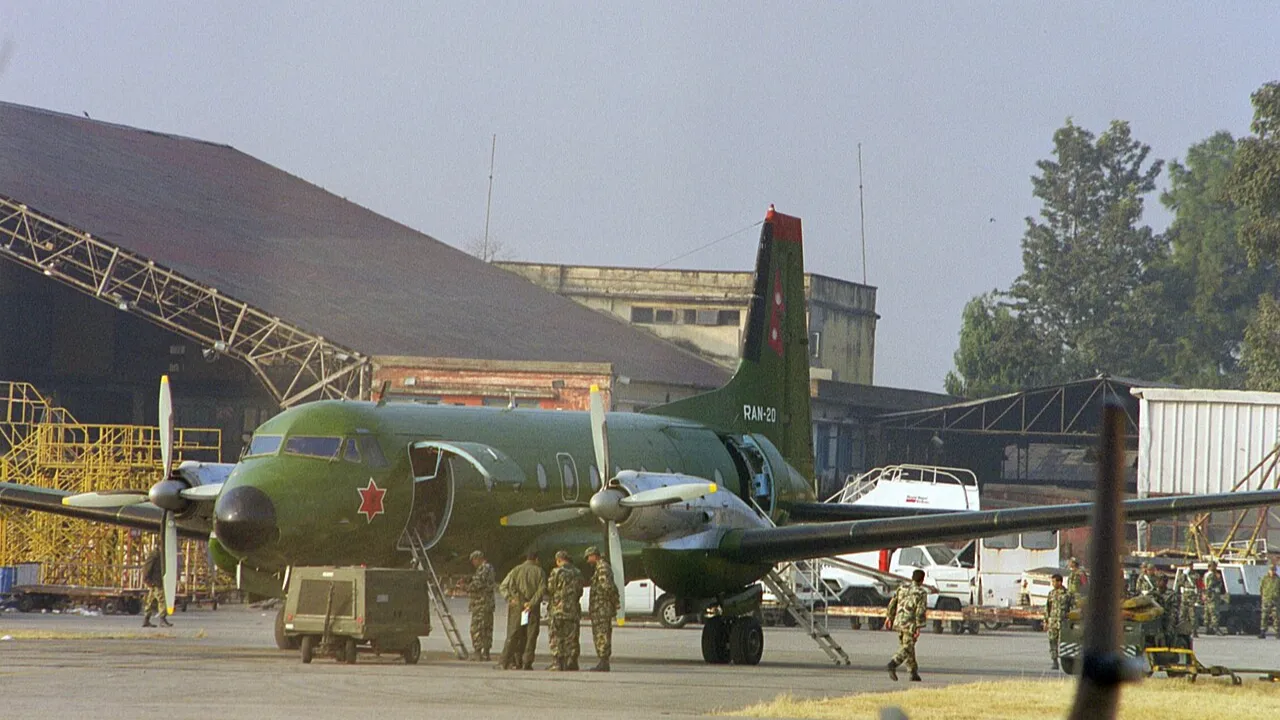
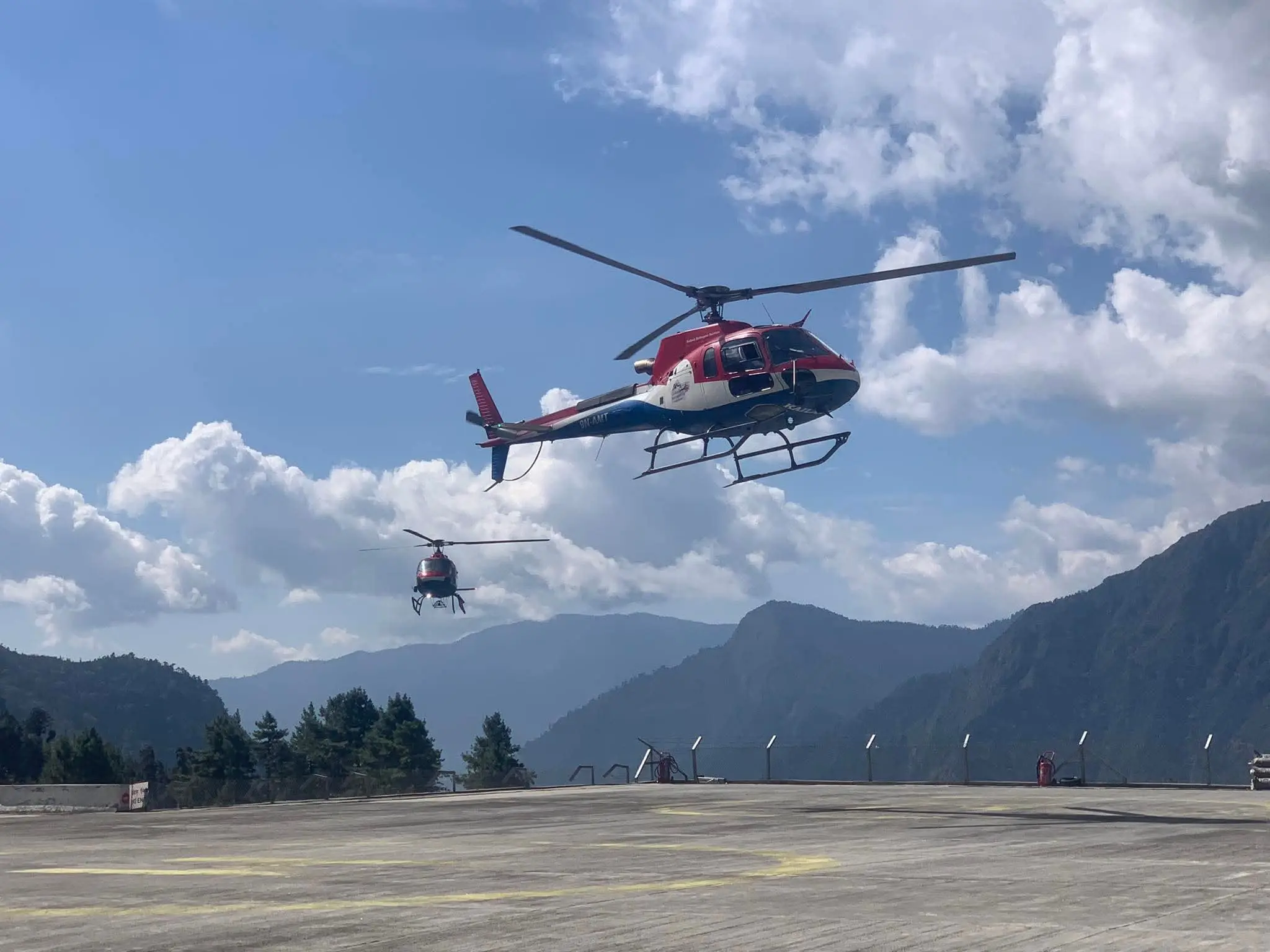
Following the very palpable security scare on September 9, Nepalese Army rescued 61 (V)VIPs and their family members using helicopters. From Maharajgunj Police Station alone, 23 police officers were air-rescued.
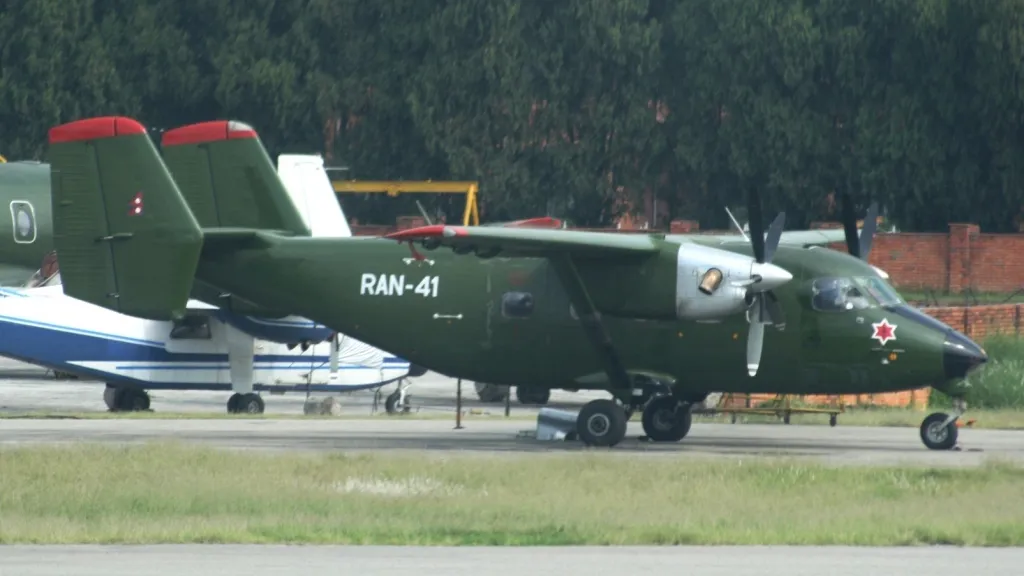
A few days before the Gen-Z protests, the United States presented two M28 skytruck to the Nepal Army. One of these was an air ambulance, while the other was a regular skytruck. Nonetheless, both of these were handed over as part of US’ Foreign Military Financing (FMF) grant.
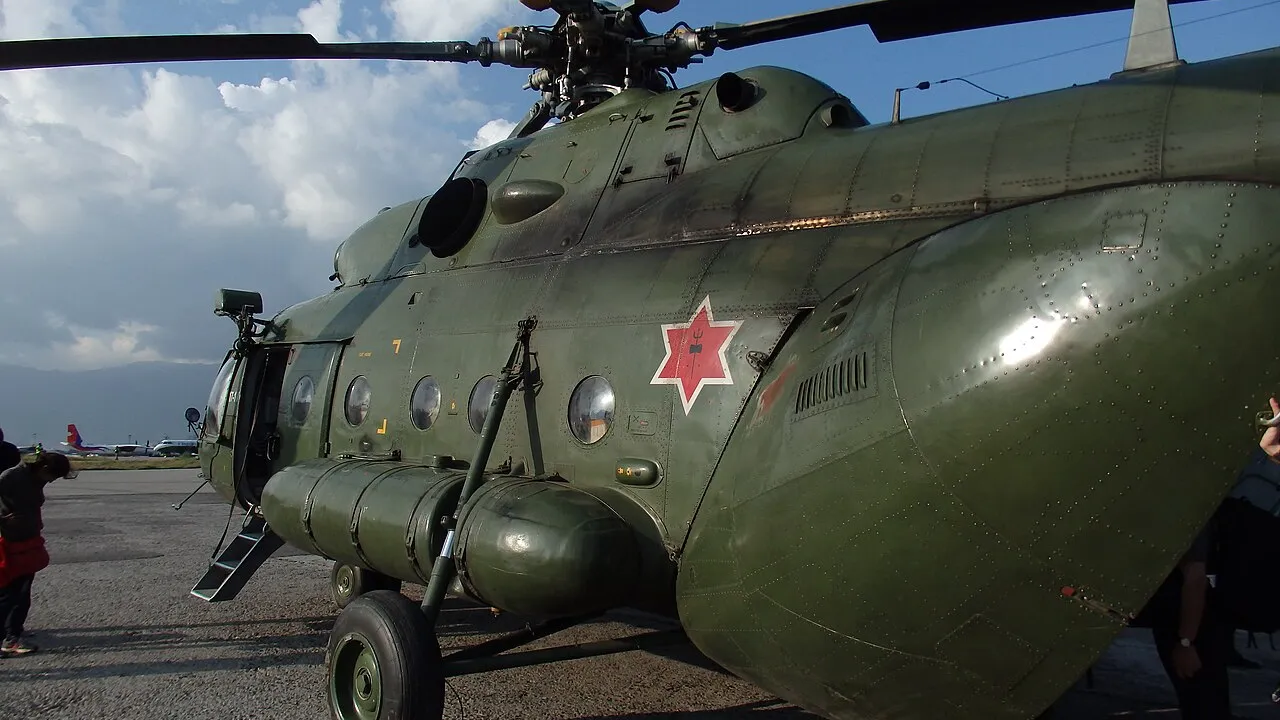
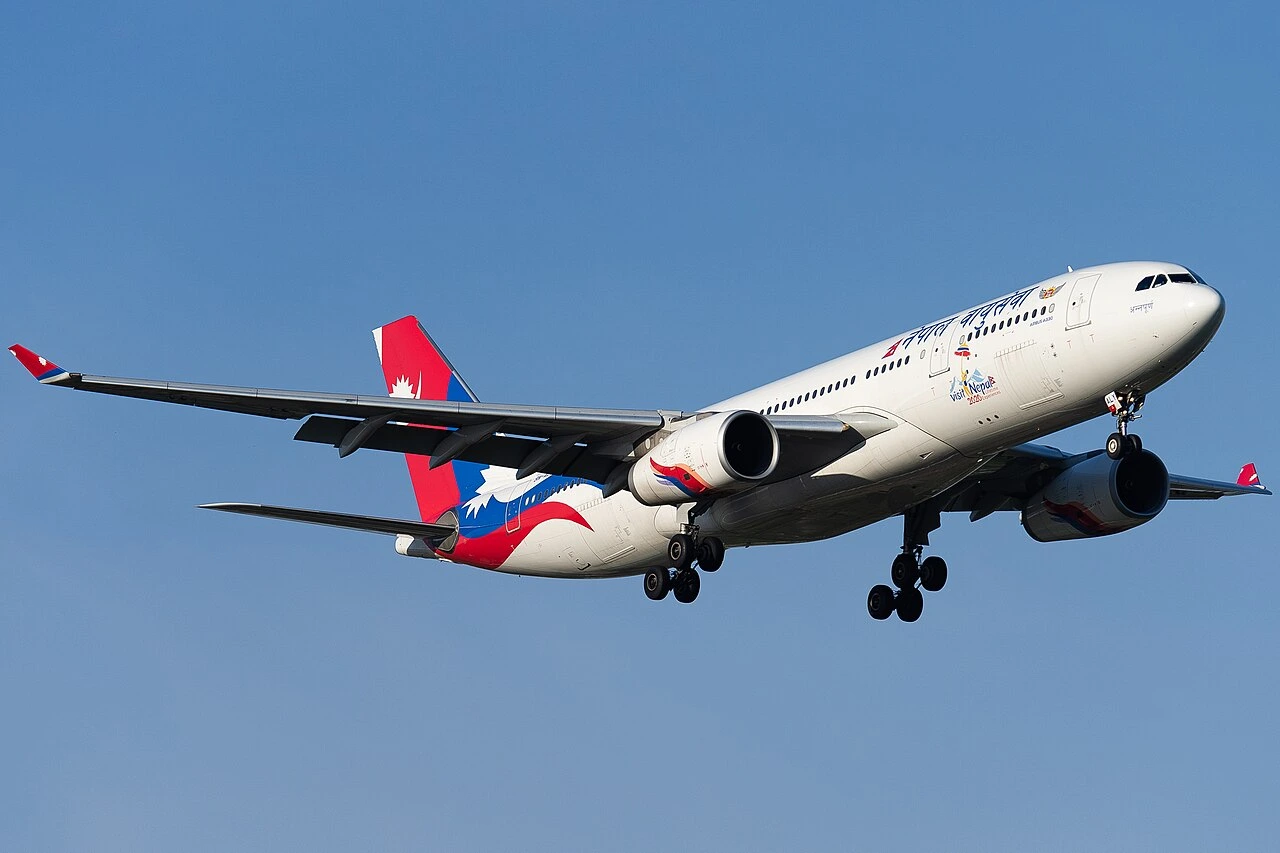
Photo: mohigan | Wikimedia Commons
Nepalese Army’s Role in Protecting Tribhuvan International Airport
On the second day of the protests, unofficial news started to circulate that just-resigned Prime Minister KP Sharma Oli was running for cover and heading to either China or Dubai from Tribhuvan International on an aircraft operated by Himalaya Airline.
This led to a lot of protestors heading towards Nepal’s oldest airport which was once called “Gauchar Airport”, an airport that was a grazing place for cattle.
It was during this furore as angry protestors scavenged for KP Oli that around 2000 people headed to the Tribhuvan International Airport, looking to turn it into a ruinous place, much as they’d done with a lot of government offices. According to Brigadier General Manoj Thapa:
Only if we hadn’t stopped the protesters from torching the premises of the airport and other harmful activities, which would have ultimately led to the closure of one of the important international airports of Nepal. It would have sent a negative message to the world about our state, with a high risk of harm to our state’s image.
He further commented:
“…tourists stuck at the airport were also provided with the necessary security, also diplomats and other foreigners residing at the Kathmandu Valley were provided much needed security.”
Nepalese Army Saved an Already Reeling Aviation Sector of Nepal
One might plausibly argue that Nepal’s aviation sector is already reeling. The latest hit the Nepalese aviation took was the corruption scandal surrounding the construction of the Pokhara International Airport. The other international airport of Nepal is the Gautama Buddha International Airport, which was once thought of heading towards the same fate as Pokhara, but is now seeing some progress as some carriers from the Middle East are operating to and from it.
A possible torching of aircraft in Tribhuvan International Airport or the possible desecration of the airport facilities would have been really costly for Nepal, had the army not intervened to take charge of the Tribhuvan International Airport.



Leave a Reply