United Airlines (UA) CEO Scott Kirby privately approached Delta Air Lines (DL) CEO Ed Bastian in 2025 with a proposal to merge the two airlines, according to a report by The Wall Street Journal. Delta evaluated the idea before deciding not to pursue it further.
The outreach took place before Kirby made a similar proposal to American Airlines (AA) CEO Robert Isom, which was also turned down. Despite both rejections, Kirby has continued to publicly advocate for the creation of a single dominant US airline while dismissing the idea of acquiring a smaller carrier such as JetBlue (B6).
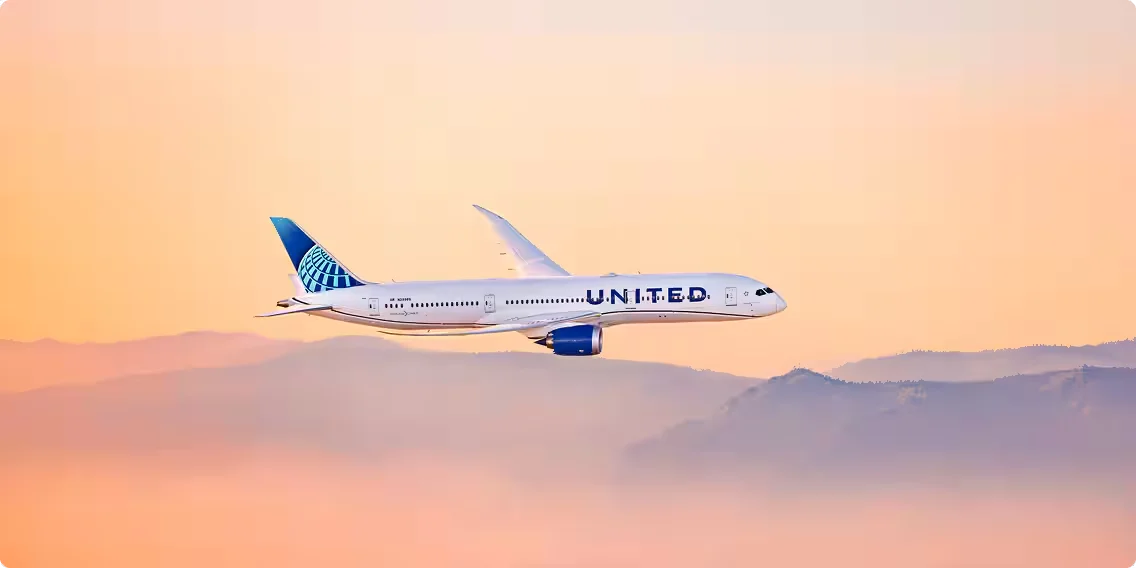
United Floated Delta Merger First
According to The Wall Street Journal, Kirby personally contacted Bastian in 2025 to discuss the possibility of combining United and Delta into one airline. Delta’s leadership conducted an initial review of the proposal, including preliminary due diligence to assess its potential merits. However, the discussions ended at an early stage, and the airline chose not to continue evaluating the transaction.
Kirby later presented a comparable proposal to American Airlines. American declined the idea, maintaining that a merger involving two of the country’s largest airlines would almost certainly fail to secure regulatory approval. Even after the rejection, Kirby continued promoting the concept, arguing that such consolidation would ultimately benefit travelers.
At the center of Kirby’s vision is the creation of a single large US airline capable of competing more effectively on the global stage. He has repeatedly argued that the United States faces what he calls a trade deficit in international aviation, with foreign airlines operating more international services to and from the country than US carriers. In his view, a significantly larger domestic airline would help close that gap.
Kirby has also emphasized that travelers place greater importance on overall value than on the lowest available fares. He has said customers prioritize a better travel experience over simply paying less for a ticket. Separately, he has indicated that United should avoid lowering fares solely because fuel prices decline, instead focusing on maintaining stronger profit margins. Kirby has also connected the proposal to broader economic benefits, arguing that a combined airline could support more union jobs while strengthening US aircraft manufacturing.
Bastian has consistently opposed mergers involving the three largest US network airlines. He has maintained that any future consolidation within the industry should involve smaller airlines rather than combinations between the biggest carriers.
Scale And Regulatory Hurdles
Together, Delta and United generated approximately 90% of the US airline industry’s profits in 2025. With American, a trip of the big three airlines have the three largest fleets in the world. United currently has a market capitalization of approximately USD 38 billion, while Delta’s stands at around USD 56 billion. A merger would therefore create by far the largest airline in the US market.
United has previously been linked to a possible acquisition of JetBlue, but Kirby has since argued that a transaction involving a smaller airline would not achieve the scale he believes is necessary. The biggest challenge facing any United-Delta merger would be obtaining regulatory approval. Analysts cited by One Mile at a Time argue that combining two of the “Big Three” airlines would significantly reduce competition, giving the merged carrier substantial market dominance and greater pricing power in the domestic market.
The same analysis also highlights potential consequences for international travel. Currently, three major transatlantic and transpacific joint ventures exist, each aligned with one of the global airline alliances. Critics argue that removing one of those competitors could weaken competition and ultimately affect long-haul airfares.
The economic justification for such a merger has also been questioned. Critics note that union jobs and US aircraft manufacturing already exist without industry consolidation, while United itself has placed large aircraft orders with Airbus in addition to American manufacturers.
More broadly, opponents argue that Kirby’s proposal shifts attention toward international competitiveness while overlooking concerns about preserving competition within the domestic airline market.
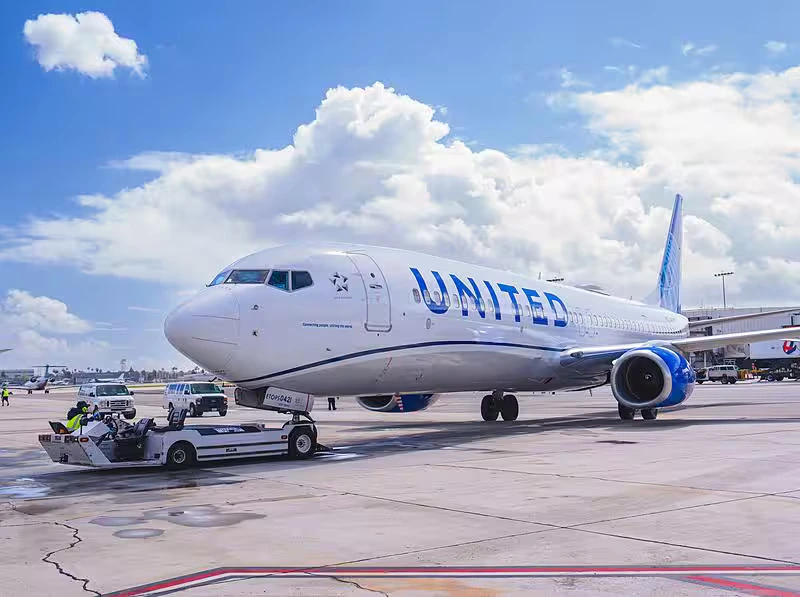
Questions Surround Timing
The timing of Kirby’s merger proposals has also attracted attention. Some observers believe he views the current political environment under President Donald Trump as the best opportunity for regulators to consider a merger of this scale.
They have also suggested that Kirby’s favorable public comments about Trump may have been made with that possibility in mind. However, this interpretation reflects outside opinion rather than statements made by Kirby or United.
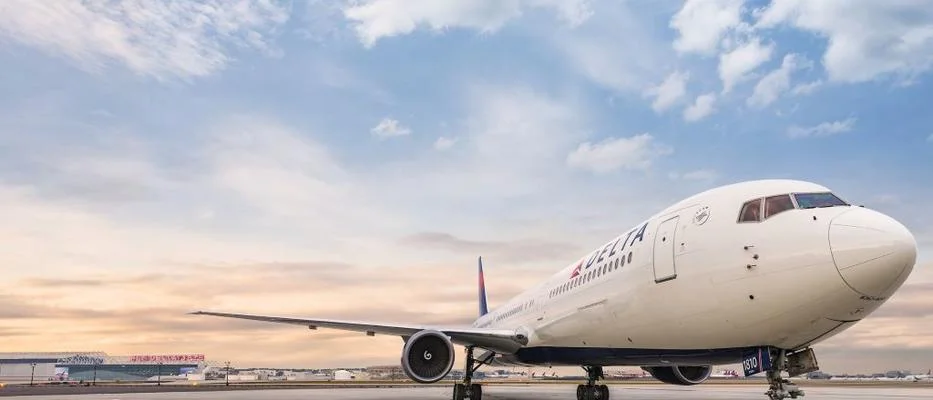
Bottom Line
Neither of Kirby’s merger proposals advanced beyond the initial stages. Delta ended discussions following its preliminary review, while American rejected the proposal over concerns that regulators would never approve a deal involving two of the nation’s largest airlines.
Although Kirby continues to argue that a US mega-carrier would strengthen the country’s position in global aviation, critics maintain that the primary beneficiaries would be investors rather than passengers. For now, significant antitrust and competition concerns remain the biggest obstacle to any such merger.