When a United States Air Force (USAF) Boeing F-15E Strike Eagle crashed over Iranian territory on April 3, 2026, following hostile action, American combat search and rescue (CSAR) forces immediately launched one of the most complex personnel recovery operations in recent history.
Within hours, rescue aircraft, intelligence assets, special operations personnel, and surveillance teams converged on the region to locate and extract the downed crew members, known by the callsigns DUDE 44A and DUDE 44B.
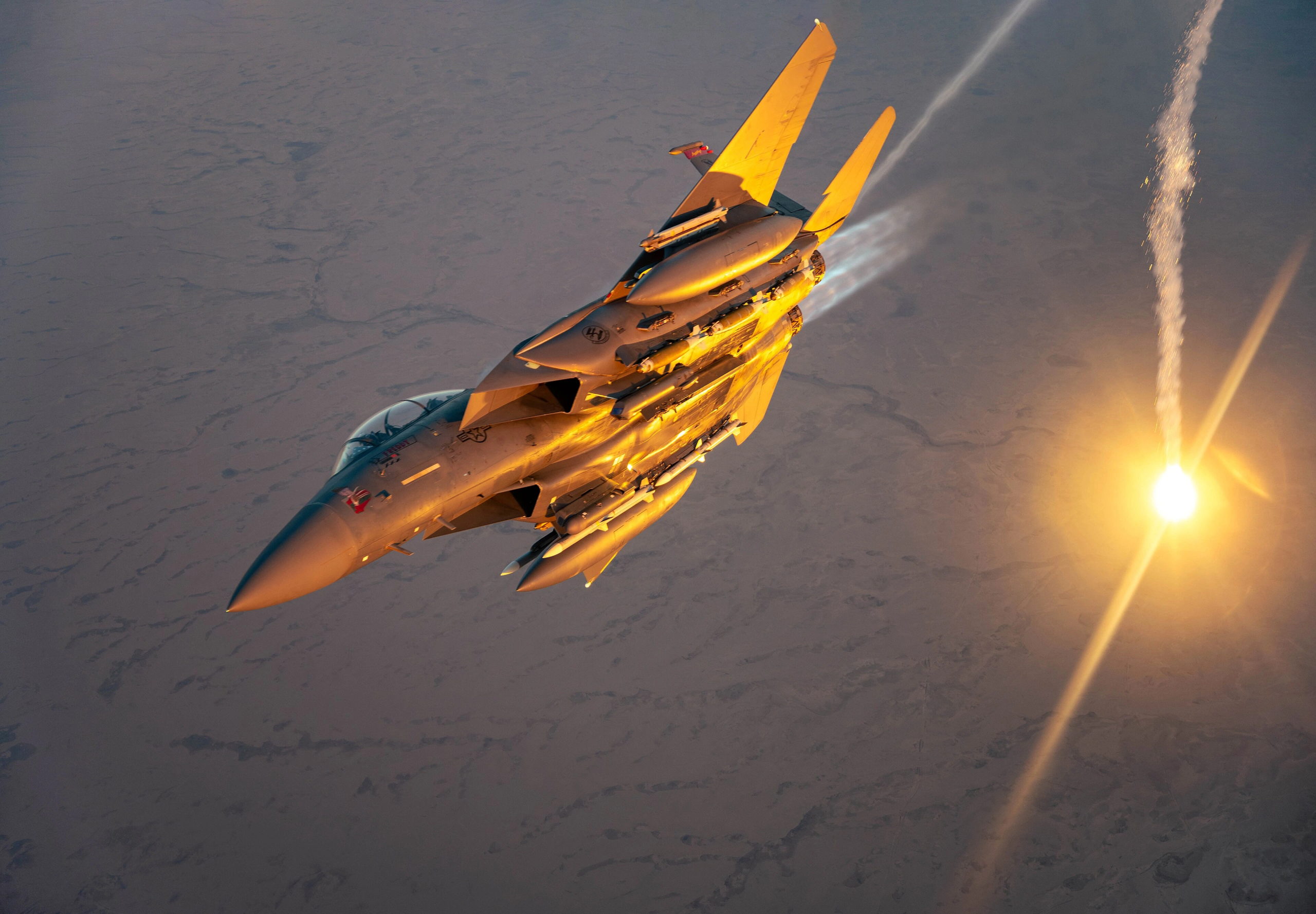
The operation ultimately rescued both Airmen, though not without considerable cost. Multiple aircraft were lost or destroyed during the mission, including two Lockheed MC-130 aircraft and two Army MH-6 helicopters, while an A-10 Thunderbolt II sustained anti-aircraft damage and was later ditched in friendly territory.
Yet senior military leaders argued the operation reaffirmed a long-standing principle inside American military culture: the United States prioritizes recovering its personnel above the value of equipment.
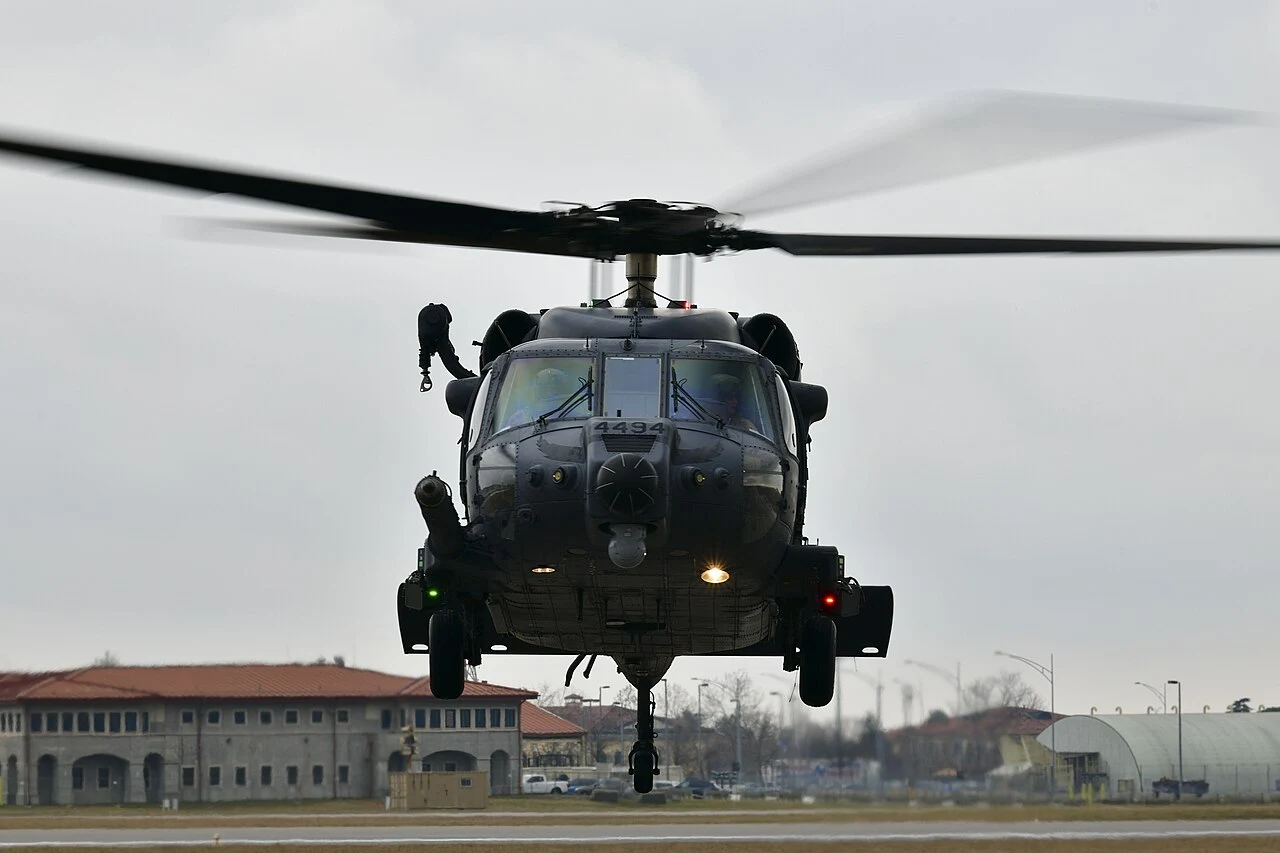
USAF Combat Search and Rescue Assets Involved in the DUDE 44 Operation
| Aircraft/Asset | Role in Mission | Operator |
|---|---|---|
| Boeing F-15E Strike Eagle | Downed combat aircraft | USAF |
| Fairchild Republic A-10 Thunderbolt II | Close air support and protection | USAF |
| Lockheed HC-130 Combat King II | Combat rescue tanker and coordination | USAF |
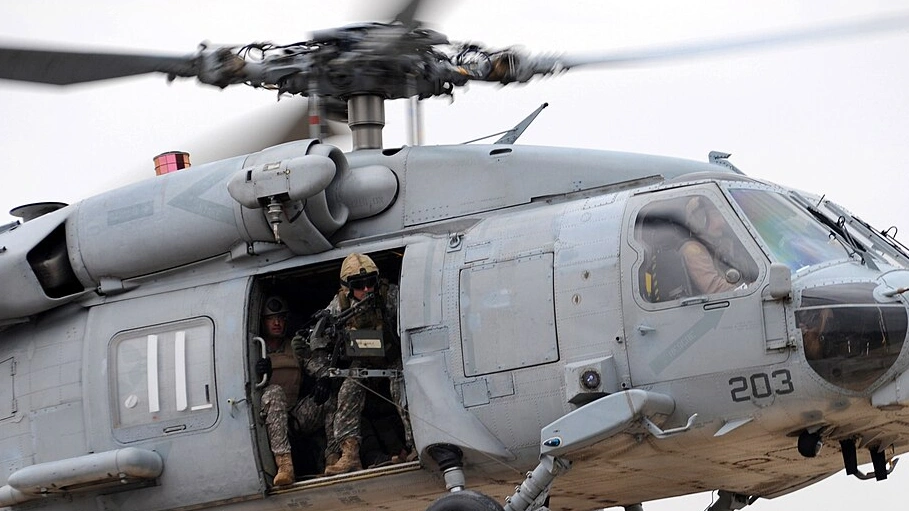
| Sikorsky HH-60W Jolly Green II | Personnel recovery helicopter | USAF |
| Lockheed MC-130 | Special operations support | USAF |
| MH-6 Little Bird | Ground insertion and extraction | U.S. Army |
| ISR and Space-Based Assets | Beacon tracking and surveillance | U.S. Space Force / Intelligence Community |
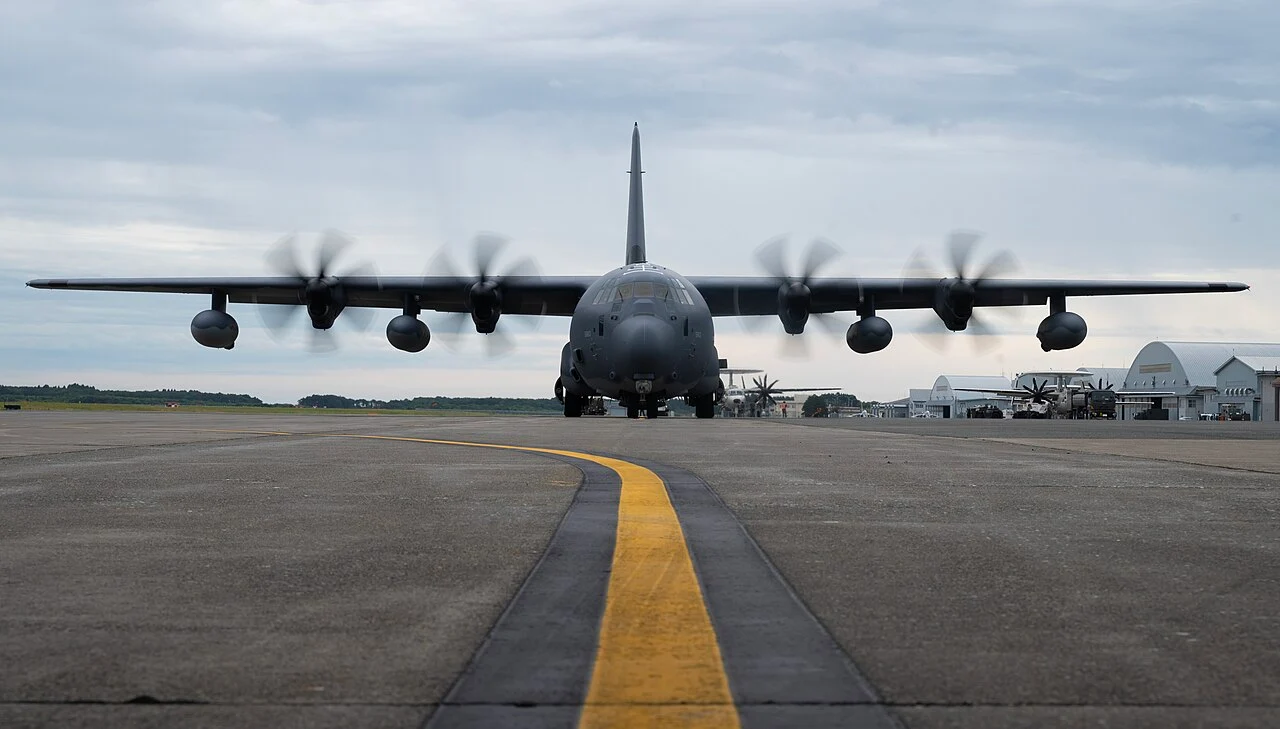
DUDE 44 Rescue Mission Demonstrates USAF Personnel Recovery Doctrine
According to Air & Space Forces Magazine, the rescue mission rapidly escalated into a full-spectrum joint-force operation coordinated by Joint Special Operations Command (JSOC). More than 21 aircraft and dozens of personnel reportedly participated in efforts to recover the crew.
The pilot, DUDE 44A, was rescued during an early daylight extraction mission shortly after ejecting from the aircraft. However, the second crewmember, DUDE 44B, remained hidden behind enemy lines for nearly 48 hours while Iranian security forces and militia elements searched the area.
The report stated that Iranian media outlets even announced financial rewards for locating the missing American weapons systems officer. Meanwhile, U.S. forces used a combination of:
- Special operations teams
- Space-based intelligence
- Rescue helicopters
- Electronic tracking systems
- Deception operations coordinated with the CIA
to prevent the Airman’s capture.
Chairman of the Joint Chiefs of Staff Gen. Dan Caine later praised the rescuers’ actions, stating that the mission demonstrated “yet again that the United States of America and our joint force will always place more value in humans than we ever will in hardware.”
Former USAF pilots Scott O’Grady and David Goldfein Compare Survival Experiences
The DUDE 44 incident revived memories for two former USAF fighter pilots who themselves survived shootdowns during NATO operations over the Balkans in the 1990s.
Retired Gen. David L. Goldfein, who later became Chief of Staff of the U.S. Air Force, was shot down over Serbia on May 2, 1999, while flying a General Dynamics F-16 Fighting Falcon during Operation Allied Force.
Similarly, former Air Force Capt. Scott O’Grady survived after Serbian forces shot down his F-16 over Bosnia on June 2, 1995, during NATO operations enforcing the no-fly zone over the Balkans. O’Grady evaded capture for six days before U.S. Marines rescued him.
Goldfein described survival after ejection as a “race” between rescuers and enemy forces.
“The race is on between who gets to them first….It was the same in my situation.”
O’Grady similarly emphasized the psychological pressure experienced by isolated personnel in hostile territory.
“You have to have trust…I knew my brothers in all service branches … were not going to forget me.”
Why Combat Search and Rescue Remains Strategically Important
Military analysts and former rescue personnel interviewed by Air & Space Forces Magazine argued that combat search and rescue extends far beyond tactical battlefield recovery. Instead, CSAR missions often carry major geopolitical implications.
Retired USAF Col. Brandon Losacker stated that the consequences of a failed rescue in Iran could have dramatically altered the broader regional crisis.
“CSAR is a strategic mission,…Imagine the world that we would be in right now if … the Iranians had our downed crew.”
The historical precedent for this concern remains significant. The 1993 Battle of Mogadishu, commonly known as “Black Hawk Down,” illustrated how captured or killed American personnel can rapidly shift domestic political sentiment and alter military policy.
O’Grady also warned that captured American personnel become powerful propaganda instruments for adversaries. According to the article, he argued that televised images of captured or deceased service members can directly affect public support for ongoing military operations.

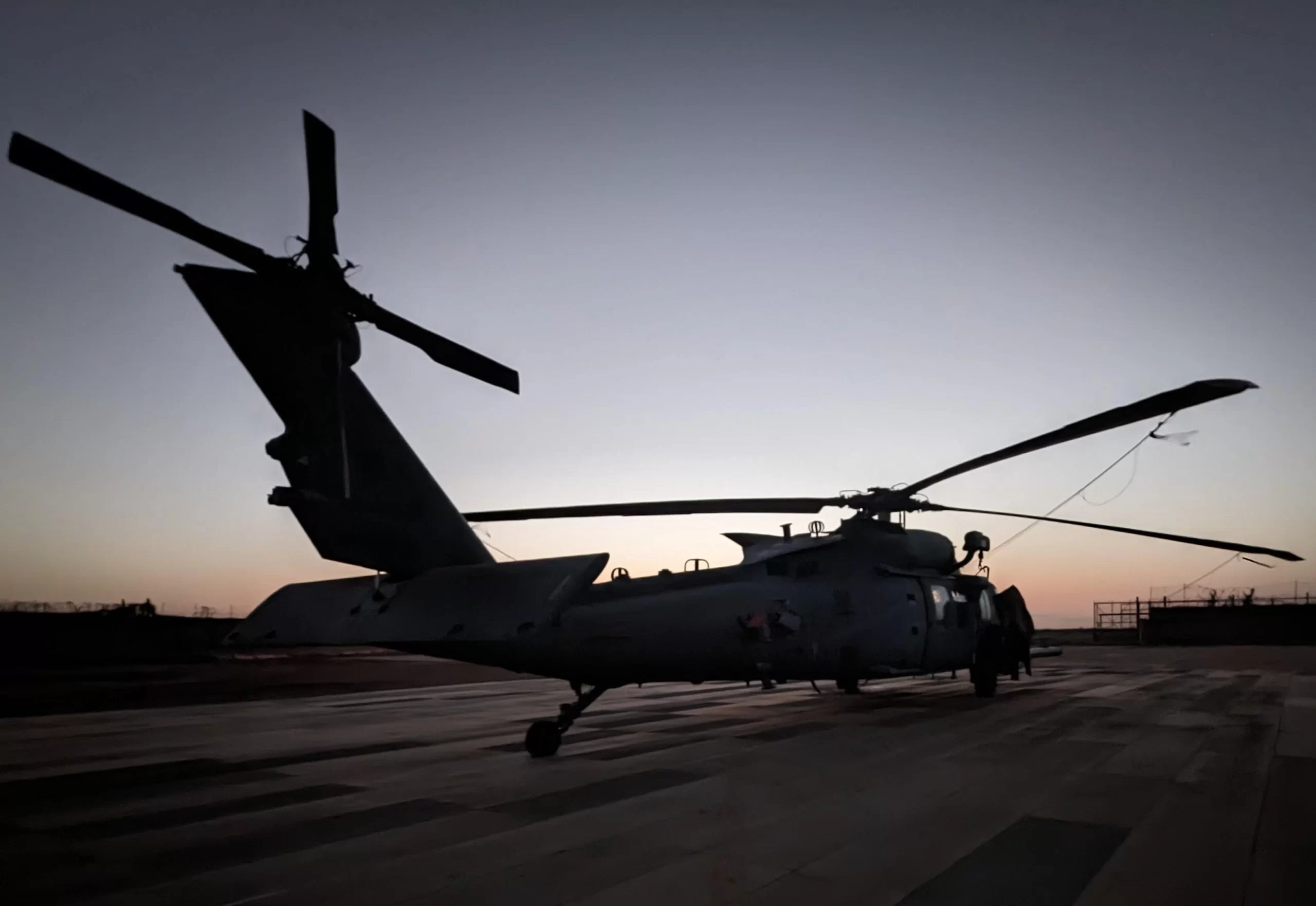
HH-60W Jolly Green II future faces ongoing debate
The DUDE 44 rescue operation has also revived debate surrounding the future of the USAF’s dedicated rescue fleet.
The Air Force originally intended to procure 113 Sikorsky HH-60W Jolly Green II helicopters to replace aging HH-60G Pave Hawk aircraft. However, the service reduced the planned acquisition to 85 aircraft in 2023 while exploring alternative rescue concepts involving autonomous or unmanned systems.
Congress later intervened and restored funding for additional aircraft purchases. As of 2026, the USAF fleet reportedly consists of 89 production helicopters, with more scheduled for delivery.
Critics of reducing CSAR capacity argue that no other military mission replicates the specialized training, integration, and risk tolerance required for personnel recovery in hostile airspace.
O’Grady questioned proposals to dilute or redistribute the mission.
“These CSAR guys are willing to put it all on the line to go save someone else’s life,”
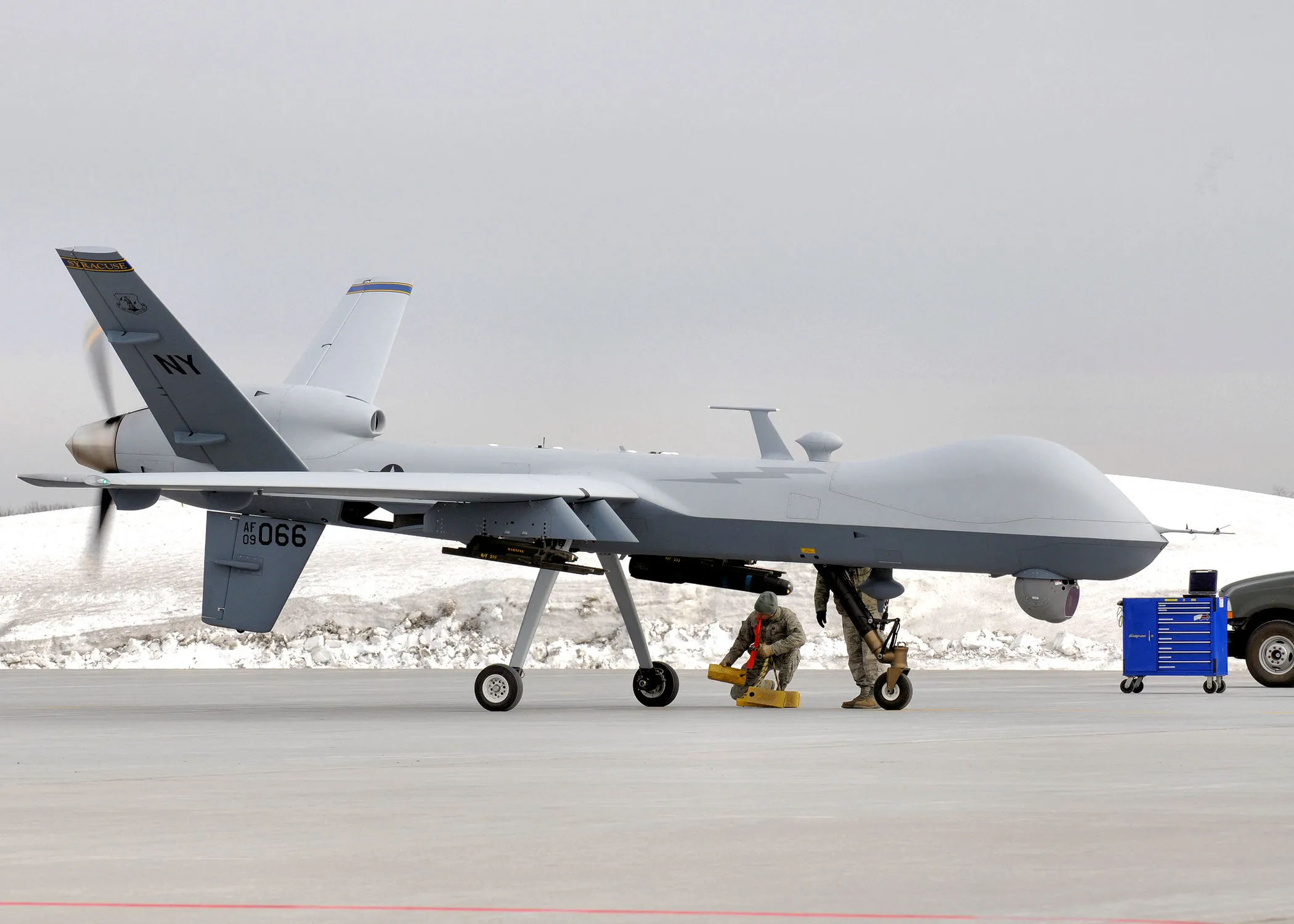
New technology reshapes USAF personnel recovery operations
The DUDE 44 mission reportedly incorporated advanced rescue technologies capable of remotely detecting biometric indicators such as heartbeat signals from concealed personnel. (Air & Space Forces Magazine)
Goldfein noted that each rescue mission historically drives new tactical and technological innovation across the personnel recovery community.
Emerging technologies likely to shape future CSAR operations include:
- Autonomous rescue aircraft
- AI-assisted ISR analysis
- Space-based tracking systems
- Secure low-probability-of-intercept communications
- Real-time battlefield data fusion
However, Goldfein also warned that modern social media ecosystems create new operational security challenges. During the Iran rescue mission, Iranian media reportedly circulated imagery and information online to assist local bounty hunters searching for the missing Airman. (Air & Space Forces Magazine)
He emphasized that future rescue doctrine must adapt rapidly to the accelerated pace of modern information warfare.
All in All
For generations of American aviators, the promise underpinning combat operations has remained remarkably consistent: if they are shot down, every feasible effort will be made to recover them.
The DUDE 44 rescue operation reinforced that doctrine under some of the most dangerous conditions encountered by USAF rescue forces in decades. Despite aircraft losses, intense enemy pressure, and the risk of escalation with Iran, the mission succeeded in recovering both Airmen alive.
Goldfein summarized the philosophy driving such missions succinctly.
“From the moment someone ejects over enemy territory, every second counts…That’s not the time to start building your team, because a life depends on the team that you’ve already built.”

.jpg)
.jpg)

.jpg)