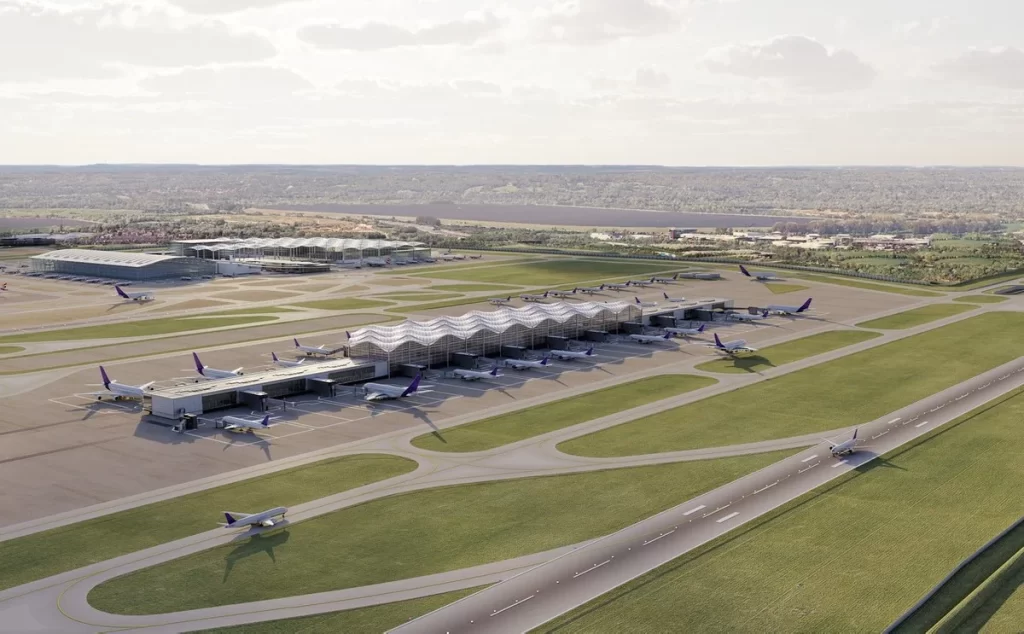
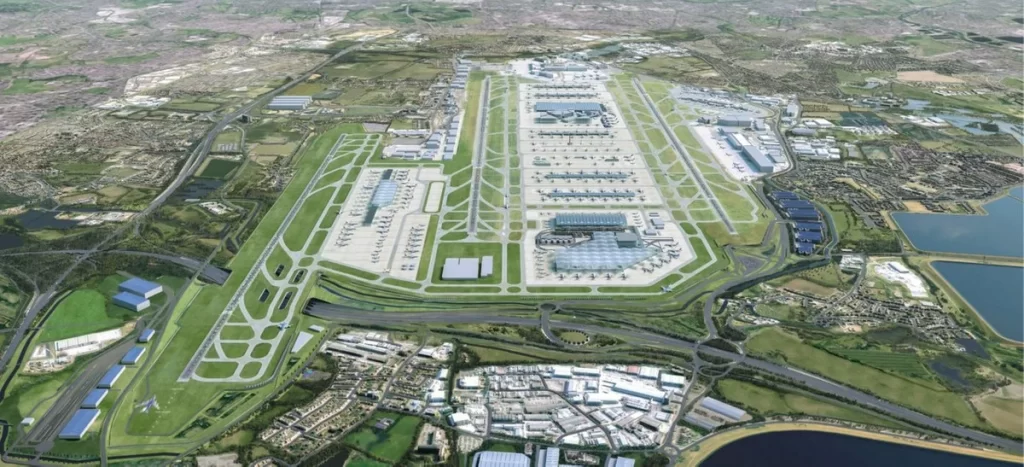
As part of its growth strategy, the UK government backs a third runway at Heathrow Airport (LHR), Europe’s busiest hub. Campaign group Friends of the Earth says the project would cause serious environmental damage at a huge financial cost, using the government’s own figures to make its case, according to a report by Friends of the Earth. The runway would add roughly a quarter of a million flights a year, demolish hundreds of homes near the airport, and push UK aviation emissions well above levels compatible with net zero.
Ministers argue expansion will boost trade and connectivity, but independent analysis of the same government data tells a different story. Below are 10 reasons, backed by data and further reporting, why the case for a third runway does not hold up. Five more concerns, covering capacity, cost, wildlife, and funding, are addressed in the FAQ section at the end.
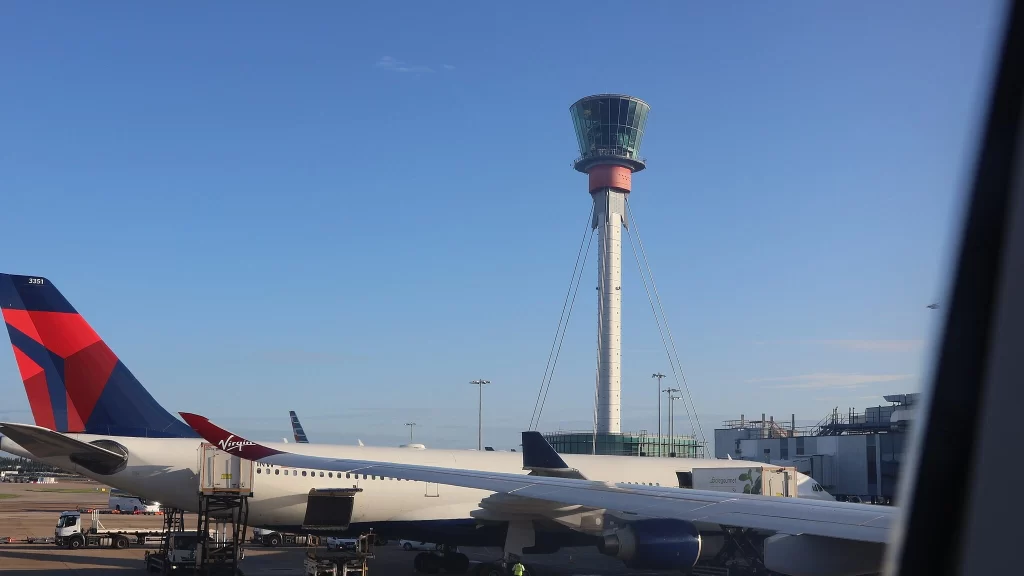
1. Heathrow Expansion Adds Just £2 Billion to GDP by 2056
The predicted economic boost from expansion is small: around £2 billion in 2056, or just 0.05% of GDP. The government’s own analysis shows this gain is outweighed by the combined social and environmental costs of building and running a third runway.
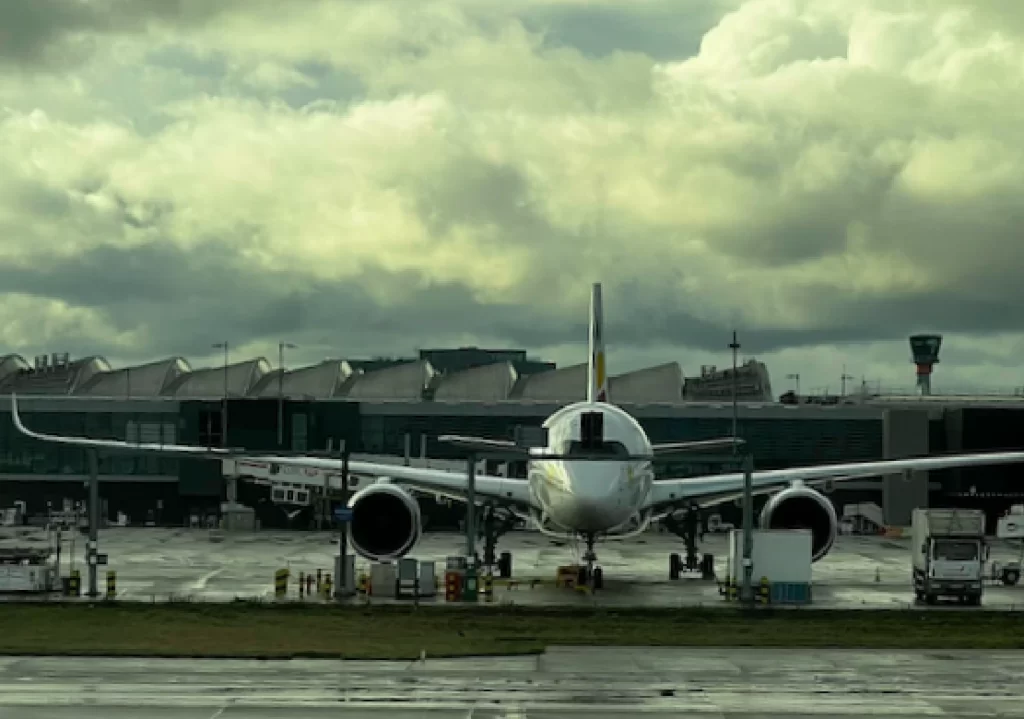
2. Two-Thirds of Its New Jobs Would Displace Work Elsewhere
Analysis of government figures by the New Economics Foundation shows at least three-quarters of the tiny economic boost would go to London and the South East. Two-thirds of the jobs created at Heathrow by 2050 would simply displace jobs in other regions, with the West Midlands alone forecast to lose around 9,500 jobs.
3. Foreign Investors Would Pocket Most of the Profits
Heathrow is owned by a French private equity firm and sovereign wealth funds from Saudi Arabia, Qatar, Singapore, and China. Any profit generated by a bigger airport flows largely to these overseas shareholders rather than into the UK economy.
4. Aviation CO2 Would Run 81% Above Net-Zero Limits
The government’s own projections show that CO2 emissions from aviation after expansion would be 81% higher in 2050 than its climate advisors say is compatible with reaching net zero. That gap threatens the UK’s legally binding carbon budgets.
5. Contrails Double Aviation’s Real Climate Impact
Aeroplane contrails and non-CO2 gases more than double the overall climate impact of flying, yet the government’s assessment of whether expansion meets its climate tests leaves these effects out entirely. Aviation’s history of underestimating its own footprint is not new. Concorde, retired in 2003, produced NOx and CO2 emissions three times higher than subsonic jets of its era and contributed roughly five times more to global warming per flight, since it cruised at twice the altitude of a normal airliner.
6. The Expansion Plan Leans on Unproven Green Fuel
Ministers are relying on sustainable aviation fuel (SAF) and carbon removal technology to offset the extra emissions. But global SAF output is projected to reach only 2.4 million tonnes in 2026, just 0.8% of jet fuel demand, and the premium airlines pay for it could add USD 3.6 billion to industry fuel costs in a single year. Regulators have also found several major carriers overstated what SAF and offsets can actually deliver, part of why the EU pushed 21 European airlines, including Lufthansa and KLM, to drop misleading “green flight” marketing in 2025.
7. A Quarter-Million More Flights Means Dirtier Air
The extra flights expansion would bring raise emissions of key pollutants, exposing more people to air pollution and threatening progress on cleaning up London’s air. The UK’s current air pollution limits are also weaker than the World Health Organisation’s latest science-based standards, which the government has not adopted.
8. 900,000 More People Would Live with Harmful Noise
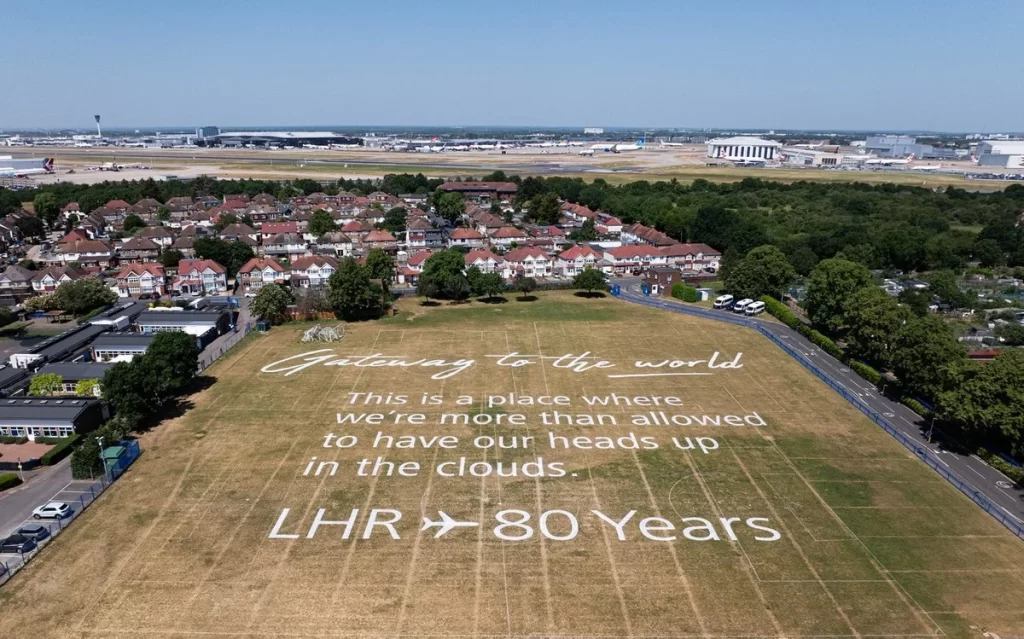
Around 900,000 more people would be exposed to aircraft noise at levels shown to harm health if Heathrow expands. The government has not published the actual flight paths that would apply, and its noise modelling is based on scenarios that are 12 years out of date.
9. Over 750 Homes Would Be Demolished for a Runway
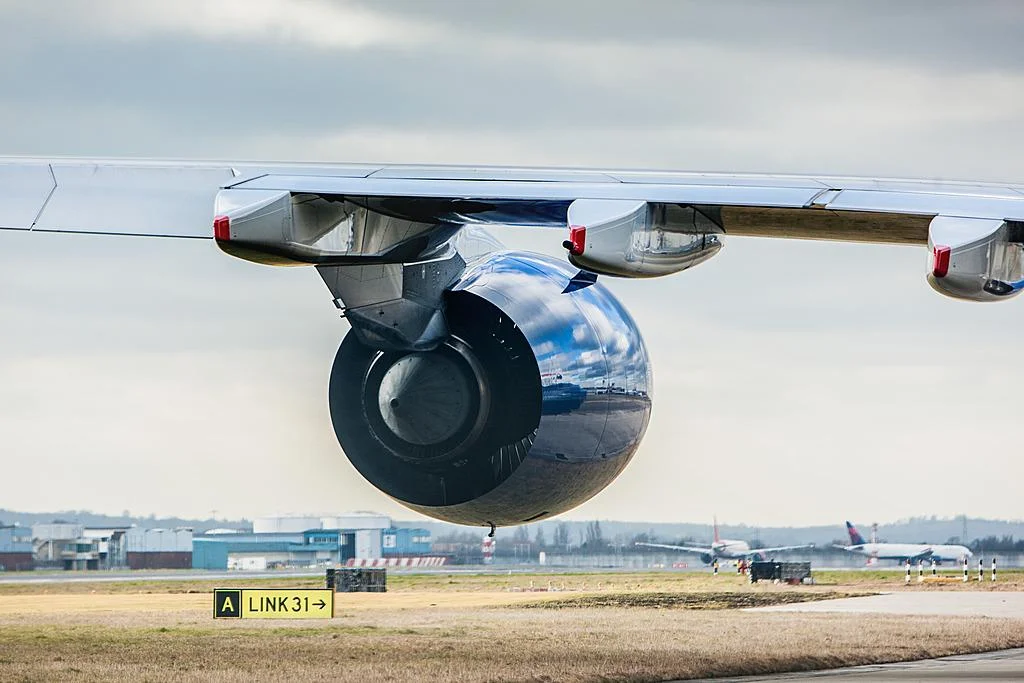
More than 750 homes and other buildings near the airport would be knocked down to make way for a third runway. The village of Longford would disappear entirely, Sipson would lose half its homes, and Harmondsworth would be partly demolished. A further 5,500 homes could become unfit to live in because of added noise and air pollution.
10. Passengers Would Pay Up to £65 More Per Ticket
Airlines estimate that average fares could rise by £60 to £65 per person to help fund the runway, or around £250 for a family of four. The government insists expansion must be 100% privately funded, but Heathrow’s owners are expected to recover their costs through higher landing charges passed straight on to travellers.
Frequently Asked Questions
Is There Actually a Need for More Heathrow Capacity?
Heathrow is already the most connected airport in the world, with its international destinations growing by nearly a quarter over the past decade. Business passenger numbers have been falling and are not expected to rise significantly, and less than 1% of UK exports and imports by weight travel by air, undermining the case that expansion is needed for trade.
Could Heathrow Expansion Become Another HS2-Style Overspend?
Heathrow puts the cost of expansion at £49 billion, but independent consultants have questioned that figure, and analysis commissioned by airlines suggests costs could double to £100 billion. Heathrow’s own numbers also exclude the cost of upgrading public transport to handle the 80% rise in passengers the runway would bring.
Would a Third Runway Threaten Protected Wildlife Sites?
The government says negative effects on eight designated nature sites, including Richmond Park and Windsor Great Park, cannot be ruled out. A busier Heathrow would also mean more aircraft movements through airspace already used by large bird populations; the UK records more than 1,400 confirmed bird strikes a year, and Heathrow already runs a 24-hour bird-scaring operation to manage the risk.
Who Really Benefits from More Flights at Heathrow?
Passenger growth from past UK airport expansion has mostly gone to people who already fly often. Two-thirds of that growth has come from people taking more than three flights a year. Campaigns such as Flygskam, the flight-shaming movement that pushed some travellers toward trains, have had limited effect on this pattern, since demand for flying keeps climbing among frequent flyers even as awareness of aviation’s climate impact grows.
Could Taxpayers End Up Funding Expansion Anyway?
Despite pledges that expansion will be 100% privately funded, many analysts expect the government will end up contributing, starting with public transport upgrades needed to handle the extra passengers. Money spent this way cannot be spent on schools, hospitals, or social housing elsewhere in the country. Scrutiny of large airport projects is not unique to mega-hubs like Heathrow either: even a small single-runway airfield such as Lukla Airport in Nepal draws regular questions over its environmental footprint, despite handling a tiny fraction of Heathrow’s traffic.

_17.jpg)

