A delegation from the International Civil Aviation Organization (ICAO) is scheduled to visit Nepal in September to conduct a comprehensive audit of the country’s aviation security system. The audit will run from September 14 to 22 under ICAO’s Universal Security Audit Programme–Continuous Monitoring Approach (USAP-CMA), according to a report by Fiscal Nepal, which cited the Civil Aviation Authority of Nepal (CAAN).
CAAN spokesperson Bikram Gautam said the review forms part of ICAO’s regular global monitoring mechanism, which checks that member states maintain international standards against unlawful interference in air transport. “The main objective of this audit is to prevent unlawful activities in the global aviation sector,” Gautam said, adding that inspectors will review compliance with ICAO’s Annex 17, covering aviation security, and Annex 9, covering passenger facilitation.
What The September Audit Will Cover
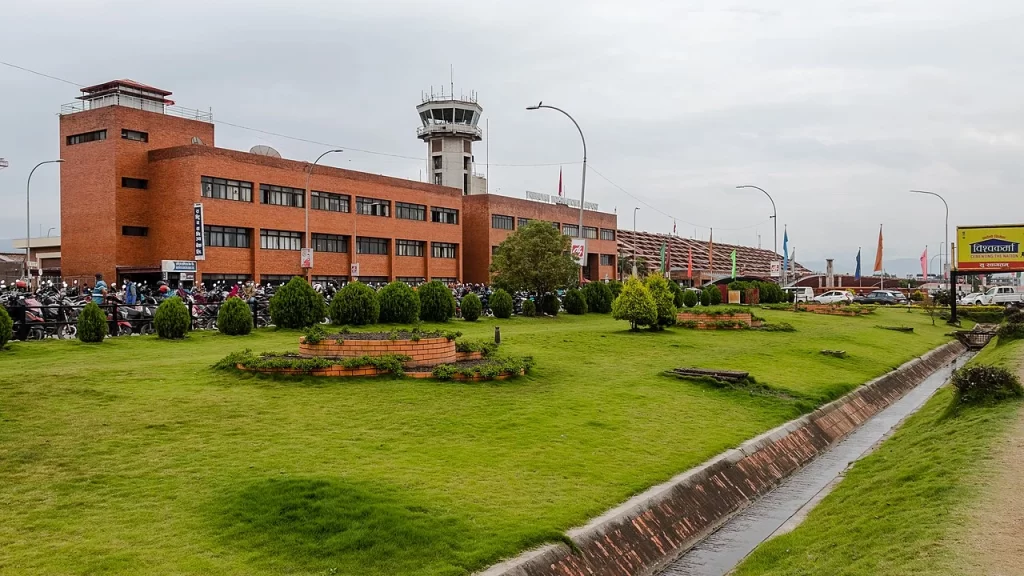
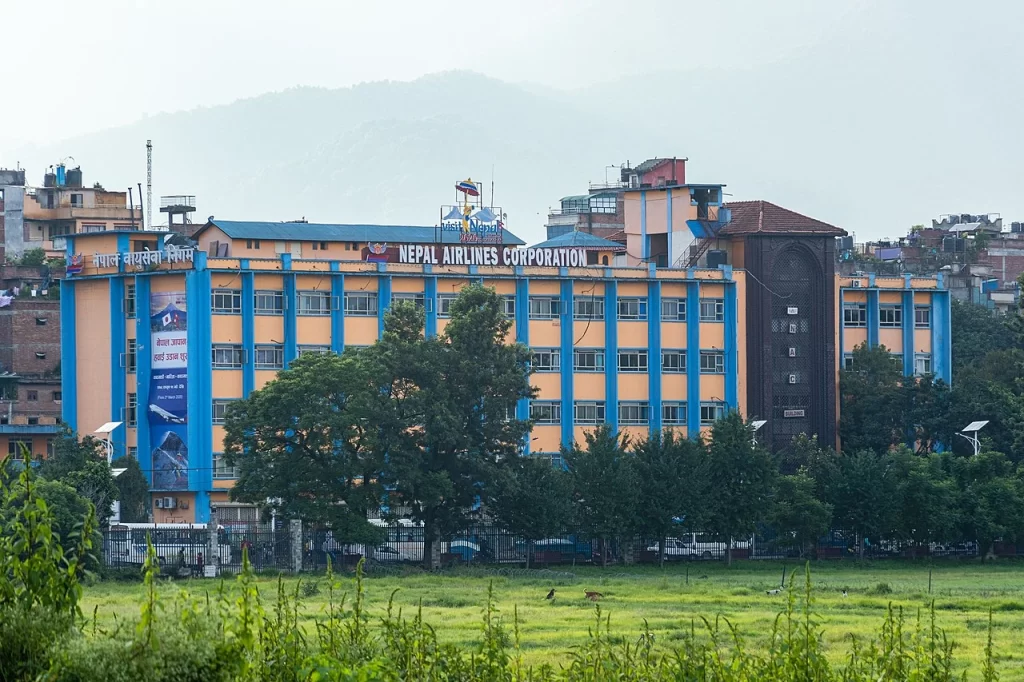
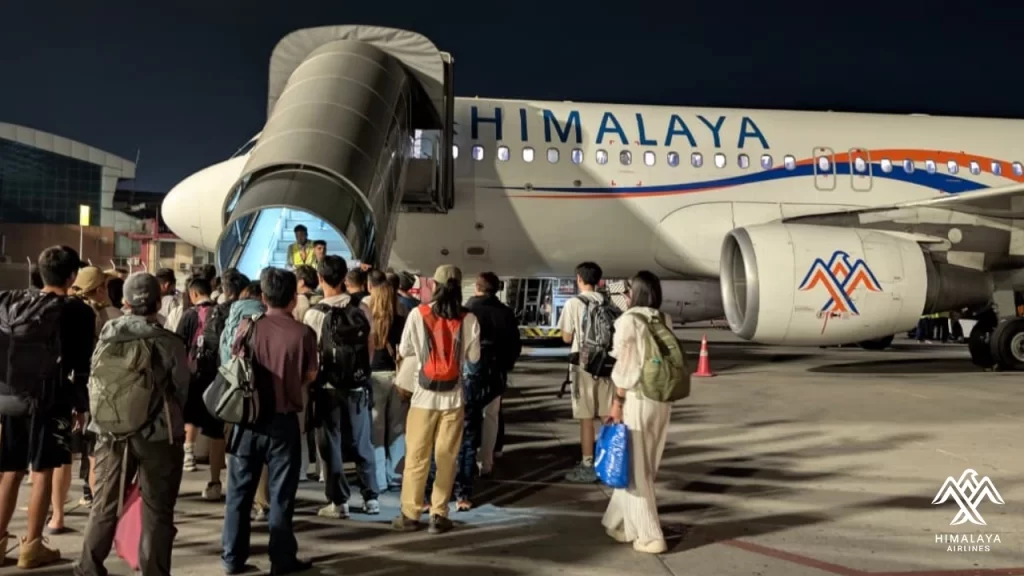
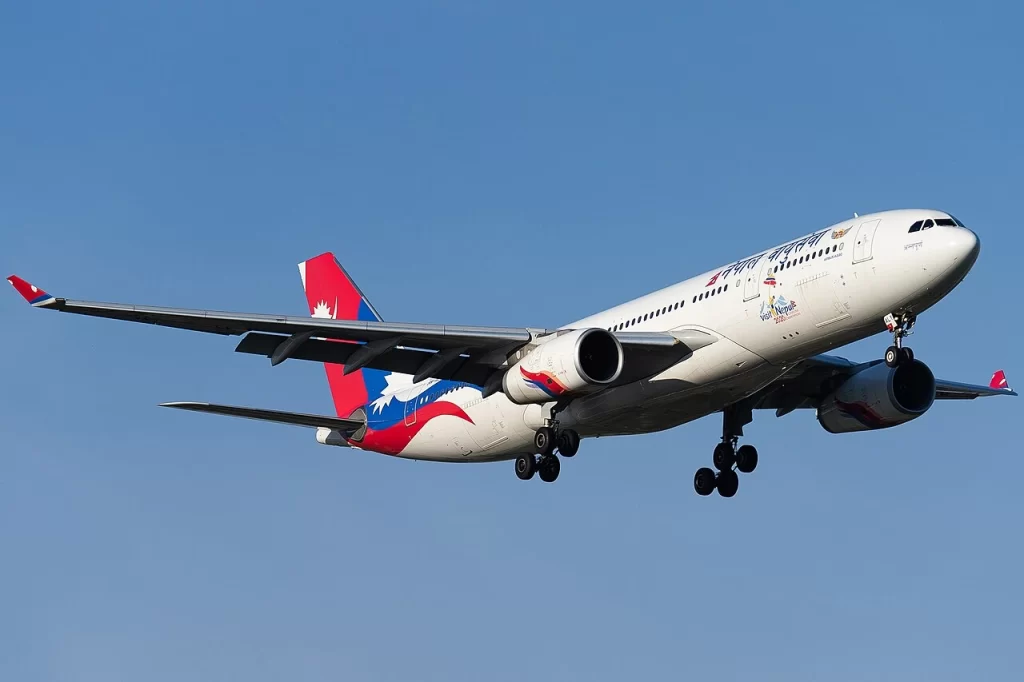
ICAO representatives will inspect security practices and procedures at Nepal’s major aviation stakeholders, including Nepal Airlines Corporation, Himalaya Airlines (H9), and several domestic carriers operating out of Tribhuvan International Airport (KTM) in Kathmandu. The review covers airport security management, passenger and baggage screening, cargo security, individual airline security programmes, and coordination between the various agencies responsible for aviation security nationwide.
Gautam confirmed the audit report itself will not be made public, since security assessments of this kind are treated as confidential by both ICAO and member states. All Nepal-registered airlines have already begun preparations to meet the required international standards ahead of the inspection, and the assessment is expected to conclude with a set of recommendations for strengthening Nepal’s security framework.
A Security Audit, Not A Safety Audit
ICAO’s September visit addresses aviation security, the systems that guard against hijacking, sabotage, and unlawful interference, rather than the flight safety concerns that have shadowed Nepal’s aviation sector for years. That distinction matters because it is safety, not security, that has kept Nepal on the European Union’s airspace blacklist since December 2013, a ban that remains fully in force.
ICAO’s own safety oversight programme first flagged a structural problem behind that ban back in 2009, when an audit found that CAAN regulates Nepal’s airlines while simultaneously operating one of them, Nepal Airlines Corporation, a conflict of interest that undermines independent oversight of maintenance and airworthiness standards across the industry.
Lawmakers introduced two bills in February 2025 to split CAAN into a pure regulator and a separate service-providing body, but the legislation remains pending as of mid-2026.
Nepal Airlines’ Institutional Credibility Under Strain
The security audit lands at a moment when Nepal’s aviation institutions are already facing scrutiny on several other fronts. Nepal Airlines Corporation, one of the carriers ICAO will inspect, is currently navigating a recruitment controversy after its Operations Director was accused of repeatedly pushing to secure Airbus A320 type-rating training for a family member, an episode that has revived comparisons to a 2015 hiring scandal involving inflated foreign salary packages.
Nepal’s aviation infrastructure sector has faced its own accountability reckoning. Nepal’s anti-corruption body has filed four separate chargesheets over alleged financial irregularities at Pokhara Regional International Airport, naming a former finance minister and more than 80 individuals in total over a combined Rs 3.62 billion in alleged tax waiver fraud and cost inflation. Separately, Nepal’s Central Investigation Bureau has charged 32 individuals across the trekking, hospital, and helicopter charter industries in a fake rescue evacuation scheme that generated close to USD 20 million in fraudulent insurance claims between 2022 and 2025.
A Parallel Push for Regulatory Reform
The security audit also arrives alongside a separate, unrelated push for reform: Nepal’s Ministry of Law is currently reviewing a draft bill that would raise the minimum compensation for a domestic air crash death or serious injury from $20,000 to $100,000, a fivefold increase. More than 900 people have died in Nepali air accidents since the country’s first recorded crash in 1955, and the bill has stalled in various forms since 2019, missing the window to help families of the 2023 Yeti Airlines crash in Pokhara.

What Happens Next
ICAO’s USAP-CMA framework typically produces a set of findings and recommendations rather than a pass-or-fail outcome, with member states expected to address any deficiencies identified during the visit through a corrective action plan. Nepal’s Ministry of Culture, Tourism and Civil Aviation has not indicated when, if at all, any summary of the September findings might be shared publicly, consistent with the confidential treatment ICAO applies to security assessments worldwide.




.jpg)
